

A few well-fed pothos on a windowsill can transform a room, but getting feeding right trips up plenty of indoor gardeners. You water faithfully, give the leaves a shower now and then, and still end up with yellowing tips or stalled growth. The cause often comes down to nutrition, and the fix is picking the right formula for your collection. This roundup walks through ten solid options covering spikes, liquids, tablets, and even tap water treatment, so your indoor jungle gets exactly what it needs.
The Shortlist At A Glance

Miracle-Gro Indoor Plant Food Spikes (48 Pack)

Instant Biologics Self-Dissolving Plant Tablets (4 Count)

Southside Plants Tap Water Conditioner (8 Oz)

Jack’s Classic 15-30-15 Houseplant Fertilizer (8 Oz)

HiThrive All Purpose Indoor Plant Food (16 Oz)
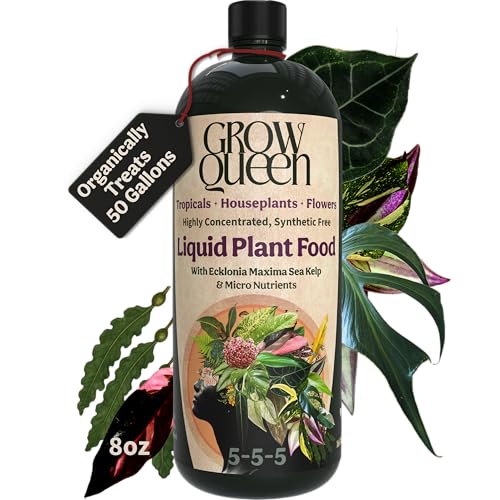
Grow Queen Organic Liquid Indoor Plant Food (8 Oz)

Houseplant Resource Center Indoor Fertilizer (8 Oz)

Miracle-Gro Organic Plant Food (32 Fl Oz)

Back to the Roots Organic Indoor Plant Food (16 Oz)

True Organic All Purpose Liquid Plant Food (16 Oz)
Taking A Closer Look At The Options
Spikes trade fine control for pure convenience, and these Miracle-Gro spikes are about as set-and-forget as indoor feeding gets. You push a spike into the soil near the root zone, water normally, and the nutrients release gradually over roughly two months. For a shelf of low-maintenance greenery, that means no measuring cups, no mixing, and no remembering which week you last fed the fern.
Compared with the tablet and liquid picks coming up, you give up some precision. Spikes work best in containers with enough soil volume to accommodate them, so very small pots and propagation jars won’t be a fit.
Positive Points
- No measuring or mixing required, ideal for routines that already feel full.
- Slow nutrient release runs around two months, reducing how often you need to remember feeding.
- Works across a wide range of houseplants, from pothos to herbs.
- 48 spikes cover a large collection without frequent repurchasing.
Trade Offs To Consider
- Spikes are less precise than liquid feeds, so heavy feeders may need a supplemental boost during peak growth.
- Smaller pots under four inches may not have enough soil to seat them properly.
- Distribution is localized near the spike, so rotating placement helps if roots cluster.
Key Specs
Right Fit For
Busy plant owners with a mix of foliage varieties who want a simple, low-effort routine that runs quietly in the background.
Where Another Pick Suits Better
Collectors with lots of flowering plants will get more from Jack’s Classic 15-30-15 Houseplant Fertilizer, whose high-phosphorus ratio targets blooms more directly.
Tablets solve the part of plant care people hate: measuring. Drop one tablet into a glass or watering can, watch it dissolve, and pour. The Instant Biologics tablets keep things tidy and travel well in a kitchen drawer or a small gardening tote.
For someone with just a handful of plants, four tablets stretch further than a large liquid bottle. The format also makes it easier to feed odd-sized containers without overdoing it.
Real-World Strengths
- Pre-measured tablets mean no guesswork on dilution ratios.
- Dissolves in water quickly, cutting out the measuring cup entirely.
- Compact packaging stores easily on a shelf or in a gardening kit.
- Compatible with most houseplant types, including tropicals and succulents.
Worth Noting
- Only four tablets per pack, so larger collections may run out quickly.
- You still need to mix before pouring, which adds a step compared with ready-to-use liquids.
- Tablets work best with lukewarm water to dissolve fully.
Who It Suits Best
Plant owners with smaller collections who want a tidy, low-mess alternative to liquid concentrates.
Not Your Match When
Anyone running a full apartment of greenery will find HiThrive All Purpose Indoor Plant Food more economical per feeding.
Not every plant problem is about nutrients. Southside Plants takes a different angle entirely, treating the water itself before it ever reaches the soil. The conditioner neutralizes chlorine, chloramines, and heavy metals while buffering pH (the measure of acidity or alkalinity in water, on a scale of 0 to 14), which matters in areas with aggressive municipal water treatment.
Used alongside any of the liquid or powder fertilizers on this list, it solves the root cause of brown leaf tips in sensitive species. It’s also one of the few picks here that doubles for small hydroponic setups.
Reasons It Performs
- Removes chlorine, chloramines, and heavy metals in a single dose.
- Buffers pH toward a plant-friendly range, useful in hard-water regions.
- Works for both potted houseplants and basic hydroponic systems.
Some Limits To Know
- Not a fertilizer on its own, so you’ll still need a nutrient source for actual feeding.
- The small 8 oz bottle requires careful dosing for larger watering cans.
Feature Card
Made For
Anyone whose tap water leaves brown leaf edges or stunts sensitive species like calatheas and ferns.
Look Elsewhere When
You mainly need a nutrient boost, not a water fix, in which case Grow Queen Organic Liquid Indoor Plant Food handles feeding directly.
Flowering houseplants like African violets, anthuriums, and peace lilies need a different nutrient balance than foliage-heavy tropicals. Jack’s Classic delivers with a 15-30-15 ratio, where phosphorus (the middle number) drives bud and bloom production. The water-soluble powder (a dry concentrate that dissolves in water before use) makes a little go a long way, and the included measuring spoon takes the math out of mixing.
Versatility stands out: the same powder can be used as a root drench or a foliar spray (mist applied directly to leaves for faster uptake), so you can target whichever part of the plant needs the help.
The Upside
- High-phosphorus 15-30-15 ratio encourages stronger flowering.
- Powdered format means one bag stretches to multiple gallons of feed.
- Works as a foliar spray or root feed for flexible use.
- Enhanced micronutrient package supports foliage color between bloom cycles.
Room For Improvement
- Powdered formulas require mixing before every use, unlike ready-to-pour liquids.
- Phosphorus-heavy blends aren’t ideal for foliage-only plants like snake plants.
Feature Snapshot
Best Suited To
Collectors of flowering houseplants who want measurable bloom results and don’t mind mixing powder into water each time.
Consider Something Else When
Most of your greenery is foliage-only, where Houseplant Resource Center Indoor Fertilizer’s gentler 3-1-2 ratio fits better.
Big collections drink through fertilizer fast, and HiThrive leans hard into yield. One 16 oz bottle mixes into more than 87 gallons of feed, which translates to months of routine use across a multi-shelf setup. The 6-2-4 NPK ratio (Nitrogen, Phosphorus, Potassium, the three core nutrients in plant food) tilts toward nitrogen for lush foliage, making it a natural fit for pothos, monsteras, and fiddle leaf figs.
Concentrate formats like this one reward careful measuring. A little goes a long way, and overdoing it can leave residue on the soil surface.
Where It Delivers
- One bottle makes 87+ gallons, lowering cost per feeding.
- 6-2-4 ratio supports strong leaf and stem growth in foliage plants.
- Liquid concentrate mixes quickly into any watering can.
Points To Keep In Mind
- Higher nitrogen ratio makes it less ideal for flowering-heavy collections.
- Requires accurate dilution, as over-application can cause leaf burn.
- Storage space matters: a 16 oz bottle is bigger than tablet alternatives.
Quick Facts
Whose Shelf It Belongs On
Foliage-focused plant parents with dozens of pots who want one concentrate that stretches through the entire growing season.
Skip It When
Blooms matter more than leaves, where Jack’s Classic 15-30-15 Houseplant Fertilizer puts its energy into flower production instead.
Organic doesn’t have to mean weak, and Grow Queen is built around an even 5-5-5 ratio that delivers nitrogen, phosphorus, and potassium in equal measure. Sea kelp (a type of seaweed extract used as a natural plant supplement) adds trace minerals, which is the part most basic fertilizers skip. For mixed shelves where you want one bottle to handle a monstera next to a pothos next to a peace lily, that balance is the draw.
The liquid mixes easily and is gentle enough for routine feeding without the burn risk that comes with harsher synthetics.
Positive Takeaways
- Equal 5-5-5 NPK ratio suits a wide variety of houseplants.
- Organic formulation with sea kelp for added trace nutrients.
- 8 oz bottle yields around 50 gallons of feed.
- Gentle enough for frequent use without burn risk.
Honest Caveats
- Organic liquids often have a subtle natural scent that some people notice.
- Equal ratio won’t push blooms as hard as high-phosphorus blends.
Details At A Glance
Who Should Grab It
Organic-minded plant owners with mixed foliage and tropical collections who want one reliable bottle for the whole shelf.
Another Choice May Suit
Heads-up if you keep heavy bloomers like African violets; True Organic All Purpose Liquid Plant Food offers similar organic credentials with a slightly different profile.
New to indoor gardening and feeling buried by NPK math? Houseplant Resource Center keeps things simple with a 3-1-2 ratio designed to mimic what plants pull from rich outdoor soil. Chelated micronutrients (minerals bound to organic molecules so roots absorb them more easily) are included for long-term bioavailability, so the nutrients stay available rather than locking up in the soil.
It works across popular picks like pothos, peace lilies, and monsteras, which is exactly the range most beginners are starting with.
What Makes Sense
- Straightforward 3-1-2 ratio makes feeding decisions simple.
- Chelated micronutrients stay accessible to roots over time.
- Liquid format mixes easily into a standard watering can.
- Designed with popular houseplants in mind.
Potential Drawbacks
- Single 8 oz bottle may need replacement sooner for larger collections.
- Ratio is mild, so aggressive growers may want a stronger feed during peak months.
Who Will Love This
First-time plant parents who want one bottle that handles pothos, monsteras, and peace lilys without a steep learning curve.
Reach For A Different Pick When
You maintain a flowering-heavy collection, where Jack’s Classic 15-30-15 Houseplant Fertilizer will push bud development harder.
The 32 fl oz size of Miracle-Gro’s organic line covers the kind of multi-room feeding schedule most homes actually run. It’s made with plant-based ingredients, which matters if you prefer organic inputs but still want the reliability of a major brand. The liquid feeds instantly, so results show up faster than slow-release options.
Versatility is the selling point. The same bottle handles indoor pots, container herbs, and patio planters without needing a separate product for each.
Useful Touches
- Large 32 fl oz bottle reduces how often you repurchase.
- Plant-based organic formula with broad plant compatibility.
- Liquid format feeds on contact for quicker visible results.
- Easy to measure with the built-in cap.
Where It Is Less Suited
- Bottle size demands decent storage space in smaller apartments.
- Liquid organic formulas can carry a mild natural scent during application.
Key Product Details
The Right Fit
Households running indoor and outdoor container plants in multiple rooms who want a single large organic bottle to cover everything.
A Better Fit Elsewhere
Small-space dwellers with just a few pots may find Back to the Roots Organic Indoor Plant Food easier to store and finish before it expires.
Back to the Roots builds its formula around plant and mineral sources, skipping the synthetic fertilizers and animal waste common in cheaper options. For a vegan-leaning household or anyone sensitive to strong smells, the low-odor liquid is a relief. The label promises around 95 feeds per 16 oz bottle, which is solid for typical shelf sizes.
It’s a no-burn formula (designed to release nutrients gently so roots aren’t damaged), which is a useful safety net if your routine is a little inconsistent.
Features That Help
- Vegan formula without synthetic or animal-derived ingredients.
- Low-odor profile suits small apartments and shared spaces.
- About 95 feeds per 16 oz bottle for solid coverage.
- No-burn formulation forgives heavier-than-recommended doses.
Things To Weigh
- Organic origin means the bottle carries a slightly shorter shelf life than synthetics.
- Mild nutrient profile may not push heavy feeders as aggressively.
Built With In Mind
Apartment dwellers and vegan-leaning households who want a clean-smelling, plant-based feed that doesn’t overpower a small space.
Swap It Out When
You keep a serious collection of foliage monsters, where HiThrive All Purpose Indoor Plant Food offers a stronger nitrogen push per bottle.
True Organic draws its formula from the same farm-grade ingredients used by commercial organic produce growers, which is reassuring if you keep herbs or vegetables in the kitchen window. The 3-2-2 ratio is gentle and balanced, leaning more toward overall plant health than aggressive bloom or foliage pushing.
It works indoors and out, so a single bottle covers windowsill herbs, container tomatoes, and patio flowers without switching products.
What Stands Out
- Farm-grade organic ingredients used in commercial produce growing.
- 3-2-2 ratio suits edible plants and ornamentals alike.
- Liquid format feeds both indoor and outdoor containers.
- OMRI-listed (reviewed for compliance with national organic standards), giving confidence to organic gardeners.
Factors To Consider
- Gentle ratio means heavy feeders may want supplemental feeding in peak months.
- Organic liquid carries a mild natural scent during mixing.
Perfect Match For
Indoor herb gardeners and organic-focused households who want one trustworthy bottle for kitchen and living room plants.
Where A Sibling Pick Shines
For purely decorative foliage where richer leaf color is the goal, Grow Queen Organic Liquid Indoor Plant Food brings added sea kelp to the mix.
## What To Weigh Before Picking A Houseplant Food Choosing a houseplant food comes down to matching format and nutrient profile to the way you actually care for your plants. Liquids offer the most control, powders stretch the furthest per package, and spikes buy back time at the cost of precision. Organic inputs suit edible herbs and sensitive households, while synthetic blends often push faster visible results. For mixed collections, an all-purpose 3-1-2 or 5-5-5 ratio covers most needs without overthinking. For bloom-focused shelves, a high-phosphorus option like 15-30-15 targets bud development specifically. For foliage-heavy rooms, a nitrogen-leaning 6-2-4 ratio supports leaf growth and stem strength. ### Reading NPK Ratios Without The Headache The three numbers on any fertilizer label stand for nitrogen, phosphorus, and potassium by weight percentage. Nitrogen drives leaf and stem growth, phosphorus supports root and bloom development, and potassium strengthens overall plant resilience. A 3-1-2 ratio tilts toward foliage, while a 1-2-2 ratio leans into roots and flowers. For most indoor gardeners, anything in the 3-1-2 to 6-2-4 range handles a general collection. Outside that range, the formula is doing specialized work and is worth matching to a specific goal. ### Matching Format To Your Routine Liquids mix into a watering can and feed immediately, which is the most hands-on approach. Powders dissolve in water and stretch further, ideal for serious plant parents. Spikes release gradually and skip the measuring step, perfect for anyone whose routine already feels full. Tablets sit between powders and ready-to-use liquids, giving you pre-measured doses without a bottle to store. ### Water Quality Often Gets Overlooked Tap water varies wildly by region, and high chlorine, chloramines, or mineral content can cause leaf-tip burn even when feeding is dialed in. A water conditioner addresses the source of that damage, while fertilizer alone cannot. For households on aggressive municipal water, pairing a conditioner with a balanced fertilizer usually beats picking either one in isolation. ## Pitfalls Worth Dodging And Where The Upgrade Pays ### Common Shopping Slip Ups Overbuying is the trap most people fall into first. A 32 oz bottle sounds economical, but liquid fertilizers lose potency over time, and an unfinished bottle can become waste. Match the size to your actual plant count and feeding frequency. Another frequent miss is ignoring water quality, where adding fertilizer on top of harsh tap water can actually worsen leaf-tip burn. Finally, mixing formats without a plan leads to overfeeding. Pick one primary feed and one specialty product at most. ### Why Premium Tier Costs More Higher-priced options earn their price through ingredient sourcing, organic certification, or added micronutrient packages. For edible plants like kitchen herbs, that premium often translates to inputs you’d actually want on food. For purely decorative collections, the upgrade is more about convenience, scent, and clean sourcing than visible plant performance. The honest read: spending up makes sense when the plants you care most about are the ones you’ll harvest, smell, or handle regularly. ## Frequently Asked Questions ### How Often Should I Feed My Houseplants? Most indoor plants do well with feeding every two to four weeks during the active growing season, which is typically spring through early fall. Growth slows in winter, and most plants need little to no feeding during those months. Always check the specific product’s label for the recommended schedule. ### Can I Use The Same Fertilizer For All My Houseplants? A balanced all-purpose formula works across most foliage and tropical houseplants without issue. Flowering plants often benefit from a higher-phosphorus blend during bloom cycles, while succulents and cacti prefer lighter, less frequent feeding. Using one general bottle for the whole collection is a reasonable starting point. ### Are Organic Fertilizers Better Than Synthetic Options? Organic fertilizers release nutrients more slowly and improve soil health over time, but they tend to work gradually. Synthetic blends often produce faster visible results, which matters for plants in active growth. The choice depends on your priorities, whether that’s long-term soil care or quicker visible response. ### What Causes Brown Leaf Tips Even With Regular Feeding? Brown leaf tips often point to water quality issues, especially chlorine, chloramines, or mineral buildup from hard tap water. Over-fertilizing produces similar symptoms by burning root tips. A water conditioner or flushing the soil with plain water every few months can help reset the balance. ### Do Fertilizer Spikes Actually Work? Spikes release nutrients slowly and work well for low-maintenance routines, though distribution is localized near the spike. They suit forgetful waterers and plants with enough soil volume to seat them properly. For more precise feeding, liquids and powders offer better control. ## Wrap Up The right plant food depends less on chasing a single best option and more on matching the format to your routine. Liquids suit attentive waterers, spikes reward consistency-averse schedules, and organic blends fit households that care about inputs. Pick a balanced ratio to start, watch how your plants respond, and adjust from there. A little attention now means greener leaves and stronger growth across the whole indoor collection.