

Missouri gardens face a quirky mix of hot, humid summers and sudden winter drops, and USDA hardiness zones across the state swing from zone 5 in the northwest corner to zone 7 in the southeast. That kind of range rules out tender citrus, but it opens the door to figs, mulberries, apples, pears, and other resilient cultivars that handle the climate’s mood swings. The list below leans into Missouri-friendly choices, mixing live starter plants, seed packs, and growing guides so you can build a backyard orchard one step at a time.
The Main Contenders

Easy to Grow Fig Chicago Hardy – 2 Potted Starter Plants

Wellspring Gardens Chicago Hardy Fig Tree Live Starter

Easy Cold Climate Fruit Trees For Beginners (eBook)
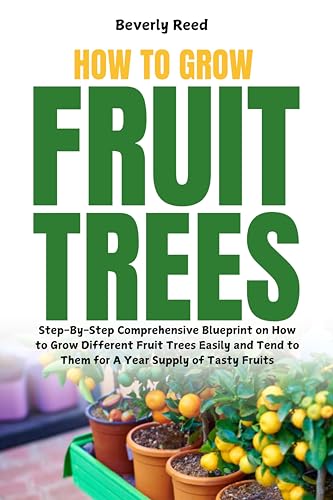
How to Grow Fruit Trees: Step-By-Step Blueprint (eBook)

How to Grow Fruit Trees: Step-By-Step Blueprint (Paperback)

200+ Mix Dwarf Bonsai Fruit Tree Seeds (4 Varieties)

The Southern Gardener’s Guide to Growing Fruit Trees (eBook)

Fam Plants Fig Tree Chicago Hardy Live Plant (4 Pack)

Illinois Everbearing Mulberry Tree (Potted Starter)
Why These Options Stand Out
Two Chicago Hardy fig starters arrive in 4-inch grower pots, already rooted and ready to be potted up or transplanted. The cultivar (Ficus carica ‘Chicago Hardy’) handles Missouri winters down to zone 5 with protection, and stays compact enough for a sunny patio at 3 to 4 feet in a container.
You get two plants in a single order, which works well for backup or for cross-pollination experiments even though the species is self-fertile. Compared to a single-stem starter, you may find the doubled count gives you flexibility to plant one in the ground and keep one potted, depending on your space.
A Few Strong Suits
- Two rooted starters instead of one for redundancy and design options.
- Self-pollinating, so a lone plant still sets fruit.
- Tolerates zone 5 winters with basic protection like mulch and burlap.
- Stays in the 3 to 4 foot range in containers for small patios.
- Typically begins fruiting in year two or three from planting.
Trade Offs
- Ships at roughly 6 to 8 inches tall, so expect a multi-year wait for meaningful harvest.
- Container figs need consistent watering during Missouri’s humid summers to prevent leaf drop.
At A Glance
Who It Suits Best
Patio gardeners in colder corners of Missouri who want figs without a permanent orchard footprint.
Look Elsewhere When
You’d rather start from a single larger specimen, in which case the Wellspring Gardens Chicago Hardy Fig Tree Live Starter fits better.
The Wellspring Gardens starter ships as a young sapling in a 3-inch-deep pot, a small package that turns into a 15 to 20 foot tree over many seasons. The plant is produced through tissue culture (a propagation method that clones a parent plant from tiny tissue samples in a sterile lab), which tends to produce uniform, vigorous growth.
You get a single rooted cutting rather than a pair, so this is the option for someone committed to one main tree. The Chicago Hardy is rated for zones 6 through 10 and does best in full sun, meaning a south-facing yard in central or southern Missouri is the sweet spot.
Bright Spots
- Tissue-cultured for consistent, vigorous early growth.
- Mature height up to 15 to 20 feet suits larger yards.
- Produces medium, purple fruit early in the fig season.
Honest Caveats
- Single plant, so any pest or transplant loss means starting over.
- Ships at just 3 to 8 inches, so the first couple of seasons are mostly about establishment.
- Listed for zones 6 to 10, which may be tight in northwest Missouri’s colder pockets.
Right Fit For
One-tree households in central and southern Missouri who want a single specimen with room to grow tall.
Swap It Out When
You’d rather hedge your bets with multiple plants, which is where the Easy to Grow Fig Chicago Hardy – 2 Potted Starter Plants makes more sense.
This Kindle eBook from Verdora Press focuses on the exact challenge Missouri growers face: choosing trees that handle cold snaps. It walks through cold-hardy species and the techniques that keep them productive through erratic Midwest winters.
For someone just starting an orchard, the value is the focus on hardy species rather than tropical favorites. The digital format means you can pull it up on a phone while standing in a garden center, which is genuinely handy when deciding between two cultivars.
Positive Points
- Centered on cold-hardy species suited to zones 5 and 6.
- Designed for beginners with no prior orchard experience.
- Digital format works on phones, tablets, and e-readers.
Points To Keep In Mind
- Requires a Kindle device or app to read.
- General advice rather than Missouri-specific growing calendars.
Feature Snapshot
Best Suited To
First-time orchardists who want a quick orientation before buying trees or seeds.
Reach For A Different Pick When
You want printable pages and offline reference, in which case the How to Grow Fruit Trees: Step-By-Step Blueprint (Paperback) is the better match.
Beverly Reed’s guide presents a year-round framework for growing fruit trees, framing the work as seasonal tasks rather than a one-time planting. The eBook format suits growers who want a single reference they can search by season or task.
Unlike the Verdora Press title, this book covers a wider range of fruit trees rather than zeroing in on cold-hardy selections. That breadth makes it useful for someone planning a diverse small orchard with apples, pears, and figs side by side.
Key Advantages
- Covers planting, watering, feeding, and pruning through the seasons.
- Addresses pest and disease management without harsh chemicals.
- Includes harvest timing guidance for peak flavor.
Possible Compromises
- Broader scope means less depth on any one species.
- No printable pages since it’s digital only.
Quick Facts
Who Should Grab It
Self-directed learners in Missouri who want a structured seasonal playbook across multiple species.
Not Your Match When
You specifically want a cold-hardy focus, in which case the Easy Cold Climate Fruit Trees For Beginners (eBook) fits more precisely.
The paperback edition of Beverly Reed’s blueprint offers the same content in a print format, which works well for gardeners who’d rather flip through physical pages with dirty hands. The book addresses climate selection, planting in the ground or containers, and year-round care.
It mirrors the eBook’s scope but trades digital convenience for tactile use. For someone who keeps a gardening journal or wants to dog-ear pages, a paperback reference has a place that a Kindle file cannot match.
Features That Help
- Physical pages stay open on a potting bench or worktable.
- Covers in-ground, container, and raised bed planting setups.
- Walks through climate matching for your region.
- Includes harvest timing for best flavor.
Less Ideal Details
- Not searchable like a digital version.
- Print formatting may differ from the eBook layout.
Feature Rundown
Made For
Gardeners who prefer print and want a bench-side reference during pruning and feeding sessions.
Where Another Pick Suits Better
You want a digital copy you can pull up on a phone, in which case the How to Grow Fruit Trees: Step-By-Step Blueprint (eBook) is the cleaner choice.
The QEVJEKR seed pack bundles four common fruit varieties, lemon, cherry, orange, and apple, into individual resealable pouches. That’s a lot of seeds for the curious planter who wants to test germination rates and experiment with bonsai-style shaping.
Keep expectations realistic: citrus and standard apple trees grown from seed rarely match the parent cultivar, and lemon or orange trees will not survive Missouri winters outdoors. The cherry and apple seeds, however, can produce seedlings worth potting up and overwintering indoors.
Practical Pluses
- Four varieties in one pack for side-by-side germination trials.
- Individual zip pouches keep seeds separated and dry.
- Affordable way to start many seedlings at once.
A Few Limitations
- Citrus varieties are not cold-hardy in Missouri without indoor overwintering.
- Seed-grown fruit trees take years to produce and may not match parent traits.
- Germination rates vary widely across seed lots.
Perfect Match For
Hobbyists in Missouri who enjoy the experimental side of starting trees from seed rather than buying established plants.
Skip It When
You want fruit within a couple of seasons, in which case the Illinois Everbearing Mulberry Tree (Potted Starter) is the more productive route.
Trey Watson’s guide centers on southern U.S. conditions, but the bootheel region of Missouri shares enough climate overlap to make portions of it relevant. The eBook format is giftable and readable on any device, which suits families passing the title around.
The honest read is that this is a companion read rather than a primary Missouri guide. Growers in southeast Missouri may find the southern framing useful, but northwest Missouri growers will want colder-climate specifics elsewhere.
Useful Strengths
- Digital format reads on any device with the Kindle app.
- Covers fruit trees suited to warm, humid summers.
- Useful for Missouri bootheel and border-region growers.
Things To Weigh
- Less applicable to the colder northern and central parts of Missouri.
- Requires the Kindle app or a compatible device to access.
Spec Overview
Whose Shelf It Belongs On
Gardeners in southeast Missouri or near the Arkansas border who want a regional read to pair with a cold-climate guide.
Where A Sibling Pick Shines
You live in northern Missouri and need a cold-zone focus, in which case the Easy Cold Climate Fruit Trees For Beginners (eBook) covers that ground better.
Fam Plants ships four rooted Chicago Hardy fig plants in a single order, a bulkier option for anyone serious about building a small fig orchard. The listing mentions cold hardiness down to minus 10°F, which lines up well with the colder corners of Missouri when plants are mulched in.
Where the Easy to Grow Chicago Hardy pair offers two plants for backup, this 4-pack invites a real planting layout. You can space them along a fence line, give some away to neighbors, or pot them up at staggered sizes for successive harvests.
Everyday Advantages
- Four rooted plants support a small fig hedge or orchard row.
- Cold-hardy rating to minus 10°F with basic winter protection.
- Useful for gardeners who want extras to share or sell.
Small Caveats
- Four plants means more watering, mulching, and pruning work.
- Larger initial outlay than a single starter plant.
Built With In Mind
Orchard-minded Missouri growers who want a multi-plant fig patch in a single shipment.
Consider Something Else When
You only have room for one or two figs, in which case the Easy to Grow Fig Chicago Hardy – 2 Potted Starter Plants is a better fit.
The Illinois Everbearing mulberry is a workhorse tree, well suited to Missouri’s range from zones 3 through 10 and tolerant of part to full sun. It ships at 6 to 10 inches tall in a pot, a modest start that fills out into a 25 to 35 foot specimen over many seasons.
Mulberries tend to be one of the lower-fuss fruit trees in the Midwest, and birds will likely find your tree before you do. The trade-off is the long-term footprint: this one wants space, so plan for a yard corner rather than a patio.
What Helps Most
- Huge climate range from zones 3 to 10 covers all of Missouri.
- Sweet, abundant fruit once established.
- Grows in part to full sun for flexible placement.
Worth Bearing In Mind
- Mature height of 25 to 35 feet rules out small lots.
- Birds are quick to claim the fruit, so netting may be needed.
- Stains from dropped berries can affect paved areas below the canopy.
The Right Fit
Low-maintenance Missouri households with a sunny yard edge and a tolerance for birds, berries, and a tall mature tree.
A Better Fit Elsewhere
You only have a patio or small lot, in which case the Easy to Grow Fig Chicago Hardy – 2 Potted Starter Plants stays compact and container-friendly.
Picking Fruit Trees That Handle Missouri Weather
Missouri sits in a transition zone where winter lows in the northwest can rival Minnesota while summer heat and humidity push into the 90s across the state. USDA hardiness zones 5b through 7a are the practical range to design around, and chill hours, meaning the total hours below 45°F that fruit trees need to set fruit, matter as much as the lowest winter temperature. Apples, pears, and sour cherries typically need 800 to 1,200 chill hours, while figs and some plums require far fewer.
Match The Tree To Your Microclimate
A south-facing slope in southern Missouri behaves like a different region from a low-lying north edge in the same county. Spend a season observing sun exposure, frost pockets, and wind patterns before committing. Trees that thrive in zone 7a may stall in zone 5b without a windbreak and proper siting.
Decide Between Bare-Root, Potted, And Seed
Potted live plants arrive with a head start but cost more and require prompt transplanting. Bare-root options, where available, transplant well in early spring and tend to develop stronger root systems. Seed packs offer variety and low cost but demand patience, since seed-grown trees can take five or more years to fruit and may not match parent traits.
Plan For Pollination And Space
Some species, like Chicago Hardy figs and Illinois Everbearing mulberries, are self-fertile and produce fruit from a single tree. Apples, sweet cherries, and many pears need a compatible cross-pollinator nearby. Check mature spread, not just height, so adjacent trees don’t crowd each other in five years.
Budget For The First Two Seasons
The first year after planting is mostly root development, and the second year is establishment. Watering, mulching, and basic pruning are the recurring tasks, while fertilizer often waits until year two or three. You may find that choosing a slightly larger starter reduces the establishment window, depending on your patience.
Smart Choices Across These Picks
Mistakes Worth Dodging
Skipping chill-hour checks is the most common slip, since a tree rated for your zone may still lack the cold dormancy it needs to fruit. Buying citrus or tropical seeds without a plan to overwinter them indoors is another frequent miss, especially when packs look appealing at a glance. Finally, underestimating mature size leads to crowded canopies within a few years, so always check the spread, not just the height.
When Paying More Pays Off
A larger, more established starter plant costs more upfront but typically reduces the multi-year establishment window and improves first-year survival. Bulk packs like the four-plant fig bundle raise the sticker price yet offer better long-term value once you factor in replacement risk on smaller starters. The honest read is that spending up makes sense when you know the planting site is final, since transplanting later offsets any early advantage.
Frequently Asked Questions
What fruit trees grow best in Missouri?
Figs, mulberries, apples, pears, persimmons, and sour cherries handle Missouri’s climate swings well, with figs and mulberries being the most forgiving for beginners.
When should you plant fruit trees in Missouri?
Early spring after the last hard frost is the safest window, though fall planting works for hardy container-grown trees in southern Missouri where the ground stays workable.
Do fig trees survive Missouri winters?
Chicago Hardy figs tolerate Missouri winters down to about zone 5 with mulch and burlap protection, and they often die back to the roots in colder years before resprouting.
How long until a fruit tree produces fruit?
Fig and mulberry trees can fruit within two to three years, while seed-grown apples and pears often take five to seven years to bear a meaningful crop.
Can you grow citrus trees in Missouri?
Citrus survives only indoors or in a heated greenhouse in Missouri, since outdoor winter temperatures fall well below what lemon and orange trees tolerate.
Wrap Up
Missouri’s climate rewards patient growers who match species to their specific zone, soil, and sun exposure. The picks above cover a spectrum of approaches, from pair-of-figs starters to seed packs and a tall mulberry for open yards. Pick the one that matches your space and your appetite for ongoing care, and you can have homegrown fruit within a few seasons.
