

Beds and borders that bake in afternoon light need flowers that thrive, not wilt. The right annuals turn a punishing sunny strip into a riot of color from late spring through the first frost.
This roundup pulls together ten solid choices for full sun annual flowers, mixing live plants ready to pop in the ground with seed packets for gardeners who like to start from scratch. Each pick suits a different kind of project, from a quick container refresh to a meadow-style overhaul that brings in the pollinators.
The Choices Worth Comparing

Live New Guinea Impatiens Shades of Orange (3 Plants Per Pack, Pack of 2)

Fruivity Wildflower Seeds Bulk 10000+ Butterfly Hummingbird Mix

Seed Needs Cleome Seeds Mixed Annual Flowers 2 Packs
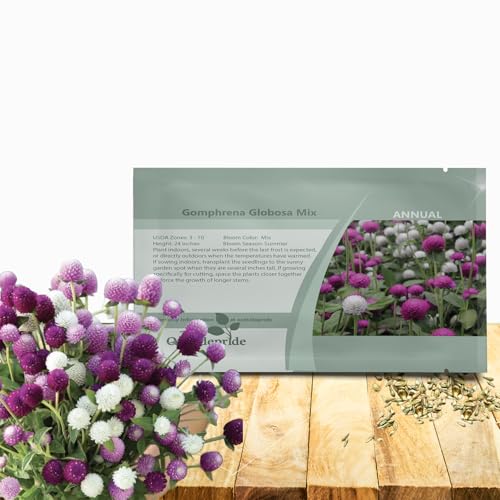
Outsidepride Mixed Gomphrena Seeds Globe Amaranth 1000 Pcs

Seed Needs Zinnia Seeds Orange King 5,000 Seeds Bulk Pack

Seed Needs Sunflower Seeds Sunset Mixture XL Pack

The Three Company Lantana 2 Pack Assorted Colors 1 Qt Pot

The Three Company Live Sunpatiens 3 Plants Per Pack 1 Quart Pot

SURVIVAL GARDEN SEEDS Cape Daisy Seeds White with Purple Eyes

NatureZ Edge Crazy Cosmos Seeds 2250 Count Annual Cut Flowers
More On The Choices That Made The List
Live plants skip the germination wait, and these orange New Guinea impatiens arrive already pushing toward that 12-inch mark in a quart pot. New Guinea impatiens are a sun-tolerant offshoot of classic impatiens, bred to handle brighter spots without collapsing by midsummer.
For gardeners who want color on the patio without fussing over seed-starting setups, the plug-and-play nature is the real draw. Each pack bundles three starter plants, and the listing ships two packs, so you have a six-plant cluster ready to anchor a container or a small border patch in a single afternoon.
Well-Handled Touches
- Heart-shaped orange petals bring a warm, sunset-leaning tone to mixed plantings
- Arrives as live 12-inch-tall plugs, so you skip the seedling stage entirely
- Tolerates brighter light better than traditional impatiens, opening up sunnier bed options
- Low-maintenance routine suits gardeners who want color without daily attention
Points To Keep In Mind
- Listed as currently unavailable at time of writing, so check restock before planning around it
- Quart-pot size means the rootball is still developing, so handle gently during transplanting
Made For
Beginner gardeners or anyone wanting instant color in a small container without the seed-starting learning curve.
Consider Something Else When
You’d rather scatter seeds across a wide bed; the Fruivity Wildflower Seeds Bulk pack covers more ground for less per square foot.
Scatter-style wildflower mixes work best when you want volume and variety without choosing every variety yourself. This 1.06-ounce packet claims more than 10,000 seeds across 21 different flower types, blending annuals and perennials into a single sowing.
The hummingbird and butterfly angle means the mix leans heavily on nectar-rich species, which doubles down on pollinator appeal. For a homeowner staring at a wide, sunny patch of bare soil, this kind of broad-spectrum sowing fills in fast without the cost of buying ten separate packets.
Features That Help
- 21-variety blend covers reds, oranges, yellows, blues, pinks, and purples in one packet
- Suitable for all USDA zones, so you can sow the same mix in most backyards
- Bulk 10,000+ count handles larger beds without running short mid-project
- Nectar-heavy selections pull in bees, butterflies, and hummingbirds through the warm months
Room For Improvement
- Mixed packets produce unpredictable color balance; you can’t choose a specific palette
- Some seeds in the blend may sprout earlier or later than others, creating uneven coverage at first
Key Specs
Who Will Love This
Homeowners with a wide sunny patch who want a pollinator-friendly meadow without buying multiple seed packets.
Look Elsewhere When
You want uniform, single-color drifts; the Seed Needs Zinnia Seeds Orange King pack gives a coordinated orange sweep instead.
Cleome, sometimes called spider flower, brings a tall, airy structure that most full sun annual flowers can’t match. Cleome hassleriana grows 3 to 5 feet tall, with palmate leaves and spidery blooms in pink, purple, or white, giving a layered look other bedding plants rarely deliver.
Two packs in a single listing doubles the seed stock without much added cost, useful when you want a thick screen along a fence or behind shorter border plants. The whisker-like stamens make each flower head look like it’s in motion, which is part of why gardeners keep coming back to it for vertical interest.
What Earns Its Place
- Grows 3 to 5 feet tall, adding back-of-border height that low annuals can’t provide
- Spidery blooms in pink, purple, or white bring unusual texture to standard flower beds
- Blooms continuously from early summer until frost in most regions
- Attracts bees, butterflies, and hummingbirds with its airy floral display
A Few Limitations
- Stems carry a slightly sticky texture and a musky scent that some gardeners find off-putting
- Tall plants may need staking in exposed spots to prevent summer storms from flopping them
Best Suited To
Gardeners who want a tall, structural annual for the back of a sunny border or along a fence line.
A Better Fit Elsewhere
You’d rather have a compact container plant; the The Three Company Live Sunpatiens stays in a tighter 36-inch footprint.
Gomphrena globosa, better known as globe amaranth, earns its spot on any full-sun list because it shrugs off heat and dry spells that flatten fussier bloomers. The round, pom-pom flower heads hold their shape and color long after cutting, which is why florists and crafters reach for them.
One thousand seeds is plenty for a sizable bed, and the mixed colors keep the planting from looking like a monoculture. In zones where summer humidity and heat push other annuals into survival mode, gomphrena tends to keep pushing out fresh blooms until frost.
What Stands Out
- Heat- and drought-tolerant, making it a low-stress option for hot southern summers
- Pom-pom blooms retain color and shape when dried, extending use into wreaths and arrangements
- Suitable across USDA zones 3 through 10, covering most U.S. climates
- Round flower heads add geometric contrast among spiky and daisy-style blooms
Worth Noting
- Smaller individual blooms mean mass planting works better than scattered single stems
- Some gardeners find the stiff stems less elegant for loose, garden-style bouquets
Quick Facts
Right Fit For
Hot-climate gardeners and crafters who want long-lasting cut or dried flowers from a low-water annual.
Swap It Out When
You’re after tall vertical interest; Seed Needs Cleome Seeds reach 3 to 5 feet for the back of the border.
Zinnias are a staple for full sun annual flowers, and Orange King is one of the most saturated color picks in the category. Fully double, pompom-shaped heads packed with layered petals give each bloom a dense, almost sculpted look that holds up in arrangements.
Fast-blooming is the real selling point, since gardeners in shorter growing seasons need flowers that hit their stride quickly. Five thousand seeds in a single bulk pack makes this a cost-effective way to fill a cutting garden, and zinnias reward regular snipping with even more blooms.
Everyday Wins
- Highly saturated orange blooms create strong visual focal points in mixed beds
- Fast-blooming habit suits regions with shorter frost-free windows
- 5,000-seed bulk pack supports cutting gardens and succession planting
- Regular cutting encourages continued blooming through the warm months
Trade Offs
- Single-color focus means you may need a second variety for color variety
- Zinnias can develop powdery mildew in humid climates without good air circulation
Whose Shelf It Belongs On
Cutting-garden enthusiasts who want a vivid, dependable orange annual they can snip freely all season.
Reach For A Different Pick When
You need a softer pastel or white companion; SURVIVAL GARDEN SEEDS Cape Daisy Seeds bring cool white petals with a purple eye to balance the heat of orange.
Sunflowers are the most obvious full-sun annual flowers, and this Sunset Mixture leans into warm reds, oranges, and yellows that read as a single coordinated palette. Helianthus annuus grows easily from direct sowing, so this works for gardeners who prefer to skip indoor seed-starting.
Large composite heads (the classic sunflower disk made up of many tiny florets) feed bees and other pollinators, while the colorful ray petals pull in butterflies. The XL pack size suits anyone planting a long row along a fence, a back-of-property line, or a dedicated cutting patch.
What Makes Sense
- Sunset color palette (red, orange, yellow) reads as one cohesive scheme rather than mixed tones
- Direct-sow friendly for gardeners without indoor grow-light setups
- Large heads support bees, butterflies, and other beneficial insects
- Tall plants double as a seasonal privacy screen along fences or property edges
Honest Caveats
- Staking may be needed in windy spots once the heavy heads develop
- Spent heads drop seeds that can attract rodents if left standing in fall
Perfect Match For
Homeowners wanting a tall, pollinator-friendly screen or a long row of cut flowers along a sunny boundary.
Not Your Match When
You only have a small balcony or patio; the The Three Company Lantana 2 Pack fits a tighter footprint at 12 to 14 inches tall.
Lantana handles the toughest part of summer, those long stretches of heat and dry soil that knock out other bloomers. The tubular individual flowers inside each cluster are perfectly shaped for hummingbird beaks and butterfly legs, which is why lantana reliably pulls in pollinators when other plants sit untouched.
Starting at 8 inches tall in the quart pot, these plants will spread to 1 to 2 feet wide and reach 12 to 14 inches tall by midsummer. Two starter plants in a single listing give you enough material to anchor a small bed or a pair of large containers without buying a full flat.
A Strong Showing
- Tubular flower shape specifically attracts hummingbirds and butterflies
- Deep, infrequent watering (every 1 to 2 weeks) suits low-maintenance gardeners
- Thrives in full sun with moist, well-draining soil and organic matter
- Sprawling 1- to 2-foot spread covers ground quickly in sunny beds
Possible Compromises
- Woody stems with a sprawling habit may need occasional shaping to stay tidy
- Deep watering schedule means the topsoil looks dry between sessions, which can confuse new gardeners
Feature Snapshot
Built With In Mind
Pollinator-focused gardeners who want a low-water annual that draws hummingbirds and butterflies from a sunny bed or container.
Another Choice May Suit
You want a meadow-style sowing across a wide area; NatureZ Edge Crazy Cosmos Seeds are easier to broadcast at scale.
Sunpatiens are a hybrid form of New Guinea impatiens, bred to handle the bright sun that traditional impatiens can’t. That’s the key reason this pick earns a place here: it gives the familiar impatiens look in spots where classic varieties would scorch and stall.
Three starter plants per pack arrive in a 1-quart pot, and once established, they reach roughly 36 inches tall with an equal spread. For a wide container or a substantial front-of-border sweep, that 3-foot mature footprint fills space faster than most other full sun annual flowers on the list.
Points In Its Favor
- Full-sun performance solves the classic impatiens shade-only problem
- Mature size of about 36 inches tall and wide fills large containers quickly
- Watering tapers off after the establishment period, only when soil feels dry
- Vibrant assorted colors add bright, saturated tones to summer planting schemes
Where It May Fall Short
- Daily watering for the first couple of weeks after planting adds to early-season workload
- Larger mature size may overwhelm smaller containers or tight edging spots
Who Should Grab It
Gardeners who love the impatiens look but have a sunny patio or border where the original can’t survive.
Where A Sibling Pick Shines
You want a smaller, lower-water plant; The Three Company Lantana 2 Pack stays more compact and tolerates drier soil once established.
Cape daisy (Osteospermum ecklonis) breaks up the warm-color dominance on this list with crisp white petals around a bold purple eye. That high-contrast look does a lot of work in beds that already lean heavy on reds, oranges, and yellows from other picks.
Sown in full sun, this African native blooms from late spring through fall in most regions, giving one of the longer display windows among full sun annual flowers. The daisy form is familiar enough to fit traditional cottage-style gardens while still feeling fresh.
Advantages To Know
- White-and-purple color combo cools down warm-heavy beds
- Long bloom window from late spring through fall extends seasonal color
- Daisy form is approachable and fits traditional garden styles
- Full-sun performance suits the same beds as zinnias and sunflowers
Less Ideal Details
- White petals can show weather damage and dirt more visibly than darker blooms
- Single-pack quantity may be limiting for larger landscape plantings
At A Glance
Right Fit For
Designers looking for a cool-toned annual to balance warm zinnias, sunflowers, and other saturated picks on this list.
Skip It When
You want to skip seed-starting entirely; the The Three Company Live Sunpatiens arrive as established starter plants.
Cosmos are the closest thing to a guaranteed win among full sun annual flowers, since they sprout fast, bloom heavily, and tolerate imperfect soil. Made in the USA, this 15-gram pack contains 2,250 seeds, enough to scatter across a meaningful patch without much fuss.
The “throw and grow” framing suits first-time gardeners who want results without learning seed-starting protocols. Cosmos also work as cut flowers, since the more you cut, the more stems the plant sends up, an unusual trait that rewards regular harvesting.
Practical Advantages
- Throw-and-grow sowing suits gardeners without seed-starting equipment
- Cut-and-come-again habit produces more stems after each harvest
- 2,250-seed count handles broad sowing at a low per-square-foot cost
- Tolerates poor soil, making it friendly to new or unamended beds
Where It Is Less Suited
- Open, airy form may look sparse in formal or tightly planted designs
- Taller varieties can flop without support in exposed, windy locations
Feature Snapshot
Who It Suits Best
First-time seed starters and casual gardeners who want a forgiving annual that still produces armloads of cut flowers.
Not Your Match When
You want a structured, color-coordinated bed; the Seed Needs Zinnia Seeds Orange King pack delivers a tighter visual scheme.
What Matters Most Before Choosing Full Sun Annual Flowers
Light, Soil, And Water Reality
Match the plant to your actual sun, not the label on the packet alone. Six hours of direct light is the working definition of full sun, and south- or west-facing beds push past that into punishing afternoon heat that not every sun-lover tolerates equally. Well-draining soil matters more than rich soil for most picks here, since soggy roots do more damage than lean nutrition.
Live Plants Versus Seed Packets
Live starter plants cost more per square foot but skip the germination gamble, which makes sense for small containers or short growing seasons. Seed packets scale better for larger beds and let you direct-sow varieties that dislike transplanting, like cosmos and sunflowers. The honest read is that most mixed borders do best with both, live plants for instant anchors and seed packets for filling in behind them.
Height, Spread, And Layering
Taller picks like cleome and sunflowers belong at the back of a bed or along a fence, where they won’t shade shorter neighbors. Mid-height options like zinnias and gomphrena handle middle rows, and compact picks like lantana and Cape daisy edge the front. Sorting by mature height before you plant avoids the common midseason shuffle of digging up and re-homing sun-blocked plants.
Pollinator And Cut-Flower Goals
If the goal is feeding bees and hummingbirds, tubular flowers (lantana), spidery forms (cleome), and large composite heads (sunflowers) deliver the most nectar. For cut-flower use, look for long stems, sturdy petals, and a cut-and-come-again habit. Zinnias, cosmos, and gomphrena check all three boxes, which is why they show up in cutting gardens again and again.
Key Considerations Across These Picks
Common Shopping Slip Ups
Buying for the bed you wish you had instead of the bed you actually have leads to the most midseason disappointment. Cosmos and zinnias in heavy clay without drainage work won’t behave the way the seed packet implies, and sun-loving lantana in a shady corner will flower sparsely at best. A quick audit of your sun hours, soil texture, and typical summer rainfall saves more plants than any single product choice.
What The Higher Tier Buys
Bulk seed counts (like 5,000 zinnia or 10,000 wildflower seeds) cost more up front but drop the per-square-foot price sharply for larger projects. Live starter packs from specialty growers usually arrive in better condition with stronger root systems, which translates to faster establishment and less replacement. The upgrade is worth it when you have a visible front-yard bed, less so for a back-corner patch you barely see.
