

Picking shrubs for a sun-soaked yard feels easy until the first heat wave rolls through and half your new plants crisp at the edges. Full sun gardens punish anything that wilts under pressure, and most folks end up replacing the same hedge twice before landing on the right one. This roundup focuses on shrubs that genuinely thrive with six or more hours of direct light, from compact ornamentals to tall butterfly magnets and even a drought-hardy sage that shrugs off dry summers. You’ll find established two-gallon starter plants for instant landscape impact, bare-root classics for patient gardeners, and seed packets for anyone who wants to grow an entire pollinator border on a tight budget. The goal: match the shrub to your soil, your zone, and the time you actually have to care for it.
A Snapshot Of The Selections

Southern Living 2 Gal. Obsession Nandina Shrub

Proven Winners Blue Chiffon Rose of Sharon

American Plant Exchange Dipladenia Bush White 6-Inch
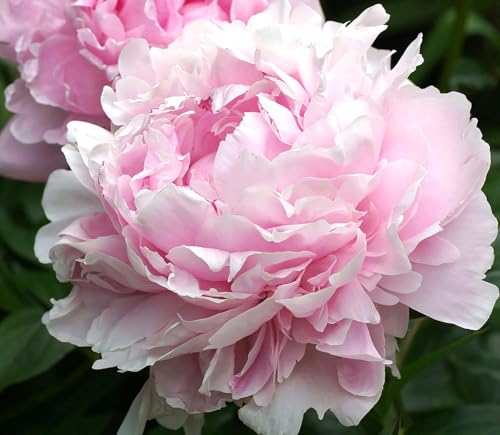
Marde Ross Sarah Bernhardt Pink Peony Bare Root

Proven Winners Pugster Amethyst Buddleia Shrub
Cheryl’s Unique Blue Fescue Ornamental Grass Seeds

Outsidepride Butterfly Bush Mix Seeds 100 Pcs.
Greenwood Nursery Grand Cascade Butterfly Bush

Proven Winners Double Play Doozie Spirea

Plants for Pets Silverado Texas Sage 1G
What Each Pick Brings To The Table
For gardeners who want structure without the constant trimming, the Southern Living Obsession Nandina lands at the top of the list. It arrives as a two-gallon nursery pot, already shaped and bushy, so the first season looks more like year three. The signature trait is the foliage: it shifts from fresh green in spring to deep red in fall and keeps color through mild winters, which makes it a rare full-sun shrub that pulls double duty in every season.
It’s rated for USDA zones 6 through 10, handles reflected heat near a south-facing wall, and tolerates the part-shade corners where you tuck it between taller plants. Most folks plant these in matching pairs to flank an entryway or step them down a foundation bed. Compared with the larger Blue Chiffon Hibiscus covered next, this one stays compact and tidy rather than reaching for the sky.
Everyday Perks
- Keeps its colorful foliage year-round, including through mild winters in zone 6
- Tolerates full sun and part shade, which is rare for an evergreen in this color range
- Stays low enough to skip shearing for most homeowners, saving weekend yard time
- Thrives across zones 6 through 10, so a wide swath of the country can grow it
Points To Note
- New transplants need consistent watering for the first season before they toughen up
- Color shifts with the seasons, so expect green in summer rather than constant red
Who It Suits Best
Homeowners who want a tidy, evergreen anchor at the front of a foundation bed and don’t want to prune it twice a year.
Look Elsewhere When
You need a tall, showy flower display, in which case the Blue Chiffon Rose of Sharon gives you height and blooms instead of steady foliage color.
The Blue Chiffon Rose of Sharon is the heavyweight on the list, and it earns that place on pure vertical reach. Mature size stretches to 96-144 inches tall and 48-72 inches wide, which is a polite way of saying it functions as a small tree if you let it. The double blue flowers with their lacy centers show up in late summer, when most shrubs are winding down, giving a yard one more color push before fall.
It’s hardy in zones 5 through 9, so cold-winter gardeners in the Midwest and Northeast can grow it without babying the roots. Think of it as the privacy-hedge option in this lineup, where the Obsession Nandina is more of a foundation accent. Plant a row along a fence line and you’ll have blooms at eye level by the second year.
Where It Helps
- Reaches 8 to 12 feet tall, which creates a real screen along a property line
- Produces ruffled blue blooms in late summer, extending color past the main season
- Handles zones 5 through 9, so it survives cold winters as well as hot southern summers
Trade Offs
- Deciduous, so you lose the leafy barrier in winter when neighbors can see straight through
- Needs annual shaping to keep it from getting leggy at the base
- Late to leaf out in spring, which can look like the plant didn’t make it through winter
Made For
Anyone who wants a tall flowering screen and has the space for a shrub that matures well over head height.
Skip It When
You need a low, mounding plant for the front of a bed, in which case the Double Play Doozie Spirea stays compact and still delivers strong color.
The white-flowered Dipladenia from American Plant Exchange is the patio pick of the group, and that’s exactly where it shines. It ships in a 6-inch pot, has a compact bushy habit, and produces trumpet-shaped white blooms that keep coming in warm weather. Where the Obsession Nandina is built for a foundation bed, this one is built for the corner of a balcony or a sunny front step.
It works indoors or outdoors, and hummingbirds and butterflies show up fast in a sunny window. The glossy green foliage holds up to summer heat, and you can train the vine on a small trellis in a pot. It needs warmth, so northern gardeners will treat it as a season-long container plant and bring it inside when nights drop below 50.
A Few Strong Suits
- Continuous warm-season blooms mean a steady show from spring into early fall
- Compact habit fits a 6-inch pot, which is great for apartment patios and tight entryways
- Glossy green foliage looks clean even when flowers rest between flushes
- Pulls in hummingbirds and butterflies in a single afternoon, based on the pollinator-friendly profile
A Few Limitations
- Tropical nature means cold winters will kill it outdoors, so plan to overwinter it inside in cold zones
- Vine-like growth needs a small support or regular pinching to keep a tidy shape
Right Fit For
Patio gardeners and apartment dwellers who want a showy, low-fuss container shrub in a sunny corner.
Swap It Out When
You need a hardy landscape shrub you can leave out all year, in which case the Silverado Texas Sage handles cold-zone and dry-summer beds without the indoor shuffle.
The Sarah Bernhardt peony is the slow-burn heirloom on this list, and you plant it once and enjoy it for decades. It arrives as a bare-root division with three to five eyes, which is the standard way peonies ship, and it settles into full sun beds without complaint. The double pink blooms are heavy and fragrant, and the foliage stays tidy long after the flowers fade, so the plant still earns its space in mid-summer.
It is patient, though, and that’s the trade most gardeners underestimate. Year one is mostly root-building with a few modest stems, and the real show typically starts in year two or three. Marde Ross & Company has been a licensed California nursery for decades, so the source here is well established. Plant it once in well-drained soil and resist the urge to move it.
Everyday Wins
- Long-lived perennial that can flower for decades in the same spot
- Fragrant double pink blooms work beautifully as cut flowers for indoor arrangements
- Large 3-5 eye bare root establishes faster than smaller divisions often do
Honest Caveats
- Bare root can look uninspiring at arrival, so don’t panic when the box looks empty
- Blooms arrive in year two or three, so it’s not a fast-gratification plant
- Heavy flowers may need staking in spring rains
Who Should Grab It
Patient gardeners and anyone who wants a long-lived cottage-garden classic rather than a quick container show.
Reach For A Different Pick When
You want color in the first season from a container, in which case the Dipladenia Bush starts blooming right out of the pot.
The Pugster Amethyst buddleia is the answer for small gardens that still want pollinator drama. The Pugster line stays compact, so it doesn’t sprawl the way classic butterfly bushes can, but the blooms are full-sized and fragrant. It is hardy in zones 5 through 10, which makes it one of the more flexible Buddleia options on the market, and it pulls in both butterflies and hummingbirds through the warm months.
One practical thing to know: this plant may ship dormant when ordered between mid-fall and mid-spring, so bare stems in early spring are normal, not a sign of a dead plant. Compared with the larger Grand Cascade Buddleia covered later, this one stays tight enough to drop into a border without dominating the bed.
The Case For It
- Full-sized purple blooms on a compact frame that fits smaller beds and tight corners
- Strong pollinator appeal, drawing in butterflies and hummingbirds through the warm season
- Survives across zones 5 through 10, handling both cold winters and hot southern summers
Some Limits To Know
- Deciduous, so it drops its leaves in winter and looks bare until late spring
- May ship dormant outside the active growing season, which can confuse first-time owners
- Needs regular deadheading through summer to keep the bloom cycle strong
Best Suited To
Pollinator gardeners with limited space who want a compact, full-sun shrub that punches above its weight for butterflies.
Consider Something Else When
You want a tall cascade of flowers for a focal-point backdrop, in which case the Grand Cascade Butterfly Bush gives you length and vertical drama.
Blue fescue is technically an ornamental grass, but it functions like a low mounding shrub in the landscape, and the seed packet from Cheryl’s Unique Flower Seeds makes it affordable to cover real ground. You get 50-plus seeds, which is plenty for edging a long border or filling a rocky corner. The blue-green clumps mature to about 10-12 inches tall, and the color actually intensifies in drier conditions, so forgetful waterers are rewarded here.
It accepts full sun or part shade, which is unusual for a grass that prefers well-drained soil, and it stays semi-evergreen through mild winters. Think of it as the cooling visual counterpoint to the bright reds of the Obsession Nandina covered earlier. Plant it in masses for the best effect, since single clumps can look like tufts of weeds without a crowd behind them.
A Strong Showing
- Drought tolerant once established, so it suits low-water and xeriscape gardens
- Stays small at 10-12 inches, making it a clean front-of-bed edger
- Accepts both full sun and partial shade, so placement is flexible
- Stays green through winter in mild climates, providing structure year-round
Worth Bearing In Mind
- Needs an annual early-spring cut back to about 2 inches to refresh the clump
- Starts from seed, so expect a slower first year compared with potted plants
The Right Fit
Gardeners who want a budget-friendly, drought-tolerant edging plant and don’t mind the wait for a seed-grown display.
Where Another Pick Suits Better
You want immediate visual impact in a container, in which case the Pugster Amethyst Buddleia arrives as a two-gallon pot and blooms faster.
The Outsidepride butterfly bush mix is the budget option, and it’s a smart pick for gardeners willing to start from seed. You get 100 seeds in a mixed-color packet, so the eventual border reads more like a wildflower meadow than a uniform hedge. The plant is a perennial, drought-tolerant once established, and aromatic in bloom, which is the trifecta for low-maintenance pollinator beds.
It grows tall in the right conditions, so plan a back-of-border spot rather than the front of a tidy bed. The trade-off is patience: like most seed-grown shrubs, it takes a season or two to hit its stride. Compared with the live Pugster Amethyst reviewed earlier, this one gives you more plants for less money, but you trade instant landscape impact for that price.
Points In Its Favor
- 100 seeds per packet covers a meaningful area for a low cost
- Mixed colors create a more natural, layered pollinator planting
- Drought tolerant and low maintenance once the plants establish
Room For Improvement
- Seed-grown shrubs take longer to reach mature bloom size than potted plants
- Germination can be uneven, so you may need to overseed and thin later
- Tall mixed planting looks messy in a small, formal bed
Who Will Love This
Patient gardeners on a budget who want to fill a large area with pollinator-friendly shrubs from seed.
Not Your Match When
You want a structured, predictable look in year one, in which case the Double Play Doozie Spirea ships shaped and blooming in a two-gallon pot.
The Grand Cascade butterfly bush from Greenwood Nursery is the showpiece of the bunch. The flower panicles are noticeably long, soft lavender-purple, and they cascade down rather than standing upright, which gives the shrub a fountain-like shape through the bloom season. It arrives as two pint-sized pots, so you get matched planting material for a symmetrical corner display.
It blooms when many other buddleia varieties are winding down, which extends the pollinator season in a yard that already includes the Pugster Amethyst covered earlier. Give it room to spread, since the cascading habit needs space, and plant it where you can see it from a window. Hummingbirds and butterflies find it fast, and the flowers keep coming into fall.
Where It Delivers
- Long cascading flower panicles create a distinctive fountain shape in bloom
- Continues flowering later in the season than many other buddleia varieties
- Strong pollinator appeal, pulling in hummingbirds and butterflies reliably
What To Weigh
- Plants ship in pint pots, so the first year is establishment rather than full display
- Cascading habit needs space and doesn’t suit tight foundation beds
Perfect Match For
Gardeners who want a focal-point shrub with extended bloom time and have the space to let the cascading form breathe.
Another Choice May Suit
You have a small front bed and need a tidy mounding habit, in which case the Pugster Amethyst Buddleia keeps a tighter footprint.
The Double Play Doozie spirea earns its place as the reblooming workhorse on the list. Unlike older spirea varieties that finish a single bloom cycle and call it a season, this one keeps pushing new flowers through the warm months, and it does it without producing seed, which means no rogue seedlings popping up in the lawn. The mature size stays compact at 24-36 inches wide and tall, so it fits where larger shrubs would crowd.
It is hardy in zones 3 through 8, which makes it one of the most cold-tolerant shrubs in the entire lineup, and it accepts full sun to partial shade. Compared with the taller Blue Chiffon Rose of Sharon, this one is what you plant at ground level while the rose of Sharon handles the second story. Foliage color shifts through the season, which adds a quiet bonus to the bloom show.
Benefits That Matter
- Continuous rebloom through the warm season rather than a single short flush
- Seedless and non-invasive, so it stays where you plant it
- Survives zone 3 winters, so cold-climate gardeners can rely on it
- Compact 24-36 inch frame fits smaller foundation beds and tidy borders
Worth Noting
- Deciduous, so it loses its leaves in winter and shows bare stems until spring
- Light shaping helps maintain a rounded form, though it is not demanding
Whose Shelf It Belongs On
Cold-zone gardeners and anyone who wants a tidy, reblooming shrub for a foundation bed without the chore of deadheading.
A Better Fit Elsewhere
You want evergreen structure and red foliage, in which case the Obsession Nandina keeps color through mild winters.
The Silverado Texas sage from Plants for Pets rounds out the list as the low-water landscaping pick, and it has earned that spot honestly. The silvery grayish-green foliage and fuzzy texture handle reflected heat and dry summers without supplemental irrigation once established, and the reddish-violet flowers that show up in summer and fall draw hummingbirds and bees reliably. It ships in a one-gallon nursery pot, so it transplants cleanly into a decorative planter or a bed.
Cold hardiness is a real consideration, and gardeners in northern zones should treat it as a seasonal container plant or skip it in favor of the Double Play Doozie Spirea covered just before. In the right climate, though, this is a shrub you plant and mostly forget. The mounded, upright-spreading habit makes it a natural fit for a front porch or a hot border against a sun-baked wall.
What It Does Well
- Tolerates dry conditions once established, which suits southwestern and western yards
- Silvery foliage adds year-round texture and color even when not in bloom
- Summer and fall flowers pull in hummingbirds, butterflies, and bees
- Cold hardy enough for a wide range of climates when planted in well-drained soil
Some Limits To Know
- Less cold tolerant than northern-friendly picks on the list, so check your zone carefully
- Benefits from a decorative repot, since it ships in a basic nursery container
Built With In Mind
Hot, dry-region gardeners and anyone who wants a pollinator-friendly, water-wise shrub for a sunny front yard.
Where A Sibling Pick Shines
You garden in a cold northern zone and need winter survival, in which case the Double Play Doozie Spirea is the cold-hardy alternative.
What Matters Most Before Choosing Full Sun Bushes
Match the Plant to Your Hardiness Zone
Full sun is only half the story, and the USDA hardiness zone (a geographic region defined by its average minimum winter temperature) often decides whether a shrub thrives or dies back to the roots. The picks here span zones 3 through 10, but each one has a narrower comfort band. Planting a Silverado Texas sage in a zone 5 winter is asking for heartbreak, and a Double Play Doozie spirea in a zone 9 yard will sulk through the heat. Check your zone first, then narrow the list to what actually tolerates your lowest winter temperatures. Gardeners in zones 5-8 have the widest selection from this roundup, while very cold or very hot zones should anchor on a single hardy pick.
Size, Shape, and Long-Term Footprint
A two-gallon pot can hide a shrub that wants to reach 12 feet, and that surprise is what forces hard pruning or removal three years later. Read the mature dimensions, not the size at shipping, and picture the plant at full size next to the house, the fence, or the path. The Blue Chiffon Rose of Sharon needs room to climb, the Pugster Amethyst stays compact, and the Sarah Bernhardt peony spreads slowly but never retreats. Full sun also means more vigorous growth in most cases, so the mature footprint is usually the upper bound rather than the average. Plan for the size the plant wants, not the size you wish it had.
Watering Reality and Drought Tolerance
Full sun beds lose moisture fast, and a thirsty shrub is a chore by August. Match the plant to the water you actually have, whether that’s an irrigation system, a hose you drag around, or just rainfall. Blue fescue, Silverado Texas sage, and the Outsidepride butterfly bush mix all tolerate dry spells once established, which makes them honest picks for low-maintenance yards. The Dipladenia and the Sarah Bernhardt peony, by contrast, want steady moisture through the warm months. Be honest about your watering habits before choosing a thirsty option, because underwatered shrubs rarely recover their first-year vigor.
Bloom Time, Color, and Seasonal Interest
A shrub that flowers for two weeks in June is not the same value as one that blooms from spring through frost. Decide whether you want a single seasonal peak or steady color across the year, then match the bloom window to your existing garden. Late-summer pickers like the Blue Chiffon Rose of Sharon and the Grand Cascade butterfly bush fill the gap when early bloomers fade. For year-round structure, the Obsession Nandina keeps foliage color through mild winters, and Silverado sage holds silvery leaves in every season. Mixing two or three bloom windows across a bed is what gives a full-sun border continuous interest without a single bare week.
Smart Shopper Notes For These Picks
Common Shopping Slip Ups
The most common mistake is buying for the current size of the pot rather than the mature size of the plant, and a two-gallon nandina that looks tidy today can fill a four-foot foundation bed in three years. Another is ignoring chill hours and zone limits: a Silverado Texas sage ordered by a zone 5 gardener is a seasonal container at best. A third is treating seeds and potted plants as interchangeable: the Outsidepride butterfly bush mix and the Cheryl’s blue fescue seeds both need a season or two to hit their stride, while the Pugster Amethyst and Double Play Doozie spirea arrive ready to perform. Match the format to your patience and your planting calendar, and you’ll avoid the most common disappointment.
Why Top Tier Costs More
A two-gallon potted shrub from a brand like Proven Winners costs more than a packet of seeds because the grower has already done the slow work for you: rooting, hardening off, and shaping the plant for several months before it ships. You pay for that head start, the stronger root system, and the predictable first-year performance. A seed packet trades time and risk for a much lower cost per plant, which is the right call for filling a large area on a budget. The honest case for spending up is simple: potted shrubs give you reliable landscape impact in year one, while seeds reward patience with volume and variety. Decide which trade-off fits your timeline and your wallet before you click.
