

A sunny patch of yard is a gift once you know what to plant in it. The trouble is that “full sun” means different things to a dahlia, a moss rose, and a lavender bush, and a wrong guess shows up fast in wilted leaves or bare soil. Below are ten options that actually thrive when the light pours in, from seed packets for first-timers to shrubs that come back year after year. Pick the one that matches your soil, your patience level, and how much summer watering you really want to do.
A Quick View Of The Lineup

Willard & May Complete Flower Bulb Garden (75 Bulbs)

DouxiE 50 Teddy Bear Sunflower Seeds

VISTATU 10000+ Portulaca Moss Rose Seeds

Marde Ross Teddy Bear Sunflower Seeds (Giant)

Marde Ross Russell Lupine Seeds (100 Mixed)

ZEshops 50pcs Rare Strawberry Pink Sunflower Seeds
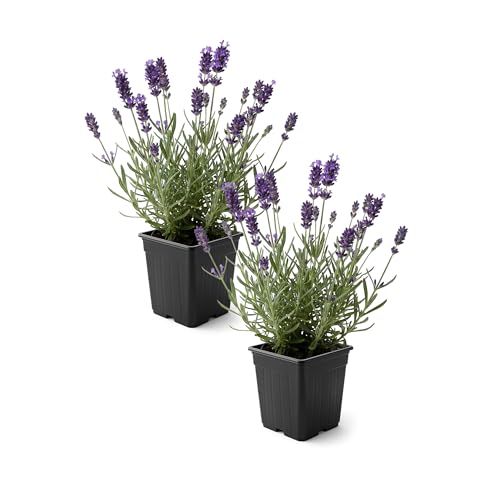
The Three Company Lavender (2 Pack)

Plants for Pets Multicolor Lantana (4 Pack)

The Three Company Sunpatiens (3 Plants Per Pack)

Proven Winners Double Play Doozie Spirea Shrub
The Picks, Examined More Closely
Planting a full bed of summer color from scratch can feel like a lot of decisions at once, and that’s the exact problem this Willard & May collection solves. The package bundles Tutti-Frutti gladiolus, harlequin flowers, stargazer lilies, mixed Asiatic lilies, and mixed calla lilies, so a single order covers most of the visual work a new gardener would otherwise research one bulb at a time.
You can plan a layered bed where gladiolus and lilies provide vertical interest and the smaller harlequin flowers fill in between. Light requirements are listed as full sun to partial shade, which gives a little forgiveness if one corner of the bed only gets six hours of direct light. Depending on your soil, you may need to loosen heavy clay with compost before planting, but the bulbs themselves don’t ask for anything unusual.
The Case For It
- Multiple varieties in one package, so you don’t have to choose between lilies and gladiolus at the checkout page
- Succession-friendly mix designed to carry color from July into early October
- Tolerates full sun or partial shade, useful for beds with shifting light through the day
- A natural fit for a first-time planter who wants a full look without buying from several different listings
Things To Consider
- Bulbs are a one-season investment compared to perennials like the Russell lupine covered later, so replanting is part of the deal each spring
- Total bulb count and exact ratios are fixed, which limits how much you can customize the color balance
Key Specs
Who It Suits Best
First-time bulb planters who want a generous, mixed display without the guesswork of choosing each variety separately.
Where Another Pick Suits Better
Gardeners committed to a low-maintenance perennial bed will find the Marde Ross & Company Russell Lupine Seeds a better long-term match.
Most people picture a towering sunflower stalk when they think of the flower, but the dwarf Teddy Bear variety flips that image on its head. DouxiE packs 50 seeds of a compact, double-petaled sunflower that produces soft, golden, almost fuzzy-looking heads without the seven-foot staking problem of standard types.
That’s why the listing markets it for containers, and the use case holds up. A few pots on a sunny apartment balcony, a small patio, or a front porch step can hold a full colony of these. They’re a smart pick for renters and apartment dwellers who can’t dig a traditional bed but still want that classic sunflower look at face level.
Strong Points
- Compact growth habit makes it genuinely container-friendly, unlike taller sunflower strains
- Double-petaled golden heads give a unique, plush texture compared to flat-petaled varieties
- 50 seeds in one pack is plenty to fill several medium pots with backup starts
Points To Note
- Container-grown plants dry out faster than in-ground beds, so daily watering may be needed in peak summer
- The shorter stature means less visual impact from across the yard, unlike the tall option reviewed next
Made For
Balcony gardeners and small-patio growers who want classic sunflower color without dedicating a back corner to a seven-foot plant.
Consider Something Else When
If you want a real height statement at the back of a border, the Marde Ross & Company Teddy Bear Sunflower Seeds (Giant) is the more dramatic sibling choice.
Portulaca, often called moss rose, is one of the rare annuals that actually prefers the punishing part of your yard over the cushy spots. VISTATU’s pack ships a large count of mixed-color seeds designed to spread as a low, mat-forming carpet that shrugs off heat and dry soil.
That makes it the go-to for the strip beside a hot driveway, the crack between stepping stones, or a south-facing slope where fussier flowers give up by July. Surface-sowing and pressing the seeds into the soil is the recommended method, and germination typically takes 10 to 14 days under warm conditions. For most hot, dry beds, this is a near-bulletproof option.
What Works In Its Favor
- Heat- and drought-tolerant once established, so a missed watering day won’t kill the show
- Low, spreading growth fills in gaps between pavers, along borders, or across rock gardens
- Mixed-color seed count is generous, ideal for large bare patches on a budget
Softer Spots
- Surface-sown seeds can wash away during heavy rain before they germinate, so timing matters
- Stays very short, so it functions as a carpet rather than a tall feature
Feature Snapshot
Best Suited To
Hot-climate gardeners who need a tough, low-growing carpet for dry, sunny, hard-to-plant corners.
Look Elsewhere When
If you want height and pollinator appeal in the same package, the Plants for Pets Multicolor Lantana is a better fit for that goal.
Where the DouxiE pack keeps teddy bear sunflowers knee-high, Marde Ross & Company takes the same fluffy double-bloom look and stretches it up to seven feet tall. The result is a sunflower that reads as a small shrub at full height, with the same dense, double-layered petals people love about the dwarf form.
That makes it a strong choice for the back row of a border, a fence line that needs softening, or anywhere you want a real vertical anchor. Marde Ross stores seed in temperature-controlled refrigeration, which the brand cites as a freshness practice, and the seeds are described as heirloom and grown in the USA. Staking is worth planning for in exposed beds, since tall stems catch summer wind.
Standout Benefits
- Up to 7 feet of height delivers real garden drama from a single plant
- Same soft, double-petaled texture as the dwarf teddy bear form, just scaled up
- Cut flowers hold their shape well, useful for late-summer arrangements
Worth Noting
- Tall stems may need staking in windy or exposed beds, which is a small added chore
- Heirloom seed germination rates vary, so sowing a few extra is wise
Perfect Match For
Growers who want the iconic sunflower silhouette at full height, especially along fence lines and the back of cottage borders.
Not Your Match When
Container-only setups will find the DouxiE dwarf teddy bear seed pack much easier to manage.
Russell lupines do something most sun-loving flowers don’t: they come back every year on increasingly tall, candle-like flower spikes. Marde Ross & Company’s pack ships roughly 100 mixed seeds, with mature plants reaching 36 to 48 inches and producing dense spikes of pea-like blooms in purple, pink, and blue.
Sowing in fall or early spring gives the seeds the cool, moist start they prefer, and germination typically runs 14 to 30 days. The brand’s California nursery roots matter for context, since Marde Ross has been in business since 1985 and stores seed in temperature-controlled refrigeration. Hardy in zones 3 through 9, the range covers a wide slice of North American climates.
Positive Points
- Perennial habit means a one-time planting returns color for several years
- Tall flower spikes add vertical structure to beds, similar to the giant sunflower but in a softer palette
- Wide hardiness range makes it viable across most temperate regions
Trade Offs
- Lupines want well-drained soil and a cooler start, so very hot or soggy beds are a mismatch
- Slow to establish from seed, so the first full bloom season may feel patient work
Spec Overview
Who Will Love This
Patient gardeners building a perennial cottage or meadow bed who want vertical color without replanting each spring.
A Better Fit Elsewhere
Anyone wanting fast same-season color will be happier with the Willard & May Complete Flower Bulb Garden, which blooms the year you plant.
If you grow sunflowers, your neighbors probably grow sunflowers. ZEshops tries to break that pattern with a 50-pack of strawberry-pink sunflower seeds, marketed as a rare, non-GMO heirloom variety with grow instructions included.
The pitch is novelty, and the soft pink-to-mauve tone does read differently from classic yellow heads. For cut-flower fans, party gardeners, and anyone curating a colorful cottage plot, that’s a real draw. Treat it as a fun complement to a yellow bed rather than the main event, since a full border of one unusual color can feel overpowering.
Practical Pluses
- Unusual pink-toned blooms give cut-flower arrangements a unique focal flower
- Non-GMO heirloom seed fits gardens where seed lineage matters
- Included grow instructions help less experienced seed starters
Some Limits To Know
- Color expression can vary plant to plant, so expect some surprise rather than uniform pink
- Unusual heirloom seeds sometimes germinate less reliably than mainstream strains
Whose Shelf It Belongs On
Collectors and gift-givers who want a conversation-starting sunflower in their plot, rather than a uniform color block.
Swap It Out When
If you need a tall, dependable, classic sunflower for a back border, the Marde Ross & Company giant teddy bear seed pack is the more reliable anchor.
Lavender is the one plant in this lineup that earns its place almost entirely through scent. The Three Company ships a two-pack of live, established starter plants in quart pots, sized about 10 inches tall by 5 inches wide at shipping, with mature heights typically reaching 18 to 24 inches in the garden.
That live-plant format matters. You’re skipping the germination gamble that comes with every seed pack on this list, and you get a head start on the year because the plant is already rooted. Lavender wants full sun and well-drained soil, and it thrives in a spot you’d otherwise forget to water, since dry roots are exactly what it prefers.
Where It Excels
- Aromatic foliage and blooms add a sensory layer that seed flowers can’t match
- Live starter plants skip the germination step, saving several weeks of growing time
- Drought-tolerant once established, making it low-maintenance in a sunny bed
Potential Drawbacks
- Plants arrive small, roughly 10 by 5 inches, so first-year bloom output is modest
- Lavender dislikes wet feet, and heavy clay soil needs amending before planting
Who Should Grab It
Sensory gardeners and pathway planters who want fragrance along a walkway without starting from seed.
Reach For A Different Pick When
Color variety from day one is the priority, in which case the Plants for Pets Multicolor Lantana delivers instant multi-hue impact.
Lantana is the flower that keeps paying you back all summer, and Plants for Pets ships a four-pack of live multicolor starts that hit the ground running. Flat, clustered blooms in mixed colors open from late spring well into fall, which is a long run for any live plant at this size.
The pollinator angle is the real hook. Hummingbirds, bees, and butterflies are drawn to those flat landing-pad flower heads, so the bed doubles as a small wildlife feature. Heat and drought tolerance come standard once the plants are established, making lantana a strong pick for the same hot, dry bed the portulaca covers.
The Helpful Details
- Live four-pack skips germination entirely and fills a bed faster than seed
- Extended bloom window from late spring through fall covers most of the warm season
- Heat- and drought-tolerant once established, so it’s forgiving in tough summer conditions
Where It May Fall Short
- Live plants need careful watering for the first couple of weeks after planting
- Some gardeners find lantana’s scent sharp, so a pathway placement may want a bit of distance
The Right Fit
Pollinator-friendly gardeners who want a low-maintenance, long-blooming bed of mixed color without the seed-starting phase.
Another Choice May Suit
For a single-color statement instead of multicolor, the Marde Ross & Company Russell Lupine Seeds deliver a more uniform look in a perennial habit.
Sunpatiens are the answer to a common complaint: regular impatiens melt in full sun, but these hybrids don’t. The Three Company ships a three-pack of grower’s-choice assorted colors in quart pots, about 10 inches tall by 6 inches wide at shipping, with mature plants reaching roughly 36 inches tall and wide.
That’s a useful size to know, because the listing’s ship dimensions undersell what you’ll see by midsummer. Plant them in well-draining soil and water daily for the first couple of weeks, then back off and only water when the soil feels dry. For most first-time flower beds, that’s a simple routine to follow.
The Value In It
- Sunpatiens are bred to handle full sun where classic impatiens would struggle
- Three-plant pack fills a small bed or grouping of containers in a single order
- Mature 36-inch spread creates a substantial visual block in one season
Honest Caveats
- Color is grower’s choice, so you don’t get to pick the specific shades
- Daily watering for the first two weeks is non-negotiable if you want the plants to establish well
Built With In Mind
Beginner-friendly flower bed builders who want sun-tolerant color without a complicated care routine.
Where A Sibling Pick Shines
Hot-climate beds will find the VISTATU Portulaca Moss Rose Seeds handle drought more gracefully once established.
Every other pick in this list is a seasonal flower. The Double Play Doozie spirea is something different: a 2-gallon live shrub that becomes a permanent fixture of the yard. Mature size runs 24 to 36 inches tall and wide, with full sun to partial shade tolerance and hardiness across USDA zones 3 to 8.
It’s deciduous, so expect foliage to drop in winter and fresh growth to push out in spring. The selling point is a long bloom window on a woody plant that doesn’t need replanting. For foundation plantings, low hedges, or anchoring the corner of a bed where you want structure year after year, a spirea is the kind of set-it-and-forget-it backbone that seed flowers can’t provide.
What Makes Sense
- Woody shrub structure gives the yard year-round presence, unlike annual seed flowers
- Hardy across a wide zone range, fitting most temperate North American climates
- Mature size stays compact, useful under windows or along walkways
Points To Keep In Mind
- Deciduous habit means a bare-looking shrub for part of the year, so plan placement accordingly
- Larger up-front investment than a seed packet, though the multi-year return offsets that over time
Quick Facts
Right Fit For
Homeowners laying out a long-term landscape plan who want a low-maintenance shrub anchor among their seasonal flowers.
Skip It When
Container-only gardening on a small balcony will be better served by the DouxiE dwarf teddy bear sunflower seed pack.
What To Weigh Before Picking Your Full Sun Flowers
Match The Plant To Your Light Hours
“Full sun” generally means six or more hours of direct light per day, but the middle of that range looks different from a tomato and a marigold. Track a typical summer day in your yard before ordering. If the bed gets eight hours of harsh afternoon sun, lean toward heat-lovers like VISTATU portulaca or Plants for Pets lantana. If the light is gentler or partly filtered, the Willard & May bulb mix’s full-sun-to-partial-shade tolerance is a safer bet.
Decide Annual Versus Perennial Early
Annual seed packs like the DouxiE and Marde Ross sunflower collections deliver color the same year, then they’re done. Perennials like the Marde Ross & Company Russell lupines and the Proven Winners spirea take longer to establish but come back for several years. Your patience level and how often you want to replant should drive the choice more than the initial cost.
Check Soil Drainage Before You Buy
Lavender, portulaca, and lantana all hate wet roots, while lupines and lilies tolerate richer, moisture-holding soil. Dig a small test hole and see how quickly water disappears after a soak. A clay-heavy yard that holds water for hours will need amendment for the drought-tolerant picks, while a sandy slope is ideal for them out of the box.
Plan Height, Color, And Bloom Timing Together
A bed with only one bloom window leaves you with bare soil for two-thirds of the year. The Willard & May bulb collection specifically spreads its bloom across July through October for that reason. Pair it with a perennial like the spirea for spring structure, and you’ll cover most of the calendar with color and form.
What Trips Up First-Time Buyers
Wrong Turns To Avoid
The most common slip is buying for the look on the seed packet rather than the conditions in the yard. A heat-loving pick like portulaca will sulk in a shady corner, and a delicate lavender will rot in heavy clay. Match the plant to the spot first, then pick the color. Another trap is assuming “perennial” means “no work,” since most still want one or two seasons to settle in before they hit their stride.
When Paying More Pays Off
Higher-tier picks in this category tend to offer live established plants instead of seeds, like The Three Company lavender and the Proven Winners spirea. That up-front cost buys you a head start of weeks or months, plus a clearer picture of what the plant will actually look like in your soil. For gardeners who hate the gamble of seed-starting, that premium is usually money well spent, especially on a single anchor plant for a new bed.
Frequently Asked Questions
What Counts As Full Sun For Flowers?
Full sun usually means at least six hours of direct, unfiltered sunlight per day, with most flowering plants preferring the higher end of that range. Afternoon sun tends to be more intense than morning sun, so a south-facing or west-facing bed typically qualifies.
Can Full Sun Flowers Survive A Heat Wave?
Several picks in this list are built for it. Portulaca, lantana, and lavender are all heat- and drought-tolerant once established, and they tend to keep blooming when fussier plants shut down. Young plants and seed starts need regular water during their first few weeks regardless of the variety.
How Often Should I Water Full Sun Flowers?
A loose rule is deep watering two to three times per week rather than light daily sprinkling, which encourages shallow roots. Container plants and seed starts dry out faster and may need daily attention, while drought-tolerant picks like portulaca often prefer to dry out between waterings.
Do I Need To Fertilize Full Sun Flowers?
Most flowering plants benefit from a balanced, slow-release fertilizer in spring, but over-fertilizing can produce leafy growth at the expense of blooms. Perennials like the Marde Ross lupines and the Proven Winners spirea typically do well with a single early-season feeding.
Can I Grow These Flowers In Containers?
Yes, several picks are container-friendly, including the DouxiE dwarf teddy bear sunflowers, The Three Company lavender in quart pots, and The Three Company sunpatiens. Match the container size to the mature spread, since a cramped pot will stunt growth and reduce bloom output.
Closing Remarks
Full sun is one of the easiest conditions to work with once you stop fighting it. Pick a plant that’s genuinely built for heat, give it the sun and drainage it actually wants, and a sunny bed becomes one of the lowest-effort features in your yard. The list above covers seed, live plant, annual, perennial, flower, and shrub options, so the real question is which profile fits your space, not whether full sun can work for you.
