

Anthracnose moves quietly through a garden, leaving dark sunken lesions on leaves, stems, and fruit just as the growing season gains momentum. Choosing the right fungicide early, before symptoms spread, often determines whether a tree, shrub, or lawn bounces back or spends the year fighting back. This guide walks through seven options that target anthracnose and similar fungal threats, with notes on which scenarios each one handles best.
The Essentials At A Glance
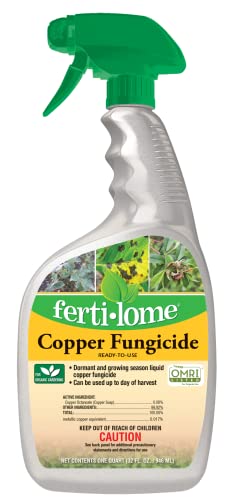
Fertilome Copper Fungicide Ready to Use 32 oz
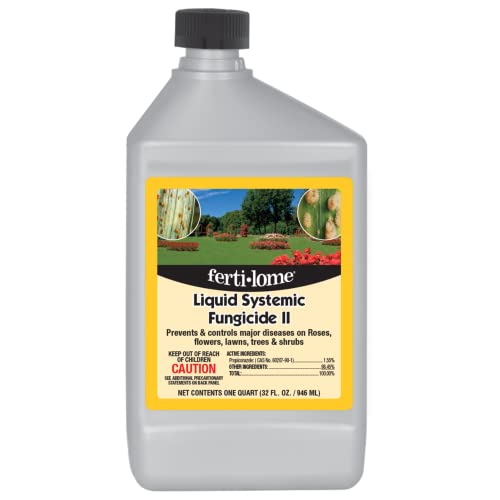
Fertilome Liquid Systemic Fungicide II 32 oz

Earth’s Ally Disease Control Concentrate 32 oz
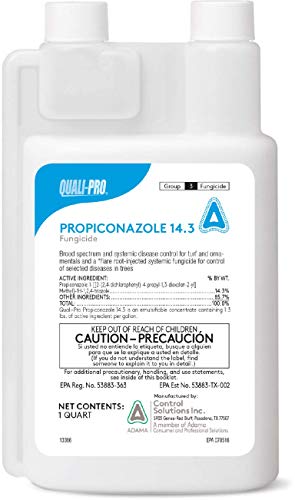
Quali-Pro Propiconazole 14.4 Fungicide 32 oz

Root 98 Warehouse Bio Fungicide Organic 8 oz

Smart Grower Mycorrhizal Fungi Root Enhancer 125 g

Atticus Gunner 14.3 MEC Propiconazole 32 oz
What Each Pick Brings To The Table
Copper-based fungicides have anchored garden sheds for decades, and this ready-to-spray bottle keeps the format simple. There’s no mixing, no measuring cups, and no guesswork on ratios. You point, spray, and move on. For someone managing a backyard rose bed or a small fruit tree, that kind of convenience matters more than chasing a stronger chemistry.
The label covers a wide range of common fungal problems, including anthracnose, blackspot, powdery mildew, and several blights. That broad coverage means you can stock one bottle for multiple plant types throughout the season. Compared to the concentrated mixes later in this list, the trade-off is price-per-ounce, but you save on the frustration of measuring.
The Upside
- No mixing required, ideal for casual gardeners who want a quick spray-and-go routine
- Broad label coverage handles anthracnose alongside blackspot, mildew, and rust
- Suitable for roses, vegetables, and fruit trees, reducing the need for multiple products
- Copper is a contact fungicide, so resistance buildup is less of a long-term concern
Things To Consider
- A 32-ounce ready-to-use bottle costs more per ounce than a concentrate, so large properties may burn through it quickly
- Copper can stain stone, concrete, and painted surfaces, so spraying near patios requires care
Key Product Details
Right Fit For
Home gardeners who want a single, low-fuss spray for roses, small fruit trees, and a vegetable patch without measuring concentrates.
Reach For A Different Pick When
Treat a large lawn and need broader coverage, where the Quali-Pro Propiconazole 14.4 Fungicide 32 oz will stretch further per dollar.
Systemic fungicides work differently from copper sprays. Rather than sitting on the leaf surface, the active ingredient moves into the plant’s vascular system, where it fights infection from the inside. That makes this concentrate useful when disease pressure runs high and weather conditions keep spraying inconvenient.
The 32-ounce bottle mixes with water and treats lawns, roses, flowers, and trees, which keeps one product doing duty across a varied property. A key term worth knowing: “systemic” means the plant absorbs the chemistry, so rain shortly after application is less likely to wash it away. Early-season application tends to give the cleanest results, before fungal colonies establish.
Standout Benefits
- Systemic action protects new growth as it emerges, not just leaves already sprayed
- One concentrate covers lawns, ornamentals, and trees, simplifying the shed shelf
- Mixes readily with water for use in standard pump or hose-end sprayers
Worth Noting
- Mixing ratios require attention, so a dedicated measuring cup and label reading are essential
- Systemic fungicides rotate best with a different chemistry to prevent pathogen resistance over seasons
Made For
Homeowners with mixed landscapes who prefer one concentrate bottle over several specialty sprays, and who don’t mind a small amount of prep work.
Skip It When
You want an organic approach for an edible garden, where Earth’s Ally Disease Control Concentrate 32 oz fits more comfortably.
Citric acid is the active ingredient here, which puts this concentrate in a different category than the copper and synthetic options above. For households where kids, pets, and edible crops share the same yard, that distinction matters. The formula treats and prevents common fungal issues without the harsher chemistry that prompts gloves and long re-entry windows.
Coverage includes powdery mildew, downy mildew, blight, canker, black spot, and leaf spot, which makes it a strong fit for a mixed vegetable and flower bed. You may find the preventive angle most useful: regular light applications during humid stretches tend to keep early anthracnose pressure from snowballing. The trade-off is potency on advanced infections, where the stronger synthetics pull ahead.
Positive Takeaways
- Citric acid base is gentle around vegetables, herbs, and pollinator-friendly plantings
- No harsh re-entry interval means you can let pets back outside shortly after spraying
- Works as both a treatment and a preventive, giving flexibility through the season
Points To Keep In Mind
- Less effective on severe, established infections compared to systemic or copper alternatives
- Concentrate format still requires mixing, though cleanup is simpler than synthetic concentrates
Feature Snapshot
Best Suited To
Edible gardens and family yards where minimizing synthetic chemistry around food crops and pets is a priority.
Look Elsewhere When
Your lawn is the main battleground, because the Quali-Pro Propiconazole 14.4 Fungicide 32 oz is built for turf-scale coverage.
Propiconazole is the same active ingredient trusted on golf courses and commercial landscapes, and Quali-Pro packages it in a microemulsion concentrate. The “microemulsion” part means the active ingredient is broken into very fine droplets, which mix cleanly with water and spread evenly across leaf surfaces. That matters when you’re spraying a large lawn and don’t want uneven coverage leaving patches of disease behind.
The locally systemic mode of action means the product moves into the plant tissue and stays active for an extended period, reducing the number of repeat sprays per season. For cool and warm season grasses, trees, shrubs, and flowers, the label covers a wide professional spectrum. Depending on your turf type, you may need to adjust expectations on how quickly visible symptoms fade after the first application.
A Few Highlights
- Broad-spectrum control for cool and warm season grasses, plus trees and shrubs
- Microemulsion formulation mixes easily and coats plant surfaces evenly
- Locally systemic activity extends protection between applications
- Compatible with many tank-mix partners for combined fertilizer-and-fungicide routines
Honest Caveats
- Synthetic chemistry means gloves, careful mixing, and respect for the label’s re-entry intervals
- Overuse on the same lawn year after year can encourage resistant fungal strains, so rotation is wise
Key Product Details
Whose Shelf It Belongs On
Homeowners with larger lawns or anyone managing multiple plant types who wants professional-grade chemistry without the commercial price tag.
Swap It Out When
Your garden leans organic and edible, in which case the Root 98 Warehouse Bio Fungicide Organic 8 oz aligns better with those values.
Biological fungicides take a different route than synthetic chemistry. Root 98 Warehouse uses Bacillus amyloliquefaciens strain D747, a beneficial bacterium that colonizes the plant surface and outcompetes fungal pathogens. The 98.85% concentration tells you the active organism is doing nearly all the work, with minimal inert fillers.
That biological approach earns the organic label and fits gardens where synthetic residues are a concern. The label covers vegetables, fruit trees, shrubs, lawns, flowers, and bedding plants, which keeps it useful across a diversified plot. Expect results to build gradually rather than knock down a fast-moving infection overnight, so timing matters: early preventive applications pay off more than late rescue sprays.
Real-World Strengths
- OMRI-style organic profile makes it a fit for vegetable beds, herbs, and fruit trees
- Works against a wide range of fungal and bacterial leaf diseases, plus damping off in seedlings
- Beneficial bacteria keep working as long as conditions support microbial life on the leaf
Small Caveats
- The 8-ounce bottle is small, so larger properties will need multiple containers per season
- Microbial activity is sensitive to UV and heat, meaning timing sprays to cooler parts of the day improves results
Perfect Match For
Organic gardeners and small-plot growers who want disease prevention without synthetic chemistry on their food crops.
Not Your Match When
A serious anthracnose outbreak needs fast knockdown, where the Atticus Gunner 14.3 MEC Propiconazole 32 oz acts more aggressively.
Mycorrhizal fungi don’t fight anthracnose directly. Instead, they form a symbiotic relationship with plant roots, extending the root system’s reach and improving nutrient and water uptake. Healthier plants resist disease pressure better, which is the indirect case for including a root inoculant in an integrated plan.
The five-strain blend offers more microbial diversity than single-strain products, and 100 spores per gram suggests a potent count. You apply it at planting or transplanting time, and it stays active in the soil for seasons. The honest read is that this works best as a complement to a foliar fungicide, not a replacement, especially during an active anthracnose flare-up.
Strong Points
- Five-strain blend provides broader microbial diversity than single-strain inoculants
- Treats approximately 125 plants, useful for new beds, containers, and transplant projects
- One-time application at planting sets up long-term root health across seasons
Trade Offs
- Does not treat active fungal infections directly, so it pairs with a foliar product during outbreaks
- Spore viability depends on storage conditions before application
Feature Rundown
Who Should Grab It
Garden starters and transplanters who want stronger root systems as a foundation for long-term disease resistance.
Where Another Pick Suits Better
Active anthracnose symptoms need faster intervention, where Earth’s Ally Disease Control Concentrate 32 oz treats the immediate problem.
Atticus Gunner shares the same active ingredient as the Quali-Pro pick earlier, propiconazole at 14.3%, but the microemulsion concentrate format is the defining feature. Microemulsion means the active ingredient is suspended in extremely fine droplets, which mix easily with water and spread evenly across large turf areas without leaving residue streaks.
For established lawns facing pressure from anthracnose, brown patch, dollar spot, and similar turf diseases, this formula targets the same spectrum trusted on golf courses. You may find the application window forgiving because locally systemic activity keeps working after the spray dries. The trade-off shows up in storage and handling: synthetic concentrates deserve a cool, dry spot away from kids and pets.
Practical Advantages
- Microemulsion concentrate mixes cleanly with no stubborn separation in the tank
- Broad-spectrum protection covers more than 20 listed turf and ornamental fungi
- Locally systemic action extends the protection interval between sprays
A Few Limitations
- Synthetic chemistry requires careful handling, mixing equipment, and respect for label intervals
- 32 ounces of concentrate goes a long way, so accurate measuring tools are necessary to avoid waste
Feature Overview
Who Will Love This
Homeowners with established lawns where disease pressure runs high and synthetic chemistry is acceptable for fast, reliable results.
Consider Something Else When
Your priority is an organic, family-friendly approach, in which case the Root 98 Warehouse Bio Fungicide Organic 8 oz serves that philosophy better.
What Matters Most Before Choosing a Fungicide for Anthracnose
Matching Chemistry to the Infection
Anthracnose shows up differently depending on the plant. On shade trees, it causes dark blotches along leaf veins. On turf, it forms irregular brown patches. Choosing a fungicide means knowing whether the infection is just starting or already widespread, and whether the plant is an ornamental or an edible. For early-stage or preventive use, contact products like the Fertilome copper spray work well. For more aggressive pressure, systemic concentrates step in. Always read the label to confirm anthracnose is on the list of diseases a product targets, because not every fungicide covers it.
Understanding Spray vs. Concentrate
Ready-to-spray bottles cost more per ounce but remove the measurement step entirely, which suits casual gardeners. Concentrates cost less per treatment but require accurate mixing and a dedicated sprayer. For a small rose bed, a ready-to-spray is convenient. For a half-acre lawn, a concentrate stretches the budget further, and the mixing effort pays off over a full season of treatments.
Considering the Surrounding Environment
Homes with curious pets, small children, or active vegetable gardens may benefit from gentler formulas like citric acid or biological options. Synthetic turf fungicides work powerfully but require attention to re-entry intervals and proper storage. The chemistry choice should match the household’s comfort level, not just the severity of the disease.
Planning for Resistance
Pathogens adapt. Using the same fungicide year after year, especially systemic chemistries, encourages resistant strains. Rotating between contact and systemic products, or between different active ingredients, keeps the long-term effectiveness of all options intact. Many experienced gardeners alternate between a copper spray in spring, a systemic in summer, and a biological in fall.
Key Considerations Across These Picks
Pitfalls Shoppers Hit
One common mistake is grabbing the first fungicide on the shelf without checking the label for anthracnose specifically. Many products handle powdery mildew or blackspot but don’t list anthracnose, so the spray does nothing for the actual problem. Another misstep is treating after symptoms have already spread widely, when preventive or early-stage applications are far more effective. Mixing errors also happen often: concentrates require accurate ratios, and eyeballing the dose can scorch foliage or waste product.
Where The Extra Money Goes
Premium-tier fungicides, like the Quali-Pro and Atticus propiconazole options, cost more because of their microemulsion formulation and broad-spectrum professional-grade coverage. That extra spend buys finer droplet size for better coverage, longer intervals between sprays, and compatibility with tank-mix programs. For a small rose bed, the upgrade rarely pays off. For a large lawn with recurring anthracnose pressure, the professional tier often saves money over a season by reducing the total number of treatments needed.
Frequently Asked Questions
What is anthracnose, and how do I know my plants have it?
Anthracnose is a group of fungal diseases that cause dark, sunken lesions on leaves, stems, and sometimes fruit. You can recognize it by irregular brown or black spots that often follow leaf veins, plus premature leaf drop during warm, wet weather. Confirming the diagnosis helps you pick the right fungicide, since similar-looking symptoms can have different causes.
Can I use the same fungicide on my lawn and my roses?
Many systemic fungicides list both turf and ornamentals on the label, so yes, you can use the same concentrate across both. The Fertilome Liquid Systemic Fungicide II is a good example. Always verify the plant type is listed before spraying, because application rates often differ between lawns and ornamentals even when the active ingredient is the same.
How often should I apply fungicide during an active outbreak?
Most fungicides suggest a 7 to 14 day interval between applications during active disease pressure. Applying more frequently than the label allows rarely improves results and can stress the plant. Preventive applications before symptoms appear, usually in early spring for anthracnose, work more effectively than rescue sprays after the fungus has spread.
Is it safe to use fungicides around vegetable gardens?
Synthetic systemic fungicides carry longer pre-harvest intervals and stricter handling rules, so they are not always ideal near food crops. Organic options like Earth’s Ally or Root 98 Warehouse Bio Fungicide are formulated with edible gardens in mind. Always check the label for the pre-harvest interval, which tells you how long to wait between spraying and harvesting.
When is the best time of year to start treating for anthracnose?
Preventive treatment in early spring, just as new growth begins, catches the fungus before it establishes. Treating during cool, wet stretches when spores spread most easily also helps. Once the disease has fully colonized the plant, fungicides slow the spread but rarely reverse the damage already done, so timing matters more than product strength.
Final Verdict
The right fungicide depends on your garden’s scale, your tolerance for synthetic chemistry, and how early you catch the problem. For most home gardeners, starting with a copper-based ready-to-spray or a gentle concentrate handles early-season prevention well. For larger properties or recurring outbreaks, a professional-grade propiconazole concentrate delivers more durable results. Pair any foliar treatment with healthy soil and you give your plants a stronger foundation to resist whatever the season brings.
