

Black rot can turn a promising grape harvest into a season of regrets, so choosing the right fungicide early matters. This roundup walks through eight options worth considering, from systemic concentrates to natural sprays, so you can match chemistry to your vineyard’s stage. Whether you manage a few backyard vines or a larger hobby planting, there’s a fit here.
The Leading Options At A Glance
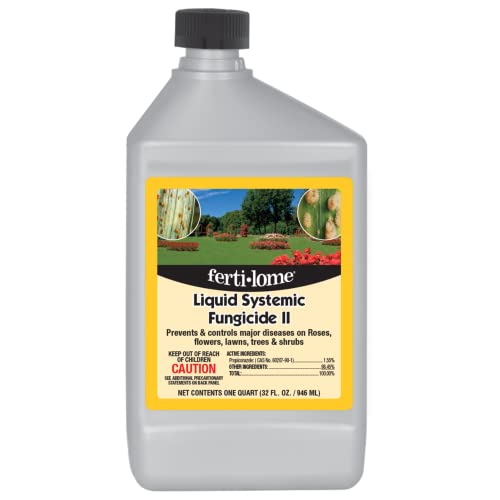
Fertilome Liquid Systemic Fungicide II Concentrate

Fertilome F-Stop Lawn and Garden Fungicide RTS

Earth’s Ally Disease Control Fungicide Concentrate
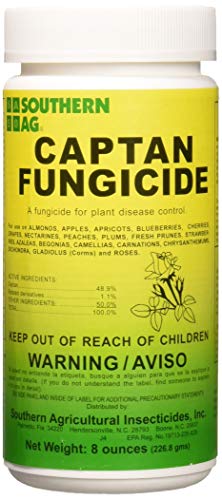
Southern Ag Captan Fungicide 8oz

Bonide Captain Jack’s Rose Rx 4-in-1 Insect & Disease Control

Bonide Fung-onil Multi-Purpose Fungicide Concentrate

Southern Ag Liquid Copper Fungicide, 1 Gallon

Atticus Gravex 20EW Fungicide
Why These Options Stand Out
Systemic fungicides differ from contact sprays because the plant absorbs the active ingredient and moves it through the vascular system, so new growth carries some protection too. Fertilome’s Liquid Systemic Fungicide II comes as a 32-ounce concentrate designed to mix with water and apply early in the growing season, which lines up with the timing most extension services recommend for black rot prevention.
You measure, mix, and spray, so this fits growers who already own a pump sprayer and don’t mind a small prep step. Compared with the ready-to-spray Fertilome option later in this list, the trade-off is more effort in exchange for a larger batch and stronger per-dollar coverage. For most home vineyards with a handful of vines, that trade reads as fair.
Practical Advantages
- Internal uptake means rain shortly after spraying is less likely to wash protection away.
- Concentrate format stretches further per dollar for multi-vine plantings.
- Broad label covers fungal diseases beyond just black rot.
- Works on ornamentals too, so a single bottle handles mixed beds.
Worth Noting
- Mixing ratios must be measured carefully, and a sloppy dilution reduces effectiveness.
- Concentrate requires dedicated storage away from pets and children.
Who It Suits Best
Vineyard-minded growers applying early-season sprays with a pump sprayer and some chemistry comfort.
Consider Something Else When
Switch to the Fertilome F-Stop RTS if measuring concentrates feels like a hassle and you only spray a few vines per season.
When black rot prevention is one task on a long weekend list, the last thing you want is measuring cups and empty sprayers. Fertilome’s F-Stop ships in a 32-ounce ready-to-spray bottle that hooks up to a hose and lays down coverage without any pre-mixing. You point, spray, and put it away.
The trade-off is contact protection rather than systemic uptake, so coverage on the undersides of leaves and tight clusters matters more here. Reapplication after heavy rain is the practical rhythm. Compared with the systemic Fertilome option that opens this list, F-Stop asks for less of your time and gives up some rainfastness.
Useful Touches
- Pre-mixed bottle eliminates measuring errors and the need for a separate sprayer.
- Hose-end design reaches tall grape canopies without ladder work.
- Labeled for fruits, vegetables, and ornamentals, so one bottle covers mixed beds.
Trade Offs
- Contact-only action means a missed leaf surface is an unprotected leaf surface.
- Each 32-ounce bottle covers a smaller footprint than a comparable concentrate batch.
Made For
Casual grape growers with a few vines who want fast, low-fuss spray sessions and no chemistry homework.
Look Elsewhere When
Move to the Atticus Gravex 20EW if you’re already past prevention and need a curative option to slow an active outbreak.
For grape growers who also keep edible beds nearby, the active ingredient matters as much as the disease list. Earth’s Ally uses citric acid as its core, which keeps the formula friendlier around people, pets, and the surrounding soil life. You mix the concentrate with water in your own sprayer, and the same bottle handles multiple disease targets including powdery mildew, downy mildew, and leaf spot.
The honest read is that citric acid-based products work best as a preventive layer rather than a knockdown. They pair well with cultural practices like pruning airflow and removing mummified fruit. Stacked with those habits, this concentrate earns its place in a small vineyard rotation.
What Earns Its Place
- Citric acid base avoids the harsher residues of synthetic fungicides.
- Multi-disease label means one bottle covers powdery and downy mildew alongside black rot prevention.
- Concentrate format scales from a single vine to a backyard trellis.
Honest Caveats
- Coverage requires diligent reapplication during wet stretches.
- Less aggressive curative power compared with synthetic options like Gravex 20EW.
- Mixing and application still requires a dedicated sprayer and basic measurement.
Best Suited To
Growers prioritizing gentler chemistry in family gardens where kids, pets, or edibles share the same yard.
Reach For A Different Pick When
Step up to the Southern Ag Captan or Atticus Gravex 20EW once disease pressure intensifies beyond preventive care.
Captan is one of the long-standing workhorses in grape disease management, and Southern Ag’s 8-ounce bottle packages it as a wettable powder for hobby-scale use. The label explicitly includes grapes, along with strawberries, almonds, and a long list of ornamentals. That wide coverage makes it a sensible choice for gardeners juggling multiple crops.
The 8-ounce size keeps the price approachable for first-timers who want to try Captan before committing to a larger jug. You will need to mix the powder into water and stir thoroughly, since wettable powders settle faster than liquid concentrates. Owners commonly report that a quick shake before refilling the sprayer prevents clogged nozzles.
Strengths Worth Knowing
- Grapes appear directly on the label, which simplifies compliance for the home grower.
- Wettable powder stores compactly on a shelf compared with liquid jugs.
- Small 8-ounce size fits experimental use without overcommitting.
Points To Note
- Powder must be mixed thoroughly and agitated often to stay suspended.
- Small bottle size may run out quickly on larger plantings.
Who Should Grab It
First-time grape growers who want a labeled, time-tested fungicide at a modest entry size.
Swap It Out When
Pick the Southern Ag Liquid Copper instead once you need a full gallon for larger trellises or multi-row coverage.
Grape growers rarely face black rot alone, and pest pressure often tags along. Bonide’s Captain Jack’s Rose Rx combines cold-pressed neem oil in a ready-to-spray bottle that targets insects, mites, and fungal disease in one pass. For a small backyard with roses, grapes, and a few ornamentals sharing a corner, that consolidation removes a stack of separate bottles.
Neem oil works by contact and has limited residual effect, so timing and thorough coverage carry the day. Compared with the systemic Fertilome concentrate, this is a gentler, multi-target option for low-pressure situations. Think of it as a maintenance tool rather than a rescue treatment.
Strong Points
- One bottle handles insect, mite, and disease pressure, simplifying the spray schedule.
- Cold-pressed neem oil is a familiar choice for organic-leaning gardeners.
- Ready-to-spray format suits smaller plantings without extra equipment.
Minor Gripes
- Limited residual activity means reapplication cadence is tighter than synthetic options.
- Strong botanical scent during application, which some users notice indoors or near patios.
Right Fit For
Mixed backyard gardeners managing grapes alongside roses, shrubs, and edible beds with light disease pressure.
A Better Fit Elsewhere
Switch to the Atticus Gravex 20EW if black rot is established and you need a stronger curative response.
Chlorothalonil is a contact fungicide with a long track record on grapes, and Bonide’s Fung-onil packages it as a 16-ounce concentrate for the home grower. The active ingredient sits on plant surfaces and blocks fungal spores from establishing, which makes coverage discipline the central skill. The label covers leaf spot, rust, blight, mildew, scab, and mold on a wide range of crops.
You mix your own batch in a pump sprayer, so expect a little pre-work. The 16-ounce size fits a moderate home vineyard, and the same jug rotates through tomatoes, cucurbits, and ornamentals. For grape growers who already keep a multi-purpose fungicide in the shed, Fung-onil tends to pull double duty across the season.
Noteworthy Benefits
- Broad-spectrum label handles multiple fungal issues in one bottle.
- Concentrate format stretches to cover several mid-sized plantings.
- Established active ingredient with decades of grape use behind it.
A Few Limitations
- Contact-only action means thorough leaf coverage is non-negotiable.
- 16-ounce concentrate requires measuring and a dedicated pump sprayer.
Built With In Mind
Multi-crop home gardeners who want one concentrate to rotate through grapes, vegetables, and ornamentals.
Where A Sibling Pick Shines
Choose the Fertilome Liquid Systemic Fungicide II if you want rainfast internal protection on grapes specifically.
Copper fungicides have protected grapes for well over a century, and Southern Ag’s one-gallon liquid handles larger plantings without constant refill trips. The new formulation is designed to play nicely with hose-end sprayers, which speeds up coverage on long trellis rows. The label covers bacterial and fungal leaf spots, rust, blights, and even algae in turf.
For hobby vineyards pushing past a few vines, the gallon format keeps the season moving. You still measure carefully because copper rates shift between crops, and overuse can stress soil biology. The honest read is that copper remains a steady, broadly accepted choice for organic and conventional programs alike.
Where It Helps
- One-gallon format minimizes refills during the critical spring spray window.
- Compatible with hose-end sprayers for faster canopy coverage.
- Works on bacterial and fungal issues, not just fungi alone.
Practical Considerations
- Application rates vary widely by crop, so the label deserves a careful read before each use.
- Liquid copper can stain siding, fencing, and stone, so drift matters near patios.
Whose Shelf It Belongs On
Growers with multi-row trellises or several vines who want fewer refill interruptions across the season.
Not Your Match When
Pick the smaller Southern Ag Captan 8oz if your vineyard is a single vine and the gallon is overkill.
When black rot is already showing up on leaves or fruit, a preventive-only product arrives too late. Atticus’s Gravex 20EW delivers myclobutanil in a 16-ounce concentrate that combines curative and preventive action. The same active ingredient has years of grape use behind it, which gives an experienced grower a familiar tool for tightening the spray program mid-season.
Curative power comes with responsibility: rotation matters, since repeated use of a single active ingredient can push fungal resistance. Pairing Gravex with a different mode of action, like copper or chlorothalonil, keeps the program balanced. For growers who already track a spray log, this fits naturally into a rotation strategy.
Everyday Wins
- Dual-action formulation addresses active infection while protecting new growth.
- Concentrate bottle measures into multiple spray sessions for season-long use.
- Familiar active ingredient in commercial and hobby grape programs.
Possible Compromises
- Rotation with other modes of action is important to slow fungal resistance.
- Concentrate requires a dedicated sprayer and accurate measuring.
Who Will Love This
Experienced hobby growers managing active outbreaks and rotating fungicide modes of action through the season.
Skip It When
Start with the Earth’s Ally concentrate if you’re at the preventive stage and want gentler chemistry first.
What Matters Most Before Choosing Fungicides For Black Rot On Grapes
Timing And Application Window
Black rot prevention is a timing game, and most fungicides work best when applied before infection takes hold. The first spray typically goes on when new shoots reach a few inches, with follow-ups timed around rain events and fruit set. A ready-to-spray bottle helps when schedules get squeezed, while a concentrate rewards growers who plan ahead and mix carefully.
Mode Of Action And Rotation
Fungal pathogens adapt, so rotating between different modes of action protects the long-term effectiveness of every product in the shed. Contact fungicides like chlorothalonil and copper sit on the surface, while systemic options move through the plant. Alternating between the two gives broader protection and reduces the chance of resistance building up over multiple seasons.
Coverage And Equipment
Grape canopies are dense, and spray droplets need to reach the interior of the vine to protect fruit clusters. A pump sprayer with a wand extension handles most home trellises, and a hose-end model works for tall rows. Whichever format you pick, thorough leaf coverage on both sides is the difference between a successful program and wasted product.
Scale And Storage
Smaller bottles suit experimental growers and compact trellises, while gallons make sense once the planting fills a serious row. Storage matters too, because concentrates last longer when kept in a cool, dry spot away from direct sunlight. Buying more than you need saves little if the product degrades before you finish the jug.
Key Considerations Across These Picks
Where Shoppers Go Wrong
A common slip is reaching for a fungicide only after symptoms appear, when black rot is hardest to stop. Another misstep is skipping leaf cleanup in the off-season, since mummified fruit carries spores straight into the next year’s canopy. Reading the label for grapes specifically, rather than assuming a general garden fungicide will cover everything, saves a lot of frustration.
Where The Extra Money Goes
Higher-tier products in this category often deliver systemic uptake, dual curative and preventive action, or larger container sizes that reduce refill frequency. The upgrade pays off when your vineyard has expanded past a hobby handful of vines, or when disease pressure has been a recurring problem. For a single experimental vine, the basic entry-level pick handles the job without the added cost.
Frequently Asked Questions
When Should You Start Spraying For Black Rot?
Begin applications when new shoots reach a few inches and continue through fruit set, adjusting intervals around rain events. Preventive coverage before symptoms appear is far more effective than rescue sprays after the fact.
Can One Product Handle Multiple Grape Diseases?
Many fungicides on this list cover black rot alongside powdery mildew, downy mildew, and other common grape issues. Always check the product label for the full disease list before you buy.
Are Natural Fungicides Effective On Grapes?
Citric acid and neem oil options can support a preventive program, especially when combined with good airflow and sanitation. Under heavy disease pressure, they usually need backup from a synthetic partner.
How Often Should You Reapply After Rain?
Contact fungicides typically need reapplication after significant rainfall, while systemic products hold up better. The label on each product gives the specific interval for your situation.
Is Copper Safe Around Edible Crops?
Copper fungicides have a long history of use on edible crops, including grapes. Following label rates and pre-harvest intervals keeps the application within standard practice.
Final Takeaway
Black rot management rewards early, consistent action more than any single product, so the right fungicide is the one you actually spray on schedule. Match the format and chemistry to your trellis size, your comfort with mixing, and how much disease pressure you’ve seen in past seasons. A small amount of planning now usually means a healthier harvest later.
