

Leaf spot shows up quietly, then takes over: small brown freckles on tomato lower leaves, yellow haloes on rose foliage, dark patches spreading across lawn blades after a wet stretch. The good news is that most fungal leaf spot responds well to timely treatment, and the right fungicide depends less on brand loyalty and more on what you’re growing, how much coverage you need, and whether you prefer organic or conventional chemistry. This shortlist breaks down nine widely available options across both categories, with honest notes on what each one actually does well, and where it falls short, so you can match the product to your garden’s real shape.
How The Shortlist Stacks Up

Fertilome (16114) Fungicide 5 Ready to Spray (32 oz.)
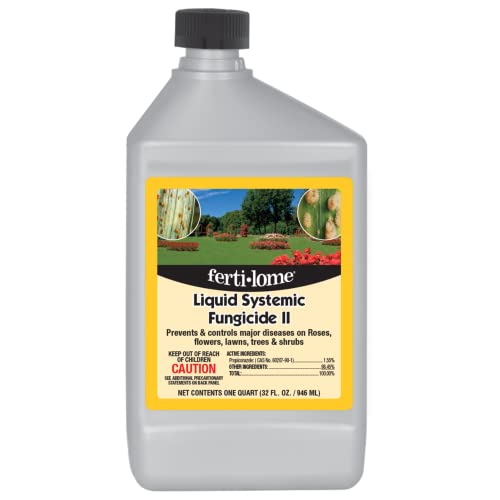
Fertilome (11378) Liquid Systemic Fungicide II (32 oz)

Earth’s Ally Disease Control Fungicide Concentrate (32 oz)

DR EARTH 8007 Disease Control Fungicide (24 oz)

Monterey Complete Disease Control 8 oz (LG3370)
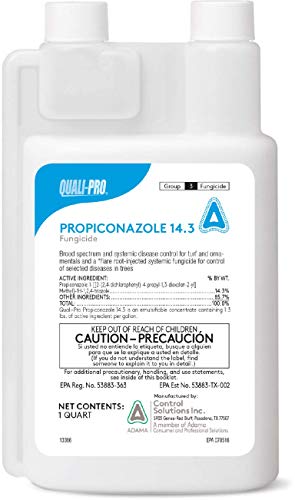
Quali-Pro 83013366 Propiconazole 14.4 (32 oz)

Earth’s Ally 3-in-1 Plant Spray (32 oz)

Garden Safe Fungicide3 with Neem Oil (1 Gal)

Root 98 Warehouse Garden Friendly Bio Fungicide (8 oz)
More Details On Our Top Picks
For a gardener juggling a little of everything, this ready-to-spray bottle cuts straight to the point: clip on the hose, walk the beds, and you’re done. The 32-ounce size covers a sizable mixed planting without forcing you to measure concentrate mid-spray, which matters when you’re already wearing garden gloves and trying to dodge wet tomato cages.
The broad disease list covers leaf spot alongside other common fungal and bacterial problems, so one bottle handles most of what shows up after a stretch of humid weather. For most home gardeners with a mix of ornamentals, edibles, and shrubs, this is the kind of product that lives near the back door through summer.
A Strong Showing
- Ready-to-spray format skips measuring and mixing, which cuts real time on each application.
- Broad disease coverage handles leaf spot plus mildews, blights, and bacterial issues in one product.
- 32-ounce size covers typical home beds without constant refilling.
- Listed for organic gardening, so it fits edibly-focused plots where certification matters.
Points To Note
- Hose-end sprayers can drift, so coverage on still days matters more than with a targeted pump sprayer.
- Bottle weight climbs as you spray, and you may want two hands on it for full beds.
Made For
Home gardeners with mixed flower and vegetable beds who want a single, no-mix product that handles both fungal and bacterial leaf spot.
Skip It When
The Quali-Pro 83013366 Propiconazole 14.4 is a smarter pick for large lawns where systemic action and concentrated coverage matter more than organic certification.
Unlike the ready-to-spray Fertilome pick above, this concentrate is built for gardeners who want the plant itself to carry the protection. The systemic action moves through the leaf and stem, so the fungus meets the chemistry from inside the tissue, not just on the surface. Early-season application on roses, established lawns, and ornamentals tends to pay off most.
You measure, mix, and load a pump or backpack sprayer, which adds a step but buys you stronger coverage on larger plants. The 32-ounce bottle goes a long way once diluted, and the formula is designed for use at the start of the growing season when prevention is still possible.
Positive Takeaways
- Systemic mode of action reaches fungus inside plant tissue, not just on leaf surfaces.
- Concentrate format stretches across many treatments once diluted.
- Targets leaf spot alongside brown patch, dollar spot, and take-all patch on lawns.
Less-Strong Areas
- Mixing ratios take attention, and miscalibration wastes product and under-treats plants.
- Not suitable for gardeners wanting organic-only chemistry.
- Best results depend on early-season timing, so late interventions feel less effective.
At A Glance
Right Fit For
Experienced home gardeners maintaining established roses, mixed flower beds, and turf who plan to start early in the season.
Look Elsewhere When
The Earth’s Ally Disease Control Concentrate is a better match for organic-only gardens where citric-acid-based sprays align with your growing rules.
Earth’s Ally takes a different approach from the synthetic Fertilome picks above, leaning on citric acid as the active ingredient. For gardeners who want a softer option around kids, pets, and edible crops, that chemistry swap changes how you feel about spraying near the lettuce bed. It still treats common offenders like powdery mildew, downy mildew, blight, and leaf spot, which keeps it useful in real gardens.
The concentrate format means you still mix, but the bottle goes into a standard sprayer and the result is a low-odor spray that doesn’t leave you airinng out the kitchen afterwards. It suits people who want organic gardening compatibility without giving up the disease list they’ve come to expect from a stronger product.
Features That Help
- Citric-acid-based formula suits organic gardening standards and reduces re-entry concerns.
- Covers a wide range of common diseases including leaf spot, mildew, and blight.
- Concentrate stretches across multiple treatments, lowering per-application cost.
Worth Bearing In Mind
- Organic acids generally need more frequent reapplication than synthetic systemics, so timing matters.
- Concentrate requires mixing, which adds setup time versus the Fertilome ready-to-spray pick.
Best Suited To
Vegetable gardeners and pet households who want organic-certified protection and don’t mind a more frequent spray schedule.
Reach For A Different Pick When
The Fertilome (11378) Liquid Systemic Fungicide II is a stronger match when you want long-lasting systemic control on ornamentals and turf.
Dr. Earth’s bottle trades synthetic chemistry for a blend of botanical oils and plant-based acids, including rosemary, clove, and peppermint oils. For a gardener who picks up the bottle, sniffs the trigger spray, and walks straight to the tomato patch, that swap is the whole point. The 24-ounce ready-to-use format means no measuring, no bucket, no extra sprayer to clean out.
It’s the kind of product that works well on small urban beds, container gardens, and houseplants where the issue is light to moderate leaf spot. You trade raw firepower for convenience and a gentler re-entry interval, and for many home situations, that trade is worth making.
The Practical Payoff
- Ready-to-use bottle eliminates mixing, so first-time users avoid ratio mistakes.
- Botanical-oil formula is widely considered safe around people and pets once dry.
- Compact 24-ounce size fits on a small shelf or in a kitchen garden bin.
Trade-Offs To Consider
- Smaller bottle means more frequent repurchase for large properties.
- Botanical oils can leave a light film on glossy leaves that some gardeners find cosmetic.
Whose Shelf It Belongs On
Small-space gardeners, apartment patios, and houseplant owners who want a grab-and-spray option for early leaf spot.
Swap It Out When
The Garden Safe Brand Fungicide3 with Neem Oil suits larger organic gardens where a gallon container and three-in-one coverage save time.
Monterey takes a biological path, using a beneficial bacterium strain to colonize leaf surfaces and crowd out fungal pathogens. It’s listed for organic gardening, which matters for edible-plot growers, and the ready-to-use format skips the measuring step that turns some gardeners off concentrates. Spray it on leaves, stems, and even as a soil drench, depending on what you’re fighting.
For a small organic vegetable garden, an 8-ounce bottle is plenty for several treatments across a season. The trade-off is that biologicals work best as preventers, so timing applications before disease pressure builds gives you the strongest result.
Where It Excels
- OMRI-listed for organic gardening, so it fits regulated edible and herb production.
- Multi-purpose use as a foliar spray or soil drench covers leaves, stems, and roots.
- Targets a broad disease list including leaf spot, blight, and downy mildew.
Points To Keep In Mind
- Small 8-ounce bottle runs out fast on multi-bed gardens.
- Works best preventively, so curative use on advanced infections often disappoints.
Feature Snapshot
Perfect Match For
Organic vegetable gardeners who want preventive coverage and are willing to start applications before disease shows up.
Not Your Match When
The Earth’s Ally Disease Control Concentrate fits better for gardeners wanting a citric-acid-based option with more bottle volume per dollar.
Quali-Pro sits at the concentrated, broad-spectrum end of the list. Propiconazole has a long track record on turf, and the microemulsion formulation is built for stability in tank mixes and even coverage across large leaf areas. For homeowners with bigger lawns or a long row of shrubs, that scaling power is the main reason to choose it over smaller organic bottles.
It is decidedly not an organic option, and it’s the most chemistry-forward pick in this roundup. Used according to the label, it handles leaf spot alongside many other common turf and ornamental diseases, and the 32-ounce bottle yields enough diluted spray to cover serious square footage.
Everyday Advantages
- Broad-spectrum control targets many turf and ornamental diseases in one product.
- Microemulsion formulation supports tank stability and even plant coverage.
- Concentrated 32-ounce bottle dilutes into a large volume of finished spray.
Honest Caveats
- Synthetic chemistry, so it doesn’t fit organic gardening preferences.
- Requires accurate measuring and PPE, with stricter label precautions than the ready-to-spray picks.
Who Will Love This
Homeowners with large lawns, long hedge rows, or extensive ornamental beds who need concentrated, broad-spectrum control.
Where Another Pick Suits Better
The Monterey Complete Disease Control is the better route for organic-only gardeners who still want broad disease coverage on vegetables and ornamentals.
The 3-in-1 combines fungicide, insecticide, and miticide functions into a single ready-to-use spray, leaning on essential oils for the active work. For indoor houseplants, a sunroom collection, or a small patio where aphids, spider mites, and early leaf spot all show up at once, that combination is the main draw. One bottle replaces two or three single-purpose products on the shelf.
It differs from the Earth’s Ally concentrate above in two important ways: this one is ready-to-spray, and it tackles pests alongside disease. That makes it a better fit for someone who wants minimal equipment and broad coverage, while the concentrate is the choice for gardeners treating larger outdoor edible beds.
What Makes Sense
- Three-in-one format addresses pests and disease in a single bottle, simplifying routines.
- Ready-to-use trigger spray fits indoor and small outdoor applications.
- Essential-oil base is widely considered safe around people and pets once dry.
Trade-Offs
- Combining modes means each function is less concentrated than a single-purpose spray.
- Essential-oil sprays can show phytotoxicity on sensitive plants in direct sun, so test a leaf first.
Who Should Grab It
Indoor plant owners and small patio gardeners who fight pests and disease at the same time and want one bottle for both.
Another Choice May Suit
The DR EARTH 8007 Disease Control Fungicide is the right pick when you only need disease control on a small bed and want a dedicated fungicide without the pest coverage.
Garden Safe leans on clarified hydrophobic neem oil extract to do three jobs at once: control fungal disease, knock down insects, and manage mites. The one-gallon ready-to-use container is the size advantage here, since most organic sprays ship in quarts. For a sizable organic garden with roses, vegetables, and fruit trees, that extra volume saves multiple trips to the shed.
Neem oil is a known quantity for organic gardeners, and the brand’s three-in-one framing means you can rotate this bottle through most of your growing spaces. The honest read is that neem works best preventively and needs consistent reapplication through warm, humid stretches when fungal pressure peaks.
Noteworthy Benefits
- One-gallon size covers large organic gardens without frequent refills.
- Three-in-one function handles leaf spot, insects, and mites on one shelf.
- Suitable for organic gardening on edibles and ornamentals.
Practical Considerations
- Spray needs shaking to keep the oil emulsified, so pre-application prep takes a minute.
- Neem can spot sensitive foliage in hot sun, so early-morning or evening application is the safer play.
Key Product Details
Built With In Mind
Organic gardeners with large mixed plantings who want one bottle to handle fungal, insect, and mite issues across the season.
Consider Something Else When
The DR EARTH 8007 fits better in small spaces or indoor settings where a 24-ounce bottle stores more easily than a full gallon.
Root 98 Warehouse takes the smallest slot on the list, with an 8-ounce bottle centered on a Bacillus amyloliquefaciens strain that fights both fungal and bacterial leaf diseases. For someone testing biological fungicides for the first time, the small size keeps the commitment low while still covering a useful disease list on home vegetables, ornamentals, and fruit trees.
It’s the kind of bottle you grab to trial a Bacillus-based approach before scaling up to a larger biological product. Mixed into a standard sprayer and applied preventively, it does what the label promises, though the small volume means you’ll reorder often for any sizable plot.
Useful Highlights
- 8-ounce bottle keeps cost and commitment low for first-time biological fungicide shoppers.
- Targets both fungal and bacterial leaf spot strains, useful where the diagnosis is uncertain.
- Suitable for organic gardening across vegetables, fruit trees, and ornamentals.
Smaller Limitations
- Treats only a small area per bottle, so larger gardens need multiple refills.
- Biological strains need consistent preventive use to outperform contact sprays on advanced infections.
Right Fit
First-time biological fungicide shoppers and small-plot gardeners who want a low-cost way to test Bacillus-based control.
A Better Fit Elsewhere
The Monterey Complete Disease Control suits gardeners who want a similar biological approach with a multi-use spray-or-drench format and OMRI listing.
What Matters Most When Choosing A Leaf Spot Fungicide
Leaf spot fungi spread fastest in wet, warm conditions, so timing and coverage tend to matter more than brand name. The first real fork in the road is organic versus conventional: citric acid, neem oil, and Bacillus-based biologicals suit gardens with kids, pets, and edible crops, while synthetic systemics like propiconazole deliver longer residual control on large lawns and ornamentals.
Next, look at formulation. Ready-to-spray bottles cut the measuring step and work well for small beds, while concentrates stretch further and let you calibrate coverage for larger properties. Systemic products move through plant tissue, so they fight infection from inside, while contact sprays rely on thorough leaf coverage. Match the format to your sprayer setup and the size of the job.
Finally, check the disease list on the label. Leaf spot covers a wide range of pathogens, from black spot on roses to Septoria on tomatoes to dollar spot on turf. A product that names your specific plant and pathogen tends to outperform a generic “all-purpose” spray, and a fungicide that also handles bacterial issues adds insurance if you aren’t sure which you’re facing.
Key Considerations Across These Picks
Mistakes Worth Dodging
The most common slip in this category is buying a stronger product than the situation needs. Gardeners dealing with early leaf spot on a small rose bed often reach for the synthetic concentrate when a small organic bottle would solve the problem without the extra precautions. Match the scale of the product to the scale of the job.
Another easy miss is ignoring spray timing. Fungal leaf spot responds best to preventive or early applications, and spraying after the disease is fully established often gives disappointing results no matter which product you choose. Read the label, and start applications before the spots spread.
What The Higher Tier Buys
The jump from a small organic bottle to a large synthetic concentrate mostly buys you residual control and coverage area. Systemic products like propiconazole keep working inside the plant for weeks, while organic contact sprays need more frequent reapplication. The premium also buys convenience, since ready-to-spray formats and one-gallon containers reduce the time spent measuring, mixing, and refilling.
The honest read is that the upgrade is worth it for large properties, valuable specimen plants, and gardeners who want fewer applications per season. For small beds and short growing seasons, the lower tier often performs the same job at a more comfortable commitment level.
Frequently Asked Questions
How often should leaf spot fungicide be applied?
Most fungicides need reapplication every 7 to 14 days during active disease pressure, with shorter intervals after heavy rain. Always follow the specific interval printed on the product label.
Can I use fungicide on vegetables I plan to eat?
Yes, as long as the product label specifically lists the vegetable you’re growing. Organic options like citric acid, neem oil, and Bacillus-based sprays are widely used on edibles, and most labels include a pre-harvest interval you should follow.
Do organic fungicides actually work on leaf spot?
Organic fungicides work well when applied preventively and on a consistent schedule. They tend to need more frequent reapplication than synthetic systemics, especially during warm, humid stretches when fungal pressure peaks.
What’s the difference between contact and systemic fungicides?
Contact fungicides stay on the leaf surface and protect against new infections, while systemic fungicides are absorbed into the plant tissue and fight infection from within. Systemic products usually last longer, but contact sprays work well for routine prevention.
Is it safe to spray fungicide around pets and children?
Most organic products are considered safe once the spray has dried, while synthetic concentrates often require longer re-entry intervals. Check the label for specific guidance, and keep people and pets away from treated plants until the spray dries.
Closing Thoughts
The right leaf spot fungicide is the one that matches your garden’s size, your tolerance for synthetic chemistry, and how often you’re willing to reapply. Small organic beds usually do well with a ready-to-spray botanical or biological option, while larger lawns and shrub borders benefit from a concentrated systemic. Match the product to the plant, follow the label, and you’ll keep leaf spot from getting a foothold this season.
