

Orchids have a reputation for being fussy, and that reputation isn’t entirely unfair. A single bout of black rot on a Phalaenopsis crown or a stubborn case of powdery mildew on a Cattleya can undo months of careful watering. Choosing the right fungicide, and applying it before trouble sets in, is the difference between a windowsill full of blooms and a windowsill full of bare canes.
Not every product in this category is built for orchids specifically. Some are broad-spectrum garden fungicides that work on orchids as a side job; others are orchid-targeted feeds with light disease protection baked in. The list below separates the two, so you can match the formula to the problem without guessing.
The Shortlist At A Glance
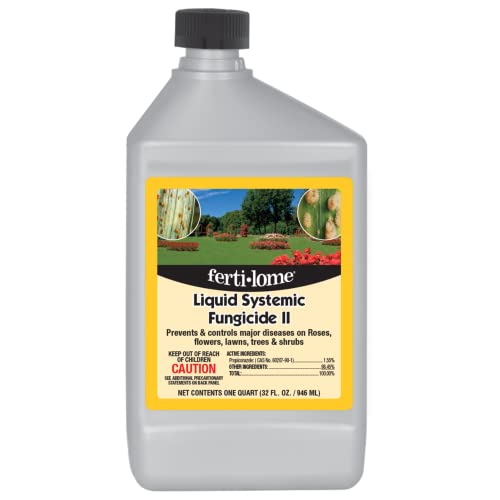
Fertilome Liquid Systemic Fungicide II Concentrate, 32 oz

Earth’s Ally Disease Control Fungicide Concentrate, 32 Oz

Earth’s Ally 3-in-1 Plant Spray for Pests & Disease, 32 Oz

Root 98 Warehouse Garden Friendly Bio Fungicide Organic (8 oz)
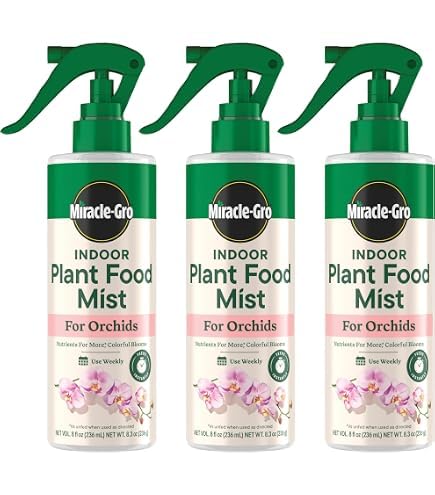
Miracle-Gro Orchid Plant Food Mist Rtu3

Orchid Grow Fertilizer by Southside, 7.1 oz
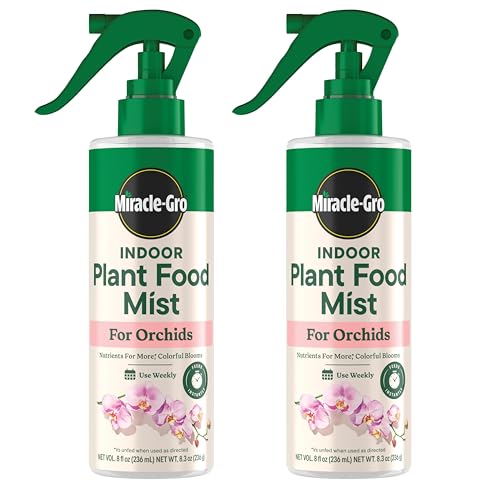
Miracle-Gro Indoor Plant Food Mist for Orchids, 8 fl. oz. (2-Pack)
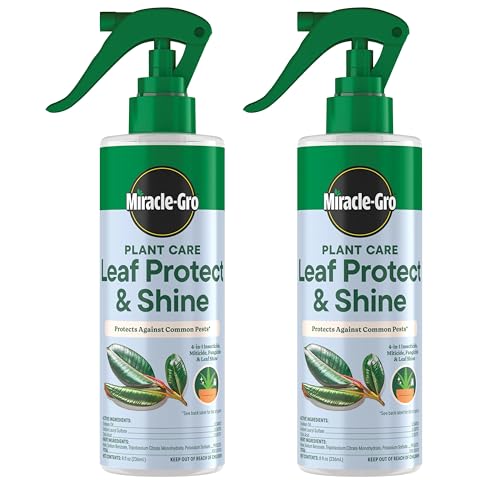
Miracle-Gro Plant Care Leaf Protect & Shine, 8 fl. oz. (2-Pack)
Why These Options Stand Out
Fertilome’s Liquid Systemic Fungicide II is the kind of bottle you reach for when an orchid problem has moved past cosmetic. Systemic means the plant absorbs the active ingredient and moves it through its tissue, so it tackles pathogens the leaves alone can’t show you. A 32-ounce concentrate goes a long way in a hobbyist’s collection, and it mixes readily with water for either foliar spray or soil drench.
For most serious collections, this is the workhorse. It targets a wide spread of fungal diseases and works preventively when applied early in the growing season, which is the smart time to start.
Useful Strengths
- Systemic action reaches pathogens hiding inside plant tissue, not just on leaf surfaces
- 32 oz concentrate format means a single bottle covers a sizable collection through a full season
- Mixes with water for both spray and drench application, so you can treat leaves and roots with the same bottle
- Broad-spectrum coverage makes it useful beyond orchids on roses, lawns, and ornamentals
Worth Noting
- Synthetic chemistry means you should not use it within several days of cutting blooms for arrangements, and you should follow the label interval for any edible crops nearby
- Concentrate requires careful measuring and storage away from pets and children
Made For
Collectors managing active fungal outbreaks on mature orchids who want one product that handles multiple pathogens.
Look Elsewhere When
You keep orchids on a kitchen counter with curious pets around, in which case Earth’s Ally Disease Control Concentrate is a friendlier fit.
Earth’s Ally leans on citric acid as its active ingredient, which is a different approach than most synthetic options. The concentrate is designed to tackle common fungal problems including powdery mildew, downy mildew, blight, canker, black spot, and leaf spot, the exact group of issues that show up on indoor orchid collections most often.
For apartment growers, this is a calm choice. You can spray it on a windowsill full of plants without worrying about harsh fumes, and it gives you a real fungicide action rather than just a foliar feed.
Notable Upsides
- Citric-acid formula reads as a lower-toxicity option for indoor use around pets and people
- Targets the everyday fungal roster: powdery mildew, black spot, leaf spot, blight, and canker
- Functions as both a curative for active problems and a preventive for upcoming growth
- 32 oz concentrate stretches across a small collection for months
Trade Offs
- Citric-acid formulations tend to need more frequent reapplication than synthetics, so plan on a tighter spray schedule
- Not designed for severe systemic infections deep in the crown or roots
Feature Snapshot
Who It Suits Best
New orchid owners and indoor growers who want a gentler active ingredient and a clear path to treating common leaf diseases.
Consider Something Else When
You’re dealing with a deep crown or root rot that needs systemic reach, in which case the Fertilome Liquid Systemic Fungicide II Concentrate is the better tool.
The 3-in-1 is the wider-net sibling to the Earth’s Ally concentrate above. Instead of focusing purely on disease, it uses a blend of essential oils to handle soft-bodied insects like aphids, mites, and whiteflies while also addressing common fungal problems. For mixed shelves where orchids share space with pothos, philodendrons, and other tropicals, that combined approach saves shelf clutter.
It comes ready to spray, so there’s no measuring or mixing. For a casual grower who wants one bottle to handle most of what a tropical shelf throws at them, this is convenient.
Practical Pluses
- One bottle covers both soft-bodied pests and common fungal diseases, reducing the number of products on the shelf
- Ready-to-use format means no measuring or extra equipment
- Essential-oil based formula, which reads as a friendlier option for indoor living areas
- Works on a range of tropical houseplants, not just orchids
Points To Note
- Essential-oil sprays can leave a slight residue on leaves, so a quick wipe-down on glossy-leafed orchids is worth doing
- As a multi-tasker, it isn’t as targeted as a dedicated fungicide for a serious outbreak
Feature Rundown
Best Suited To
Growers with mixed tropical collections who want a single bottle for both pest and disease pressure.
Skip It When
You’re managing a stubborn, established fungal infection on a prized orchid; Earth’s Ally Disease Control Concentrate gives you a more focused treatment.
Root 98 Warehouse’s Bio Fungicide is built on a Bacillus amyloliquefaciens strain, a beneficial bacterium that colonizes root and leaf surfaces and crowds out fungal pathogens. That biological approach is what makes it friendly for organic gardening setups and gentle on the surrounding environment, even in a small greenhouse.
It applies broadly across vegetables, ornamentals, fruit trees, and potted plants, so it’s a flexible addition to a mixed garden. For an orchid grower who also tends a kitchen garden, the dual use is a quiet win.
Everyday Wins
- Biological mode of action avoids synthetic chemical residue on leaves and roots
- Works on a wide range of plants, from orchids and ornamentals to vegetables and fruit trees
- Suits organic gardening routines where synthetic fungicides are off the table
Some Limits To Know
- Biologicals work best as preventive care, so timing matters more than with a fast-acting synthetic
- 8 oz bottle is the smallest in this roundup and may run short on a large collection
Right Fit For
Organic-focused growers and anyone who wants a biological option to rotate alongside conventional treatments.
Not Your Match When
You need a fast knockdown on a confirmed infection, in which case the Fertilome Liquid Systemic Fungicide II Concentrate is built for that speed.
The Miracle-Gro Orchid Plant Food Mist is technically a fertilizer, not a fungicide, and it’s worth being upfront about that. It delivers nutrients and moisture to leaves, roots, and growing media through a foliar spray, which supports a healthier plant that is naturally more resistant to fungal issues in the first place.
For most collections, prevention beats treatment. Used weekly alongside good watering discipline, this mist is part of the routine that keeps problems from getting started.
Advantages To Know
- Ready-to-use format means no measuring and no mixing
- Designed specifically for orchids, so the nutrient profile matches their needs rather than being a generic plant food
- Comes in a 3-pack, which is convenient for sustained weekly use across a season
Factors To Consider
- It’s a feed, not a cure, so it won’t fix an active fungal infection on its own
- Avoid spraying open blooms, as the mist can mark petals and shorten their display life
Perfect Match For
Orchid keepers who want a simple weekly misting routine that supports plant vigor without extra equipment.
A Better Fit Elsewhere
You’re already seeing active fungal symptoms, in which case the Earth’s Ally Disease Control Concentrate is a true treatment rather than a supportive feed.
Southside’s Orchid Grow is another feed-forward product, built around a two-formula system that pairs a Grow spray for dormant or struggling orchids with a Bloom formula for the lead-up to flowering. The continuous-spray bottle makes coverage quick on a bench of plants, and the gentle formula is designed for orchids coming back from rough patches.
For most collectors, a struggling orchid needs gentle nutrition and a stable environment before it needs anything aggressive. This product is built for that recovery phase.
Features That Help
- Gentle formula suits orchids that are recovering from stress or repotting
- Continuous-spray bottle gives even coverage without finger fatigue on a large collection
- Two-formula approach lets you match the nutrient mix to the growth stage
Worth Bearing In Mind
- This is a feeding product, so an active fungal problem will need a dedicated fungicide alongside it
- Smaller bottle size means you’ll reorder more often if you maintain a sizable collection
Who Should Grab It
Orchid owners nursing a dormant or recently stressed plant back to active growth, paired with a separate fungicide for disease control.
Another Choice May Suit
You want a single product that combines feeding and disease prevention, in which case the Miracle-Gro Indoor Plant Food Mist for Orchids is a closer match.
Miracle-Gro’s Indoor Plant Food Mist for Orchids uses a specialized mister that mimics natural feeding conditions, and the 2-pack format keeps a backup bottle on hand so you don’t run out mid-routine. Like the other Miracle-Gro orchid mist above, this is a feed-forward product that supports overall plant vigor.
For most apartments and small indoor collections, a steady misting routine with this product keeps orchids in active growth. Healthier orchids, in turn, are simply less vulnerable to fungal pressure in the first place.
A Strong Showing
- Specialized mister head delivers a fine, even spray that suits orchid leaves and aerial roots
- 2-pack format covers a longer stretch without reordering
- Designed for indoor use, so it fits an apartment or office environment
Practical Considerations
- Nutrient mist, not a fungicide, so it doesn’t replace a true disease treatment when infection shows up
- Best kept off open blooms to prevent spotting on the petals
Quick Technical Notes
Built With In Mind
Indoor orchid keepers who want a simple weekly mist as part of a consistent care routine.
Reach For A Different Pick When
You’re treating a confirmed fungal issue, in which case the Earth’s Ally Disease Control Concentrate gives you active disease control.
Leaf Protect & Shine is the broadest multitasker in the roundup. It bundles a miticide, an insecticide, a fungicide, and a leaf-shine spray into a single bottle, covering the routine housekeeping that an indoor tropical shelf usually needs all at once. For a grower with orchids, calatheas, and fiddle leaf figs sharing a sunlit corner, that combination saves a lot of bottle-swapping.
The 2-pack keeps a backup on hand, and the leaf-shine component means you’re not just treating the plant, you’re also giving it a cosmetic refresh.
What Stands Out
- Four-in-one action: miticide, insecticide, fungicide, and leaf shine in one bottle
- Targets the pests houseplant growers encounter most, including thrips, aphids, and whiteflies
- Fungicide component addresses powdery mildew, a common complaint on indoor plants
Honest Caveats
- The shine component can leave a slight residue on orchid leaves if overapplied, so a light hand works best
- Not a substitute for a dedicated systemic treatment on a severe infection
Core Details
Whose Shelf It Belongs On
Growers juggling multiple indoor plant issues at once who want one bottle to handle the most common pests, fungi, and leaf appearance.
Where A Sibling Pick Shines
Your main concern is a single stubborn fungal issue, in which case the Fertilome Liquid Systemic Fungicide II Concentrate is a more targeted answer.
What To Weigh Before Choosing A Fungicide For Orchids
Disease Type Versus Active Ingredient
The first real decision is matching the active ingredient to the problem you’re actually facing. Systemic synthetic fungicides move through the plant’s tissue and reach infections that a surface spray alone can’t, while citric-acid or biological options tend to work best as preventive and contact treatments. For most home collections, a confirmed deep infection calls for a systemic, while spotty leaf issues respond well to gentler contact formulas.
Indoor Safety And Household Context
Orchids often live where people do, which makes indoor safety a real factor. A citric-acid formula, an essential-oil blend, or a biological product all read as lower-toxicity options for a windowsill near pets or children. Synthetic concentrates still have their place, but they belong with careful storage, accurate measuring, and clear separation from living areas.
Compatibility With Your Feeding Routine
Several products on this list are feeds with light fungicide support, not dedicated disease treatments. For most collections, prevention starts with healthy plants, and a weekly misting routine with a dedicated orchid feed is a quieter path than waiting for infection. Pairing a feed with a separate, focused fungicide gives you the most flexibility across the year.
Bottle Format And Collection Size
Concentrates make sense for sizable collections because they stretch across many applications, but they require accurate measurement and a dedicated sprayer. Ready-to-use sprays are convenient for a small shelf or a casual routine, and 2-packs help if you mist weekly and don’t want to reorder mid-season. The honest read is that the right format depends on how often you actually intend to spray.
Key Considerations Across These Picks
Pitfalls Shoppers Hit
The most common slip is reaching for a feed when an infection is already visible, then wondering why nothing changed. The other is grabbing a synthetic systemic for a light dusting of powder on a single leaf, which is overkill. Match the product to the actual problem, and start with the gentlest option that addresses it before escalating.
When Paying More Pays Off
A higher-tier fungicide earns its keep when the collection has value to protect, when infections keep coming back, or when a systemic formula saves a plant that a contact spray can’t reach. For most casual growers, a mid-tier organic or biological option handles the routine, and a single bottle of systemic concentrate stays on the shelf as backup for the moments that actually demand it.
Frequently Asked Questions
Can I Use Regular Garden Fungicide On Orchids?
Many general-purpose fungicides are safe on orchids when used at the correct dilution, but orchids have sensitive roots and crowns, so accuracy matters. For most collections, starting with a product designed for ornamentals or a low-toxicity formula like Earth’s Ally is the safer first step.
How Often Should I Spray Orchids With Fungicide?
Preventive sprays are typically applied every 7 to 14 days during active growth, while curative treatments follow the label schedule and may be more frequent at first. Always let the plant dry between applications and avoid spraying open blooms.
Are Organic Fungicides Effective On Orchids?
Biological and citric-acid fungicides work well as preventive and contact treatments, especially on early-stage leaf issues. For deep or systemic infections, a conventional fungicide usually delivers faster results.
Should I Treat An Orchid Even If It Looks Healthy?
Preventive treatment is common during humid months or in greenhouses where fungal pressure is high. Healthy orchids in dry indoor air often do fine without routine spraying, provided the watering and airflow are well managed.
Can I Combine A Feed Mist With A Fungicide On The Same Day?
Feeding and treating on the same day can stress the plant and overload the leaves. Most growers alternate, with feed on one watering and fungicide on the next, so the plant has time to recover between applications.
Closing Remarks
The right fungicide for your orchid depends on the problem in front of you and the room the plant lives in. A targeted systemic earns its place when an infection is established, while a gentler feed-forward mist keeps a healthy collection that way in the first place. Match the bottle to the situation, and your orchids will repay you with sturdier growth and longer-lasting blooms.
