

Powdery mildew shows up on rose leaves the moment humid nights settle in, and most home gardeners first notice that dusty white coating on the upper foliage of susceptible varieties. Choosing the right product matters because rose cultivars vary in resistance, and a fungicide that works for one garden may overwhelm the next. This roundup covers eight options, from copper-based concentrates to organic biological formulas, so you can match the active ingredient to your climate, your spray setup, and how often you want to reapply. Each pick below addresses mildew from a slightly different angle, and the buying guide that follows explains the trade-offs in plain terms.
Your Options, Compared
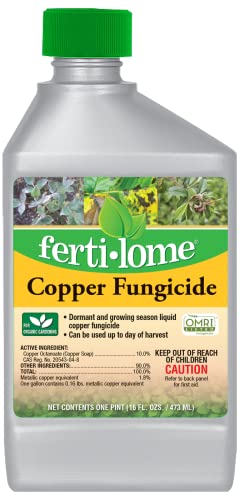
Fertilome 16132 Copper Fungicide Concentrate 16 oz
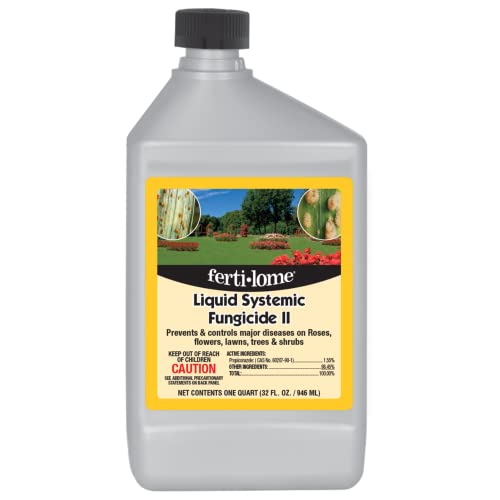
Fertilome 11378 Liquid Systemic Fungicide II 32 oz

Fertilome 10764 F-Stop Fungicide Concentrate 16 oz

Earth’s Ally Disease Control Concentrate 32 oz

Root 98 Warehouse Bio Fungicide 8 oz

Bonide Captain Jack’s Rose Rx 32 oz RTU

Bonide Fung-onil Concentrate 16 oz

ARBER Organic Fungicide 16 oz
A Breakdown Of The Leading Choices
Copper fungicides have anchored rose care for generations, and Fertilome’s 16-ounce concentrate is the entry-level version of that approach. The bottle ships as a liquid concentrate that you dilute with water, which keeps shelf life long and lets you scale coverage from a single climber to a full bed of hybrid teas.
Garden owners managing a mixed planting of roses alongside tomatoes or fruit trees tend to appreciate that this formula targets several fungal problems at once, not just mildew. For most home growers, mixing a fresh batch per spray session feels routine rather than burdensome.
The Practical Payoff
- Concentrate format stretches the bottle across many spray sessions, lowering cost per application.
- Multi-disease coverage means you can rotate this through tomato and fruit sprays as well as rose beds.
- Copper’s contact action resists the resistance buildup that plagues systemic chemistries in long-term programs.
Points To Keep In Mind
- Copper must coat the leaf surface to work, so incomplete coverage during humid mornings reduces effectiveness.
- Concentrates require a dedicated sprayer and careful measuring, which adds a small setup step before each use.
Who Will Love This
Home gardeners who want one concentrate they can rotate across roses, vegetables, and fruit without buying separate products.
Skip It When
You prefer a ready-to-spray bottle with no mixing, in which case Bonide’s Captain Jack’s Rose Rx below makes more sense.
Systemic fungicides differ from contact sprays because the plant absorbs the active ingredient and moves it through the foliage, which means new growth carries some protection too. Fertilome’s Liquid Systemic Fungicide II comes in a 32-ounce concentrate bottle aimed at gardeners with established beds.
For most rose growers dealing with mildew that returns every July, this kind of internal protection is a useful complement to a copper rotation. Gardeners who keep detailed spray logs often use a systemic early in the season, then switch to a contact product as harvest or bloom peaks approach.
Useful Touches
- The 32-ounce bottle offers enough mixed volume for several repeat applications across a full rose border.
- Systemic movement means new leaves and bud breaks receive protection shortly after treatment.
- Labeled for lawns, flowers, and ornamental trees, so the same jug handles more than just roses.
Trade Offs
- Systemic chemistry is more prone to fungal resistance over years of repeated use, so rotating active ingredients matters.
- Mixing ratios must be measured carefully, since over-concentration can stress tender new foliage.
Feature Snapshot
Built With In Mind
Growers with established rose collections who want internal protection that keeps pace with new growth through the season.
Reach For A Different Pick When
You would rather use a strictly organic biological approach, in which case Root 98 Warehouse Bio Fungicide offers a friendlier option.
F-Stop sits in the preventative camp, which means its strongest value shows up before mildew has a chance to settle. The 16-ounce concentrate mixes with water and covers roughly 750 square feet of lawn or mixed bed per pint, according to the label.
Rose growers who plan ahead often run a pre-bloom spray program, and this product fits that rhythm neatly. For gardeners in humid coastal zones, a 14-day rotation starting as soon as leaf buds break tends to keep new growth clean.
What Makes Sense
- Labeled use across roses, ornamentals, fruits, nuts, vegetables, and lawns, so one bottle covers mixed beds.
- Preventative orientation means the most common fungal problems are addressed before symptoms appear.
- Coverage rate of about 750 square feet per pint suits typical suburban garden layouts.
Less Ideal Details
- Effectiveness drops once mildew is firmly established, so timing before symptoms is critical.
- Storing mixed solution is not recommended, which means each session requires fresh preparation.
Right Fit For
Organized gardeners who like to start their fungicide rotation before the first signs of mildew each spring.
A Better Fit Elsewhere
If you have already noticed active mildew, Fertilome’s Liquid Systemic Fungicide II offers a stronger rescue option.
Earth’s Ally takes a different approach by using citric acid as the active disease-fighting ingredient, which positions it as a gentler alternative in gardens shared with curious pets and children. The 32-ounce concentrate format means each bottle dilutes into a generous spray volume.
For households where re-entry intervals and residue concerns shape product choice, this concentrate answers a common worry. The label lists powdery mildew, downy mildew, blight, canker, black spot, and leaf spot, so coverage extends well beyond a single problem.
Why It Works Well
- Citric acid formula avoids the harsher synthetic chemistry, supporting use around kids and pets once dry.
- Broad label coverage treats the common fungal issues rose growers face in humid summers.
- Concentrate format lets you tune dilution for routine prevention versus active treatment passes.
Honest Caveats
- Contact-mode action requires thorough leaf coverage, and missed undersides let mildew re-establish quickly.
- Reapplication intervals tend to be shorter than synthetic chemistry, so plan on more frequent passes during peak humidity.
Feature Snapshot
Made For
Gardeners with kids, dogs, or a small edible patch who want a milder disease control option that still addresses mildew.
Where Another Pick Suits Better
For a heavier-duty rescue on advanced outbreaks, Bonide Fung-onil Concentrate is the more aggressive option.
Biological fungicides work by introducing beneficial bacteria that colonize leaf and root surfaces, crowding out fungal pathogens. Root 98 Warehouse’s 8-ounce concentrate uses a Bacillus strain labeled for organic gardening, which appeals to growers who avoid synthetic chemistry entirely.
For gardeners managing both a vegetable bed and a small rose border, this dual-purpose angle is genuinely useful. The smaller bottle size keeps cost of entry low for first-time biological fungicide users.
Notable Upsides
- Bacillus-based formula supports organic certification programs and aligns with pollinator-friendly gardens.
- Labeled for vegetables, fruits, ornamentals, and turf, so the same bottle handles multiple planting zones.
- Smaller bottle is approachable for gardeners who want to test biological controls before committing to a larger jug.
Worth Noting
- Biologicals work best as preventatives, so applying after infection is established yields weaker results.
- The 8-ounce bottle covers fewer spray sessions than the 32-ounce concentrates in this list.
Quick Facts
Best Suited To
Organic-minded gardeners who rotate roses alongside vegetables and want a single product that fits both programs.
Look Elsewhere When
You need a fast knockdown on heavy mildew pressure, where Bonide Fung-onil Concentrate performs more aggressively.
Captain Jack’s Rose Rx is the only ready-to-use spray in this roundup, which makes it a strong match for gardeners who do not want to measure, mix, or wash a separate sprayer. The 32-ounce bottle is built around cold-pressed neem oil as the active ingredient.
The “4-in-1” framing means a single bottle handles fungal disease, insects, mites, and nematodes, which simplifies shelf inventory. For most home growers, the convenience of an RTU bottle outweighs the cost savings of concentrates when treating just a few shrubs.
A Few Strong Suits
- No mixing required, so first-time users and casual gardeners avoid the most common dosing mistakes.
- Neem oil is acceptable in organic gardening programs and breaks down quickly in the environment.
- One bottle addresses disease, insects, mites, and nematodes, reducing the number of products on the shelf.
Practical Considerations
- RTU bottles cost more per ounce than concentrates, which adds up across large plantings.
- Neem oil can leave a mild residue on dark foliage, so test a small area before full coverage.
Perfect Match For
Small-space rose growers who want one bottle that handles both aphids and mildew without separate products.
Consider Something Else When
You maintain a large rose border where concentrate economics matter more, making Earth’s Ally or Fertilome a better fit.
Bonide’s Fung-onil brings chlorothalonil, a long-trusted synthetic active, into a 16-ounce concentrate built for broad-spectrum disease control. This is the option to reach for when mildew has spread across multiple shrubs and gentler approaches have not kept pace.
For most gardeners, chlorothalonil serves as a rescue tool rather than a season-long program, and the label reflects that role. Compared to the organic picks above, this formula trades a gentler profile for stronger contact protection on tough infections.
Positive Points
- Broad-spectrum chlorothalonil handles leaf spot, rust, blight, mildew, scab, and mold on the label.
- Concentrate format lets you scale coverage from a few potted roses up to a full border.
- Long-standing track record in home gardening makes application guidance easy to find.
Some Limits To Know
- Synthetic chemistry restricts use around edible plantings closer to harvest, so read the label carefully.
- Re-entry intervals are stricter than organic options, which matters for households with active kids or pets.
Feature Card
Whose Shelf It Belongs On
Experienced rose growers who want a stronger synthetic option for the occasional heavy mildew season.
Swap It Out When
You prefer to stay strictly organic, in which case ARBER Organic Fungicide is the closer fit.
ARBER’s 16-ounce organic fungicide closes the roundup by spanning both indoor and outdoor use, which appeals to growers who move plants between windowsills, patios, and garden beds. The formula is built around plant-derived biological actives designed to create a protective barrier on leaves and roots.
For rose hobbyists with a small collection of container specimens, the indoor-friendly framing removes a common concern about spraying inside. Compared to Root 98 Warehouse’s biological option above, ARBER leans more toward convenient indoor-outdoor versatility.
Positive Takeaways
- Labeled for both indoor houseplants and outdoor garden use, so one bottle moves between rooms and beds.
- Biological actives support organic gardening programs without the harsher re-entry intervals of synthetics.
- Targets powdery mildew, leaf spot, root rot, and lawn fungi, addressing more than a single problem.
Things To Consider
- Protective-barrier action performs best with consistent reapplication after rain or overhead watering.
- Smaller 16-ounce bottle offers fewer refills for very large rose borders than the 32-ounce concentrates.
Feature Snapshot
Who Should Grab It
Gardeners who keep container roses both indoors and outside and want a single organic product to bridge both.
Not Your Match When
You need a heavy-duty synthetic option, in which case Bonide Fung-onil Concentrate covers severe outbreaks more reliably.
Picking The Right Formula For Your Roses
Match The Active Ingredient To Your Climate
Humid regions with warm nights tend to favor contact fungicides that you reapply every 7 to 14 days, while drier climates can stretch intervals further. Copper-based and biological options suit growers who prefer lower-toxicity rotations, whereas systemic chemistries help when mildew returns the same week you sprayed.
Consider Who Shares The Garden
Households with kids, dogs, or edible beds benefit from organic actives like citric acid, Bacillus strains, and neem oil. Synthetic options like chlorothalonil still have a place as a rescue tool, but they come with stricter re-entry intervals that change how you plan your spray days.
Decide Between Concentrate And Ready-To-Use
Concentrates deliver a lower cost per ounce and let you tune dilution, but they need a dedicated sprayer and accurate measuring. Ready-to-use bottles cost more but eliminate mixing, which suits smaller plantings and gardeners new to fungicide routines.
Key Considerations Across These Picks
Common Shopping Slip Ups
Many shoppers grab the strongest synthetic on the shelf, only to find their spray schedule disrupts the rest of the garden’s routine. Reading the full label before buying helps you confirm the product suits edible neighbors and any nearby pets. A second common slip is choosing a concentrate when the bottle is too large to use in one season, leading to storage of half-used jugs that lose potency.
Why Top Tier Costs More
Larger concentrate bottles and combination actives carry a premium because they cover more applications or replace multiple products on the shelf. Paying more makes sense for gardeners with large rose borders or mixed plantings who would otherwise need two or three separate bottles. Smaller rose collections usually do not need that scale, and a basic concentrate or RTU bottle handles the workload at lower cost.
