

Tomato blight shows up fast, often as a faint yellowing on lower leaves after a stretch of humid weather. Gardeners who spot it early usually save more of the crop than those who wait for visible dark patches. Picking the right fungicide for tomato blight means matching the product to your garden’s scale, your comfort with concentrates, and whether you need a one-job solution or something broader. This roundup walks through seven solid options that cover the spectrum from organic bio-fungicides to multi-purpose concentrates, so you can match the product to your real-world conditions and your tolerance for mixing and spraying.
How The Shortlist Stacks Up
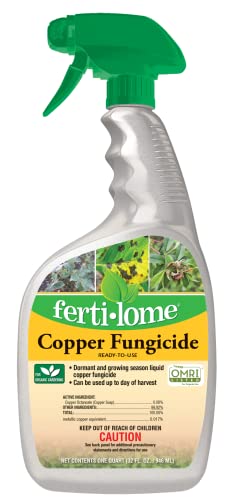
Fertilome Copper Fungicide Ready to Use 32 oz
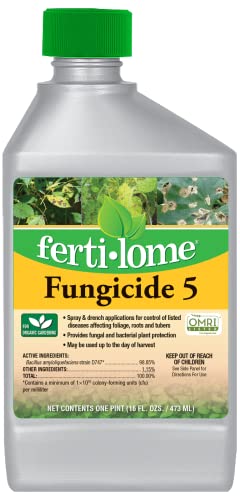
Fertilome Fungicide 5 Concentrate 16 oz

Earth’s Ally Disease Control Fungicide Concentrate 32 oz

Earth’s Ally 3-in-1 Plant Spray 32 oz

Root 98 Warehouse Garden Friendly Bio Fungicide 8 oz

BioAdvanced 3-in-1 Insect, Disease, and Plant Mite Control 24 oz

Bonide Fung-onil Multi-Purpose Fungicide 16 oz Concentrate
A Closer Look At Each Pick
Copper fungicides have been a go-to for tomato growers for decades, and this ready-to-spray bottle from Fertilome keeps things simple. There’s no measuring, no mixing, and no separate sprayer to clean out after every use. For a small backyard plot or a handful of patio containers, that’s a real convenience on a hot July evening when you just want to get the treatment done.
The formulation targets both early and late blight on tomatoes, along with several other common fungal issues like powdery mildew and leaf spot. The 32-ounce size handles a modest vegetable patch without running out mid-season. For most home gardeners dealing with their first blight scare, this bottle is a low-risk starting point.
Positive Takeaways
- No mixing required, so beginners can treat plants without measuring mistakes
- Copper has a long track record against both early and late tomato blight
- Works on roses, fruit, and vegetables beyond just tomatoes
- 32-ounce bottle covers a typical home garden through the season
Points To Keep In Mind
- Copper can build up in soil over many years, so rotating with other products is wise
- Sprayer nozzle occasionally clogs if not rinsed after each session
Key Specs
Right Fit For
First-time tomato growers who want a no-fuss bottle they can grab and spray without any measuring or mixing.
Look Elsewhere When
Gardeners who follow strict organic practices will likely prefer the Root 98 Warehouse Garden Friendly Bio Fungicide 8 oz, which uses a biological active ingredient instead of copper salts.
Where the Fertilome Copper Fungicide handles a single category of disease, the Fungicide 5 Concentrate goes after a wider list of pathogens. That includes the typical fungi behind leaf spots and mildews, plus certain bacterial issues that often tag along on stressed tomato plants. For gardeners whose beds host tomatoes alongside peppers, cucurbits, and ornamentals, that range is genuinely useful.
The 16-ounce concentrate is built for someone willing to measure and mix, but the trade-off is a much lower per-treatment cost once diluted. Indoor houseplants and outdoor shrubs can both sit on the same label, so one bottle covers a lot of ground in a household with mixed plantings.
What Stands Out
- Tackles both fungal and bacterial problems on a single label
- One concentrate works indoors and outdoors across many plant types
- Lower per-use cost than ready-to-spray bottles for larger beds
Trade-Offs
- Mixing ratios must be followed carefully to avoid leaf burn on tender plants
- Bacterial-disease control claims vary by region, so local extension advice helps
- Bottle needs storage away from children and pets, unlike ready-to-use options
Whose Shelf It Belongs On
Mixed gardeners running vegetable beds, flower borders, and a few houseplants who want a single concentrate to rotate through.
Reach For A Different Pick When
Households focused on a chemical-free approach for edible crops will find the Earth’s Ally Disease Control Fungicide Concentrate 32 oz easier to live with day to day.
Earth’s Ally takes a different route by building its formula around citric acid rather than copper or synthetic chemistry. For households with curious kids, free-roaming pets, or a strict organic approach to edibles, that distinction matters more than any spec sheet. You spray, you wait, and you don’t worry about lingering residues on the next harvest.
The 32-ounce concentrate runs through a typical backyard tomato patch without constant refills. It’s a concentrate rather than a ready-to-use spray, so a basic pump sprayer is part of the deal. Compared to the Fertilome Fungicide 5, this one trades some of the broad-spectrum bacterial coverage for a softer environmental profile.
What Makes Sense
- Citric-acid formula avoids synthetic fungicide residues on fruit
- Safe for use around people and pets once the spray dries
- Targets powdery mildew, downy mildew, blight, and leaf spot on one label
Minor Gripes
- Citric-acid products often need more frequent reapplication during wet weather
- No bacterial-disease claims, unlike the Fertilome Fungicide 5
Feature Snapshot
Made For
Home growers prioritizing a low-toxicity approach who still want a concentrate that treats more than one fungal issue at a time.
Skip It When
Gardeners running large acreage will likely find the Bonide Fung-onil Multi-Purpose Fungicide 16 oz Concentrate more cost-effective for the scale.
Tomato plants rarely fail from a single cause. A late-summer garden often has aphids on the new growth, hornworms on the fruit, and early blight creeping up the lower leaves, all at once. The Earth’s Ally 3-in-1 Plant Spray is built for that reality, layering pest control on top of disease control in one bottle.
The 32-ounce ready-to-use format saves the mixing step and lets you grab the bottle for a quick pass. Compared to the Earth’s Ally Disease Control Concentrate, this version trades deeper dilution flexibility for convenience and a wider pest spectrum. It’s a strong fit when you want one tool to handle both sides of the leaf problem.
Key Advantages
- Treats soft-bodied insects and listed fungal diseases in a single pass
- Ready-to-use format skips the pump sprayer setup
- Botanical-oil base keeps the residue profile gentle on edibles
Practical Considerations
- Botanical-oil sprays can spot sensitive tomato leaves in direct midday sun
- Coverage area per bottle is smaller than a concentrate at the same price tier
Who Should Grab It
Backyard veggie growers juggling pests and disease on the same plants who want one bottle to handle both, without measuring or mixing.
A Better Fit Elsewhere
Tomato growers whose main concern is fungal disease rather than insects may be better served by the Fertilome Copper Fungicide Ready to Use 32 oz, which targets blight more directly.
Biofungicides work in a different way from copper or synthetic chemistries. Root 98 Warehouse uses a strain of Bacillus amyloliquefaciens, a beneficial bacterium that colonizes leaf and root surfaces and crowds out disease organisms. For organic gardeners, that biological mechanism is the whole point. You’re not coating the plant in a toxin; you’re tipping the microbial balance in your favor.
The 8-ounce size is on the small side, but bio-fungicides go a long way because they’re typically diluted into a spray solution. You can use it on vegetables, fruit trees, ornamentals, and lawns, so one bottle handles more than just the tomato patch. It’s a different rhythm of gardening, more about prevention than knockdown.
Bright Spots
- Biological active ingredient fits organic gardening standards
- Works on vegetables, fruit trees, shrubs, and ornamentals from one bottle
- Targets leaf spots, mildews, blights, and bacterial spot on a single label
Honest Caveats
- Works best as a preventative rather than a rescue treatment once disease is advanced
- Smaller bottle means more frequent repurchase on larger properties
Key Product Details
Best Suited To
Organic-certified growers who plan their spray schedule around prevention rather than waiting for visible outbreaks.
Swap It Out When
Growers dealing with an active, fast-spreading blight infection will likely want the heavier hitter approach of Bonide Fung-onil Multi-Purpose Fungicide 16 oz Concentrate.
BioAdvanced leans into the multi-purpose angle, offering a single bottle that addresses insects, mites, and listed fungal diseases at once. For gardeners who treat tomatoes as part of a larger flowering landscape, that consolidation is the appeal. One trip around the yard covers roses, shrubs, and the tomato cages without juggling two or three separate products.
The 24-ounce ready-to-use format keeps things simple, though the label is geared more toward ornamentals than vegetable beds. The disease spectrum includes black spot, powdery mildew, and rust, which covers many of the fungal headaches that show up in mixed landscapes. Tomato growers with a heavily planted yard will appreciate the breadth, even if a dedicated veggie product is sharper for edible crops.
Positive Points
- Three product categories in one bottle reduces garden-clutter
- Targets listed mites that often go unnoticed until damage is severe
- Ready-to-use format with no measuring required
Some Limits To Know
- Label leans toward ornamentals, so confirm vegetable clearance before spraying edibles
- Smaller 24-ounce bottle runs out faster on bigger properties
Who Will Love This
Homeowners managing flower beds, foundation plantings, and a few tomato cages who want a one-bottle routine for the whole yard.
Not Your Match When
Dedicated vegetable gardeners focused purely on tomato health will get better disease targeting from the Fertilome Copper Fungicide Ready to Use 32 oz.
Bonide’s Fung-onil has been on garden shelves for years, and that longevity is itself a kind of recommendation. The active ingredient, chlorothalonil, is a broad-spectrum synthetic fungicide that handles a long list of foliar diseases, including blight, leaf spot, rust, and mildew. For experienced vegetable growers who want a known quantity, that track record carries weight.
The 16-ounce concentrate is priced to cover a meaningful garden, but it does require mixing and a proper pump sprayer. Unlike the citric-acid-based Earth’s Ally concentrate, this one is a synthetic chemistry, so handling gear and a clean spray pattern matter. Used preventatively on a regular schedule, it remains one of the more reliable tools in the home-grower kit.
The Good Stuff
- Broad-spectrum chlorothalonil covers blight, mildew, rust, and scab in one product
- Concentrate format brings the per-treatment cost down for larger plots
- Long history of home-garden use builds confidence in label directions
Worth Noting
- Synthetic chemistry means stricter re-entry intervals after spraying
- Concentrate requires accurate measuring to avoid phytotoxicity on young plants
Feature Rundown
Perfect Match For
Seasoned vegetable gardeners comfortable with synthetic fungicides and a regular preventative spray schedule.
Where Another Pick Suits Better
Growers committed to organic methods or worried about chemical residues on edibles should look at the Root 98 Warehouse Garden Friendly Bio Fungicide 8 oz instead.
Factors To Consider When Choosing Fungicides For Tomato Blight
Active Ingredient Family
The active ingredient is the engine of any fungicide, and the three main families you’ll see on tomato shelves are copper-based, biological, and synthetic broad-spectrum. Copper has decades of use on tomatoes and works as a contact fungicide, meaning it sits on the leaf surface and stops spores from germinating. Biological products use beneficial bacteria like Bacillus amyloliquefaciens to outcompete pathogens on plant surfaces. Synthetic options like chlorothalonil work on a wider range of fungal targets and tend to be the heavier hitters when disease pressure is high. Your comfort with each family shapes which products even make sense to consider.
Ready-To-Use vs. Concentrate
The format question is really a lifestyle question. Ready-to-use bottles like the Fertilome Copper Fungicide Ready to Use 32 oz are heavier and more expensive per ounce, but they save the measuring step. Concentrates cost less per treatment but require a pump sprayer, accurate measuring, and somewhere to store mixed leftovers safely. For small gardens, the convenience usually wins. For larger plots, the savings of a concentrate add up fast.
Disease Spectrum
Tomato blight doesn’t travel alone, especially in humid weather where multiple fungal issues can hit at once. Some products, like the Fertilome Fungicide 5 Concentrate 16 oz, list bacterial disease control alongside fungal coverage. Others focus on fungal issues only. Match the spectrum to what you actually see in your garden, plus the conditions that tend to favor disease in your microclimate.
Safety Profile and Re-Entry Intervals
Synthetic fungicides often come with specific re-entry intervals, the time you need to stay out of the treated area after spraying. Botanical and biological options usually dry and become safe to handle much faster. If you have kids, pets, or a tight garden routine, that practical difference can matter more than any spec on the label. Always read the label for the specific interval on the product you choose.
Key Considerations Across These Picks
Pitfalls Shoppers Hit
The most common mistake is grabbing a fungicide after blight has already spread far up the plant, then expecting a quick recovery. Fungicides work best as preventative or early-intervention tools, not as rescue treatments. Another trap is sticking with the same product year after year, which can encourage pathogen resistance over time. Rotating between two or three products with different active ingredients keeps the disease population off-balance. Finally, skipping the undersides of leaves is a classic miss, since that’s where fungal spores often land first.
When Paying More Pays Off
Higher-tier products earn their cost through concentration, broader coverage, or longer-lasting residual protection. A concentrate like the Bonide Fung-onil Multi-Purpose Fungicide 16 oz Concentrate costs more up front but drops the per-treatment price dramatically for big gardens. Premium options also tend to include better label support, more thorough disease listings, and clearer mixing instructions. The upgrade makes sense once your garden expands past a few tomato cages into a real vegetable operation.
Frequently Asked Questions
How often should I spray fungicide on tomato plants?
Most fungicides work on a 7 to 14 day schedule, with shorter intervals during wet weather and longer stretches during dry spells. Always follow the label interval for the specific product you’re using, since copper, biological, and synthetic options each have their own timing.
Can I use the same fungicide on tomatoes and other vegetables?
Many products on this list, like the Earth’s Ally Disease Control Fungicide Concentrate 32 oz, are labeled for a wide range of vegetables and ornamentals. Check the label for the specific crop list before spraying, since not every fungicide is cleared for every edible plant.
Is copper fungicide safe for organic gardening?
Some copper products are approved for organic use, but rules vary by certifying body. Copper also accumulates in soil over many years, so even organic-approved copper fungicides benefit from rotation with biological options like the Root 98 Warehouse Garden Friendly Bio Fungicide 8 oz.
What’s the difference between early blight and late blight?
Early blight usually shows up as concentric brown rings on older, lower leaves and tends to move slowly up the plant. Late blight creates irregular, water-soaked patches that spread faster and can destroy a plant within a week in cool, wet weather. The right fungicide depends on which one you’re dealing with, so identifying the pattern matters.
Should I remove infected leaves before spraying?
Yes, pruning out the most heavily infected leaves before a fungicide application helps the product reach the healthy tissue that still has a chance. Bag and dispose of those leaves rather than composting them, since fungal spores can survive in a home compost pile and return next season.
Wrap Up
Tomato blight rewards gardeners who plan ahead rather than react late. The right fungicide for your garden depends on your scale, your comfort with mixing, and how strict you are about organic practices. A small container garden and a quarter-acre plot point toward very different bottles, and the seven picks above span that range. Start with a product that matches your routine, watch the lower leaves through humid stretches, and rotate actives across seasons to keep ahead of resistant strains.
