

Succulents are survivors by nature, but fungal problems still find them. Black spots on echeveria, white mildew on jade, soft rot creeping through a haworthia: each one is a small warning sign. Choosing the right fungicide matters because succulents store moisture in their leaves, so any product that stays wet too long can cause as much harm as the fungus. This lineup gathers eight formulas designed for plant care, with a clear look at which fits your collection, your routine, and your comfort with sprays or concentrates.
The Lineup, Simplified

Fertilome 16116 Fungicide 5 Ready to Use, 32 oz
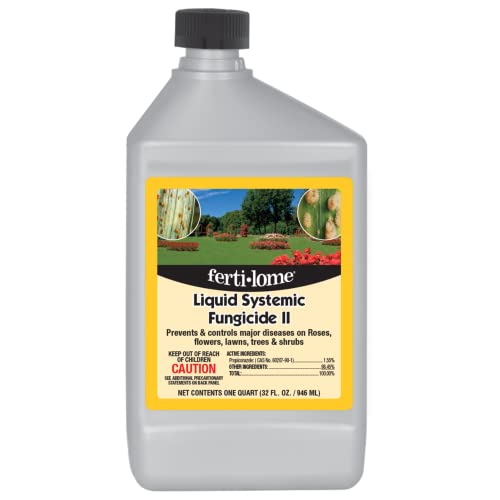
Fertilome 11378 Liquid Systemic Fungicide II, 32 oz

Earth’s Ally Disease Control Fungicide Concentrate, 32 oz

Grower’s Ally Crop Defender 3 Concentrate, 24 oz

Earth’s Ally 3-in-1 Plant Spray, 32 oz

Garden Safe Fungicide3 with Neem Oil, 1 Gal

BioAdvanced 3-in-1 Insect, Disease, and Plant Mite Control, 24 oz

Bonide Captain Jack’s Rose Rx 4-in-1, 32 oz
A Closer Look At Each Pick
For a succulent shelf that sees a steady drip of new plants from nurseries and swaps, the Fertilome 16116 Fungicide 5 takes the friction out of treating. It comes ready to spray, which means you skip the measuring cup and the worry about getting ratios wrong on a sensitive haworthia. Coverage includes a long list of common fungal problems: blights, mildews, leaf spots, and rots, all of which show up on indoor succulents when humidity drifts up or airflow drops.
Compared to concentrate-only picks later in this list, the trade-off is value-per-ounce. You pay for convenience. Storage is simple since the bottle is already mixed, and cleanup is just a rinse of the sprayer nozzle.
Strong Points
- Pre-mixed formula removes measurement errors, which matters on small, slow-growing succulents where dosing mistakes linger.
- Broad fungal coverage targets powdery mildew, leaf spot, and rot, the three issues most likely to appear on a windowsill collection.
- Works indoors and outdoors, so a single bottle handles a sunroom shelf and a patio pot without switching products.
- 32 oz size covers a typical home collection through several treatment cycles.
Things To Consider
- Spray application means foliage stays wet briefly after treatment, so good airflow is essential to prevent new fungal issues from forming.
- Concentrate versions typically cost less per ounce for very large collections, a worthwhile swap if you treat dozens of plants each month.
Who It Suits Best
Anyone with a small to mid-size mixed succulent collection who wants a reliable, no-prep spray for occasional outbreaks.
Consider Something Else When
Growers managing dozens of plants on a tight budget may prefer the Fertilome 11378 Liquid Systemic Fungicide II concentrate, which stretches further per dollar.
When a fungal problem keeps coming back across a whole bench of succulents, a contact spray often feels like whack-a-mole. The Fertilome 11378 Liquid Systemic Fungicide II works differently. A systemic fungicide is absorbed by the plant and moves through its tissue, so it reaches fungus that hides in the stem or at the soil line. The 32 oz concentrate is mixed with water, which means you control the strength of every application.
This is the kind of product serious collectors reach for when they’re losing the same plants to the same disease every season. If the Fungicide 5 in pick 1 is your first-aid kit, this is the long-game choice.
Useful Touches
- Systemic action protects new growth as it emerges, which matters on succulents that take months to push out fresh leaves.
- Targets tough diseases like take-all patch, brown patch, and dollar spot, names you’ll recognize if your collection shares space with a lawn.
- One concentrate bottle yields many gallons of mixed solution, lowering the per-treatment cost across a large collection.
- Mixing lets you adjust strength for delicate plants versus hardier outdoor varieties.
Worth Noting
- Requires accurate mixing, and concentrated fungicide mistakes are harder to rinse off a fuzzy-leaf succulent like kalanchoe.
- Application early in the growing season tends to give the most reliable results, so timing matters more than with a contact spray.
Feature Snapshot
Made For
Collectors managing recurring fungal issues across a large outdoor or greenhouse succulent collection who don’t mind mixing their own batches.
A Better Fit Elsewhere
Casual indoor growers with one windowsill of plants will find Earth’s Ally Disease Control easier to live with, no measuring required.
For households that prefer to keep chemical fungicides away from curious pets and small children, the Earth’s Ally Disease Control Concentrate offers a citric-acid-based approach. The active ingredient is the same acid found in citrus fruit, which breaks down quickly and doesn’t leave the harsh residue that synthetic formulas can. It treats the usual suspects: powdery mildew, downy mildew, black spot, leaf spot, blight, and canker.
The trade-off is performance on aggressive infections. For routine prevention and early-stage outbreaks, this concentrate handles the job well. In a serious epidemic, you may want the heavier-duty systemic pick above.
What Helps Most
- Citric acid base breaks down safely, a real plus in living rooms where pets brush past plants or kids help with watering.
- Broad disease coverage means one bottle covers most common succulent fungal complaints.
- Concentrate format gives you control over dilution strength for sensitive plants like lithops or split-rock succulents.
Trade Offs
- Contact-action only, so reapplication is needed and it won’t reach fungus already inside plant tissue.
- Citric acid works best in early-stage infections, so a heavily rotted crown may need a stronger alternative.
Quick Facts
Perfect Match For
Indoor succulent growers who share their space with cats or dogs and want a gentler alternative to synthetic fungicides.
Skip It When
Anyone facing an aggressive, fast-spreading rot across a whole collection should reach for Fertilome 11378 Liquid Systemic Fungicide II for stronger systemic protection.
When one shelf holds succulents, herbs, and a few houseplants, the problems rarely stay in their lane. Spider mites drift from a calathea onto a nearby echeveria. Powdery mildew shows up wherever humidity lingers. The Grower’s Ally Crop Defender 3 Concentrate is built for exactly that mixed reality. A botanical-oil blend acts as a fungicide, miticide, and insecticide in one bottle, designed for weekly use as a preventative.
The smaller 24 oz size targets growers who don’t need bulk supply. Available in 8, 32, and 128 oz sizes, this concentrate scales with collection size.
Features That Help
- Triple-action formula tackles powdery mildew, spider mites, and soft-bodied insects in a single spray, a real time-saver on mixed shelves.
- Built-in surfactant (a wetting agent that helps the spray spread evenly across waxy succulent leaves) means better coverage without buying a separate product.
- Weekly preventative use keeps populations low before they become infestations, a smarter approach than waiting for visible damage.
Small Caveats
- Botanical oils can clog stomata (the tiny pores succulents use to breathe) on fuzzy-leaved varieties, so test a single leaf before full coverage.
- Smaller 24 oz bottle runs out faster on a large greenhouse, where the 128 oz version makes more sense.
Best Suited To
Growers juggling succulents alongside herbs, houseplants, and vegetables in a shared indoor or greenhouse space.
Look Elsewhere When
Pure succulent-only collections with no pest pressure will get more focused fungal control from Earth’s Ally Disease Control Concentrate.
The Earth’s Ally 3-in-1 Plant Spray skips the concentrate step entirely. You point, you spray, you’re done. Inside the bottle is a botanical-oil blend that tackles soft-bodied insects and the most common fungal diseases, the same two problems that drive most succulent care calls. The 32 oz ready-to-use format makes this a good grab-and-go option for a small shelf where you only need a spritz now and then.
Compared to the Earth’s Ally Disease Control Concentrate earlier in this list, the trade-off is dilution control. You get a fixed-strength formula instead of adjustable mixing, which is a wash for casual growers but a real limitation for anyone tailoring doses to finicky specimens.
The Good Stuff
- Ready-to-use format means no measuring, no mixing, and no risk of over-strength doses on tender plants.
- Plant-based essential-oil blend keeps the chemistry gentle enough for indoor living spaces.
- Acts like insecticidal soap (a soap-based spray that disrupts soft insect bodies on contact) while also handling fungal issues, simplifying routine care.
Honest Caveats
- Fixed concentration limits flexibility for growers who want to adjust strength by plant type.
- Contact action requires direct coverage, so the underside of leaves and tight rosettes need careful aiming.
Key Product Details
Right Fit For
Anyone with a small indoor succulent collection who values convenience over customization and wants one product for both pests and mildew.
Another Choice May Suit
Growers wanting stronger fungal control on a large collection should look at Fertilome 11378 Liquid Systemic Fungicide II, which absorbs into plant tissue.
Neem oil has been a go-to fungicide for organic gardeners for decades, and the Garden Safe Fungicide3 condenses three jobs into one bottle: fungicide, insecticide, and miticide. The active ingredient is clarified hydrophobic extract of neem oil, which is neem oil processed to mix with water. The 1-gallon size is built for serious use, enough to cover a large patio, a row of outdoor containers, or a small greenhouse across an entire growing season.
Where it shines is scale. For a single windowsill, this is overkill. For a backyard full of succulents mixed with vegetables and ornamentals, the bulk size pays for itself quickly.
What Earns Its Place
- Three-way action means one product covers fungal diseases, aphids, whiteflies, and spider mites, simplifying routine care.
- Approved for organic gardening, fitting into routines that avoid synthetic fungicides.
- Bulk 1-gallon size lowers per-ounce cost for outdoor and patio collections.
- Works on a wide range of plants beyond succulents, including roses, fruits, vegetables, and ornamentals.
Points To Note
- Strong neem odor lingers briefly after application, so indoor use requires good ventilation.
- 1-gallon container is bulky to store, more than a casual indoor grower typically needs.
Feature Card
Who Should Grab It
Outdoor patio and yard growers with large mixed plantings who want one bulk product to cover fungal and pest issues across the whole garden.
Swap It Out When
Indoor-only growers with a small shelf will find the smaller Earth’s Ally 3-in-1 Plant Spray a better fit for daily use.
The BioAdvanced 3-in-1 is the suburban-yard workhorse of this list. It covers insect control, disease control, and plant mite control in a single ready-to-use spray, designed for flowering plants, trees, and shrubs. The 24 oz bottle is a comfortable middle-ground size, smaller than a 1-gallon bulk container but bigger than a typical houseplant spray.
For succulents planted alongside roses or other ornamentals, the broad coverage is the main draw. You can treat the whole bed without switching products mid-spray.
What It Does Well
- Listed-disease coverage includes black spot, powdery mildew, and rust, three of the most common fungal problems on outdoor ornamentals.
- Kills listed insects on contact, useful when aphid or whitefly pressure spikes after warm spring weather.
- Spray-and-go format avoids mixing mistakes, which matters for casual weekend gardeners.
Things To Weigh
- Synthetic chemistry, so it’s not a fit for organic-focused routines where neem or citric-acid picks are preferred.
- 24 oz bottle runs through quickly on a large yard, so larger collections may go through multiple bottles per season.
Who Will Love This
Suburban homeowners with mixed ornamental beds who want one spray to handle fungal and insect issues across roses, shrubs, and outdoor succulents.
Reach For A Different Pick When
Organic-focused gardeners should choose Bonide Captain Jack’s Rose Rx 4-in-1, which uses cold-pressed neem as its active base.
Captain Jack’s Rose Rx 4-in-1 takes neem-oil fungicides a step further. The active ingredient is cold-pressed neem oil, processed without heat to preserve more of the natural compounds that make neem effective. The four-in-one label covers biological fungicide, insecticide, miticide, and nematicide (a treatment that targets microscopic roundworms in soil), giving it a broader role than the average plant spray.
The 32 oz ready-to-use bottle lands between a small houseplant sprayer and a full gallon, a sweet spot for a balcony collection or a modest patio garden. For organic-focused routines, the cold-pressed neem base is a meaningful upgrade from clarified neem alternatives.
Points In Its Favor
- Cold-pressed neem retains more natural fungicidal compounds, offering a richer organic option than heat-processed alternatives.
- Four-way action adds nematicide coverage, which protects soil-dwelling roots from parasitic roundworms.
- Plant-based formula fits into organic gardening routines that avoid synthetic chemistry.
Trade-Offs To Consider
- Stronger neem aroma than diluted concentrates, so apply in well-ventilated spaces or outdoors.
- Ready-to-use format means you can’t dilute for sensitive plants, a limitation for growers with mixed collections.
Feature Rundown
Whose Shelf It Belongs On
Organic-focused growers with a balcony or small patio succulent collection who want broad-spectrum protection from a plant-based formula.
Where A Sibling Pick Shines
Growers wanting the same organic philosophy in concentrate form should consider Garden Safe Fungicide3 with Neem Oil, which offers bulk value and adjustable dilution.
What To Look For When Choosing Fungicides For Succulents
Match The Formula To Your Setting
Indoor and outdoor collections have very different needs. Indoor shelves usually benefit from gentler, plant-based formulas like citric acid or neem oil, where ventilation is limited and curious pets share the space. Outdoor patios and yards can handle stronger synthetic formulas with broader coverage, where airflow is stronger and treatments dry quickly. Matching the product to the environment prevents over-treatment, which is just as harmful to succulents as the fungus you’re trying to stop.
Concentrate Or Ready-To-Use
Concentrates cost less per ounce and let you adjust dilution for sensitive plants, but they require accurate measuring and a dedicated sprayer. Ready-to-use sprays trade flexibility for convenience, ideal for small collections where measurement mistakes are a real risk. For collections under 20 plants, a ready-to-use spray is usually the smarter buy. Beyond that scale, concentrates start paying for themselves in lower per-treatment cost.
Contact Versus Systemic Action
A contact fungicide stays on the plant surface and kills fungus it touches directly, which works well for early-stage or surface-level infections. A systemic fungicide is absorbed into the plant and moves through its tissue, reaching fungus that hides inside stems or at the soil line. For recurring problems that survive multiple contact treatments, a systemic product like Fertilome 11378 is the better long-game choice. For occasional outbreaks on a small shelf, contact sprays are usually enough.
Watch For Multi-Action Formulas
Many modern products combine fungicide with insecticide or miticide, useful when your succulents share space with other plants that face pest pressure. If your collection is purely succulents, a dedicated fungicide keeps treatment focused. If the shelf includes herbs, vegetables, or ornamentals, a 3-in-1 or 4-in-1 product simplifies the routine. The trade-off is precision: broader products sometimes treat diseases less aggressively than dedicated formulas.
Things To Watch Before You Buy
Where First-Timers Slip Up
The most common mistake is treating fungus only after it spreads, when prevention is the easier path. Routine checks for early white patches, black spots, or soft crowns catch problems before they reach the whole shelf. Another trap is over-applying, which leaves excess moisture on the leaves and invites new fungal growth. Succulents need dry conditions to thrive, so any spray should be followed by good airflow and a dry-down period. Skipping the label reading is the third slip. Coverage lists vary widely between products, and using a fungicide that targets the wrong disease wastes a treatment cycle.
When The Higher Tier Pays Off
Premium and concentrate formulas earn their price through systemic action, broader disease coverage, and lower per-ounce cost at scale. For a casual indoor grower, the extra money rarely shows up as visible results. For a serious collector or a commercial grower, systemic protection and adjustable concentration translate to healthier plants and fewer repeat treatments. The honest read is that the upgrade is worth it once your collection passes a certain size or once fungal pressure becomes a recurring problem rather than a one-off event.
Frequently Asked Questions
How Often Should I Apply Fungicide To Succulents?
Most fungicide applications are spaced 7 to 14 days apart, depending on the product and disease pressure. Always follow the label directions for your specific formula, and avoid reapplying sooner than recommended to prevent residue buildup on leaves.
Can I Use Any Fungicide On All Succulent Types?
Most formulas work across common succulents, but fuzzy-leaved varieties like some kalanchoe and certain echeveria hold moisture longer and may react to oil-based sprays. Test a single leaf before treating the whole plant, especially with botanical-oil products.
Is It Safe To Spray Fungicide Near Pets?
Citric-acid and plant-based formulas like Earth’s Ally are gentler around pets, but no fungicide should be applied directly to pet food, water dishes, or areas where animals lick plants. Ventilate the room after any spray application.
What’s The Difference Between A Fungicide And A Neem-Oil Product?
A fungicide targets fungal diseases specifically, while a neem-oil product often combines fungicide, insecticide, and miticide action. Neem-oil formulas are versatile but may leave residue on fuzzy leaves and carry a stronger aroma during application.
Should I Treat Succulents Preventatively Or Only When Sick?
Preventative treatments work best during humid seasons or after bringing new plants home, before visible disease appears. Curative treatments handle active outbreaks but may not save severely damaged plants. A light preventative routine is usually easier than fighting an established infection.
Closing Remarks
The right fungicide for your succulents comes down to your collection’s size, your tolerance for mixing concentrates, and whether you prefer organic or synthetic formulas. Start with the smallest bottle that matches your routine, treat at the first sign of trouble, and give your plants airflow after every spray. Healthy succulents are built on dry conditions, careful observation, and the right product on hand before you need it.
