

A row of tomato plants turning yellow at the bottom leaves is the kind of problem that ruins a whole season if you let it run. Fungal diseases like early blight, septoria leaf spot, and powdery mildew spread fast in humid weather, and once a tomato patch is fully infected, recovery gets expensive and slow. Picking the right fungicide before symptoms show up, or right when they appear, saves the harvest and keeps the rest of the garden from getting sick. The list below covers seven options for organic and conventional gardeners, with strengths and honest trade-offs for each.
An Overview Of The Picks
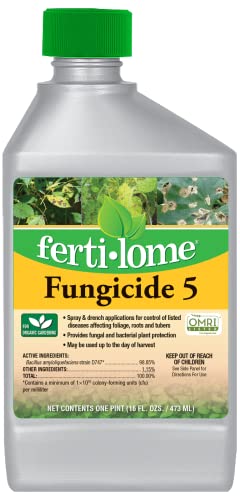
Fertilome 16112 Fungicide 5 Concentrate, 16 oz

Earth’s Ally Disease Control Fungicide Concentrate, 32 oz

Grower’s Ally Crop Defender 3 Concentrate, 24 oz

Earth’s Ally 3-in-1 Plant Spray, 32 oz

Garden Safe Fungicide3 with Neem Oil, 1 Gal

Root 98 Warehouse Garden Friendly Bio Fungicide, 8 oz

BioAdvanced 3-in-1 Insect, Disease & Mite Control, 24 fl oz
Taking A Closer Look At The Options
Fertilome Fungicide 5 is a concentrate that covers a wide net of tomato troubles in one bottle, which makes it a sensible starting point when you don’t yet know exactly which disease is creeping into the patch. You mix it with water and spray on tomatoes, peppers, and most other vegetables, so the same jug handles multiple beds without buying a second product.
The bottle is a manageable 16 ounces, easy to store on a shelf between seasons. It works indoors on houseplants and outdoors on ornamentals too, so a single container can stretch across the whole property. Most home gardeners with a few raised beds and a couple of patio containers will get through a full season with one bottle to spare.
Useful Touches
- Multi-disease formula tackles blights, mildews, leaf spots, and rots in a single product
- Concentrate format means you control dilution strength for both prevention and active outbreaks
- Label covers vegetables, ornamentals, fruit trees, shrubs, and lawns, so one bottle covers a diverse yard
- Works indoors and outdoors, a real convenience for growers who move seedlings between windows and patio
- For most home gardens, 16 ounces mixes out to several gallons of finished spray
Worth Noting
- As a concentrate, you need a dedicated sprayer and a small amount of measuring care
- Mixing fresh batches each time is less convenient than a ready-to-spray bottle for quick touch-ups
- Reapplication on a schedule is the norm, so plan around weekly trips to the garden
Right Fit For
Garden owners with several raised beds and a working knowledge of basic pesticide mixing who want one reliable jug for multiple disease threats.
Consider Something Else When
Gardeners with kids and pets roaming the rows should compare the Earth’s Ally Disease Control Concentrate, which uses a citric-acid base that many households prefer around edibles.
Earth’s Ally Disease Control is built around citric acid, which puts it in a different category than the conventional chemistry in Fertilome. For organic-minded growers, that active ingredient is the whole point, since it clears up the same common blights and mildews without the stronger synthetic residues.
The 32-ounce bottle doubles the volume of the Fertilome jug, so it suits a larger plot or a multi-bed backyard where you spray often. Because the active ingredient is a food-grade acid, you can spray closer to harvest with fewer worries, which matters when the tomatoes are ripening fast and the kids grab them off the vine.
Practical Advantages
- Citric-acid base, not synthetic chemistry, and a familiar pick for organic gardening households
- Targets powdery mildew, downy mildew, blight, canker, black spot, and leaf spot in one formula
- Larger 32-ounce bottle stretches through a full season on a moderate-sized vegetable garden
- Safe profile around people, pets, and the surrounding soil when used as directed
Trade Offs
- Concentrate format still requires a sprayer and clean water, so it isn’t a grab-and-spray option
- Citric-acid fungicides tend to need more frequent reapplication than synthetic chemistry in heavy disease pressure
Feature Snapshot
Made For
Vegetable gardeners with curious dogs, small children, or a strong preference for organic methods who want a softer active ingredient on food crops.
Look Elsewhere When
Tomato growers facing a heavy, fast-moving infection on a commercial-style plot should consider Fertilome Fungicide 5, which has a broader chemical reach against stubborn blights.
Grower’s Ally Crop Defender 3 earns the “triple-action” label honestly, combining a miticide, an insecticide, and a fungicide in one bottle. The active ingredients are botanical oils, with a surfactant (a soap-like helper that lets the spray spread evenly across waxy leaves) already mixed in, so coverage on tomato foliage is even and thorough.
It’s designed for weekly use during the growing season, which fits the way most home growers already work the sprayer. You can pick up the 24-ounce size for a small plot or step up to 128 ounces for a serious backyard operation, and the same formula covers both.
Bright Spots
- One bottle tackles powdery mildew, spider mites, thrips, aphids, and other soft-bodied insects together
- Built-in surfactant means no extra additives and better leaf coverage in a single pass
- Botanical-oil formula fits organic gardening programs without sacrificing triple-action reach
- Weekly-use schedule lines up with the natural rhythm of tomato maintenance
Minor Gripes
- Oil-based sprays can leave a faint residue on glossy leaves until the next rain
- Concentrate form means mixing, so it isn’t a grab-and-go option for quick spot treatments
Feature Card
Best Suited To
Tomato growers dealing with both disease and pest pressure who want one weekly spray that handles mites, aphids, and mildew at the same time.
Skip It When
Growers who already run a separate miticide schedule and only need disease control should consider Earth’s Ally Disease Control Concentrate for a simpler routine.
Earth’s Ally 3-in-1 is the ready-to-use sibling of the concentrate in pick 2, and the trade-off is simple: no mixing, no measuring, no leftover solution. The bottle arrives pre-diluted, and you point and spray, which is genuinely useful when you spot a single infected leaf on a Sunday afternoon.
The botanical-oil formula is gentle on houseplants and edible crops alike, so the same bottle can move between a windowsill herb garden and the outdoor tomato patch without a second thought.
The Upside
- Pre-mixed bottle means zero measuring, zero waste, and zero cleanup of a sprayer
- Botanical-oil formula handles common tomato diseases and soft-bodied insects in one spray
- Useful indoors and out, so a single bottle covers houseplants, herbs, and outdoor vegetables
- Convenient trigger-style bottle suits quick touch-ups on a small number of plants
Points To Note
- Ready-to-use format costs more per ounce than a concentrate, so it isn’t the budget option for a big garden
- Trigger sprayers can tire out hands during a long session on a large plot
Who Will Love This
Small-space growers and weekend gardeners who want a no-fuss bottle for spot treatments and a few tomato plants rather than a bulk jug.
Reach For A Different Pick When
Anyone running a larger tomato bed with weekly spray rotations will save by switching to the Garden Safe Neem Oil concentrate in pick 5.
Garden Safe’s Fungicide3 is the gallon-sized answer for organic gardeners with serious tomato real estate. The active ingredient is clarified hydrophobic extract of neem oil, a refined form of neem oil that mixes more cleanly with water than raw neem, and that single ingredient pulls triple duty as a fungicide, insecticide, and miticide.
One gallon is a commitment, and it suits a grower who already knows the routine and is ready to refill a pump sprayer every couple of weeks. For the right hands, the bulk size keeps the per-application cost down considerably.
A Few Strong Suits
- Neem-oil extract covers black spot, rust, and powdery mildew, plus aphids, whiteflies, and spider mites
- Gallon size makes sense for organic gardeners with a multi-bed vegetable plot
- Approved for use on roses, flowers, houseplants, fruits, and vegetables, so the jug covers the whole property
- Three-in-one formula means fewer bottles crowding the shed
Honest Caveats
- Neem oil has a distinctive sulfur-like smell that lingers for a few hours after spraying
- Gallon size is heavy to haul to the garden and overkill for a small patio setup
- Spraying in direct sun or extreme heat can occasionally cause leaf burn on tender tomato foliage
Feature Rundown
Whose Shelf It Belongs On
Established organic vegetable gardeners with a big backyard plot and a pump sprayer already in the shed.
Not Your Match When
Apartment balcony growers with two or three tomato pots will find the Earth’s Ally 3-in-1 ready-to-use bottle in pick 4 far easier to handle.
Root 98 Warehouse Garden Friendly Bio Fungicide works on a different principle than the other picks here. Rather than spraying a chemical on the leaves, it delivers a beneficial bacteria (Bacillus amyloliquefaciens strain D747) that colonizes the leaf and root surfaces, crowding out the fungi before they can take hold.
The 8-ounce size is a smart way to try a biofungicide without committing to a gallon jug, and the same active ingredient is approved for vegetables, fruits, ornamentals, and lawns. For first-timers who want to learn the biological route without a steep learning curve, this is a low-pressure entry point.
A Favorable Mix
- Beneficial bacteria approach gives organic gardeners a soil-friendly alternative to chemical sprays
- Works on a wide spread of plants, including vegetables, fruits, ornamentals, and turf
- Small 8-ounce size is easy to mix and ideal for first-time biofungicide users
- Targets common tomato issues like leaf spots, blights, mildews, rusts, and bacterial spot
Soft Spots
- Biological products work best as prevention, so timing matters more than with a chemical rescue spray
- Smaller bottle is less economical per ounce than the bulk Garden Safe option in pick 5
Perfect Match For
Organic-minded beginners who want to learn the biological approach on a small vegetable patch before scaling up.
A Better Fit Elsewhere
Gardeners already locked into a weekly neem-oil routine will get more mileage from the Garden Safe Fungicide3 in pick 5.
BioAdvanced 3-in-1 is a ready-to-spray bottle aimed at the gardener who wants one product to cover insects, mites, and disease without thinking too hard about which problem is which. The label covers black spot, powdery mildew, rust, plus common offenders like Japanese beetles, aphids, and whiteflies.
For mixed flower and tomato beds where multiple problems show up at once, having a single bottle in the shed removes the guesswork. The 24-fluid-ounce ready-to-use format means you just hook up a hose or squeeze the trigger and start spraying.
The Helpful Details
- Single bottle handles insects, mites, and disease on flowering plants, trees, and shrubs
- Ready-to-use format skips measuring and mixing on a busy weekend
- Targets both fungal issues like black spot and pest issues like Japanese beetles in one pass
- Useful on ornamentals, which means the same jug covers the rose bed and the tomato patch
Possible Compromises
- Triple-action products sometimes do everything adequately without excelling in any one area
- Ready-to-use bottles cost more per ounce than concentrates for gardeners with larger plots
Who Should Grab It
Garden owners who want one bottle to cover several common problems on mixed ornamental and tomato beds without running a separate schedule for each.
Swap It Out When
Pure-organic households will prefer the Earth’s Ally Disease Control Concentrate in pick 2, which avoids the synthetic active ingredients in BioAdvanced’s formula.
Picking The Right Tomato Fungicide For Your Garden
Tomato disease control comes down to three things: which disease is hitting your patch, how often you’re willing to spray, and what kind of active ingredient you’re comfortable using on food crops. The first decision is usually organic versus conventional. Organic options like neem oil, citric acid, and beneficial bacteria cost more per application but fit gardens with kids, pets, and edible crops in the rotation. Conventional chemistry, like the active ingredients in Fertilome Fungicide 5, often lasts longer between sprays and works on stubborn infections, but it asks for more careful handling around harvest.
Concentrate versus ready-to-use is the second decision. Concentrates cost less per ounce and let you dial the strength up or down, but they need a sprayer, measuring, and a bit of cleanup. Ready-to-use bottles are grab-and-spray, which suits a smaller garden or anyone who treats tomato care as a Sunday chore rather than a weekend project.
Coverage on the label matters more than most gardeners realize. A bottle that lists only tomatoes is fine for a single bed, but a product approved for fruits, vegetables, ornamentals, and turf stretches the same purchase across the whole property. For most backyard growers, that flexibility is worth a slight premium.
Finally, check the bottle size honestly. A gallon of concentrate is a great value per ounce, but only if you actually own a pump sprayer and have enough tomato plants to use it before the season ends. For a small patio, an 8-ounce bottle or a 24-ounce ready-to-use spray makes more sense, and you’ll use every drop.
Key Considerations Across These Picks
Pitfalls Shoppers Hit
One common mistake is reaching for a fungicide only after the disease has already spread. By the time a tomato plant shows obvious yellow spotting, the fungus has usually been working for a week or more, and a single rescue spray rarely clears it up. The more dependable approach is a preventive schedule starting when the plants go into the ground, especially in humid climates.
Another trap is buying a concentrate and under-mixing it, or buying a ready-to-use bottle and expecting it to cover a huge garden. Concentrates only work as labeled when the ratio is right, and ready-to-use bottles run out fast on anything more than a handful of plants. Match the size to the plot, and you’ll actually finish the bottle before the season ends.
Where The Extra Money Goes
Higher-tier fungicides in this category tend to cost more because they use a more refined active ingredient, like clarified hydrophobic neem oil instead of raw neem, or because they bundle multiple functions in one bottle, like a triple-action miticide-insecticide-fungicide. The upgrade usually pays off when you have a larger garden where a single product replaces three separate purchases, or when the active ingredient is gentle enough to use closer to harvest without worry. For a small patio, the cheaper option almost always wins. For a serious backyard operation, the time savings from a multi-function bottle is where the real value shows up.
Frequently Asked Questions
When should I start spraying fungicide on tomatoes?
Most home growers start preventive spraying two to three weeks after transplanting, when the plants have settled in and new growth is pushing out. In humid regions, a weekly schedule from that point through the hottest weeks of summer keeps early blight and septoria from getting a foothold.
Can I use the same fungicide on tomatoes and other vegetables?
Most of the products on this list have labels covering a range of vegetables, fruits, and ornamentals, but the exact list varies by product. Always read the label before spraying anything you plan to eat, and stick to the crops specifically listed.
Are organic fungicides actually effective on tomatoes?
Organic options based on neem oil, citric acid, and beneficial bacteria can be effective, though they often need more frequent reapplication than synthetic chemistry. For most home gardeners in a normal season, an organic product used on a steady schedule is a reliable path to a clean harvest.
Is it safe to spray fungicide close to harvest?
Botanical and biological products are generally safer closer to harvest than conventional chemistry, but every label has a pre-harvest interval, the minimum number of days to wait between spraying and picking. Check the product label for the exact number and follow it, regardless of how natural the active ingredient sounds.
How do I know which disease is on my tomatoes?
Tomato diseases look similar in the early stages, so a clear photo and a quick comparison chart from your local cooperative extension service is a practical shortcut. A fungicide that lists the suspected disease on the label is a safer bet than guessing and grabbing a generic bottle.
Closing Remarks
The right fungicide for your tomatoes depends on the size of your plot, the level of disease pressure, and how you feel about the active ingredients you’re spraying on food. Start with a clear read of the problem, pick a product that matches your comfort level and the size of the job, and keep a steady schedule through the season. Healthy vines in mid-summer are the payoff for a few well-timed sprays in spring.
