

Healthy beds start with the right growing medium, and the wrong bag leaves roots soggy, starved, or sitting in concrete. Whether you’re refreshing houseplants, building a raised bed, or just trying to level a patchy lawn, the product you spread underneath sets the tone for everything that grows on top. This roundup focuses on the garden dirts, soil blends, and digging tools that quietly do the heavy lifting for indoor and outdoor projects alike.
A Side-By-Side Look

Miracle-Gro Organic Indoor Potting Mix (16 qt.)

Ashman Heavy-Duty Digging Shovel (41-Inch)

Miracle-Gro Potting Mix Outdoor Containers (8 qt., 3-Pack)

Avalution Organic Coconut Coir Bricks (6-Pack)

Omitgoter Organic Potting Soil Mix (1 qt.)

Scotts Premium Top Soil (0.75 cu. ft.)

Espoma Organic Vegetable & Flower Garden Soil (1 cu. ft.)
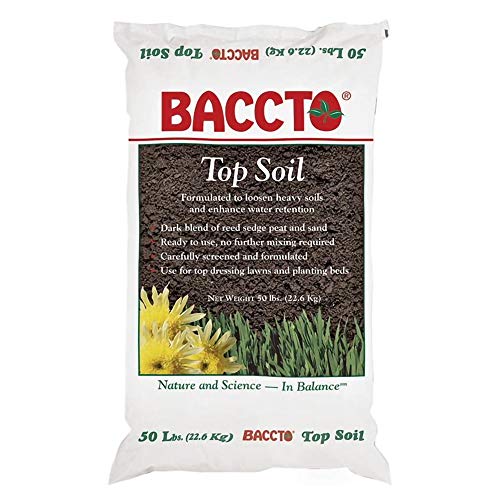
Michigan Peat Baccto Topsoil (50 lb)
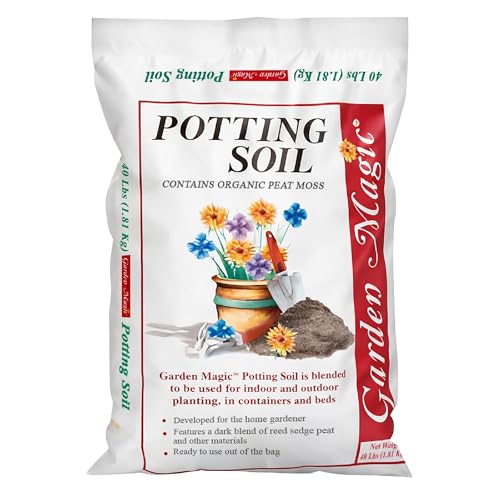
Michigan Peat Garden Magic Potting Soil (40 lb)

Espoma Organic Raised Bed Mix (1.5 cu. ft.)
Why These Options Stand Out
Anyone with more than a handful of houseplants knows the usual trouble: water runs straight through, or the pot stays soggy for days. Miracle-Gro’s indoor blend leans on coconut coir (a fibrous byproduct of coconut husks that holds moisture without compacting) and sphagnum peat moss to soften that swing, which is helpful for forgetful waterers and overcautious ones alike. The 16-quart bag covers a respectable number of mid-size pots without dominating a closet shelf.
For urban apartments where natural light and humidity already work against you, that forgiving texture buys a little margin for error. A quick-start natural fertilizer gives newly potted cuttings something to feed on right away, so transplant shock is less of a setback.
Standout Benefits
- Coir and peat moss balance water retention and airflow in enclosed pots.
- Quick-start natural fertilizer helps cuttings establish without an extra feeding step.
- 16-quart size covers roughly four to six medium pots, depending on root ball size.
- Lightweight enough to haul upstairs to a high window without strain.
Things To Consider
- Organic feeding means nutrients taper off sooner than synthetic blends, so plan a follow-up feed.
- The bag is large for a single small plant, and storage in a cool, dry corner is necessary to keep it fresh.
Who Will Love This
City dwellers juggling a dozen indoor pots, especially in low-humidity apartments where soil dries too fast.
Skip It When
The Omitgoter Organic Potting Soil Mix is a better fit for windowsill herb gardeners working with tiny pots.
Once you shift from pot work to actual beds, the right shovel saves your back and your timeline. The Ashman 41-inch digging shovel pairs a long shaft with a pointed trenching blade, which makes breaking into compacted clay noticeably easier than a flat-edged spade. The blade shape doubles as a scooping tool for compost, gravel, and loose garden dirts, so you can move material between beds without swapping tools.
Landscape projects in particular benefit from the longer handle, since the leverage lets you pry up sod and root masses without throwing out your shoulders. For raised bed builds, the same tool handles trenching for irrigation lines or edging.
Everyday Advantages
- Pointed trenching blade cuts through sod and compacted soil cleanly.
- 41-inch shaft adds leverage for taller gardeners, reducing stoop strain.
- Pulls double duty for scooping compost, mulch, and gravel during bed prep.
Points To Note
- Heavier than a border spade, so a shorter user may find the length awkward.
- Owners commonly report wiping the blade dry after use to prevent surface rust, especially in wetter climates.
Key Specs
Whose Shelf It Belongs On
Homeowners tackling weekend landscaping, raised bed builds, or any project that involves moving real volumes of soil or gravel.
Look Elsewhere When
Apartment dwellers with only a balcony herb garden will find the Miracle-Gro Organic Indoor Potting Mix a smarter, lighter investment.
Outdoor container soil lives a tougher life than its indoor cousins. Wind, heat, and rain leach nutrients fast, and a poor mix collapses into a dense brick within a season. The Miracle-Gro outdoor container blend is built for that punishment, with a coarse texture that resists compaction and a slow-release feed that keeps patio pots, window boxes, and front porch planters going for months.
Three bags of 8 quarts cover a full refresh of a sizable container collection in one trip. Compared to the indoor mix, this one trades some water-holding finesse for sturdier drainage, which is exactly what outdoor pots need once summer storms hit.
Good Reasons To Consider
- Feeds container plants for up to six months, reducing midseason feeding chores.
- Coarser texture supports airflow and drainage in larger outdoor pots.
- Three-pack format suits gardeners who repot multiple containers each spring.
Worth Noting
- The feed claim assumes typical outdoor use; very hot patios may shorten the effective window.
- Bags are bulky to store, so a garage or shed is helpful.
Built With In Mind
Container gardeners running a patio full of annuals, herbs, and dwarf shrubs who want fewer midseason feeding reminders.
A Better Fit Elsewhere
Espoma Organic Raised Bed Mix is the stronger match for anyone filling a new raised bed this season.
Coir bricks aren’t soil, exactly, and that’s the point. Avalution’s six-pack arrives as compact blocks about the size of a brick, then expands several times over when you add water, turning into a fluffy, peat-free medium you can mix into your existing garden dirts. Coconut coir is the fibrous inner husk of the coconut, and its low electrical conductivity (a measure of salt content) and balanced pH make it friendly to a wide range of plants.
The format matters for anyone short on storage. Six small bricks tuck into a closet where a comparable volume of bagged soil would not. For seed-starting or blending into denser native soil, this is a tidy, repeatable option.
The Upside
- Compressed format shrinks storage space and simplifies transport.
- Low EC and balanced pH suit most flowers, herbs, and vegetables without amendments.
- Peat-free alternative for gardeners watching their environmental footprint.
Honest Caveats
- Bricks need soaking time before use, so plan ahead for the season’s first mix.
- Coir alone has little nutrient content, so pairing it with a fertilizer is wise.
Quick Facts
Right Fit For
DIY soil blenders, seed starters, and anyone who wants to lighten heavy native soil without hauling bulky amendments.
Reach For A Different Pick When
You want a complete ready-to-pour medium; the Omitgoter Organic Potting Soil Mix arrives pre-blended and ready to scoop.
Tiny projects need tiny bags. The Omitgoter 1-quart mix targets the windowsill herb crowd and the propagator with a handful of starter pots, where a 16-quart sack is just dead weight. The blend pulls together peat moss, coconut coir, perlite (a lightweight volcanic glass that keeps soil airy), worm castings, and humus, so even at this small size you’re getting a fairly complete starter environment for cuttings and young herbs.
It’s also a low-commitment way to test a brand before sizing up to a larger bag for bigger pots. For renters and studio dwellers, the small footprint is the real selling point.
Key Advantages
- Compact 1-quart bag fits a kitchen drawer or narrow pantry shelf.
- Worm castings and humus add organic nutrients for tender young roots.
- Perlite content keeps the texture loose for cuttings and herb seeds.
Small Caveats
- One quart covers only a few small pots, so larger projects demand multiple bags.
Best Suited To
Apartment cooks growing a kitchen herb trio and beginners testing a propagation setup for the first time.
Where A Sibling Pick Shines
The Avalution Coconut Coir Bricks make more sense for seed-starting operations that scale up over time.
Most “dirt” jobs aren’t really about growing anything. They’re about filling low spots in the lawn, evening out a freshly tilled bed, or patching a gouge left by a removed stump. Scotts’ premium topsoil is built for exactly that: a lighter blend of organic materials and sphagnum peat moss that spreads easily with a rake and doesn’t clump like heavier native soil.
For lawn-leveling work, the consistency matters. Stones, sticks, and clods interrupt a smooth grade, and Scotts’ screened texture minimizes that frustration. It’s a working bag, not a showpiece, and that practicality is the point.
Practical Advantages
- Screened texture reduces rocks and clods that interrupt a level grade.
- Peat moss blend holds moisture long enough for grass seed to germinate.
- Lighter than raw topsoil, so a 0.75 cu. ft. bag is manageable for one person.
Trade Offs
- Best for shallow fills; deep holes may need multiple bags to look right.
Feature Snapshot
Made For
Homeowners patching bare lawn patches, smoothing low spots, and filling in around new edging.
Consider Something Else When
Bigger lawn repair projects are better served by the Michigan Peat Baccto Topsoil, which comes in larger volumes.
In-ground garden dirts serve a different job than potting mixes: they’re meant to improve the existing native soil, not replace it. Espoma’s vegetable and flower blend brings earthworm castings (a rich organic fertilizer produced as worms digest organic matter) and a Myco-tone mycorrhizae mix to the table. Mycorrhizae are beneficial fungi that form partnerships with plant roots, helping them pull water and nutrients from a wider area of soil.
For vegetable beds and flower borders, that boost matters most during transplanting, when roots are reaching into unfamiliar ground. The one cubic foot bag is sized for amending a small bed or a handful of planting holes rather than filling a full plot.
Benefits That Matter
- Earthworm castings add slow-release organic nutrients.
- Mycorrhizae blend helps transplants establish faster in native soil.
- Works for both vegetables and ornamentals without separate purchases.
A Few Limitations
- One bag covers a modest bed; larger plots will need several.
- Best mixed into existing soil rather than used as a standalone medium.
Who Should Grab It
Vegetable gardeners amending small in-ground beds and transplanting seedlings into existing soil.
Swap It Out When
Raised bed projects benefit more from Espoma’s Raised Bed Mix, which is sized and blended for full-bed fills.
When the job scales up, smaller bags start to lose their appeal. Michigan Peat’s Baccto topsoil comes in a 50-pound format suited to large lawn patches, new bed construction, and transplant mixtures for shrubs and trees. The reed sedge, peat, and sand combination handles moisture balance better than straight topsoil, so the fill doesn’t crust over or shed water in the first dry week.
Reed sedge peat is a traditional peat source harvested from reed-and-sedge wetlands, valued for its fibrous structure and water-buffering capacity. For bulk top-dressing on tired lawns, that texture is what keeps the new topdress from smothering existing grass.
Everyday Wins
- 50-pound size covers meaningful lawn areas or several new beds in one purchase.
- Reed sedge peat holds moisture without compacting the way some peat alternatives can.
- Sand content improves drainage in heavy native soils.
Practical Considerations
- A 50-pound bag is heavy, so plan to have a wheelbarrow or help on hand.
- Not a fertilizer replacement; pair with feeding for new plantings.
Feature Rundown
Right Fit For
Homeowners reviving a tired lawn or building out a sizable new planting bed in a single weekend.
Not Your Match When
Container refreshes call for a lighter, finer blend like the Miracle-Gro Potting Mix Outdoor Containers.
Sometimes you want one bag that handles the front porch ferns, the raised bed, and the new shrub out back without three separate purchases. Garden Magic leans into that “general purpose” framing with a blended formula that works across flower pots, raised beds, and in-ground plantings. The 40-pound format is the middle ground between a small apartment bag and a true bulk delivery.
For mixed-use gardens, a versatile blend removes the guesswork. You sacrifice some of the targeted nutrition of a specialty mix, but you gain the convenience of a single product that handles most jobs acceptably.
What Pays Off
- Works indoors and outdoors across pots, beds, and planters.
- 40-pound size suits mixed-use gardens without bulk-bag commitment.
- One purchase covers most routine planting and refresh tasks.
Some Limits To Know
- Less specialized than dedicated vegetable or raised bed mixes.
- Heavier than smaller bags, so delivery or a cart is helpful.
Perfect Match For
Casual gardeners with a mix of flower beds, shrubs, and potted plants who want to keep a single bag on hand.
Another Choice May Suit
Vegetable-focused gardeners get a better lift from the Espoma Organic Vegetable & Flower Garden Soil.
Raised beds behave like oversized containers, and regular garden soil often settles and compacts badly inside them. Espoma’s raised bed mix is sized and blended for exactly that enclosure: a richer, looser medium that resists the compacting you get from native soil packed into a frame. Earthworm castings, alfalfa meal, kelp meal, and feather meal feed the bed over a full growing season.
The 1.5 cubic foot bag is a sensible single-bed size, though most backyard beds need several. For new builds and refreshes of existing beds, this blend keeps the soil loose enough for root crops to push through without resistance.
What Earns Its Place
- Resists compaction inside framed beds, which regular soil struggles with.
- Multiple organic meal sources support steady feeding through the season.
- Myco-tone blend helps roots spread through the new medium.
Possible Compromises
- One bag rarely fills a full raised bed, so budget for multiple.
- Higher organic content means a slightly faster settling than mineral-heavy mixes.
Key Product Details
Who It Suits Best
First-time raised bed builders and vegetable gardeners refreshing a bed each spring with a richer medium.
Consider Something Else When
You need to fill ground-level in-ground beds instead; the Espoma Vegetable & Flower Garden Soil is more efficient for that.
Picking Garden Dirts That Actually Fit Your Yard
Soil shopping looks deceptively similar from one bag to the next, but the right match depends on where the dirt ends up. Potting mixes and garden dirts aren’t interchangeable, and the difference shows up fast in drainage, feeding, and plant vigor.
Match the Bag to the Container
Potting mixes are formulated for enclosed pots, where drainage and airflow matter more than long-term nutrient density. Topsoil and garden blends are designed to be mixed into existing ground, where they lean heavier and hold moisture longer. Putting topsoil in a small pot is a common cause of waterlogged roots, while putting a fine potting mix in a large in-ground bed usually means faster drying than the plants can handle. Pick the format that matches where the soil will live.
Pay Attention to Texture, Not Just Ingredients
The ingredient list tells you what’s in the bag, but texture tells you how it behaves. Coarse mixes with perlite or bark resist compaction in containers. Screened topsoils spread evenly across a lawn patch. Coir-heavy blends hold moisture for thirsty houseplants. A quick squeeze in the bag reveals a lot: airy and springy usually means good for pots, dense and crumbly usually means good for ground work.
Size the Bag to the Project
Bags between 8 and 16 quarts suit a few houseplants or a small container refresh. Bulk 40 to 50 pound formats make sense for full bed builds or large lawn patches. Under-buying leads to stop-and-go trips, while over-buying means storing a heavy, awkward bag for months. A rough volume estimate before you order saves both headaches.
When Organic or Synthetic Fits Better
Organic mixes lean on compost, worm castings, and natural meals, with feeding that tapers gradually. Synthetic-leaning mixes offer a steadier nutrient curve but introduce salts that can build up in containers over time. Indoor plants and edible gardens often pair well with organic blends, while high-demand patio annuals may benefit from a longer-feed synthetic option. The honest read is that both work; the choice depends on how often you want to feed during the season.
Things Worth Knowing Before You Order
Where Shoppers Go Wrong
Most soil regrets come from buying by category instead of by job. A “garden soil” bag isn’t the same as a “potting mix” bag, and the cheapest option often turns out to be the wrong one once you open it. Another common slip is grabbing a bag that promises feeding for six months without checking whether your plants actually want that steady a feed. Reading the label for intended use saves more plants than any brand loyalty.
Where The Extra Money Goes
Premium blends tend to put money into better texture, screened consistency, and added biology like mycorrhizae or worm castings. For a single indoor plant, that premium rarely matters. For a full raised bed or a long lawn patch, it pays back in fewer watering trips, less settling, and steadier growth. Paying more is a real upgrade when the job is large and long-term; for one or two small pots, the standard tier usually does the job.
Frequently Asked Questions
What is the difference between potting mix and garden soil?
Potting mix is blended for containers, with lighter texture and better drainage. Garden soil is denser and meant to be mixed into existing ground rather than used alone in a pot.
How often should I replace potting mix in containers?
A full refresh each spring works for most annuals. For perennials and houseplants, a top-dress with fresh mix plus a feeding schedule keeps the existing medium viable for another season.
Can I use garden soil in raised beds?
Standard garden soil settles and compacts inside a raised bed frame. A raised bed-specific blend holds its structure longer and drains more evenly through the seasons.
Do I need fertilizer if my potting mix already feeds plants?
Built-in feeding typically covers the first few months. Heavy feeders like tomatoes and annual flowers still benefit from supplemental feeding once the slow-release feed tapers off.
How much soil do I need for a 4×8 raised bed?
A 4×8 bed at roughly 10 inches deep takes about 30 to 36 cubic feet of soil. Multiple bags, or a bulk delivery, are usually necessary for a full fill.
Closing Remarks
The right bag depends less on brand and more on where your soil ends up. Containers want light, airy blends with built-in feed, while ground beds do better with denser topsoils and amendments. Pick the format that matches the project, and the rest of the season tends to take care of itself.
