

A garden fork earns its keep the first time you sink it into compacted ground and feel the tines bite instead of bounce. The right one turns back-breaking work into something you can finish in a Saturday morning, whether you’re prepping a new bed, lifting root vegetables, or turning a season’s worth of compost. The wrong one flexes, snaps a handle, or leaves you cursing halfway through the project.
This roundup covers ten garden forks built for different hands, soils, and weekend ambitions, from heavy-duty full-length spading forks to compact hand tools for container gardeners. Every pick here was evaluated on the attributes that actually matter: tine material, handle geometry, length, grip style, and how each design holds up in real conditions.
A Side-By-Side Look

Truper 30293 Spading Fork 4-Tine 30-Inch
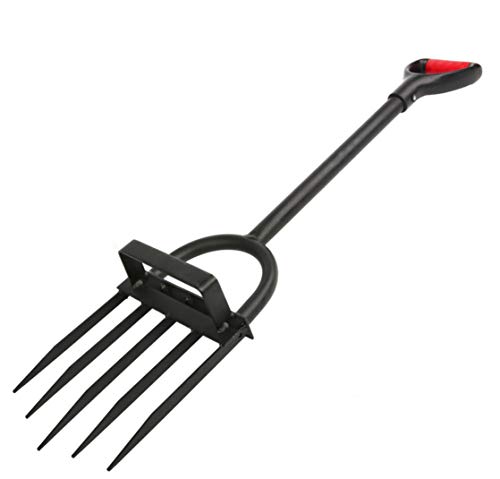
Ymachray 5-Tine Heavy Duty Pitch Fork

CKLT 2-in-1 Garden Hoe and Weed Puller

VNIMTI 4-Tine Spading Fork 45-Inch
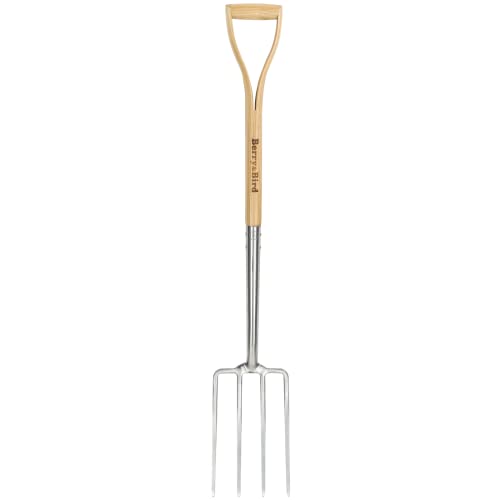
Berry&Bird 4-Tine Stainless Digging Fork

Berry&Bird Stainless Steel Hand Fork

Spear & Jackson Neverbend Digging Fork

Lilyvane Hoe and Cultivator 45-Inch

MECHEER Hand Rake 3-Claw Cultivator

Garden Guru Stainless Hand Weeder Fork
A Closer Look At Each Pick
The Truper 30293 sits at a 30-inch overall length, which is shorter than most full-size digging forks on the market. That shorter reach becomes a real advantage in tight raised beds, rocky borders, and sloped gardens where a long shaft throws off your balance.
The four-tine steel head is the workhorse component, built to drive into compacted earth and lever up clods without flexing. The wood D-handle gives you a closed grip for two-handed leverage, which matters when you’re prying up a stubborn root mass. For most backyards, this fork strikes a sensible balance between control and digging power.
What It Does Well
- Compact 30-inch length improves control in tight beds and on slopes
- Four-tine steel head drives into compacted soil with minimal flex
- Wood D-handle provides a secure two-handed grip for heavy prying
- Reach reduces the leaning and back strain common with 48-inch forks
Things To Consider
- 30-inch length means more bending when working at ground level on flat ground
- Wood handle benefits from an annual linseed oil treatment to prevent drying and splitting
Key Specs
Right Fit For
Home gardeners working in raised beds, borders, and smaller plots who want a controllable, heavy-duty fork without the full-length shaft.
Skip It When
You’re prepping large, open ground and want to stand fully upright, in which case the Spear & Jackson Neverbend Digging Fork gives you that long-shaft leverage.
Five tines change the math on a pitchfork. Where a four-tine spading fork concentrates force for breaking ground, the Ymachray’s wider tine spread scoops loose material faster, making it well suited for moving straw, mulch, and turned compost.
The long handle keeps you standing upright during repetitive lifting, which is the real ergonomic win for anyone who has spent an afternoon hauling wheelbarrow loads. The design is more at home in a barn or large compost setup than in a tight flower bed, and that’s the trade-off you accept in exchange for volume per scoop.
A Favorable Mix
- Five-tine head moves loose material in larger scoops per lift
- Long handle reduces bending during repetitive hauling work
- Suited for mulch, straw, hay, and active compost piles
Points To Note
- Wider tine spread is less effective at penetrating hard, unbroken ground
- Long shaft can be unwieldy in narrow raised beds or between tight plantings
Made For
Property owners managing compost, livestock bedding, or large mulching projects who want to move loose material quickly.
Consider Something Else When
Your main task is breaking new ground or working in raised beds, where the Truper 30293 Spading Fork 4-Tine 30-Inch gives you better penetration and control.
The CKLT tool is less a traditional garden fork and more a hybrid hand: a sharpened trapezoid hoe on one side and a 9 cm rake on the other. That combination covers the two jobs that eat up most of a gardener’s time between seasons: slicing weeds and clearing joints or cracks.
The 60-inch handle lets you stand fully upright, which is a real gift for anyone whose back protests hours of stooped weeding. A one-piece shaft also means no wobble at a connection joint over time, a common failure point in multi-section tools. Spring steel is the right call for a cutting edge that sees heavy contact with soil and small roots.
Notable Upsides
- Dual-purpose head cuts weeding time by handling two tasks in one pass
- 60-inch one-piece handle lets you work standing up
- Spring steel head holds an edge and resists deformation on contact
- Replaces multiple single-purpose hand tools in a small shed
Worth Noting
- Not a true digging fork, so it won’t replace a spading fork for bed prep
- Two-sided head has a learning curve when flipping between hoe and rake modes
Quick Facts
Best Suited To
Gardeners with mobility concerns or anyone who wants to clear weeds and prep edges without spending the day on their knees.
Look Elsewhere When
You need a true digging fork for double-digging or breaking new ground, in which case the VNIMTI 4-Tine Spading Fork 45-Inch is a closer match.
The VNIMTI lands at 45 inches, which is a useful middle ground between the Truper’s 30-inch short shaft and a full 48-inch digging fork. That mid-length reach suits gardeners of average height who want better leverage than a compact fork offers without the tip-control problems of a longer shaft.
The steel Y-grip is the headline detail. A YD-handle (a forked handle shape resembling a Y) gives you a second gripping point partway down, which is genuinely useful when you’re flipping compost or levering a fork back out of heavy clay. The four-tine steel head handles the same core tasks as the other spading forks in this list: turning soil, lifting bulbs, and aerating beds.
What Works In Its Favor
- Mid-length 45-inch shaft balances leverage and tip control for most users
- Steel Y-grip offers a second hand position for levering and flipping
- Four-tine head suits general digging, bulb lifting, and compost turning
Honest Caveats
- Wood handle benefits from seasonal oiling to prevent drying at the grain
- Not as compact as the Truper 30293 for very tight raised bed work
Who Will Love This
All-around home gardeners who want one fork that handles compost, bed prep, and transplanting without favoring a specific body height.
A Better Fit Elsewhere
Taller gardeners who prefer a full upright stance may find the Spear & Jackson Neverbend Digging Fork’s longer shaft a better match.
Berry&Bird markets this as a traditionally made fork, and the stainless steel head is the standout feature. Stainless resists rust far better than plain or painted carbon steel, which matters for anyone who leaves tools outside, stores them in a damp shed, or gardens in coastal humidity.
The four-tine configuration handles the same core jobs as the other spading forks here: turning soil, working compost, and aerating beds. The trade-off is that stainless steel can be slightly softer than forged carbon steel, so you may find it bends a touch sooner if you routinely pry at large rocks or dense clay.
Positive Takeaways
- Stainless head resists rust in damp sheds and humid climates
- Four-tine layout handles cultivation, turning, and aeration tasks
- Traditional build aimed at long service life with basic care
Some Limits To Know
- Stainless steel can be marginally softer than forged carbon steel under heavy prying loads
- Not the right choice for breaking heavily compacted new ground day after day
Feature Snapshot
Perfect Match For
Gardeners in wet or coastal climates who want a low-rust digging fork they’ll use for years.
Swap It Out When
You routinely work dense clay or rocky soil, in which case the Spear & Jackson Neverbend Digging Fork’s forged carbon steel handles abuse better.
Hand forks earn their place in a different conversation than long-handled digging forks. The Berry&Bird hand fork is the right size for working in pots, borders, and tight corners where a full-size fork is just too much tool.
Stainless steel tines hold up to wet soil without corroding, and the ergonomic balance makes it comfortable during long weeding sessions on your knees. If you transplant seedlings, divide perennials, or pull weeds between established plants, this is the scale that gets used most in a typical week.
Reasons It Performs
- Compact size fits pots, borders, and tight perennial beds
- Stainless tines resist rust during frequent wet-soil contact
- Balanced grip reduces hand fatigue during long weeding sessions
Trade Offs
- Not built for breaking ground, only for surface cultivation and weeding
- Small head covers less area per pass than a full-size fork
Who Should Grab It
Container gardeners and anyone maintaining perennial borders who wants a daily-use hand tool rather than a digger.
Not Your Match When
You need to turn compost or prep full beds, where the Berry&Bird 4-Tine Stainless Digging Fork is the natural step up.
The Spear & Jackson Neverbend is the most serious tool in this roundup. Forged carbon steel tines and a riveted socket are the kind of construction you usually see on professional landscaping tools, not consumer-grade forks.
The powder-coated head resists rust and scratches during heavy use, and the weatherproofed hardwood shaft holds up to year-round outdoor storage better than untreated wood. This is the fork to reach for if your soil is heavy clay, full of roots, or has been compacted by foot traffic over the years. The trade-off is weight and price, both of which land higher than entry-level options.
Everyday Perks
- Forged carbon steel tines handle dense, compacted, and root-heavy soil
- Weatherproofed hardwood shaft suits year-round outdoor use
- Powder-coated head resists rust, scuffs, and scratches over time
- Built for daily professional use rather than occasional weekend gardening
Worth Bearing In Mind
- Heavier than lighter consumer forks, which can wear on smaller users
- Carbon steel requires wiping dry after wet use to prevent surface oxidation
Built With In Mind
Serious landscapers, allotment gardeners, and homeowners with heavy clay or compacted ground who want a tool that lasts decades.
Reach For A Different Pick When
You’re on a tighter budget or garden in loose, sandy soil, where the Ymachray 5-Tine Heavy Duty Pitch Fork covers the basics at a lower cost.
The Lilyvane is a flip-style tool that combines a sharpened hoe blade with pointed cultivator prongs. The 45-inch handle sits at a comfortable working height for most adults, and the flip action lets you switch between loosening soil and uprooting small plants without picking up a second tool.
Where this one earns its keep is in soft to medium soil that has already been turned once. Trying to drive it into hard, dry ground is a losing battle, so the honest read is that this is a maintenance tool rather than a groundbreaking tool. For weekly weeding passes between bigger digs, it pulls its weight.
Real-World Strengths
- Flip-action design combines hoeing and cultivating in one tool
- 45-inch handle suits average-height gardeners without stooping
- Pointed prongs work well for uprooting small weeds and seedlings
Where It Is Less Suited
- Ineffective in hard, dry, or unbroken ground
- Longer reach reduces precision in tight borders compared to hand tools
Right Fit For
Vegetable gardeners doing regular weeding and light cultivation between rows on already-loosened soil.
Another Choice May Suit
You need to break new ground, where the Spear & Jackson Neverbend Digging Fork is the right tool for the heavier work.
The MECHEER cultivator takes a different approach from a traditional fork: three curved aluminum claws twist into soil to loosen, aerate, and weed. The thick 0.28-inch aluminum build keeps the claws from bending under normal use, and the ergonomic handle keeps wrist strain manageable.
For raised beds, small plots, and container gardens, the claw design works well because it grabs at the root zone without slicing through plant roots the way a hoe can. The honest read is that this is a small-scale tool. It won’t replace a long-handled fork for bed prep, but for daily maintenance work it earns its spot in the shed.
The Helpful Details
- Three curved claws reach into root zones without slicing plant roots
- Thick aluminum alloy construction resists bending during normal cultivation
- Ergonomic handle reduces wrist strain during extended weeding sessions
- Well suited to raised beds, containers, and small plot maintenance
Things To Weigh
- Not a substitute for a spading fork when breaking new ground
- Claw shape can clog in wet, sticky clay soil
Whose Shelf It Belongs On
New gardeners maintaining raised beds and small kitchen gardens who want a forgiving, easy-to-handle cultivator.
Where A Sibling Pick Shines
You’re working full-size garden rows or need to turn compost, in which case the VNIMTI 4-Tine Spading Fork 45-Inch is the right step up.
Garden Guru’s hand fork fills the role most gardeners reach for daily: weeding between established plants, spreading mulch in tight spots, and loosening soil before transplanting seedlings. The stainless steel tines hold up to wet soil without the orange flash of rust that plain carbon tools develop over time.
The ergonomic handle is comfortable enough for long sessions, and the small fork head gives you the precision to work around mature perennials without damaging their roots. It’s not a digging tool, and that’s by design. For day-to-day hand cultivation, it’s the kind of tool that ends up by the back door more than in the shed.
Notable Gains
- Stainless steel tines stay rust-free through regular wet-soil use
- Compact head allows precision work around established perennials
- Ergonomic handle supports extended weeding and transplanting sessions
- Works well for spreading mulch and loosening small planting areas
Trade-Offs To Consider
- Not designed for breaking ground or turning compost
- Smaller head means more passes over larger areas
The Right Fit
Daily-use gardeners who want a reliable hand fork for weeding, mulching, and transplanting around established plants.
Where Another Pick Suits Better
You need a tool for bed prep and double-digging, where the Berry&Bird 4-Tine Stainless Digging Fork handles the larger-scale work.
Picking The Right Garden Fork For Real Work
Choosing a garden fork comes down to matching the tool to the soil and the gardener. A short-handled fork gives you control in tight spaces but trades away the upright stance that a long shaft provides. Long-handled forks let you stand fully upright during heavy digging, which matters if you have a bad back or a large plot to work. Hand forks serve a different purpose entirely, filling the role of a daily-use precision tool for weeding and transplanting.
Tine count and spacing also affect performance in real conditions. Four-tine spading forks concentrate force for breaking ground, while five-tine pitch forks spread out for moving loose material like mulch or compost. Heavier forged carbon steel resists bending under heavy prying, while stainless steel trades a touch of hardness for excellent rust resistance.
Handle material and shape influence comfort across long sessions. Wood handles absorb vibration and feel warm in cold weather, but they need occasional oiling to prevent drying. Steel handles and grips are nearly indestructible but transmit more shock. The YD-handle, also called a D-handle with a Y-split shaft, is a common professional pattern that adds a second gripping point for leverage.
Soil type is the variable that matters most. Heavy clay and compacted ground need a forged steel head with the strength to pry without bending. Sandy or amended garden soil is forgiving and works well with lighter tools. If you garden in wet or coastal conditions, stainless steel or a powder-coated finish will save you from premature rust.
Key Considerations Across These Picks
Mistakes Worth Dodging
The most common slip is buying a fork based on looks rather than soil type. A lightweight consumer fork on heavy clay will bend within a season, while an overbuilt professional fork on sandy loam just adds weight without benefit. Another trap is choosing a long-handled fork for raised bed work, where the extra length becomes a balance problem in tight corners.
Ignoring handle length is another frequent error. If you’re under about 5’6″, a full 48-inch shaft can throw off your center of gravity during heavy prying. Conversely, taller gardeners may find a 30-inch short fork forces too much bending. Matching the tool to your height and the space you actually work in matters more than brand recognition.
Where The Extra Money Goes
Spending more on a garden fork typically buys three things: forged rather than stamped steel heads, better rust protection through powder coating or stainless construction, and hardwood handles that last decades instead of a few seasons. The Spear & Jackson Neverbend exemplifies the upgrade: forged tines, weatherproofed shaft, and riveted socket construction aimed at professional users.
For casual gardeners with light, well-tended soil, the premium tier is hard to justify. The mid-range picks in this roundup, like the VNIMTI and Berry&Bird options, cover the same core jobs at a more accessible cost. The upgrade makes sense when you garden daily, work heavy soil, or simply want a tool that stays in the family for years.
Frequently Asked Questions
What is the difference between a garden fork and a pitchfork?
A garden fork, sometimes called a spading fork, has four shorter, stronger tines designed for breaking and turning soil. A pitchfork has longer, more widely spaced tines built for lifting loose material like straw, hay, or mulch. Most gardeners need at least one of each for different jobs.
How long should a garden fork handle be?
For most adults, a handle between 44 and 48 inches allows an upright stance during digging. Shorter handles around 30 inches offer better control in tight spaces but require more bending. Match the length to your height and the type of work you do most.
What is a YD-handle on a digging fork?
A YD-handle is a D-shaped grip at the end of a shaft that splits into a Y a short distance down. The Y split provides a second hand position for levering the fork back out of heavy soil or lifting heavy loads with both hands.
Can a garden fork work in clay soil?
Yes, but choose a fork with forged or heavy-gauge steel tines. Lighter stamped steel tines can bend in dense clay. Stainless steel is rust-resistant but slightly softer than forged carbon steel, so carbon steel is the safer bet for the toughest ground.
How do you maintain a garden fork?
Wipe the tines clean after each use, dry them before storage, and oil the handle once or twice a year with linseed oil. For carbon steel heads, a light coat of oil prevents surface rust. Stainless steel requires less care but still benefits from basic cleaning.
