

Aphids chewing through your roses, spider mites colonizing your tomato bed, fungus gnats taking over the houseplants on your windowsill. Pests rarely announce themselves politely, and the wrong spray can scorch leaves, harm pollinators, or simply fail to stop the spread. Choosing among garden insect sprays gets confusing fast, since formulas split into organic plant-based oils, traditional broad-spectrum chemicals, and concentrated spinosad treatments that need mixing.
The list below covers both indoor and outdoor gardens, edible crops and ornamentals, ready-to-use bottles for quick rescue jobs, and concentrates for gardeners treating larger beds on a routine. Each pick earned its slot by solving a specific problem well, whether that is pet-safe daily prevention, fire ant control in a vegetable plot, or hitting a stubborn powdery mildew outbreak without stripping beneficial insects from the ecosystem.
A Fast Comparison Of The Options

Earth’s Ally 3-in-1 Plant Spray for Pests

Bonide Eight Insect Control Garden & Home
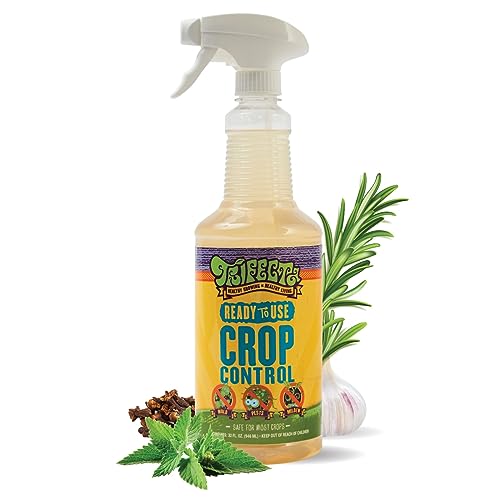
Trifecta Crop Control Natural Pesticide 32 oz

EcoVenger Garden Insect Control 16 oz

BioAdvanced 3-in-1 Insect & Disease Spray

Garden Safe Multi-Purpose Insect Killer 32 oz
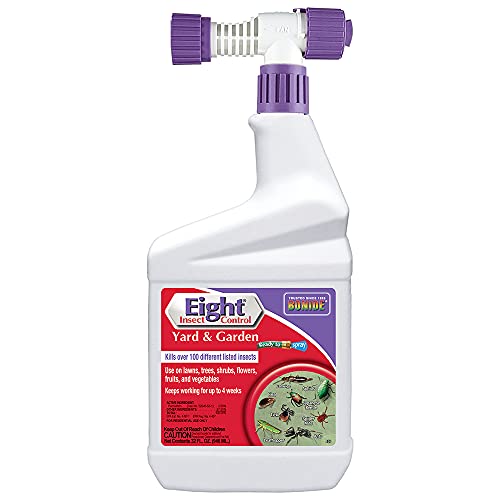
Bonide Eight Insect Control Yard & Garden

Atticus Spliven Spinosad Concentrate 32 oz
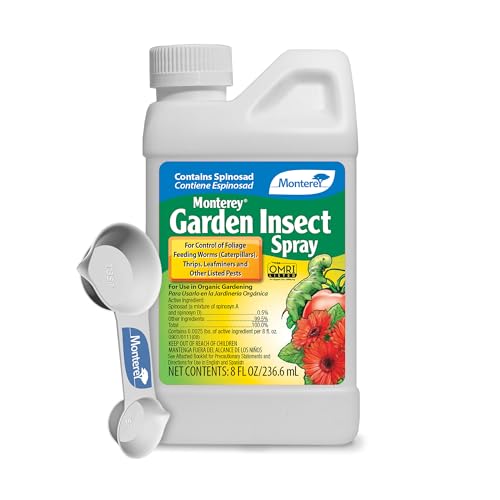
Monterey Spinosad Insecticide 8 oz

Monterey Spinosad Insecticide 32 oz
The Details Behind The Selections
Earth’s Ally takes the slot for gardeners who want one bottle that handles aphids on the kitchen windowsill and powdery mildew on the patio cucumber. The 32-ounce ready-to-use trigger skips the measuring step entirely, which matters for casual plant owners who would rather spray than mix.
Unlike Bonide’s traditional chemistry covered below, this formula leans on a blend of essential oils (a botanical oil mix, meaning plant-derived oils that smother soft-bodied insects rather than attack the nervous system). You can use the same bottle on an indoor fern and a rose without switching products, which is rare in this category.
The Case For It
- Three-in-one coverage handles soft-bodied insects, common plant diseases, and mites in a single pass
- Botanical oil blend (plant-derived oils that work by coating and suffocating insects) suits both houseplants and outdoor beds
- Ready-to-use trigger bottle eliminates measuring mistakes and extra gear
- Plant-based formula appeals to households that avoid synthetic chemistry on edibles and ornamentals alike
Worth Noting
- Essential oil blends can leave a mild residue on glossy leaves, so you may want to wipe down large-leafed houseplants after treatment
- Coverage drops fast on heavy infestations, since oil-based formulas work by contact rather than systemic action (a term meaning the plant absorbs the chemical and pests die when they feed on it)
Who It Suits Best
Apartment dwellers and balcony gardeners caring for a mixed collection of houseplants, herbs, and patio containers benefit most from a single, gentle spray that handles multiple problems at once.
Where Another Pick Suits Better
For a serious aphid or mite outbreak on a large vegetable plot, EcoVenger Garden Insect Control offers broader pest coverage with a similar plant-based approach.
Bonide’s Eight formulation earns its spot when soft-bodied oils stop cutting it. This traditional insecticide targets well over 130 listed pests, from ants and crickets working through the garden bed to spiders and fleas hopping across the patio. You spray directly from the 32-ounce bottle with the included nozzle, no dilution required.
Where Earth’s Ally leans on essential oils, Bonide Eight relies on permethrin (a synthetic pyrethroid, a class of insecticides modeled on natural pyrethrins found in chrysanthemums) for fast contact kill. Reach for it on ornamentals, roses, shrubs, and perimeter zones where you need broad-spectrum coverage fast, not slow-acting botanical prevention.
Noteworthy Benefits
- Listed for over 130 insect types, which covers most common garden and household perimeter pests
- Kills on contact, so results show up quickly during active infestations
- Ready-to-use design avoids mixing mistakes and speeds up perimeter treatments
- Listed for vegetables, roses, lawns, shrubs, trees, and over 60 ornamentals
Trade Offs
- Synthetic pyrethroid chemistry is harsher on beneficial insects like bees and ladybugs, so timing and application placement matter
- The broad-spectrum nature means you will want to keep it off edible crops close to harvest depending on your tolerance for conventional treatment
Made For
Homeowners dealing with a sudden ant invasion, heavy aphid outbreak on shrubs, or perimeter pest pressure around patios and foundations will find this fast-acting formula useful.
Look Elsewhere When
Edible gardeners focused on organic methods should reach for Trifecta Crop Control instead, which targets similar pests using plant-based ingredients.
Trifecta Crop Control positions itself as a four-in-one workhorse: pesticide, fungicide, miticide, and insecticide in a single bottle. Spider mites, aphids, whiteflies, fungus gnats, and powdery mildew all fall within its label claims, which is unusual for a plant-based formula at this strength.
Compare that to Earth’s Ally from earlier, which handles insects and disease but uses a more delicate essential oil approach. Trifecta goes after harder targets like botrytis (gray mold, a fungal disease that ruins flowers and soft fruit in damp conditions) and broad mite infestations, with a suffocation-based mechanism that breaks down quickly in the environment.
Useful Strengths
- Covers four treatment categories in one bottle, reducing the need to stock separate products
- Plant-based, biodegradable formula leaves no chemical residue on edible crops
- Targets both pests and fungal issues like powdery mildew and botrytis simultaneously
- Safe for use on indoor houseplants as well as outdoor garden beds
Minor Gripes
- Maximum strength formulation can stress tender seedlings, so you may want to dilute or test on a small area first
- Stronger botanical smell than milder options, which lingers briefly after application
Best Suited To
Growers managing edible crops, cannabis plants, and mixed indoor-outdoor collections where multiple pest and disease pressures overlap throughout the season.
Where Another Pick Suits Better
For pure ornamental flower beds with no fungal pressure, Earth’s Ally 3-in-1 Plant Spray offers a lighter touch at a friendlier price point for casual use.
EcoVenger targets the household with curious dogs and toddlers who investigate everything at ground level. The formula is plant-based, listed as child and pet safe, and designed to kill not just adult soft-bodied insects but also their eggs, breaking the reproduction cycle in ways contact-only sprays miss.
Where Bonide Eight leans on permethrin and traditional chemistry, EcoVenger skips synthetic insecticides entirely. You can spray a windowsill herb garden, then let the dog walk past without rerouting the household routine, which is a practical benefit for indoor gardeners.
Features That Help
- Kills both adult insects and eggs, addressing infestations at the source rather than just the visible population
- Plant-based formula suitable for households prioritizing child and pet safety around treated areas
- Works on aphids, mealybugs, spider mites, gnats, and other common soft-bodied pests
- Can be diluted for delicate new growth, adding flexibility for seedlings and sensitive plants
Points To Note
- 16-ounce bottle runs out faster than the 32-ounce options on this list during heavy garden use
- Contact-kill mechanism requires thorough coverage, including leaf undersides, for full effect
Who Should Grab It
Families with indoor plants in shared living spaces, pet owners treating edible herb gardens, and parents who want a gentler option for the windowsill garden will find this fits the routine.
Reach For A Different Pick When
For larger outdoor plots where a 16-ounce bottle won’t stretch, the Garden Safe Multi-Purpose Garden Insect Killer offers similar organic gardening credentials in a 32-ounce size.
BioAdvanced packs a triple-action formula into a 24-ounce ready-to-use bottle, hitting listed insects, listed diseases, and plant mites with one application. The formula targets Japanese beetles, aphids, and whiteflies alongside fungal issues like black spot, powdery mildew, and rust on flowering plants, trees, and shrubs.
This sits between the plant-based picks like Trifecta and the broad-spectrum synthetic option in Bonide Eight. BioAdvanced uses traditional chemistry but combines it with fungicide action, which simplifies the routine for gardeners who otherwise juggle two separate spray bottles.
Positive Points
- Three-way action handles insect, mite, and fungal problems in a single pass
- Targets common rose and shrub diseases like black spot, powdery mildew, and rust
- Listed for flowering plants, trees, and shrubs in a single product
- Ready-to-use design removes dilution guesswork from routine treatments
Softer Spots
- 24-ounce size is smaller than most 32-ounce competitors, so the bottle empties faster on larger properties
- Synthetic chemistry means it is not suited for organic gardening or pollinator-friendly flower beds during bloom
The Right Fit
Rose gardeners, flowering shrub owners, and anyone managing a landscape where insects and fungal disease both show up each season will appreciate the combined coverage.
Swap It Out When
Organic-minded gardeners should consider Garden Safe Multi-Purpose Garden Insect Killer, which targets insects with organic gardening credentials at a similar coverage tier.
Garden Safe leans into its organic gardening positioning with a formula you can apply up until the day of harvest on edible crops. The 32-ounce bottle lists over 100 insects and works on shrubs, trees, vegetables, fruits, ornamentals, and houseplants, which makes it one of the more versatile options in this roundup.
Where BioAdvanced leans on synthetic chemistry for triple action, Garden Safe narrows the focus to insect control only, using a soap-based formula (fatty acid salts that dissolve the outer coating of soft-bodied insects on contact) rather than essential oils or traditional insecticides. The fast-acting nature means you see results quickly, and the day-of-harvest clearance matters for tomato growers and herb gardeners.
The Helpful Details
- Listed for organic gardening, with application allowed up to the day of harvest on edible crops
- Listed for over 100 insect types across vegetables, fruits, ornamentals, and houseplants
- Suitable for indoor home use, home gardens, and home greenhouses
- Fast-acting soap-based formula (fatty acid salts that damage insect cell membranes) shows visible results quickly
Honest Caveats
- Insecticidal soap requires direct contact and reapplication after rain, so timing matters during wet stretches
- No fungicide action, so fungal issues need a separate product if they appear alongside pest pressure
Right Fit For
Edible gardeners, organic vegetable growers, and anyone harvesting herbs or fruits close to treatment time will appreciate the harvest-day flexibility this formula offers.
Not Your Match When
Gardeners dealing with combined pest and fungal pressure should consider Trifecta Crop Control, which handles both categories in a single plant-based bottle.
Bonide’s Yard & Garden version uses a ready-to-spray hose-end bottle, which is the practical difference from the trigger spray covered earlier. You attach the bottle to a garden hose, and the siphon action dilutes and dispenses the formula across larger areas, which suits lawns, perimeter zones, and bigger landscape beds.
Same active ingredient family as the Bonide Garden & Home pick, but the delivery system targets outdoor acreage rather than spot treatments. It also handles outdoor building surfaces, sidewalks, patios, and porches, so it doubles as a perimeter spray around the house foundation.
Useful Touches
- Hose-end ready-to-spray design covers large areas without manual pumping or mixing
- Listed for over 100 insect types, including ants, crickets, spiders, fleas, ticks, and caterpillars
- Works on listed lawns, trees, shrubs, flowers, fruits, nuts, and vegetables
- Can be applied to outdoor building surfaces, sidewalks, patios, and porches for perimeter defense
A Few Limitations
- Not designed for indoor use, so it is limited to outdoor applications around the home
- Hose-end delivery offers less precision than a trigger spray for targeting individual plants
Who Will Love This
Homeowners with large lawns, long fence lines, and substantial landscape beds who need to cover a lot of ground quickly without hauling a pump sprayer.
A Better Fit Elsewhere
For small indoor herb gardens or container patios, Bonide Eight Insect Control Garden & Home’s trigger spray offers more precise application on a smaller scale.
Atticus Spliven brings spinosad (a naturally derived insecticide produced by a soil bacterium, effective against caterpillars, thrips, and leafminers) to gardeners who want organic certification without the higher cost of name-brand concentrates. The 32-ounce bottle contains 0.5% spinosad, the same active ingredient found in leading organic brands, in a concentrate you dilute for spray application.
Where Earth’s Ally and EcoVenger work by contact on soft-bodied insects, spinosad goes after caterpillars, thrips, borers, and other tougher chewing pests. OMRI listing (Organic Materials Review Institute, the organization that reviews products for compliance with USDA organic standards) keeps it eligible for organic production, which matters for certified growers.
Points In Its Favor
- OMRI-listed for organic gardening, meeting standards for certified organic production
- Concentrate format stretches further per dollar than ready-to-use bottles for large plots
- Targets tougher pests like caterpillars, thrips, and leafminers that botanical oils often miss
- Spinosad breaks down quickly in sunlight, reducing long-term residue concerns
Things To Consider
- Concentrate requires accurate dilution and a separate spray bottle, adding setup time
- Highly toxic to bees when wet, so application timing during bloom matters for pollinator safety
Built With In Mind
Organic growers with vegetable plots, fruit trees, and larger acreage who already use a pump sprayer and want the cost advantage of a concentrate.
Consider Something Else When
For smaller gardens where mixing concentrate feels like overkill, the ready-to-use Monterey Spinosad Insecticide 8 oz offers the same active ingredient without the dilution step.
Monterey’s 8-ounce bottle is the smallest option on this list and the right size for gardeners trying spinosad for the first time. The included measuring spoon makes accurate dilution simple, and the concentrate stretches to cover a meaningful area despite the modest bottle size.
Same active ingredient as the larger Atticus Spliven covered above, just in a friendlier starter format. You get OMRI-listed organic gardening credentials without committing to 32 ounces of concentrate upfront, which lowers the risk for first-time users.
Real-World Strengths
- Compact 8-ounce size suits small gardens, balcony containers, and trial use
- OMRI-listed for organic gardening under USDA National Organic Program standards
- Targets caterpillars, leafminers, codling moths, tent caterpillars, gypsy moths, thrips, and borers
- Works on outdoor ornamentals, lawns, vegetables, and fruit trees
Small Caveats
- 8-ounce concentrate empties quickly on anything larger than a small backyard plot
- Concentrate format still requires a spray bottle and accurate mixing for proper application
Perfect Match For
First-time spinosad users, small-space gardeners, and anyone wanting to test a concentrate without committing to a larger bottle for occasional use.
Another Choice May Suit
For routine organic gardening across larger vegetable plots, the 32-ounce Monterey Spinosad Insecticide offers the same formula in a more economical supply.
The 32-ounce Monterey rounds out the list as the workhorse concentrate for active organic gardeners. Same OMRI-listed spinosad formula as the smaller bottle above, but in a size that handles a full growing season of routine caterpillar and thrips control across vegetable beds, fruit trees, and ornamentals.
Where Atticus Spliven offers a cost-focused alternative with the same active ingredient, Monterey carries longer-standing brand recognition among organic growers. The included measuring spoon keeps dilution consistent across multiple mixing sessions.
What Works In Its Favor
- 32-ounce size covers a full season of routine treatments for active gardeners
- OMRI-listed formula compliant with USDA National Organic Program standards
- Broad pest list covering caterpillars, leafminers, thrips, borers, and fire ants
- Includes a measuring spoon for accurate, repeatable dilution
Areas To Watch
- Concentrate requires a dedicated spray bottle and a small amount of prep before each use
- Highly toxic to bees during the hours after application, so timing outside bloom hours matters
Whose Shelf It Belongs On
Active organic gardeners managing vegetable plots, fruit trees, and mixed ornamental beds throughout the growing season who want a single concentrate for routine caterpillar and thrips control.
Skip It When
Gardeners wanting only a small amount to start should consider the 8-ounce Monterey Spinosad Insecticide, which offers the same formula in a smaller starter bottle.
Choosing Garden Insect Sprays That Match Your Garden
Picking the right garden insect sprays starts with where the problem lives. Indoor houseplants, edible vegetable beds, ornamental flower borders, and lawn-scale perimeter zones each call for different formulations, and a bottle that works beautifully in one setting can fall short in another.
Match The Formula To The Pest And Plant
Soft-bodied insects like aphids, mealybugs, and whiteflies respond well to soap-based and botanical oil formulas, which work by contact and break down quickly. Tougher chewing pests such as caterpillars, thrips, and leafminers usually need spinosad or a traditional insecticide to get results, since oil-based formulas struggle to penetrate their harder exoskeletons (the tough outer shell that protects insects from water loss and physical damage). For edible crops, look for products with day-of-harvest clearance, which matters most for tomatoes, leafy greens, and herbs picked throughout the season.
Decide Between Ready-To-Use And Concentrate
Ready-to-use trigger bottles cost more per ounce but skip the mixing step entirely, which suits casual gardeners and small spaces. Concentrates stretch further per dollar, but require accurate dilution, a separate spray bottle, and a small amount of routine setup. Larger plots, routine seasonal use, and organic certification work tend to favor concentrates, while spot treatments and indoor use favor ready-to-use.
Think About Pollinators And Beneficial Insects
Bees, ladybugs, and other beneficial insects share the garden with the pests you want to control, and broad-spectrum synthetic formulas can harm them along with the target. Plant-based and OMRI-listed organic options reduce that risk, and timing applications outside bloom hours helps even with gentler formulas. Edible crops that need pollination during the treatment window benefit most from selective, targeted formulas applied early morning or late evening.
Key Considerations Across These Picks
Pitfalls Shoppers Hit
A common mistake is buying a broad-spectrum synthetic insecticide for an indoor herb garden, then worrying about residues on edible leaves. Another is reaching for a concentrate without a proper spray bottle, which leads to inconsistent dilution and patchy results. Some shoppers grab the largest concentrate bottle to save money per ounce, only to find it sits in the shed past its useful window because the garden doesn’t need that much.
When Paying More Pays Off
Premium-priced plant-based formulas and OMRI-listed concentrates cost more because the active ingredients are harder to source and slower to produce. The upgrade pays off when the garden includes certified organic production, when pollinator safety is a real concern, and when synthetic residues on edible crops are a dealbreaker. For a casual ornamental flower bed, the extra cost rarely matters and a conventional formula handles the job just as well.
Frequently Asked Questions
What Is The Safest Garden Insect Spray For Edible Vegetables?
Plant-based formulas like insecticidal soaps and botanical oils are generally considered safer for edible crops, and several products on this list carry day-of-harvest clearance. Always check the product label for the specific crop and follow the listed pre-harvest interval (the waiting time required between spraying and picking).
How Often Should Garden Insect Sprays Be Applied?
Most contact-based formulas need reapplication every 7 to 14 days, and again after rain since water washes the residue off leaf surfaces. Systemic options (products the plant absorbs so pests die when feeding) last longer between treatments, though they are less common in organic and plant-based categories.
Can I Use The Same Spray On Indoor And Outdoor Plants?
Ready-to-use botanical and soap-based formulas often carry dual indoor and outdoor listings, which is convenient for mixed gardeners. Concentrates and broad-spectrum synthetics are typically outdoor-only, so always verify the product label before treating houseplants.
Do Organic Garden Insect Sprays Work As Well As Synthetic Options?
For soft-bodied insects, organic and plant-based formulas perform comparably to synthetics and avoid the residue concerns. For tougher pests like caterpillars, thrips, and borers, spinosad-based organic products close most of the gap and are widely used by commercial organic growers.
What Is OMRI Listing And Why Does It Matter?
OMRI (Organic Materials Review Institute) reviews products to confirm they comply with USDA National Organic Program standards. OMRI-listed products are allowed in certified organic production, which matters for commercial growers and for home gardeners who follow organic practices strictly.
Final Verdict
Aphids, mites, caterpillars, and mildew each respond to different tools, and the best bottle depends on whether you grow edibles, treat houseplants, manage a large lawn, or all three at once. Start with the problem you actually have, match the formula to the pest and the setting, and reach for a concentrate only when the routine justifies the mixing step. The right spray makes a tough season feel manageable, and one of these ten should fit your garden’s specific pressure.
