

Sowing a season’s worth of vegetables or overseeding a tired lawn gets old fast when the only tool in your hand is your thumb. Garden seeders exist because seed packets are cheap, time isn’t, and getting consistent spacing turns a muddy afternoon into a tidy row. The right tool depends on the size of the job, the seed you’re working with, and how much walking you’re willing to do. This list covers handheld dial dispensers, push spreaders, and tow-behind combinations so you can match the tool to the patch.
The Picks In Brief

Fiskars 4-in-1 Seed Planting Garden Trowel and Seed Sower Tool

EarthWay 2150 Commercial Broadcast Fertilizer Spreader
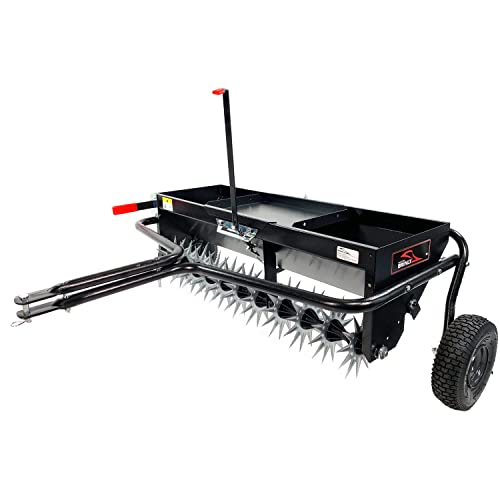
Brinly Tow Behind Combination Aerator Spreader, 40-Inch
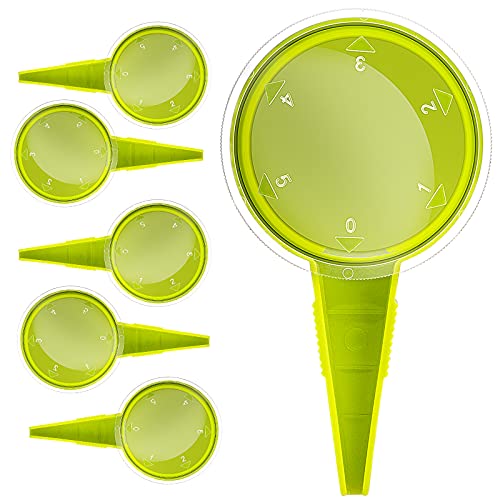
Gostur 6 Pack Handheld Garden Seeder Sower Planter

TXIN 2 Pieces Seed Spreader Handheld Seed Planter Tool
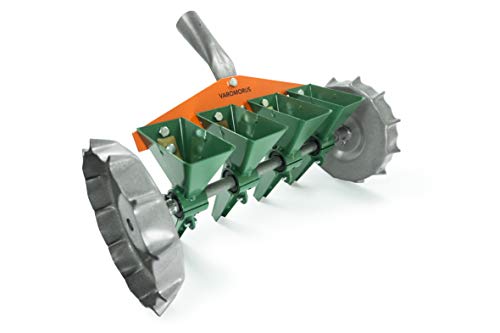
Varomorus Metal Precision Manual Seeder (4-Row)

Kwevos 6 PCS Mini Seed Spreader Set (Red)

Rongkey 6 PCS Mini Seed Spreader Set

CHAPIN 84700A TurfPro 25 lb Handheld Bag Spreader

Fertile Rain 17 PCS Mini Seed Spreader Set
More On The Choices That Made The List
For a single raised bed or a weekend of container planting, the Fiskars Hand Seed Sower pulls double duty by combining a trowel, a stylus, a widger, and a measuring tool into one 2-piece design. The lightweight FiberComp construction (a fiberglass-reinforced composite that resists rust and cracking) keeps the weight down during long planting sessions, and the removable stylus helps you pick up single small seeds without dumping a fistful into one hole. A small measuring gauge lets you check sowing depth, which matters when you’re starting carrots or lettuce that won’t push through deep coverage.
Compared to the bulkier push spreaders below, this is a kneeling-in-the-dirt tool, not a walking-the-lawn tool. You trade capacity for precision, and for a backyard kitchen garden that tradeoff usually feels right.
Features That Help
- Four-purpose design replaces a handful of small gadgets you would otherwise have to track down mid-planting.
- FiberComp body stays light, so sore wrists aren’t part of the experience after an afternoon of transplanting.
- Removable stylus gives you a way to count out individual seeds for crops where spacing matters more than speed.
- Integrated measuring gauge helps you stop guessing at sowing depth, which directly affects germination rates.
Worth Noting
- Best for single-digit beds, not for any kind of broadcast seeding.
- The two-piece design means small parts can get lost in the soil if you set them down carelessly.
Who It Suits Best
Container gardeners and raised-bed growers who want one hand tool to handle digging, measuring, and careful seed placement without buying a separate seeder.
Look Elsewhere When
The TXIN 2 Pieces Seed Spreader fits you better if you want a dedicated dial-based seeder for tiny seeds rather than a trowel combo.
The EarthWay 2150 is a walk-behind broadcast spreader built for serious ground coverage. Its 50-pound hopper handles a full pass across most suburban lots before you need a refill, and the 13-inch pneumatic stud tires roll over uneven turf and small ruts without bogging down. The 3-hole-drop system with side-spread control gives you feathered edges, so you can stop product before it lands in a flower bed rather than chasing a hard line later.
Compared to the Fiskars 4-in-1 reviewed above, this is a different animal entirely. You’re walking, not kneeling, and you’re spreading fertilizer, lime, or grass seed across a large surface area. The enclosed gearbox adds confidence in wet spring conditions, and a removable grate filters clumps before they jam the mechanism.
Noteworthy Benefits
- 50-pound hopper reduces refill stops on properties over a quarter acre.
- Side-spread control delivers cleaner edges along driveways and garden borders.
- High-flotation pneumatic tires handle bumpy ground that would stop smaller wheels cold.
Trade Offs
- Storage takes real space, and the unit is heavy to lift into a truck bed.
- Calibration matters, and the adjustment dial benefits from a small test pass to avoid over-application.
Made For
Homeowners with mid-to-large lawns who want to fertilize or overseed quickly without hand-broadcasting.
Consider Something Else When
The Brinly Tow Behind Combination Aerator Spreader makes more sense if you already own a riding mower and prefer a pull-behind setup.
The Brinly AS2-40BH-P pulls two jobs into a single pass behind your riding mower. Steel tines perforate compacted soil while a spreader hopper drops seed, lime, or fertilizer directly into the holes, so the product lands where roots can actually use it. The 40-inch working width covers ground fast, and the all-steel construction is the kind of build that survives years of seasonal storage without complaint.
Where the EarthWay 2150 requires you to walk and push, this unit hitches to a mower and lets you cover a half-acre without breaking a sweat. The trade-off is real: you need a riding mower, you need somewhere to store a 40-inch attachment, and you need to manage the added hitch weight on hills.
A Strong Showing
- Two-in-one design cuts your lawn work in half on overseeding days.
- Steel tine design punches through thatch and hardpan where seed would otherwise sit on the surface.
- Weight tray lets you add ballast for deeper tine penetration in tough soil.
Points To Note
- Requires a riding mower with a hitch, which eliminates it for small-yard shoppers.
- Assembly takes time, and the all-steel body is genuinely heavy to maneuver when unhitched.
Best Suited To
Property owners with large lawns and a riding mower who want professional-style overseeding results at home.
Not Your Match When
The EarthWay 2150 fits you better if you don’t own a riding mower and need a walk-behind alternative.
Getting a half-dozen handheld seeders in one box changes the math for families and group gardens. The Gostur 6 Pack uses a 5-dial system that adjusts the outlet hole size, so the same tool can handle everything from fine carrot seed to chunkier bean varieties. Plastic construction keeps the units light in the hand, and the rotating dial turns smoothly without needing two hands to operate.
Where the Fiskars 4-in-1 aims for a single multi-purpose hand tool, this set spreads the workload across multiple users. You can hand one to a child, one to a neighbor, and still have a few left for the rest of the season.
Where It Helps
- Six units make this a practical pick for school gardens or shared plots.
- Adjustable outlet settings reduce seed waste on varieties that would slip through a fixed-size hole.
- Plastic build stays comfortable to grip during long planting sessions.
Honest Caveats
- Plastic is durable but won’t outlast the metal Varomorus seeder reviewed below.
- Fine seeds can jam if the dial isn’t cleaned between varieties.
Right Fit For
Gardeners who want to share a tool across helpers or keep a backup in every potting shed.
Reach For A Different Pick When
The Varomorus Metal Precision Manual Seeder makes more sense for one user who wants a long-lasting metal build.
The TXIN pair delivers the dial-control experience of the Gostur set in a more compact two-pack format. Each unit measures roughly 6.5 by 12 cm, which fits comfortably in either hand and stores in a tool drawer without monopolizing space. Five dial settings let you match outlet size to seed type, so you can move from lettuce to radish without swapping tools.
Versus the Gostur 6 Pack, you’re paying a bit more per unit but getting the same core dialing system with fewer extras. For one or two serious gardeners, two units usually covers the workload without the storage overhead of six.
A Few Highlights
- Compact dimensions make these easy to slip into a pocket or apron mid-row.
- Five dial positions handle the seed-size range most home gardens actually use.
- Plastic body is light enough for extended use without forearm fatigue.
Soft Spots
- Lightweight plastic can feel insubstantial compared to the metal Varomorus seeder.
- Best paired with very small seeds, since larger varieties may not flow smoothly.
Who Will Love This
Home gardeners running a small kitchen plot who want a focused seeder for tiny seeds like carrots, lettuce, and herbs.
Skip It When
The Kwevos 6 PCS Mini Seed Spreader Set fits you better if you want transplanting dibbers included alongside seeders.
The Varomorus is the metal-bodied alternative to the plastic dial seeders in this list. A high-quality metal build gives it real weight in the hand, which translates to a steadier press into prepared soil. Adjustable row distance lets you configure spacing for onions, radishes, beets, and greens without swapping plates or guessing.
Compared to the TXIN 2 Pieces or the Gostur 6 Pack, this is a precision tool rather than a casual one. The trade-off is learning curve: you set it up for one crop at a time rather than dialing in a quick pass.
What Earns Its Place
- Metal construction handles season after season of soil contact without cracking.
- Adjustable row distance gives you control over plant spacing, which directly affects yield.
- Four-row layout speeds up bigger beds without the bulk of a walk-behind unit.
A Few Limitations
- Heavier than plastic seeders, so it tires the hand faster on long sessions.
- Setup takes more thought, so casual seeders may not use the adjustability fully.
Feature Snapshot
Perfect Match For
Vegetable gardeners running larger beds who want row-planted onions, radishes, beets, and greens with consistent spacing.
A Better Fit Elsewhere
The Fiskars 4-in-1 Seed Planting Trowel suits you better if you mostly plant one seed at a time in containers.
The Kwevos set pairs four mini seed spreaders with two transplanting tools, which makes it a useful starting kit for someone who hasn’t built up a garden toolkit yet. The 5-speed spreaders handle most small-seed varieties, and the included dibber and widger cover the transplanting side of the equation. Plastic construction keeps the total kit weight manageable.
Versus the Gostur 6 Pack, you trade pure seeder count for transplanting tools. For first-timers, that swap usually pays off because sowing and transplanting tend to happen in the same afternoon.
Strong Points
- Combined seeder and transplanting kit covers the full seedling workflow.
- Lightweight plastic is easy for younger or newer gardeners to handle.
- Multiple units let helpers work side by side during planting days.
Points To Note
- Plastic parts can feel flimsy when pressed into harder soil.
- Speeds are marked but not labeled, so there’s a small learning curve to know which setting matches which seed.
Whose Shelf It Belongs On
New gardeners who want a starter set that includes both sowing and transplanting tools in one purchase.
Swap It Out When
The Rongkey 6 PCS Mini Seed Spreader Set suits you better if you prefer a different accessory pairing for the same basic toolset.
The Rongkey set covers digging, weeding, loosening soil, and transplanting alongside seed sowing, which is why it shows up in family gardens, school plots, and weekend projects. The handheld spreaders are ergonomically designed to reduce hand strain, and the included dibber and widger round out the toolkit.
Compared to the Kwevos 6 PCS Mini Seed Spreader Set, the accessory mix is similar but the ergonomic emphasis is stronger here. For gardeners who already know they have hand-strain issues, that focus can be the deciding factor.
Standout Benefits
- Multi-tool kit replaces a drawer full of single-purpose gadgets.
- Ergonomic grip design reduces fatigue on longer planting sessions.
- Suitable for fine seeds like carrots, radish, lettuce, and rutabaga.
Possible Compromises
- Plastic construction means the tools won’t survive being left out in the rain.
- Some users find the spreader hoppers a touch small for fast-paced sowing.
Built With In Mind
Family gardeners, classroom programs, and anyone who wants a single purchase that covers sowing, transplanting, and basic soil work.
Another Choice May Suit
The Fertile Rain 17 PCS Mini Seed Spreader Set makes more sense if you want the largest possible piece count for group use.
The CHAPIN TurfPro 25 lb Handheld Bag Spreader is a strap-on design that keeps your dominant hand free for the crank while the bag rides on your shoulder. A 25-pound capacity covers targeted lawn patches without dragging a walk-behind unit out of the garage. The adjustable gate controls flow rate, so you can dial in coverage for fine grass seed without burning through fertilizer too fast.
Versus the EarthWay 2150, this is a smaller, slower tool for jobs that don’t justify a walk-behind. It’s the kind of seeder you keep by the back door for spot-treating bare spots after a long winter.
Points In Its Favor
- Bag design frees your hands for spreading while carrying weight comfortably.
- Adjustable gate handles different material types from seed to fertilizer.
- Compact footprint stores easily in a small garage or shed corner.
Things To Consider
- Shoulder strap fatigue builds up on larger jobs.
- Not suited for full-lawn coverage, so you’ll need a bigger spreader for whole-yard work.
Key Product Details
The Right Fit
Homeowners with small lawns or patchy areas who want a quick, no-fuss way to overseed or spot-fertilize.
Where Another Pick Suits Better
The EarthWay 2150 fits you better if you need to cover a full lawn in a single pass without shoulder fatigue.
The Fertile Rain set is the highest piece count in this roundup, with 17 reusable tools covering sowing, digging, weeding, loosening soil, and transplanting. The mini spreaders handle small seeds cleanly, and the extras let you tackle the broader bed-prep work without buying anything else.
Versus the Rongkey 6 PCS and the Kwevos 6 PCS sets, you get more than double the pieces for roughly similar cost per tool, which is why this works well for classroom gardens, community plots, and large families.
Practical Pluses
- 17-piece count is the deepest in this category and covers a full season of small tasks.
- Reusable plastic holds up across multiple seasons with basic cleaning.
- Useful indoors and out, so apartment seed-starters and backyard gardeners get the same value.
Some Limits To Know
- More pieces means more to keep track of and store.
- Plastic build won’t match the metal Varomorus for long-term durability.
Feature Rundown
Built With In Mind
Community gardens, school programs, and large households that need many hands on deck and a low per-tool cost.
Not Your Match When
The Varomorus Metal Precision Manual Seeder fits you better if you want a single metal-bodied tool for serious vegetable rows.
What To Weigh Before Picking A Garden Seeder
The right seeder depends on the size of the job, the seed type, and how often you’ll use it. Handheld dial seeders like the TXIN, Gostur, and Kwevos sets shine in small kitchen gardens where fine seeds need controlled placement. Walk-behind broadcast spreaders such as the EarthWay 2150 cover larger lawn areas quickly, and tow-behind units like the Brinly AS2-40BH-P turn a riding mower into a serious overseeding rig. Multi-piece kits (Rongkey, Fertile Rain) work for classrooms, shared plots, and large families that need extras for helpers.
Seed Type And Size
The most overlooked factor is seed size, which directly affects which dial setting or hopper opening you need. Tiny seeds like carrots and lettuce need a controlled fine opening, while beans and corn flow through wider settings without jamming. The 5-dial systems on the TXIN, Gostur, Kwevos, and Rongkey sets cover the full range for most home gardens.
Coverage Area
Handheld tools make sense for beds under a few hundred square feet. Anything bigger starts to feel like a workout, which is where walk-behind and tow-behind units take over. A rough rule of thumb: if you’re reseeding the whole lawn, you need wheels.
Build And Storage
Metal tools like the Varomorus cost more per piece but last through years of soil contact. Plastic units are lighter and easier on the hands, but they crack if left in the rain. Storage matters too, since 17-piece kits need a real drawer and a 40-inch aerator needs a corner of the garage.
Key Considerations Across These Picks
Mistakes Worth Dodging
One common slip is buying a broadcast spreader for a small vegetable bed, which scatters seed unevenly and wastes a noticeable amount. Another is grabbing a heavy metal seeder for a quick container project, where a lightweight Fiskars 4-in-1 trowel would have done the job faster. Match the tool to the scale of work, not the other way around.
When Paying More Pays Off
Higher-tier seeders in this category earn their price through durability and reach. The EarthWay 2150’s pneumatic tires and enclosed gearbox cost more because they handle rougher ground and last through years of seasonal use. The Brinly tow-behind unit pulls double duty as an aerator, so the extra spend replaces a separate lawn tool. For casual use on a small plot, the multi-pack plastic sets deliver plenty of value without stretching into premium pricing.
Frequently Asked Questions
What Is The Easiest Seeder For Beginners To Use?
A handheld dial seeder like the Kwevos 6 PCS Mini Seed Spreader Set gives beginners a forgiving learning curve. The dial is simple to adjust, the tools are light, and extras cover transplanting too. Most first-timers get the hang of dial seeders in a single afternoon.
Can You Use The Same Seeder For Grass Seed And Vegetable Seeds?
Yes, with cleaning between uses. Fine grass seed and small vegetable seeds like carrots both flow through 5-dial systems, but residual seeds can jam the mechanism if you switch without emptying the hopper. Wipe the dial and interior before switching crops.
How Do Walk-Behind Spreaders Differ From Handheld Dial Seeders?
Walk-behind broadcast spreaders like the EarthWay 2150 cover wide areas quickly by scattering seed across a fan-shaped pattern. Handheld dial seeders drop one seed at a time in a controlled row. Use a walk-behind for lawn coverage and a dial seeder for vegetable rows.
Do Tow-Behind Spreaders Need A Riding Mower?
Most do, including the Brinly AS2-40BH-P. The hitch, weight, and 40-inch working width assume a riding mower or lawn tractor. If you don’t own one, stick with walk-behind or handheld options.
How Long Do Plastic Handheld Seeders Typically Last?
With reasonable care, plastic handheld seeders like the Gostur or TXIN sets usually last several seasons. The plastic resists breaking under normal use but degrades faster if left in direct sun or wet soil. Storing them in a dry shed extends the lifespan significantly.
Wrap Up
The best garden seeder is the one that matches your plot size, your seed type, and the amount of walking you’re willing to do. For small beds, handheld dial seeders like the TXIN or Gostur sets cover most needs with minimal learning curve. For larger lawns, the EarthWay 2150 or the Brinly tow-behind unit turns a weekend of work into an afternoon. Match the tool to the job, and the rest of the season gets easier from there.
