

Healthy plants start underground, and the right garden soil sets the stage for everything that grows above it. Whether you’re filling raised beds, refreshing container herbs, or starting an indoor jungle, the wrong medium means soggy roots, dry leaves, and a lot of guesswork. This lineup breaks down ten solid options across indoor, outdoor, vegetable, and seed-starting uses, so you can match a soil to the job instead of grabbing the first heavy bag at the store.
The Leading Options At A Glance

Miracle-Gro Organic Indoor Potting Mix, 16 qt.

Potting Soil Mix, Peat Moss, Vermiculite, Perlite, 8 Quarts

Miracle-Gro Moisture Control Potting Mix, 16 qt. (2-Pack)

Coast of Maine Tomatoes and Veggies Soil, 20 qt

Espoma Organic Vegetable & Flower Garden Soil, 1 cu ft
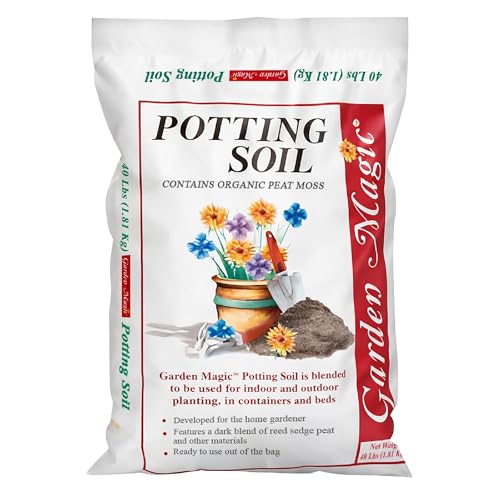
Michigan Peat Garden Magic General Purpose Potting Soil, 40 lb

Espoma Organic Vegetable & Flower Garden Soil, 1 cu ft (2-Pack)

Espoma Organic Raised Bed Mix, 1.5 cu ft
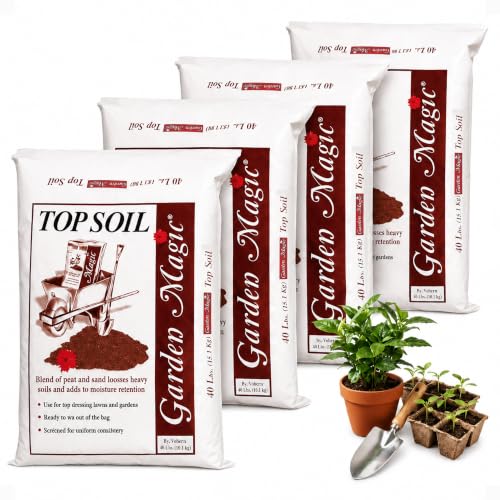
Michigan Peat Garden Magic Organic Potting Mix, 40 lb (4-Pack)

FoxFarm Ocean Forest Potting Soil, 2 x 12 qt
A Deeper Look At The Lineup
Anyone who has lost a pothos to a soggy pot knows the headache of watering on guesswork, and that’s the gap this Miracle-Gro Organic Indoor Potting Mix aims to close. The blend leans on coir, a coconut-husk fiber that holds air space and moisture at the same time, plus sphagnum peat moss that buffers dry spells between waterings. For most apartments with a few leafy residents, that combination forgives the occasional missed watering without rotting delicate roots.
It also ships with a quick-start natural fertilizer, which removes the need to mix in a starter feed when you pot up a new houseplant. The 16-quart bag covers roughly four to six mid-size pots, so a small jungle fits in one purchase.
The Upside
- Coir (coconut-husk fiber) improves airflow and holds moisture, helping roots breathe
- Sphagnum peat moss (a classic water-holding moss) buffers against drying out
- Quick-start natural fertilizer feeds new transplants without extra mixing
- Bag weight is manageable for carrying up apartment stairs
Soft Spots
- Best for containers, not for filling a full garden bed, so the 16-quart size disappears fast on bigger projects
- Some owners report the mix arriving a touch dry and needing a pre-water before use
Best Suited To
Anyone running a small indoor plant collection who tends to forget a weekly watering.
Reach For A Different Pick When
You’re filling a raised bed from scratch, where the Espoma Organic Raised Bed Mix covers more cubic footage with the right structure.
Midwest Hearth’s 8-quart bag is the kind of no-nonsense blend that quietly does the job. It’s the same peat, perlite, and vermiculite trio that greenhouse growers have leaned on for years, with the pH (a measure of how acidic or alkaline the mix is) tuned for a broad range of plants. The 8-quart size makes sense for seed-starting trays and a few small repots rather than full bed renovation.
There are no added fertilizers, which is actually a plus for starting seeds where you want to control when the feeding kicks in. Compared to Miracle-Gro Organic Indoor Potting Mix above, this one stays more neutral and hands the feeding schedule back to you.
What Helps Most
- Perlite and vermiculite (both are heat-expanded minerals that keep soil fluffy) deliver reliable aeration and moisture balance
- pH-balanced profile suits seedlings, transplants, and houseplants without extra lime
- No added fertilizer gives full control over feeding timing
Trade Offs
- 8-quart bag runs out fast on anything beyond a windowsill project
- Dry peat can repel water at first, so a slow initial soak helps the mix accept moisture
Key Specs
Whose Shelf It Belongs On
Beginners starting seeds under lights who want a clean, predictable medium without surprise feeding.
Skip It When
You need moisture buffering for vacation-prone containers, where Miracle-Gro Moisture Control Potting Mix keeps water on hand longer.
Hanging baskets and patio planters dry out faster than you’d think, which is exactly where the Moisture Control formula earns its keep. The mix includes coir alongside sphagnum peat moss and a wetting agent (a surfactant that helps water soak in instead of running off), and it’s marketed as absorbing a meaningful amount more water than basic potting soils.
The two-pack adds up to 32 quarts, which is enough to refresh a small patio’s worth of containers in one go. Compared to Miracle-Gro Organic Indoor Potting Mix from pick one, this one leans heavier on water retention and less on organic certification, so it’s geared toward outdoor containers that bake in the sun.
Notable Upsides
- AquaCoir-style blend pulls in and stores extra water for hot, exposed containers
- Wetting agent helps water penetrate dry peat rather than sliding down the side of the pot
- Two-pack size fits a full patio refresh without a second trip to the store
- Feeds plants for several months, reducing the need for early-season fertilizer
Honest Caveats
- Strong water retention can backfire on plants that prefer dry feet, like succulents or Mediterranean herbs
- Two bags weigh roughly 40 pounds together, so plan a clear path from the front door
Feature Snapshot
Who Will Love This
Patio gardeners running hanging baskets and window boxes that bake in direct afternoon sun.
Not Your Match When
You’re planting drought-tolerant herbs or succulents, where Coast of Maine Tomatoes and Veggies gives a lighter, faster-draining root zone.
Vegetable beds demand a different kind of feed than houseplants, and Coast of Maine’s Tomatoes and Veggies blend leans on compost rather than synthetic starters. The 20-quart bag is a compost-rich organic mix built specifically around food crops, which means it doubles as a soil conditioner when mixed into existing beds.
You can use it when seeding, transplanting, or just topping off tired soil midseason. Versus Miracle-Gro Moisture Control from pick three, this one trades moisture-locking polymers for organic compost that feeds the soil biology itself.
Standout Benefits
- Compost-heavy organic blend feeds soil microbes, not just the plant
- Works at seeding, transplanting, and top-dressing stages
- Lightweight texture makes it easy to work into dense native soil
- Suitable for both in-ground plots and outdoor containers
Worth Bearing In Mind
- Organic compost can include fine wood bits that pull nitrogen (a key plant nutrient) from the soil as they break down, so a light fertilizer helps early on
- Single 20-quart bag won’t fill a full raised bed by itself
Quick Facts
Made For
Food gardeners growing tomatoes, peppers, and greens in raised beds or in-ground plots who want organic matter doing the heavy lifting.
Look Elsewhere When
You need a big bulk fill for a new raised bed frame, where Espoma Organic Raised Bed Mix covers more cubic feet per dollar.
Espoma’s 1-cubic-foot bag is the soil you reach for when native ground is tired, sandy, or clay-heavy. The blend is built around earthworm castings (worm-produced organic matter that conditions soil) and a mix of natural ingredients designed to mix into existing beds rather than fill a container. It also carries Espoma’s Myco-tone, a proprietary blend of mycorrhizae (beneficial fungi that attach to roots and help them pull in water and nutrients).
You work it into the native soil at planting time, and it improves structure season after season. Compared to Coast of Maine’s vegetable blend from pick four, this one is more of a soil amendment than a standalone growing medium.
What Pays Off
- Earthworm castings add slow-release nutrients and improve soil texture
- Mycorrhizae blend helps roots expand their reach for water and nutrients
- Approved for organic gardening, useful if certification matters to you
- Single cubic foot is easy to carry and store in a garage corner
Soft Spots
- Intended for mixing into native soil, so it isn’t a direct container fill
- Smaller bag size means repeat purchases for larger renovation projects
Perfect Match For
Gardeners improving a long-established in-ground bed that needs organic matter worked back in.
A Better Fit Elsewhere
Container-only growers should look at FoxFarm Ocean Forest Potting Soil, which is ready to use straight from the bag.
When the job calls for a single bag that handles beds, borders, and patio pots without specialization, Michigan Peat’s general-purpose mix steps in. The 40-pound bag is a serious volume for a single purchase, and the blend works equally well in flower pots, raised beds, and outdoor planters.
It does the job for both indoor and outdoor use, which makes it a sensible choice for households juggling both. Compared to Espoma Organic Vegetable & Flower Garden Soil from pick five, this one is more about filling space than amending existing ground.
A Few Strong Suits
- General-purpose formula works across beds, borders, and containers
- Large 40-pound bag covers a meaningful area in one haul
- Handles both indoor and outdoor applications
Possible Compromises
- 40 pounds is a heavy lift, and the bag can be awkward to pour from once half-empty
- General-purpose mixes usually lack the targeted nutrition of specialty vegetable blends
Spec Overview
Who Should Grab It
Households with mixed plantings who want one bag that handles a wide range of jobs.
Swap It Out When
You’re building a dedicated raised bed from scratch, where Espoma Organic Raised Bed Mix is engineered specifically for that depth and structure.
Same Espoma blend as pick five, just doubled up for bigger projects. The two-pack gives you 2 cubic feet total, which covers a more substantial in-ground amendment or a couple of small raised beds. You mix it thoroughly with native garden soil at planting time, so it works best when paired with existing ground rather than used as a stand-alone fill.
The Myco-tone and earthworm castings are the same formulation as the single bag, so quality is consistent. Compared to the Michigan Peat Garden Magic 4-Pack from pick nine, this one is the right call when organic inputs matter more than raw volume.
Everyday Wins
- Doubles the volume of the single-bag version without changing the formula
- Myco-tone mycorrhizae support root development in amended soil
- Approved for organic gardening practices
Details To Watch
- Still meant to be mixed with native soil, not used as the sole growing medium in deep containers
- Two bags take up a fair bit of garage or shed floor space before opening
The Right Fit
Organic-minded gardeners working on a multi-bed vegetable renovation in a single weekend.
Another Choice May Suit
Container-only setups benefit more from FoxFarm Ocean Forest Potting Soil, which arrives ready to plant.
Raised beds have different drainage demands than in-ground plots, and Espoma built this 1.5-cubic-foot mix specifically for that depth and structure. It includes earthworm castings, alfalfa meal, kelp meal, and feather meal, a slow-cooking lineup that feeds vegetables and herbs across a full season. The Myco-tone blend of mycorrhizae helps transplants establish quickly in the looser raised-bed medium.
Use it to fill a new bed or to refresh the top few inches of an existing one. Compared to the all-purpose Michigan Peat Garden Magic from pick six, this one targets the heavier-feeding crops that raised beds usually host.
The Practical Payoff
- Formulated specifically for raised bed depth and drainage needs
- Multi-meal organic feeding supports long-season vegetables
- Mycorrhizae help new transplants settle in faster
- 1.5 cu ft size matches common 4×4 raised bed refreshes well
Some Limits To Know
- Premium organic ingredients cost more per cubic foot than general-purpose mixes
- For very large beds, multiple bags are still required
Feature Rundown
Built With In Mind
Food gardeners filling a new raised bed or refreshing an established one for a fresh season of vegetables and herbs.
Where A Sibling Pick Shines
Annual flower beds call for lighter feeding, where Espoma Organic Vegetable & Flower Garden Soil stretches further at lower cost.
Big yard projects need bulk, and a four-pack of 40-pound bags is a serious stockpile. The mix is general-purpose, designed for both indoor and outdoor planting without extra prep, and balances drainage with moisture retention for dry stretches. You can use it for top-dressing tired lawn edges, refreshing large beds, or filling a row of containers in one trip.
Compared to the single 40-pound Garden Magic bag from pick six, the four-pack just removes the repeat-purchase step. For organic certification specifically, this one delivers, whereas the single bag is more of an all-purpose formulation.
Where It Delivers
- Four-bag volume covers a large yard project in a single order
- Ready to use out of the bag with no mixing required
- Drains excess water while holding moisture for dry weather
Trade-Offs To Consider
- 160 pounds of soil total means planning storage space and a sturdy cart
- General-purpose blend lacks the targeted feeding of specialty vegetable mixes
Who It Suits Best
Homeowners tackling a full weekend of bed refreshes, top-dressing, and large container fills at once.
Not Your Match When
You only need a few cubic feet, where the single Michigan Peat Garden Magic bag avoids overbuying.
FoxFarm’s Ocean Forest is the blend many houseplant growers reach for when seedlings or transplants need a strong start. The mix includes aged forest products, sandy loam, sphagnum peat moss, and amendments like fish meal, crab meal, and earthworm castings. The light, aerated texture gives roots room to spread without the mix compacting over time.
The 2 x 12-quart packaging suits a few large containers or several small pots. Compared to Miracle-Gro Organic Indoor Potting Mix from pick one, this one is richer in organic meals, which is helpful for hungry plants like tomatoes or large tropical houseplants.
Real Benefits
- Blend of fish meal, crab meal, and earthworm castings feeds hungry plants
- Aerated texture resists compaction in long-term container use
- Works for seedlings, transplants, and established container plants
- Light enough to carry one 12-quart bag at a time
A Few Limitations
- Strong organic smell right after opening fades within a day or two
- Higher nutrient load can be too rich for very young or sensitive seedlings
Right Fit For
Houseplant enthusiasts and seed starters who want a richly amended, ready-to-use container mix.
Consider Something Else When
You’re amending native garden soil in bulk, where Espoma Organic Vegetable & Flower Garden Soil works directly into the ground.
Picking The Right Mix For Your Garden
Choosing garden soil gets easier once the job is clear. Container work calls for a lighter, soilless blend that holds moisture but still drains, and in-ground beds need something that improves native structure rather than replacing it. Container plants want enough water retention that they don’t crisp up on a hot afternoon, while raised beds need depth-friendly drainage so roots don’t sit in a soggy bottom layer.
For vegetables, organic matter matters most. Compost-rich blends feed soil biology across a full season, which matters more for tomatoes and peppers than a quick nitrogen jolt. For indoor plants, drainage and rewettability often matter more than raw nutrition, since most homes water on a predictable schedule. Bag size also deserves thought: a 16-quart bag sounds generous until you’re potting up six plants, and a 40-pound bag feels endless until you run out halfway through the bed refresh.
Key Considerations Across These Picks
Common Shopping Slip Ups
The most frequent mistake is treating all bagged soils as interchangeable. Potting mix and garden soil are not the same, and using garden soil in a container usually leads to compaction and poor drainage. Another common slip is skipping the amendment step for in-ground beds, since even good garden soil needs to be worked into native ground rather than dropped on top. Finally, buying the cheapest bag without checking ingredients often means a peat-heavy mix that repels water the moment it dries out, which is why a coir or wetting-agent blend is worth the small upgrade.
Where The Extra Money Goes
Premium garden soils cost more because of the organic inputs. Earthworm castings, kelp meal, alfalfa meal, and mycorrhizae all add to the per-cubic-foot price, and they pay you back through slower nutrient release and stronger root development. Higher-tier mixes also tend to use better-draining mineral components like perlite and vermiculite, which keep the medium loose over time. For short-season annuals, the upgrade is hard to justify. For perennials, food crops, and any plant you’ll be tending for years, the richer blend usually earns its keep.
Frequently Asked Questions
What’s the difference between potting mix and garden soil?
Potting mix is a soilless blend designed for containers, with peat, coir, perlite, and vermiculite for drainage. Garden soil is meant to be mixed into native ground to improve structure and organic content.
How often should garden soil be replaced or refreshed?
Container mixes typically need refreshing every one to two seasons as organic matter breaks down. In-ground beds benefit from a top-dressing of compost or amendment each spring rather than full replacement.
Can I use potting mix for vegetables?
Yes, as long as it’s labeled for containers or garden use. Vegetable-specific blends usually add compost and organic meals, which gives food crops a longer feeding window.
Do organic soils feed plants longer than basic mixes?
Often, yes. Organic meals like kelp, alfalfa, and earthworm castings release nutrients slowly across the season, while basic mixes may rely on a short synthetic feed window.
Is it okay to mix different soils together?
In most cases, blending is fine and can balance the weaknesses of any single product. Matching the drainage and texture of the two mixes matters more than matching the brand.
The Takeaway
The right garden soil depends less on a single winner and more on what you’re planting and where. Match the blend to the bed, the bag to the project size, and the ingredients to the crops you care about most. With those three decisions locked in, the rest of the season tends to take care of itself.
