

Picking the right soil feels minor until your herbs sulk, your tomatoes stall, or your monstera drops leaves for no clear reason. Container gardening rewards growers who match the medium to the plant, the pot size, and the watering habit. This lineup covers everything from indoor houseplants to raised vegetable beds, with options for organic gardening, moisture control, and peat-free indoor use. Each pick below is matched to a specific use case so you spend less time guessing at the garden center.
A Quick View Of The Lineup

Miracle-Gro Organic Indoor Potting Mix, 16 qt.

Miracle-Gro Potting Mix for Container Plants 8 qt. 3-Pack

Midwest Hearth Potting Soil Mix Peat Moss Vermiculite Perlite 8 Quarts

Miracle-Gro Moisture Control Potting Mix 16 qt. 2-Pack

Gro-Med Organic Coco Coir Block 11 lb

Coast of Maine Tomatoes and Veggies Organic Soil 20 qt.
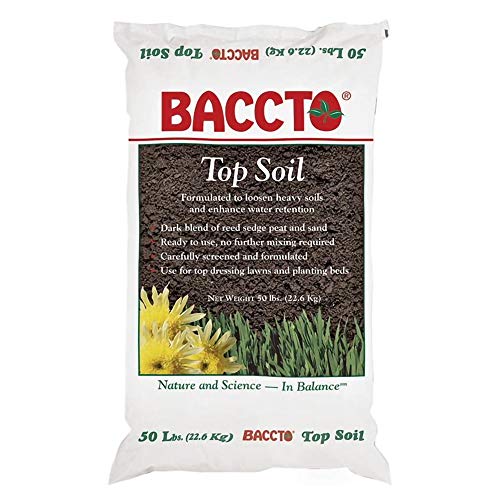
Michigan Peat Baccto Topsoil with Reed Sedge Peat and Sand 50 lb
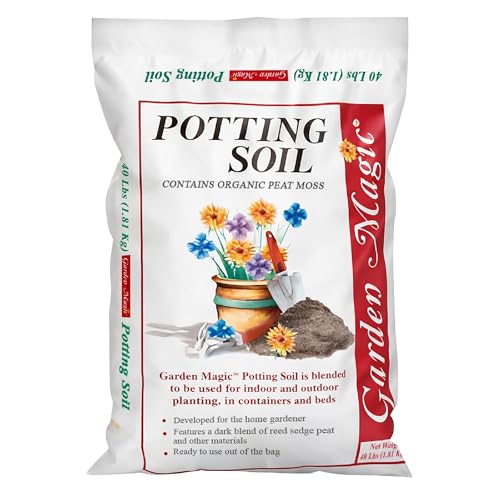
Michigan Peat Garden Magic General Purpose Potting Soil Mix 40 lb

Grow Queen Craft Organic Houseplant Potting Mix 2 qt.

Leaves and Soul Indoor Herb Soil Mix 2.2 Qt
The Picks, Examined More Closely
Anyone running a mixed indoor garden benefits from a forgiving base, and this organic option targets that exact need. The blend pulls in coconut coir (coir is a fibrous material from coconut husks that holds moisture while staying airy) to give roots breathing room, plus sphagnum peat moss (a traditional water-retentive base ingredient) to keep water from draining too fast in small pots. A quick-start natural fertilizer feeds plants right out of the bag, which is helpful for newly transplanted houseplants still settling in.
Compared to the all-purpose Miracle-Gro Potting Mix below, this version leans organic and indoor-focused, so you skip the synthetic fertilizer load. For most living rooms and bedrooms, that balance is exactly right. Just know that the bag is light, so a single 16-quart pack goes faster than you’d expect across a dozen pots.
A Few Strong Suits
- Organic formula suits edible herbs and pet-curious households.
- Coir and peat moss combo reduces the risk of root rot from accidental overwatering.
- Quick-start fertilizer takes the pressure off the first two to three weeks of feeding.
- Lightweight bag is easy to carry upstairs or out to a balcony garden.
Things To Consider
- Smaller bag than the outdoor options, so larger collections need multiple packs.
- Once the bag is open, dry storage matters; the organic content can clump if it sits in a damp shed.
Best Suited To
You maintain a rotating collection of foliage houseplants and want one reliable organic mix that handles pothos, philodendrons, and peace lilies without special amendments.
Where Another Pick Suits Better
You grow mostly aroids and want a chunkier, peat-free blend; Grow Queen Craft Organic Houseplant Potting Mix fits that profile better.
Patio growers juggling tomatoes, herbs, and flowering annuals want one mix that doesn’t force them to stock three different bags. This three-pack covers that workload. The formula is engineered for outdoor containers and is built to feed plants for up to six months, which means less calendar-watching during the busy growing season. For people who repot yearly, that long feed window is a real convenience.
The blend is heavier on fertilizer than the organic indoor pick above, so flavor-sensitive herbs like basil still grow well, but the medium isn’t certified organic. For most urban patios, that’s a fair trade for the simpler feeding schedule.
What Stands Out
- Three-pack format covers a full patio container refresh in one order.
- Up to six months of feeding reduces the need for weekly liquid fertilizer.
- Works across flowers, vegetables, shrubs, and perennials in the same containers.
Points To Keep In Mind
- Not a certified-organic formula, which matters to strict organic gardeners.
- Heavy bags once you stack all three; plan a delivery drop-off point close to your storage area.
Who It Suits Best
You maintain a patio or balcony full of mixed containers and want a single, long-feeding soil that handles vegetables and ornamentals without juggling separate bags.
Swap It Out When
You want a richer, compost-forward blend for in-ground vegetable beds; Coast of Maine Tomatoes and Veggies Organic Soil is the better match for raised garden use.
DIY mixers like having a clean, neutral base they can amend on their own. Midwest Hearth delivers exactly that with a peat moss, vermiculite (a heat-expanded mineral that holds water and air), and perlite (a volcanic material that keeps soil loose and well-drained) formula that mirrors what professional growers use to start cuttings and transplants. The pH is balanced, so it accepts your favorite fertilizer without competing with it.
Versus Miracle-Gro’s pre-fed options, this one is mostly inert: you bring the nutrients. For seed-starting and propagation setups, that blank-slate quality is a feature, not a flaw. It also stacks well as a base for custom cactus, orchid, or herb blends.
Advantages To Know
- Neutral pH works for a wide range of plant types.
- Vermiculite and perlite balance moisture retention with airflow.
- Made in the USA from a simple three-ingredient recipe.
- Ready to use as-is, so beginners can skip the mixing step.
Trade Offs
- No built-in fertilizer, so you need to add nutrients on your own schedule.
- Only 8 quarts per bag, which is modest for large bed projects.
Feature Snapshot
Right Fit For
You start seeds, propagate cuttings, or build custom blends and want a clean, professional-grade base rather than a pre-fertilized mix.
Look Elsewhere When
You want an all-in-one, ready-to-feed option for patio containers; the Miracle-Gro Potting Mix 3-Pack fits that need with less hands-on adjustment.
Travelers, forgetful waterers, and sun-baked patios all share one problem: soil that dries out before the next drink. The AquaCoir formula in this two-pack is built around coconut coir, sphagnum peat moss, and a wetting agent (an additive that helps water soak into dry soil instead of running off the surface), which is engineered to absorb noticeably more water than basic potting soil. That extra holding capacity translates into longer intervals between waterings.
For most thirsty container plants like ferns, impatiens, and tropical foliage, this buffer is a quiet lifesaver. The trade-off is that owners who like a very dry cycle for succulents may find it stays damp longer than expected.
Points In Its Favor
- Holds significantly more water than standard mixes, reducing watering frequency.
- Two-pack covers a large patio or several indoor planters in one order.
- Up to six months of built-in feeding supports long growing seasons.
Honest Caveats
- Not ideal for drought-tolerant plants like succulents or cacti.
- Bags are heavy once delivered, so have a storage spot ready.
Who Will Love This
You grow water-hungry plants in hot, sunny locations or travel often enough that a longer moisture buffer protects your collection between waterings.
Consider Something Else When
Your collection leans toward succulents and other drought-tolerant species; the Grow Queen Craft Organic Houseplant Potting Mix is better suited to those free-draining needs.
Storage space disappears fast when you keep multiple soil bags around. A compressed coco coir brick solves that by arriving as an 11-pound block that expands to several times its dry size once water is added. Gro-Med pre-blends the coir with plant-based food, so you skip the extra fertilizer step that bare coir usually demands.
For seed-starting trays and small herb pots, this expandability is a real win. Depending on your container sizes, one block can stretch across a full season of starter pots without cluttering the closet.
What Works In Its Favor
- Compact brick format saves significant storage space.
- Triple-washed coir reduces salt content that can damage young roots.
- Pre-mixed plant food removes the need to add fertilizer immediately.
- Expands to fill a range of small to medium containers.
Things To Weigh
- Requires soaking and breaking apart before use, which adds prep time.
- Not a complete mix on its own for large containers or long-term plantings.
Technical Highlights
Whose Shelf It Belongs On
You start seeds or run a small kitchen herb garden and need a compact, lightweight medium that doesn’t dominate the storage closet.
Reach For A Different Pick When
You fill large patio containers or raised beds in a single session; Miracle-Gro Potting Mix 3-Pack handles that volume more efficiently.
Vegetable gardeners chasing richer harvests usually want a compost-driven base, and Coast of Maine delivers exactly that. The organic compost blend is lightweight and nutrient-dense, designed to support heavy-feeding crops like tomatoes, peppers, and squash through the full season. It works whether you’re filling raised beds, refreshing an in-ground row, or topping off large containers.
Compared to the standard Miracle-Gro container mix, this one is a more natural fit for outdoor edible beds. You trade the long synthetic feed window for a richer organic profile, which suits growers who amend throughout the season anyway.
What Earns Its Place
- Compost-rich formula ideal for nutrient-hungry vegetables.
- Lightweight texture improves drainage in raised beds and heavy native soil.
- Works for seeding, transplanting, and top-dressing in the same bag.
Room For Improvement
- Single 20-quart bag may fall short for full raised-bed fills.
- Organic composition can attract gnats in warm, humid conditions if overwatered.
Feature Snapshot
Made For
You grow tomatoes, peppers, and other heavy-feeding vegetables in raised beds or large planters and want a rich organic medium that supports strong yields.
Skip It When
Your main project is indoor herbs on a windowsill; Leaves and Soul Indoor Herb Soil Mix is a better match for that scale and herb-focused blend.
Lawn repair and large bed topdressing call for bulk material, not tiny bags. The Baccto topsoil formula mixes reed sedge, peat, and sand to deliver a balanced base that levels sunken patches, refreshes tired beds, and gives transplants a friendlier start. At 50 pounds per bag, it’s the heavy lifter in this lineup.
Versus the potting mixes above, this product is a topsoil rather than a soilless medium, so it’s better for ground contact than for containers. Property owners patching up after construction or aeration will find it a practical workhorse.
Useful Highlights
- Large 50-pound bag covers significant lawn or bed area in a single purchase.
- Reed sedge, peat, and sand combination supports moisture and microbial balance.
- Useful for top-dressing, transplant mixes, and patch repairs alike.
Practical Considerations
- Too dense for most container use, where lighter mixes perform better.
- 50-pound bags are heavy; plan for help unloading and staging.
Perfect Match For
You maintain a larger yard and need bulk topsoil to level lawn patches, refresh planting beds, or blend into transplant holes for shrubs and trees.
A Better Fit Elsewhere
Your work is all container-based; Miracle-Gro Potting Mix 3-Pack is the better match for that scale and application.
Gardeners who want one bag for the whole property appreciate a true general-purpose formula. Garden Magic covers that brief with a blended mix that works in flower pots, raised beds, and indoor planters without much fuss. The 40-pound size is generous without tipping into true bulk territory, so it stores in a garage without needing a dedicated corner.
For a multi-use household, the trade-off is that you give up the specializations of the dedicated indoor or vegetable mixes. Most casual gardeners consider that a fair swap for the convenience.
Practical Advantages
- One blend covers indoor, outdoor, and raised bed applications.
- 40-pound size balances capacity with manageable weight.
- Suitable for flowers, foliage, and general landscaping use.
Small Caveats
- Not optimized for thirsty plants or heavy-feeding vegetables.
- No specialized drainage for cacti or other dry-soil species.
Feature Snapshot
Built With In Mind
You maintain a varied property with mixed plantings and want one general-purpose soil that handles flowers, foliage, and bed work without stocking separate formulas.
Where A Sibling Pick Shines
Your collection is heavy on aroids and tropicals; Grow Queen Craft Organic Houseplant Potting Mix is dialed in for that indoor specialty.
Aroid collectors and indoor jungle builders usually outgrow standard mixes fast. Grow Queen’s chunky blend balances airflow and moisture, which mirrors what monsteras, philodendrons, and pothos prefer in the wild. It’s also peat-free, which appeals to growers concerned about long-term sustainability and reduced gnats in the soil.
Compared to Miracle-Gro’s indoor organic pick, this one trades a finer texture for a chunkier, faster-draining profile. For most aroids, that drainage is the difference between healthy roots and stem rot.
The Practical Payoff
- Chunky texture supports airflow around thick aroid roots.
- Peat-free composition reduces gnat pressure in warm indoor conditions.
- Balanced moisture retention keeps humidity-loving plants happy between waterings.
Points To Note
- Smaller 2-quart bag is geared toward single-plant repots rather than full collections.
- Chunkier texture can float up if you top-water heavily.
Feature Rundown
Who Should Grab It
You collect monsteras, philodendrons, and other aroids and want a chunky, peat-free mix that mirrors their natural root environment.
Not Your Match When
You need a fine, all-purpose medium for general houseplants; Miracle-Gro Organic Indoor Potting Mix covers that broader need with a lighter texture.
Windowsill herb gardeners often struggle with generic potting mix that stays too wet for Mediterranean herbs like rosemary and thyme. Leaves and Soul formulates specifically for basil, mint, rosemary, and thyme, balancing moisture and airflow so kitchen-counter growers don’t lose plants to root rot. The 2.2-quart bag is sized for a few small pots rather than a full patio.
For most beginners starting their first herb garden, this targeted blend removes much of the trial-and-error that generic soils create. The trade-off is that it isn’t designed for outdoor beds or larger planters.
Positive Takeaways
- Formulated for the four most common kitchen herbs.
- Promotes strong root development in small indoor containers.
- Small bag is easy to store and use before it dries out.
Worth Bearing In Mind
- Only suitable for herb-scale use, not vegetable beds or large containers.
- 2.2-quart size means you’ll reorder frequently for a full herb collection.
The Right Fit
You grow basil, mint, rosemary, and thyme on a sunny kitchen counter and want a blend that supports those specific herbs without overwatering issues.
Another Choice May Suit
You want one bag for both indoor herbs and outdoor beds; Michigan Peat Garden Magic General Purpose Potting Soil Mix is more flexible across use cases.
What Matters Most Before Choosing Garden Soil Mixes
Container and bed success starts with matching the medium to the plant’s water and nutrient demands. Cacti, succulents, and Mediterranean herbs want a fast-draining, lean mix, while tropical foliage and heavy-feeding vegetables prefer richer, moisture-retentive blends. Picking the wrong texture is the most common reason container plants fail, even when light and watering seem correct.
Ingredient transparency matters too. Peat moss, coco coir, vermiculite, perlite, and compost each behave differently in the pot. Coir holds moisture and re-wets easily, perlite keeps soil loose, and compost delivers slow-release nutrition. Reading the label helps you predict how often you’ll need to water and feed.
Certifications and ingredient sourcing also influence the decision. Organic gardeners prioritize OMRI-listed (Organic Materials Review Institute) or similarly verified blends, while pet households often look for peat-free or fully natural ingredient lists. For most home gardeners, the right answer is the mix that matches your plants, watering habits, and storage capacity, rather than the most elaborate formula on the shelf.
Finally, think about volume and storage. Bulk topsoil works for lawn patches and bed topdressing, but heavyweight bags are awkward to move and store. Compressed coir bricks solve the storage problem but require soaking before use. Buying what you’ll actually use in one season avoids stale, compacted soil in the corner of the garage.
Key Considerations Across These Picks
Common Shopping Slip Ups
Treating all bagged soil as interchangeable is the fastest path to disappointment. Outdoor garden soil, topsoil, and potting mix serve very different roles, and using the wrong one in containers usually leads to compaction and root issues. Match the bag to the project before you open it, and keep at least one specialty blend on hand for herbs, succulents, or seed-starting.
Overbuying is another common trap. Bulk bags are tempting, but opened soil loses structure over time and can attract fungus gnats in warm conditions. Smaller bags you can rotate through in a single season usually deliver better results than one large bag that sits half-used for months.
What The Higher Tier Buys
Premium blends add specific ingredients that earn their cost in measurable ways. Moisture-control formulas include wetting agents and coir blends that hold more water, which reduces watering labor in hot climates. Compost-rich vegetable soils deliver organic matter that improves yield over a full season, while chunky aroid mixes replicate the airy root environment that monsteras and philodendrons evolved for.
The upgrade pays off most when your plants’ needs clearly outpace a general-purpose blend. Heavy feeders, moisture-sensitive species, and large collections benefit from specialty formulas. Casual mixed plantings, on the other hand, often thrive in a flexible all-purpose medium at a lower cost per quart.
Frequently Asked Questions
How do I know which soil mix is right for my plants?
Match the soil to the plant’s water needs first. Mediterranean herbs and succulents want fast drainage, while tropical foliage and vegetables prefer richer, moisture-retentive blends. Check the ingredient list for perlite or coir to gauge drainage and water-holding capacity.
Can I use outdoor garden soil in indoor pots?
Garden soil is generally too dense for containers and can introduce pests or weeds indoors. Potting mixes are specifically blended to stay loose and well-draining in confined spaces, so they perform far better in pots.
How long does an opened bag of potting mix last?
Stored in a cool, dry place, an opened bag typically stays usable for one to two seasons. Seal it tightly and keep it off concrete floors to reduce moisture absorption and pest issues.
Do I need to fertilize if my mix already contains plant food?
Most pre-fed mixes cover the first several months of growth, but heavy feeders and long-season vegetables eventually need supplemental feeding. Watch for slowed growth or pale leaves as a signal to resume regular fertilization.
What’s the difference between potting mix and potting soil?
The terms are often used interchangeably, but true potting mixes are typically soilless, using peat, coir, perlite, and similar ingredients. Potting soil may include actual topsoil or compost, which makes it heavier and better suited to outdoor beds.
Closing Remarks
The right garden soil mix removes a layer of guesswork from every planting project, whether you’re repotting a single pothos or refreshing a full raised bed. Start with the plant’s water and nutrient needs, then match the bag to your space, storage capacity, and feeding schedule. With the right match in place, the rest of the season gets a lot easier.
