

A 4-by-8 raised bed asks more of a tiller than its size suggests. Compact plots mean tighter turns, shallower roots, and a higher chance of hitting edging or irrigation lines, and the wrong tool turns a 20-minute job into an afternoon. You want something that starts on the first pull (or push of a button), fits between the tomato cages, and doesn’t fight you for control.
This roundup focuses on tillers and cultivators sized for tight spaces: cordless units for patio beds, lightweight options for raised frames, and a few corded workhorses for gardeners who’d rather plug in than charge up. The picks span budget hand tools to brushless bare-tool platforms, so you can match the machine to the bed, not the other way around.
The Lineup, Simplified
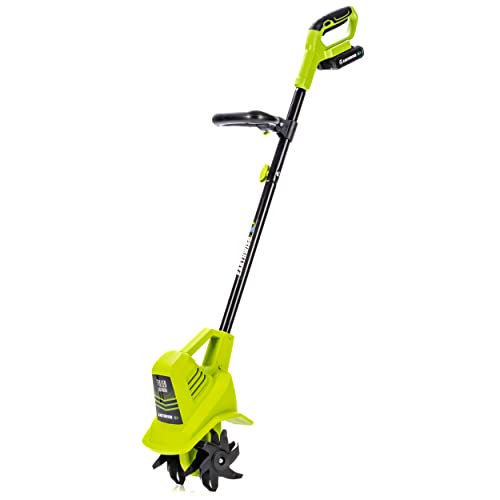
Earthwise TC70020IT 20V 7.5″ Cordless Tiller

Saker 22V Cordless Garden Tiller Cultivator

Muylux 20V Cordless Tiller with 2 Batteries

BARAYSTUS Hand Tiller Twist Garden Claw
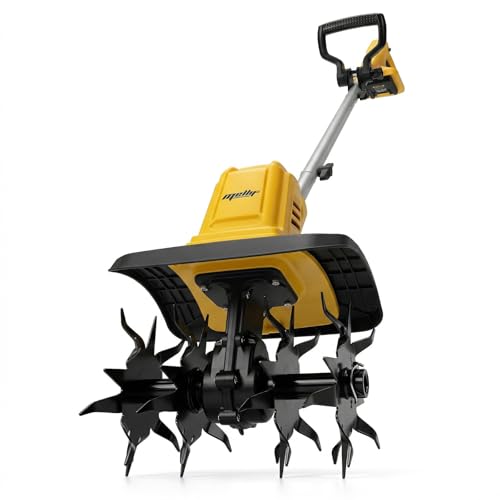
Mayoki Brushless Tiller for DeWalt 20V
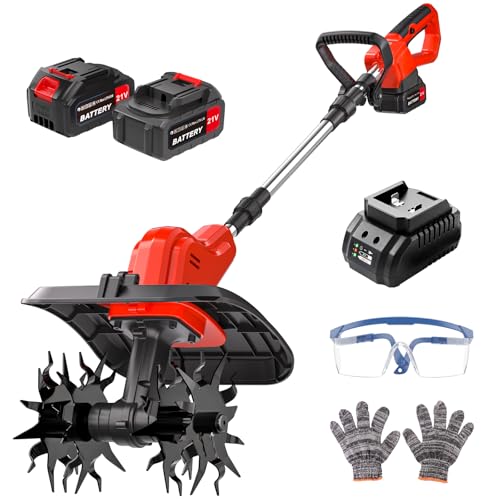
POGGT 21V Cordless Tiller, 11.8″ Wide

IncwBo 12″ 10.5-Amp Corded Tiller

Seesii Mini Cordless Tiller Cultivator
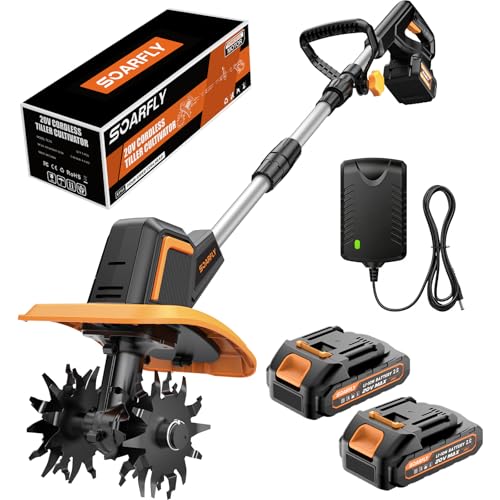
SOARFLY Cordless Tiller 9″ Cultivator

GELIDALITE Tiller for DeWalt 20V MAX
The Details Behind The Selections
The Earthwise TC70020IT hits a useful middle ground for anyone tending a modest raised bed or a backyard herb patch. It runs on a 20V battery platform, so there’s no extension cord to drag across the lawn, and the cordless format makes it easy to step between beds without unplugging. For weekend gardeners who want a tool that starts with the press of a button, the convenience here is real.
The 7.5-inch working width keeps the tiller narrow enough to slip between tight rows, and the cultivator depth reaches the zone where most annual roots actually develop. Compared with bulkier rear-tine machines, this one is built for the scale of a small garden rather than a half-acre food plot. If you mostly work in containers, raised frames, or a single 4×8 bed, the Earthwise is sized to your reality.
Features That Help
- 20V cordless platform removes the need for a long outdoor extension cord.
- 7.5-inch tilling width fits cleanly between garden rows.
- Cultivator depth suited for annual vegetable and herb beds.
- Lightweight frame is easier to lift and store than full-size rototillers.
- Push-button start, no fuel mixing or pull-cord effort.
Things To Consider
- Battery runtime may be tight for multiple large beds in one session, depending on soil density.
- Best suited to already-loosened soil, not breaking raw ground for the first time.
Key Specs
Best Suited To
Weekend gardeners working one or two small raised beds who want cordless convenience without paying for a pro-grade platform.
Consider Something Else When
Heavy clay or unbroken ground suits the corded IncwBo 12″ 10.5-Amp Corded Tiller more, since mains power keeps the tines turning without a battery taper.
Saker’s 22V cordless tiller aims at the gardener who wants to ditch cords without paying for a brushless pro platform. The slightly higher voltage than the typical 18V-20V class gives the tines a bit more bite in packed topsoil, which matters when you’re prepping a bed that saw heavy rain or foot traffic the previous season. It’s a sensible step up for tighter budgets.
Where the Saker stands out is in light-to-moderate soil work: turning compost into a bed, fluffing the top layer ahead of seeding, and working between established plants. It’s not built to chew through sod, and most owners use it for maintenance rather than first-pass ground breaking. Think of it as a cultivator first, a tiller second.
Where It Excels
- 22V platform offers a touch more torque than entry-level 18V-20V units.
- Cordless design suits gardens without convenient outdoor outlets.
- Compact footprint is easy to store in a shed or garage corner.
- Pairs well with raised bed and container gardening routines.
Worth Noting
- Not the right tool for virgin ground or thick root masses.
- Runtime on a single battery may run short across a long weekend session.
- Lighter build means more passes to reach a consistent depth.
Who It Suits Best
Budget-conscious gardeners maintaining already-established beds who need a quick, no-cord refresh before each planting cycle.
Look Elsewhere When
Anyone needing a deeper 8-inch cut in unbroken ground will find the Mayoki Brushless Tiller for DeWalt 20V a stronger match, thanks to its 7-inch depth rating and 48-tine design.
The Muylux 20V comes bundled with two 2.0Ah batteries, which quietly solves the most common complaint about cordless garden tools: mid-task power loss. You can swap packs and keep working, which is genuinely useful when you have three or four beds waiting. For gardeners who treat soil prep as a regular chore rather than an annual event, that runtime flexibility is the headline feature.
The 240 RPM tine speed keeps the unit moving through loosened soil, and the cultivator depth hits a useful 4 inches for working compost into the top layer. Pair the dual-battery approach with the lighter 20V frame, and you get a tool that’s approachable for less experienced gardeners while still productive for seasoned ones.
Points In Its Favor
- Two included 2.0Ah batteries let you swap and keep going.
- 240 RPM tine speed handles routine cultivation without bogging down.
- 4-inch cultivating depth suits annual bed refreshes.
- Lower vibration and noise than gas-powered alternatives.
Honest Caveats
- 2.0Ah packs are smaller than the 4.0Ah batteries some competitors ship.
- Not intended for sod or first-time ground breaking.
Made For
Gardeners with multiple small beds who want to finish a session in one go without waiting on a recharge.
Not Your Match When
Anyone working a single bed that fits inside an hour should save money with the Saker 22V Cordless Garden Tiller Cultivator and skip the dual-battery bundle.
The BARAYSTUS Hand Tiller is a different category entirely. There is no motor, no battery, no cord, and no noise, just a set of curved steel tines and a handle you twist into the soil. For gardeners tending a single raised bed or a few square meters of annuals, that simplicity is the point. You bring the muscle, and the tool does the rest.
The wider and longer tine curve is what sets this claw apart from cheaper twist tools, since it digs deeper and covers more ground per rotation. Owners commonly report that the sharp curve makes initial penetration easier in compacted beds, and the manual action gives you real feedback on soil condition. It’s also the lightest tool in this roundup by a wide margin.
Useful Strengths
- Zero operating cost beyond your own effort, no fuel, no charging.
- Silent operation suits early-morning or shared-yard situations.
- Longer, wider tine curve digs deeper per turn than budget claws.
- Compact enough to store in a kitchen drawer or small tool bin.
Points To Note
- Physical effort scales directly with soil compaction; clay beds tire the wrists fast.
- Not practical for gardens larger than a small raised bed or two.
Who Will Love This
Beginner gardeners, renters, and anyone with one or two small beds who would rather skip batteries and cords altogether.
Swap It Out When
Anyone managing more than a few square meters of compacted soil will get tired quickly and should upgrade to the Seesii Mini Cordless Tiller Cultivator, which automates the same twisting action.
The Mayoki tiller is a bare-tool cultivator designed for gardeners who already own a DeWalt 20V MAX battery platform. A brushless motor (the kind that uses electronic commutation rather than physical brushes to drive the rotor) is the meaningful upgrade here, since it runs cooler, sips less power, and outlasts brushed designs under load. For routine bed work, the 280 RPM tine speed keeps the cultivator moving without strain.
Forty-eight tines across a 10-inch width covers ground quickly for a small-garden tool, and the 7-inch depth reaches well into the root zone of most annuals. Owners commonly report that bare-tool pricing feels reasonable once you skip the battery and charger that come bundled elsewhere. The catch is platform lock-in: you really do need a DeWalt 20V pack to use it.
Positive Takeaways
- Brushless motor delivers higher efficiency and longer service life.
- 280 RPM tine speed handles compacted topsoil without bogging.
- 10-inch width covers a bed in fewer passes.
- 7-inch depth suits deeper root zones in raised beds.
Trade Offs
- Bare-tool only, so you must already own a DeWalt 20V battery.
- Heavier than the lightweight Seesii, depending on your chosen pack.
Key Specs
Perfect Match For
Existing DeWalt 20V owners who want a serious cultivator without investing in a second battery ecosystem.
Reach For A Different Pick When
First-time cordless gardeners should consider the Muylux 20V Cordless Tiller with 2 Batteries, which ships with everything needed to start working the same day.
The POGGT 21V is built for gardeners who treat soil prep as a real workout. Two 4.0Ah batteries ship in the box, which is a substantial upgrade over the smaller 2.0Ah packs many cordless tillers include. For larger plots, a single 4.0Ah battery alone can deliver meaningful runtime, and the second pack keeps you moving when the first runs dry.
The 11.8-inch tilling width is among the widest in this roundup, and combined with the 360 RPM tine speed, you can cover a small bed in a few steady passes. The 6.6-inch cultivating depth handles most annual root systems, and a built-in battery level display is a small but welcome convenience. If your small garden sits on the larger end of “small,” this one is sized accordingly.
Strong Points
- 11.8-inch tilling width covers beds quickly.
- Two 4.0Ah batteries provide longer total runtime.
- 360 RPM tine speed maintains momentum in denser topsoil.
- Onboard battery display shows remaining runtime mid-task.
Where It Is Less Suited
- Wide cut may be too broad for narrow raised bed internals.
- Larger battery format adds weight compared to the Seesii mini option.
Quick Facts
Right Fit For
Gardeners managing larger raised beds or multiple plots in a single session who want cordless power without mains tethering.
Where A Sibling Pick Shines
Anyone working a 4×4 raised bed will find the SOARFLY Cordless Tiller 9″ Cultivator easier to maneuver, since its narrower 9-inch cut fits tighter frames.
The IncwBo 12-inch corded tiller is the antidote to battery anxiety. It plugs into a standard 10.5-amp outlet (assuming a 15-amp circuit, which covers most homes) and runs as long as you do. For gardeners with a backyard outlet within reach of their beds, that unlimited runtime is genuinely liberating, especially when prepping a fresh bed for the first time.
The 12-inch tilling width is the widest in this lineup, and the 8-inch depth reaches deeper than most cordless cultivators manage. That extra reach makes the IncwBo a sensible choice for breaking new ground or incorporating heavy amendments into tired soil. The trade-off is the cord, which means you’ll want a long outdoor-rated extension and a clear path between the outlet and the bed.
Useful Highlights
- Continuous runtime with no battery taper mid-task.
- 12-inch tilling width covers more ground per pass.
- 8-inch depth reaches deeper than typical cordless cultivators.
- 10.5-amp motor handles compacted topsoil with less stalling.
Practical Considerations
- Cord limits reach and requires careful routing around beds.
- Not a fit for gardens far from a weatherproof outdoor outlet.
- Heavier than cordless mini cultivators like the Seesii.
Feature Snapshot
Who Should Grab It
Gardeners with a nearby outdoor outlet who want corded muscle for first-time bed prep or annual deep cultivation.
A Better Fit Elsewhere
Anyone working beds far from any power source will find the cordless POGGT 21V Cordless Tiller, 11.8″ Wide a more practical daily option.
The Seesii Mini takes the opposite approach from the heavy-duty picks in this list. At roughly 2.6 pounds without battery, it’s lighter than a bag of flour, and the 20V cordless platform keeps the working noise to a low hum. For seniors, gardeners with arthritis, or anyone who’s put off soil work because the tool felt like a chore to lift, the Seesii is a refreshing change of pace.
Two 2.0Ah batteries ship in the box, and one-handed operation is genuinely possible thanks to the low mass. You won’t break new ground with it, but for fluffing the top layer of an established bed, aerating around perennials, or mixing fertilizer into the top inch, the Seesii earns its place on the shelf. It’s the everyday maintenance tool, not the first-pass tiller.
Everyday Perks
- 2.6-pound body is one of the lightest cultivators available.
- One-handed operation reduces wrist and shoulder fatigue.
- Two included 2.0Ah batteries cover a small bed in a single session.
- Low noise suits shared yards and early-morning routines.
Soft Spots
- Lightweight build means slower progress in compacted soil.
- Not intended for first-time ground breaking or thick root mats.
Whose Shelf It Belongs On
Seniors, casual gardeners, and anyone with limited storage or upper-body strength who still wants a real cordless cultivator.
Skip It When
Gardeners prepping virgin soil for a brand-new bed will find the IncwBo 12″ 10.5-Amp Corded Tiller has the muscle to do the heavy lifting.
SOARFLY’s 9-inch cordless tiller leans into comfort. An adjustable handle height accommodates a wider range of user statures, and an auxiliary handle gives you a second grip point for better control along bed edges. For households where more than one person uses the tool, that adjustability matters more than it sounds.
Two 2.0Ah batteries provide enough runtime to handle a small garden in stages, and the 9-inch tilling width strikes a useful middle ground between narrow and wide cuts. The 6.6-inch depth is on par with other cordless cultivators in this class, working the top layer where most annual roots establish.
Key Advantages
- Adjustable handle height suits multiple users in one household.
- Auxiliary handle improves control along bed edges.
- Two included 2.0Ah batteries cover routine cultivation.
- 9-inch width balances coverage and maneuverability.
Small Caveats
- 2.0Ah packs are smaller than the 4.0Ah batteries on the POGGT.
- Not built for hard clay or first-pass ground breaking.
Built With In Mind
Shared households and gardeners of different heights who need a cordless cultivator that adapts to whoever is using it.
Another Choice May Suit
Solo gardeners prioritizing maximum runtime should consider the POGGT 21V Cordless Tiller, 11.8″ Wide with its larger 4.0Ah battery pair.
The GELIDALITE bare-tool tiller is the value play for gardeners already running DeWalt 20V MAX packs. A 300W peak motor delivers enough output for routine bed cultivation, and the bare-tool pricing reflects the absence of a battery and charger. If you own a DCB200, DCB204, DCB205, or DCB206, you can drop a pack in and start working.
For tool-system gardeners, this is the cleanest way to add a cultivator without doubling up on batteries and chargers. The trade-off is real: this is a tool-only purchase, and the same caveats around platform lock-in apply here as with the Mayoki. Treat it as an expansion of an existing system, not a starting point.
Strengths Worth Knowing
- 300W peak motor handles typical small-garden cultivation.
- Bare-tool pricing trims cost for existing DeWalt owners.
- Compatible with common DeWalt 20V MAX battery models.
- Compact form factors fits a crowded tool wall.
Practical Considerations
- Tool only, no battery, no charger, no starter option.
- Not a fit for gardeners outside the DeWalt 20V ecosystem.
Spec Overview
The Right Fit
DeWalt 20V MAX owners who want a no-frills cultivator to round out an existing tool platform.
Where Another Pick Suits Better
Anyone without a DeWalt battery should look at the SOARFLY Cordless Tiller 9″ Cultivator, which ships with two batteries ready to use.
Picking The Right Tiller For Your Small Garden
Tilling Width And Bed Geometry
Tilling width is the single most important spec for a small garden, since it determines how many passes clear a bed and whether the tool fits between existing rows. Anything in the 7-to-9-inch range handles standard 4-foot-wide raised beds without trampling the edges, while 10-to-12-inch widths suit wider plots where you’ve planned clear lanes. For narrow raised bed internals under 24 inches, the Seesii Mini or BARAYSTUS Hand Tiller keeps you inside the frame without gouging the wood.
Corded Versus Cordless Power
Corded tillers like the IncwBo deliver unlimited runtime and consistent torque, but only within reach of a weatherproof outlet and a long extension. Cordless cultivators trade that tethering for portability, and a brushless motor (the kind that uses electronic commutation rather than physical brushes to drive the rotor) tends to outlast brushed designs under load. Battery platform lock-in is real: bare-tool picks like the Mayoki and GELIDALITE only make sense if you already own matching packs.
Depth, Tines, And Soil Reality
Cultivating depth tells you how deep the tines reach on a single pass, and 6 to 8 inches covers the root zone for most annuals. Tine count affects how finely the soil is broken up, with 4-tine designs doing rougher work and 48-tine configurations finishing smoother. In heavy clay, you may find even an 8-inch cultivator needs two passes to reach a workable tilth.
Weight, Storage, And Comfort
Lightweight cultivators in the 3-to-7-pound range (Seesii, Earthwise) suit seniors and casual gardeners, while heavier corded units are easier to push but harder to store. Adjustable handles matter when more than one person in the household uses the tool, and a folding frame saves shed space. Choose the tool that fits the gardener, not the other way around.
Key Considerations Across These Picks
Where Shoppers Go Wrong
A common mistake is buying the widest tiller on the shelf and discovering it doesn’t fit between established rows. Measure your bed internals first, then match the tiller width to that clearance. Another trap is assuming higher voltage always means more power, when in practice a brushless motor and a 4.0Ah battery often outperform a higher-voltage brushed unit. Finally, treating a small-garden cultivator as a ground-breaking tool sets unrealistic expectations, since most of these picks shine at maintenance rather than first-pass tilling.
When Paying More Pays Off
Stepping up to a brushless motor, dual-battery bundle, or corded mains power typically buys you longer service life, more consistent output, and wider bed coverage per session. The POGGT 21V with its 4.0Ah batteries and the IncwBo 10.5-amp corded unit are the clearest examples, both priced higher than entry-level options but built to handle larger workloads. If you tend multiple beds each season or work dense soil, the upgrade tends to earn itself in saved time and fewer stalled passes.
Frequently Asked Questions
How deep do cordless cultivators typically till?
Most cordless cultivators in this class till between 4 and 7 inches deep, which covers the root zone of most annual vegetables and herbs. Corded units like the IncwBo reach 8 inches, useful for deeper amendments and tougher soil.
Can a small-garden tiller break new ground?
Lightweight cordless cultivators work best in already-loosened soil, while corded or higher-voltage units can break new ground in stages. For a brand-new bed with sod, a corded 10.5-amp tiller or repeated passes with a strong cordless model is the realistic path.
Is a brushless motor worth the upgrade?
A brushless motor (the kind that uses electronic commutation rather than physical brushes to drive the rotor) runs cooler, uses less power, and typically outlasts brushed designs. For gardeners who cultivate weekly during the growing season, that longevity is meaningful.
How long does a 2.0Ah battery last in a tiller?
Runtime varies with soil density, tine speed, and depth, but a 2.0Ah pack generally covers a small raised bed in one session. For longer sessions or multiple beds, a 4.0Ah pack or a dual-battery bundle like the Muylux avoids mid-task pauses.
Are bare-tool tillers a good deal?
Bare-tool pricing makes sense only when you already own compatible batteries, otherwise the total cost climbs once a charger and pack are added. Shoppers inside the DeWalt 20V ecosystem get the best value from picks like the Mayoki and GELIDALITE.
Closing Remarks
The right tiller for a small garden is the one sized to your bed, your soil, and your storage space. Cordless mini cultivators like the Seesii handle quick maintenance in tight frames, while corded workhorses like the IncwBo break new ground without battery taper. Start with the bed, not the spec sheet, and the rest of the decision tends to fall into place.
