

A good garden trowel disappears in your hand, the way a sharp pencil disappears when you start writing. The bad ones remind you they’re there with every wrist twist, every stuck root, every bent tip. If you tend a few raised beds, a balcony planter, or a sprawling backyard, the trowel you reach for matters more than you’d think. This list rounds up ten well-built options across a range of styles, weights, and price tiers, so you can match the right tool to the soil you actually work.
A Quick View Of The Lineup

Showvigor Stainless Steel Heavy Duty Garden Trowel

Fiskars FiberComp 11″ Trowel (2 Pack)

Garden Guru Heavy Duty Stainless Steel Trowel
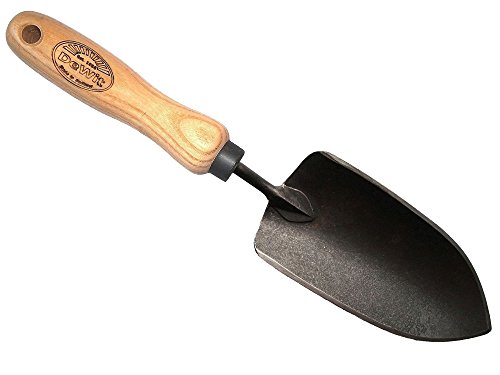
Tierra Garden DeWit Forged Hand Trowel (31-3000)
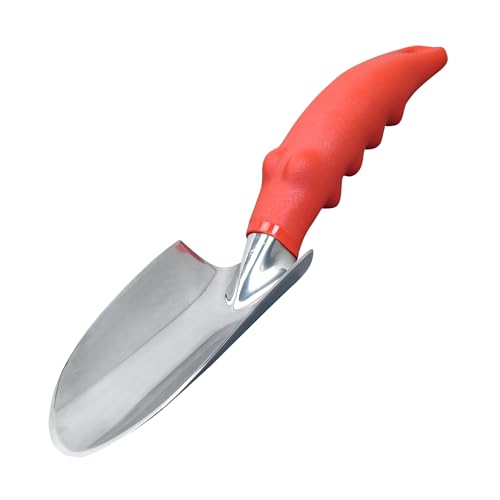
Corona Comfort Trowel

WORKPRO 5-in-1 Hand Weeder Puller Trowel

Fiskars Soil Scoop for Potting & Transplanting

WORKPRO 11″ Garden Hand Trowel Stainless Steel

Kemaier Heavy Duty Stainless Steel Hand Trowel

MECHEER 2-Pack Garden Trowel Set with Measurement Marks
More On The Choices That Made The List
The Showvigor trowel is the kind of no-nonsense tool that fits a wide range of weekend gardeners, from someone re-doing a front flower bed to a hobbyist tending a small vegetable patch. Its stainless steel head moves through typical garden soil without drama, and the smooth finish makes cleanup a quick rinse under the tap. For shoppers who want one tool that handles planting, transplanting, and light weeding without overthinking it, this one earns its place on the shortlist.
It pairs especially well with raised beds and in-ground gardens where you cycle through the same handful of jobs every weekend. Compared with the heavier forged picks later on this list, it’s lighter in the hand, which helps during longer sessions. The honest read is that this trowel doesn’t try to be a specialty tool, it just covers the basics reliably.
Notable Gains
- Smooth stainless head wipes clean in seconds, so you spend less time scraping and more time planting.
- Compact size works well in tight rows and crowded beds where a full-size shovel can’t reach.
- Versatile enough to handle weeding, transplanting, and light soil moving with the same tool.
- Stainless construction resists the surface rust that plagues cheaper carbon steel after a wet season.
Things To Consider
- Best suited to softer garden soil; hard-packed clay and rocky ground will work the head harder than thicker forged options.
- Smaller scoop capacity means more trips when moving larger volumes of soil or compost.
Who It Suits Best
Weekend gardeners with mixed beds who want one trowel that handles most routine tasks without specialty features getting in the way.
Look Elsewhere When
You regularly break ground in rocky, compacted soil, where the Kemaier Heavy Duty Stainless Steel Hand Trowel offers a thicker, more aggressive build.
Fiskars builds the FiberComp trowel around a fiberglass-reinforced plastic handle and a molded blade, which together keep the weight low and the price friendlier than most metal options. Sold as a two-pack, it gives you a backup on the shelf or a second tool to leave at a community plot. The 11-inch length is a comfortable middle ground for most hand sizes, and the bright color makes it easy to spot in tall grass.
This pick suits casual gardeners more than dedicated soil-busters, since plastic-bodied tools trade raw strength for lightness. The trade-off shows up when you push into compacted or root-bound ground, where a steel head pushes through with less effort. For container work, light weeding, and scooping bagged soil, it does the job without much fuss.
Where It Delivers
- Lightweight build reduces hand fatigue during longer potting sessions.
- Two-pack format means one for the shed and one for the garage, or a spare when one gets lost outdoors.
- Plastic construction won’t rust, so leaving it by the hose is no crisis.
- Fiskars’ molded blade shape is well-tuned for scooping loose, bagged soil.
Worth Noting
- Less torque and bite in hard soil compared with all-metal picks like the DeWit or Kemaier trowels.
- Plastic blade can show scuffs and surface wear sooner than stainless steel, especially in rocky beds.
Made For
Casual and container gardeners who want a friendly, low-effort trowel for routine work rather than heavy digging.
Consider Something Else When
You regularly dig into compacted ground, where the Garden Guru Heavy Duty Stainless Steel Trowel brings a more substantial scoop.
The Garden Guru trowel is built around a polished stainless steel head with a wide, concave shape, which is the kind of profile that actually moves soil instead of just stabbing it. The ergonomic grip is a thoughtful touch for longer sessions, and the rust-resistant finish is reassuring for gardeners who leave tools outside. If you only ever buy one trowel, this is a strong default: it handles transplants, mixes soil, scoops fertilizer, and pulls the occasional stubborn weed without complaint.
It compares favorably with the WORKPRO 11″ Garden Hand Trowel, which shares the stainless steel direction but uses a flatter scoop. The concave blade here gives the Garden Guru an edge for transferring loose material, while the WORKPRO feels more like a pure digging tool. Most home gardeners will appreciate having a bit of both shapes available, but the Garden Guru is the better generalist.
Everyday Perks
- Concave scoop moves potting mix and compost faster than flat blades, which saves time on bigger projects.
- Stainless steel build shrugs off rain, damp soil, and the occasional forgotten-night-outside.
- Ergonomic handle design helps during long planting days when a straight wood handle starts to dig into the palm.
- Wide head doubles as a small measuring tool for spacing bulbs and transplants roughly.
Trade Offs
- Slightly heavier than the Fiskars FiberComp, which may matter if you have limited grip strength.
- Polished finish shows fingerprints and smudges more than matte or coated options.
Feature Snapshot
Right Fit For
Active home gardeners who transplant regularly, mix their own soil, and want a single trowel that handles most jobs without switching tools.
Skip It When
Your work is mostly in containers on a small balcony, where the Fiskars Soil Scoop for Potting & Transplanting is purpose-built for tight, clean repotting.
The DeWit 31-3000 is the kind of trowel you can pass down, the one that lives in the back of the shed until your kid borrows it a decade from now. Its hand-forged boron steel head carries a sharpened edge along the full length of the blade, which makes cutting into compacted soil feel almost surgical. The ash hardwood handle is shaped into a P-grip, giving your wrist a natural angle during long sessions. This is a tool built around old-school craftsmanship rather than trend features.
It sits in a different category than the budget-friendly Fiskars FiberComp, and you’ll feel the difference the moment you press the tip into firm earth. Where stamped steel trowels flex slightly, the DeWit holds its line, which means you get cleaner cuts and less fatigue on tough jobs. For most home gardeners it may feel like overkill, but for serious soil work it’s a genuine workhorse.
The Good Stuff
- Forged boron steel head resists bending, even when you pry up stubborn roots or rocks.
- Sharpened blade edges make digging and root-cutting noticeably easier than duller stamped steel.
- Ash hardwood handle ages well and can be sanded and oiled if it ever roughs up.
- P-grip design gives the wrist a comfortable angle during prolonged weeding and transplanting.
Points To Note
- Premium build carries a higher cost than most casual gardeners expect to spend on a trowel.
- Heavier than plastic or thin steel options, so users with smaller hands may want to try it in person first.
Quick Facts
Best Suited To
Long-term gardeners and serious hobbyists who value a tool that will outlast several cheaper replacements and reward a bit of care.
Where Another Pick Suits Better
You’re shopping for a starter trowel for a casual gardener, where the Fiskars FiberComp 11″ Trowel offers a friendlier entry point.
The Corona Comfort Trowel is a compact 12-inch tool with a 6-inch handle, sized for the kind of close-in work you do around established plants. Its shorter reach makes it easier to control in crowded flower beds and tight rows where a longer trowel feels clumsy. The build leans toward the practical, with a sturdy blade that pushes into soil without the wobble you get from thinner budget tools.
Where the DeWit is a long-term heirloom piece, the Corona is more of a working everyday tool, lighter in the hand but still substantial enough for real digging. It fits gardeners who already have other tools and want a trowel tuned for precision rather than raw scooping power. Raised bed growers tend to appreciate the short length most, since it keeps knuckles from dragging on the wood sides.
Useful Highlights
- Compact 12-inch length is ideal for raised beds, container gardens, and close-quarters weeding.
- Shorter handle gives finer control around delicate roots and existing plants.
- Corona’s blade geometry handles bulb planting and controlled digging around stems.
- Sturdy construction holds up to regular seasonal use without flexing.
Honest Caveats
- Smaller size means fewer scoops per pass when moving bulk soil or compost.
- Less reach than full-size trowels if your beds are deep and you’d rather not kneel.
Feature Card
Who Should Grab It
Raised bed and container gardeners who want precise control and a compact profile rather than maximum scooping capacity.
Not Your Match When
You mostly work in open in-ground beds and want to move soil in larger scoops, where the Garden Guru Heavy Duty Stainless Steel Trowel offers a wider blade.
The WORKPRO 5-in-1 packs an unusual amount of utility into one head, with a forked tip for weeding, serrated edges for scraping, a depth gauge, and a cutting notch. For gardeners who fight dandelions and other taprooted weeds, the forked profile makes a real difference, letting you get under the root and lever it out instead of slicing it off at the surface. The polished stainless steel keeps rust in check through wet seasons.
It’s not a specialist’s only tool, and you may find that some functions feel more like clever extras than daily drivers, but as an all-in-one for a smaller kit, it pulls its weight. Compared with the WORKPRO 11″ Garden Hand Trowel from the same brand, this one leans toward weeding and measuring rather than raw digging. Both share the stainless build, so durability is consistent across the line.
A Few Highlights
- Forked head gets under taproots like dandelions, which a flat trowel blade can’t manage as cleanly.
- Built-in depth gauge helps when planting bulbs or seedlings at consistent spacing.
- Polished stainless steel resists rust even when you forget to bring it in before a storm.
- Serrated edges handle twine, plant ties, and the occasional stubborn root in one tool.
Points To Keep In Mind
- Multi-function design means each individual function is slightly less specialized than a dedicated tool.
- The cutting notch and depth markings can confuse first-time users who expect a simple scoop.
Feature Rundown
Perfect Match For
Gardeners dealing with persistent weeds, especially taprooted types, who want one tool that handles weeding, measuring, and light digging.
Swap It Out When
You mostly transplant and rarely deal with tough weeds, where the Corona Comfort Trowel offers simpler, more focused digging geometry.
The Fiskars Soil Scoop is less of a digging tool and more of a tidying tool, designed to move loose soil from bag to pot without scattering it across the floor. Its 1.5-cup capacity sits between a spoon and a trowel, which sounds odd until you’ve tried repotting a fiddle leaf fig with a full-size garden trowel. The shape keeps soil inside the scoop, and the bright color is hard to lose in a potting shed.
It belongs in a different mental category than the rest of this list, more companion than competitor, and that’s the point. Indoor plant owners and balcony gardeners will reach for it far more than any of the heavier trowels above. It also makes a thoughtful add-on if you already own a primary trowel and just want less mess indoors.
Standout Benefits
- 1.5-cup capacity strikes a good balance between moving enough soil and keeping the scoop manageable.
- Contoured shape minimizes spills when transferring from bag to pot.
- Lightweight build is easy to handle during longer repotting sessions indoors.
- Pairs well with a standard garden trowel for a complete soil-handling setup.
Practical Considerations
- Not designed for digging into compacted outdoor soil, so it’s a supplement, not a replacement.
- Smaller head moves less material per scoop than a wide trowel, which adds up during big repotting projects.
Built With In Mind
Houseplant and balcony gardeners who repot often and want a clean, controlled way to move soil without making a mess indoors.
A Better Fit Elsewhere
Your work is mostly outdoor beds and digging, where the Showvigor Stainless Steel Heavy Duty Garden Trowel handles the same chores in the open air.
The WORKPRO 11″ Garden Hand Trowel is a straightforward, well-built trowel that covers the basics without trying to reinvent the category. Its polished stainless steel head resists rust and corrosion, and the high-hardness construction means it won’t flex or bend when you push into firmer soil. The 11-inch length is a familiar, comfortable size that fits most hands and most tasks.
It sits in a similar space to the Showvigor trowel earlier on the list, both aiming at the dependable-everyday category. The WORKPRO leans slightly more toward raw digging, while the Showvigor has a smoother finish that cleans up faster. Choosing between them often comes down to feel and which shape matches your grip, since the specifications are close.
What Helps Most
- Polished stainless head shrugs off rust even after a season of damp soil and hose-downs.
- High-hardness steel resists bending when prying up roots or working in dense beds.
- Versatile enough for indoor and outdoor gardening needs, from pots to plots.
- Comfortable 11-inch length balances reach and control for most hand sizes.
Some Limits To Know
- No specialized features means you may want a secondary tool for weeding-specific tasks like the WORKPRO 5-in-1.
- Stainless finish shows water spots more than matte or coated surfaces, so a quick dry after use keeps it looking new.
Whose Shelf It Belongs On
Practical gardeners who want a no-frills, durable trowel that handles routine digging and transplanting without specialized extras.
Reach For A Different Pick When
You fight persistent taproot weeds regularly, where the WORKPRO 5-in-1 Hand Weeder Puller Trowel offers a forked head purpose-built for that job.
The Kemaier trowel is built for the kind of work that ruins ordinary trowels: hard-packed soil, tangled roots, and rocky yards. Its 2.5mm-thick stainless steel head is heat-treated to a hardness of HRC50 (a standard Rockwell scale measurement, where higher numbers mean harder steel), and a V-shaped blade drives into dense ground with less effort than a flat scoop. A 3-inch sawtooth on the side handles small branches and weed roots that would jam a straight blade.
It carries more weight in the hand than the WORKPRO or Showvigor options, and you’ll feel that during longer sessions. For gardeners dealing with neglected beds or new construction fill, though, that extra heft is the whole point. Compared with the DeWit 31-3000, the Kemaier is more industrial and less heirloom, but it brings similar strength at a friendlier cost.
Where It Helps
- 2.5mm steel head withstands high-intensity use in hard soil, tangled roots, and rocky ground.
- V-shaped blade cuts into compacted earth more easily than flatter scoop-style heads.
- Side sawtooth helps slice small roots and weed stems without switching tools.
- Heat-treated construction holds its shape and edge over multiple seasons.
Where It Is Less Suited
- Heavier than lighter trowels, which can wear on wrists during long, repetitive sessions.
- Aggressive geometry is overkill for soft potting mix and delicate transplanting work.
Key Attributes
The Right Fit
Gardeners reclaiming tough beds, breaking new ground, or working in rocky or clay-heavy soil who need a trowel that won’t back down.
Where A Sibling Pick Shines
Your soil is loose and your work is mostly transplanting, where the DeWit Forged Hand Trowel offers more refined blade geometry for careful work.
The MECHEER set bundles two complementary trowels at once, one with measurement scales in inches and centimeters, and one with a smooth surface for transplanting. The depth markings on the first trowel take the guesswork out of planting bulbs and seedlings at the right depth, while the second handles the gentle work of moving small plants without tearing roots. The aluminum alloy body keeps weight reasonable while still feeling solid in the hand.
It’s a thoughtful package for new gardeners who aren’t sure which trowel shape they’ll reach for, or experienced ones who want a backup pair. The set covers both ends of the spectrum, from measured planting to soft transplanting, in a single purchase. Compared with single-trowel picks like the Showvigor, you get more versatility up front but a slightly less specialized feel in either tool.
What Makes Sense
- Two trowels in one set cover both measured planting and smooth transplanting without buying separately.
- Built-in depth scales remove the guesswork when planting bulbs, seeds, or seedlings.
- Thickened aluminum alloy resists bending when working around thick roots or rocky soil.
- Rust-resistant finish holds up to typical outdoor storage in a shed or garage.
Trade-Offs To Consider
- Aluminum alloy doesn’t match the strength of thicker stainless or forged steel for the toughest digging.
- Two-tool design means neither trowel is quite as specialized as a single-purpose pick from the rest of this list.
Who Will Love This
New gardeners and measured planters who want both a depth-marked trowel and a smooth transplanting trowel without buying two separate tools.
Another Choice May Suit
You only need one trowel and want maximum digging strength, where the Kemaier Heavy Duty Stainless Steel Hand Trowel delivers a thicker single-purpose build.
What To Weigh Before Choosing A Garden Trowel
Match The Head To The Soil You Actually Have
The single biggest factor in trowel satisfaction is matching blade shape and steel thickness to your soil. Soft, well-amended beds reward wider scoop-style heads like the Garden Guru or WORKPRO 11″, which move more loose material per pass. Hard-packed or rocky ground needs the rigidity of thicker forged or heat-treated steel, like the DeWit 31-3000 or the Kemaier trowel, which won’t flex or bend when you lean into them.
Think About Grip And Hand Size
Handle shape matters more than most people expect during long sessions. A P-grip, like the one on the DeWit, keeps the wrist in a more natural angle, while a straight cylindrical handle, like the Fiskars FiberComp, keeps things simple. Comfort-grip designs (softer, contoured handles) reduce pressure points if you tend to garden for hours at a stretch. Try to hold the trowel before committing if possible, since hand fit is personal.
Consider The Jobs You Actually Do
Specialty features earn their keep when you actually need them. A forked head, like the WORKPRO 5-in-1, is a real asset for taproot weeds but unnecessary if you mostly transplant annuals. Depth markings on the MECHEER set are helpful for measured bulb planting, while a deep scoop like the Fiskars Soil Scoop is ideal for indoor repotting. Choosing the right specialty prevents buying a trowel that mostly sits in the shed.
Balance Cost Against Long-Term Use
A budget trowel is a fine starting point for casual use, and the Fiskars FiberComp shows what a low cost can deliver. Spending more typically buys you thicker steel, better rust resistance, and a handle that holds up to years of use rather than seasons. The honest read is that a mid-range stainless trowel like the Showvigor or WORKPRO 11″ covers the middle ground, while premium picks like the DeWit reward gardeners who stick with the hobby for years.
Key Considerations Across These Picks
Common Shopping Slip Ups
A frequent mistake is choosing a trowel by handle comfort alone, without considering what the head is doing in the soil. A soft grip on a flimsy blade will still flex and frustrate you. Another pitfall is assuming all stainless steel performs the same: thinner stamped steel flexes in hard ground, while thicker forged or heat-treated heads, like the Kemaier, hold their line. Buyers sometimes skip thinking about whether they need specialty functions like depth markings, forked weeding tips, or a deep potting scoop, then end up buying a second tool within a season.
Where The Extra Money Goes
Stepping up to a higher-tier trowel usually buys three things: thicker, harder steel that resists bending, better balance and grip design for long sessions, and construction that holds up to years of weather. A forged or heat-treated head like the DeWit 31-3000 or Kemaier trowel isn’t just stronger at the moment of purchase, it stays sharp and true across many seasons. For gardeners who tend serious beds or rocky ground, that durability pays off quickly. For casual container work, a mid-range pick usually covers the bases without overpaying for capacity you won’t use.
Frequently Asked Questions
How Often Should A Garden Trowel Be Replaced?
A well-built stainless or forged trowel can last many seasons with basic care, while a thin stamped steel model may bend or rust within a couple of years. Replacing depends more on the head staying true and the handle staying solid than on a calendar.
What’s The Difference Between A Trowel And A Transplanter?
A trowel typically has a wider, more curved blade suited to scooping and general digging. A transplanter has a narrower, longer blade designed to dig deep, narrow holes for moving plants with minimal root disturbance.
Can One Trowel Handle Both Indoor And Outdoor Use?
A versatile stainless steel trowel like the WORKPRO 11″ or Showvigor can move between indoor pots and outdoor beds without issue. Specialty tools like the Fiskars Soil Scoop are tuned more for indoor repotting and don’t dig well in compacted outdoor soil.
Does Trowel Weight Really Matter?
Yes, especially during longer sessions. A heavy trowel like the Kemaier digs harder but tires the wrist faster, while a light one like the Fiskars FiberComp is easier to handle for extended use but offers less rigidity in tough ground.
How Do You Keep A Garden Trowel From Rusting?
Rinsing soil off after use and drying the head before storage goes a long way. Stainless steel resists rust better than carbon steel, but even stainless benefits from being kept out of standing water and stored dry between sessions.
Bottom Line
The right garden trowel comes down to matching the tool to your soil, your hands, and the kind of gardening you actually do. Heavy beds and rocky ground want thicker steel and stronger geometry, while container and indoor work call for lighter, cleaner designs. Start with the conditions you face most weekends, pick the tool that fits those, and the rest of the season takes care of itself.
