

A torn trellis tie in July is a small problem with a loud consequence: a heavy tomato vine sagging into the dirt. The right garden twine quietly handles that, year after year, and the wrong one frays when you need it most. Most gardeners end up replacing twine every season or two, so picking a roll that matches your workload matters more than the label suggests. This list rounds up ten solid options for tying, training, wrapping, and trellising, with honest notes on where each one fits best.
How The Shortlist Stacks Up
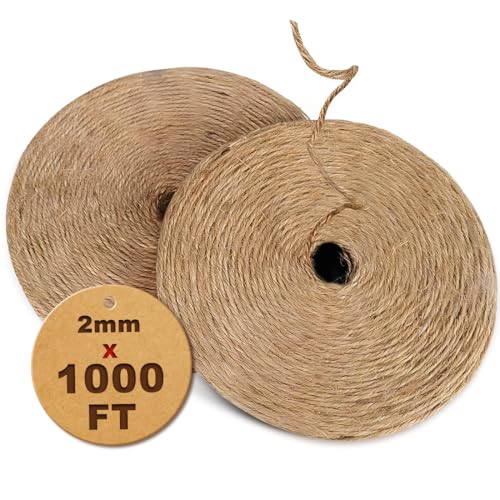
PerkDecor 1000FT Natural Jute Twine (Brown 2mm)

XSEINO 2400 Feet Natural Jute Twine

XSEINO 1200 Feet Natural Jute Twine

PerkDecor 2Pack 2mm Jute Twine (1600ft)

Vivifying 4mm Jute Twine (165ft, Brown)

Luster Leaf Rapiclip Green Twine Dispenser 325ft

GreHom Tomato Twine 6300ft Polypropylene

Tenn Well 328ft 3mm Jute Garden Twine (Green)

Pengxiaomei 656ft Green Jute Twine (2 Rolls)

MAQIHAN Plant Ties Soft Garden Twine 2 Pack 115FT
Inside Each Recommended Option
A single 1000-foot roll of brown jute covers most home gardeners for an entire season, which is why this PerkDecor option earns the opening slot. The 2mm diameter lands in the sweet spot: thin enough to tie soft stems without cutting into them, thick enough to handle a decent load of pea or bean vines. For gardeners who also wrap gifts or do a bit of macrame on the side, the natural fiber coloring blends in with bark and soil, so trellis ties don’t shout from across the yard.
Compared to the longer XSEINO rolls covered later, this one prioritizes a single tidy spool over maximum yardage. You may find the loose-fiber end a touch fuzzy on first unroll, which is typical of natural jute and settles down after the first few cuts. For most backyard setups, the trade-off is worth it: one roll, one consistent thickness, fewer tangles in the shed.
What Stands Out
- 1000-foot roll covers a full season of tying, training, and gift wrap without a refill.
- 2mm thickness strikes a balance between gentle on stems and strong under load.
- Natural brown jute reads as rustic, so it disappears into garden beds and wood projects.
- Flexible fiber handles knots cleanly without the brittleness some synthetic lines show.
Points To Keep In Mind
- Natural jute absorbs moisture over a long wet season, so expect to retie some ties by late summer.
- The 2mm profile is a touch thin for the heaviest fruit-laden branches, where the 4mm Vivifying option fits better.
Feature Snapshot
Right Fit For
Backyard vegetable growers with a couple of raised beds who want one roll to handle tying, training, and a few craft projects through the year.
Where Another Pick Suits Better
For gardeners managing long rows of heavy tomato vines, the GreHom Tomato Twine 6300ft Polypropylene offers more length and a much higher tensile rating.
The 2400-foot XSEINO roll exists for people who go through twine the way some folks go through twine. Community gardens, small farms, and serious veggie plots where tomatoes, cucumbers, and pole beans all need tying every week will chew through a smaller spool fast. Here, the longer run means fewer midseason spool swaps and less time hunting for the end of the roll in a busy shed.
The trade-off is bulk: a 2400-foot spool takes up real shelf space and feels unwieldy until you mount it on a hook or dowel. The natural jute construction is comparable to the PerkDecor roll above, so the same moisture caveats apply in damp climates. In our view, this is the roll to grab when you know you’ll use it, not the one to store “just in case.”
The Value In It
- 2400 feet per roll means a full season of heavy tying without restocking.
- Natural jute fiber stays flexible and knot-friendly through temperature swings.
- Same earthy look as shorter jute options, so it stays visually consistent across large projects.
Honest Caveats
- The large spool is awkward to handle without a holder or wall mount.
- Jute breaks down faster than synthetic line in constantly wet conditions, so plan to retie after heavy storms.
Quick Facts
Made For
Garden managers, community plot coordinators, and serious hobby growers who tie up multiple rows of climbing crops each week.
Look Elsewhere When
If your tying load is light and you’d rather not wrestle a giant spool, the PerkDecor 1000FT Natural Jute Twine is a more manageable everyday size.
Not everyone needs a 2400-foot monster roll, and not everyone wants to make do with 165 feet. The 1200-foot XSEINO lands between those extremes, which makes it a quietly useful middle option. It suits gardeners with a few beds, a small orchard, or a yard where the twine also gets used for craft projects through the winter.
The material is the same natural jute as the longer sibling, so expect the same flexibility, the same soft feel, and the same slow breakdown in wet weather. The source data notes a tensile tolerance of at least 35 pounds, which is more than enough for typical vine and branch work. If you want length without committing to the largest roll, this hits the balance.
The Helpful Details
- 1200 feet offers a comfortable buffer over the 1000-foot mark without doubling your storage footprint.
- 35-pound tensile tolerance handles most vine and branch loads comfortably.
- Same natural fiber as the longer XSEINO, so projects look consistent if you use both.
Trade Offs
- Still a natural fiber, so expect reduced lifespan in very wet or acidic soil conditions.
- No dispenser built in, unlike the Luster Leaf Rapiclip option, so you’ll want a hook or jar.
Spec Overview
Best Suited To
Home gardeners with several beds and a few craft projects each season who want extra length without committing to the largest spool available.
Swap It Out When
For smaller one- or two-bed setups, the Vivifying 4mm Jute Twine offers thicker fiber in a shorter 165-foot run that suits occasional tying.
Two rolls, 1600 feet total, and a price-per-foot that usually beats buying singles: the PerkDecor twin pack is built for households that burn through twine. The 2mm thickness mirrors the single-roll PerkDecor above, so anyone already familiar with that hand feel will know what to expect here. Splitting a roll between the garden shed and a craft drawer is the obvious move.
The natural jute is gentle enough for delicate vine work, including tomato tendrils that complain about anything too stiff. The source highlights softness as a selling point, and the fiber does feel noticeably kinder on hands than some of the rougher 3-ply jute options. If you tend to lend out twine and never get the spool back, having a second roll in reserve saves a future shopping trip.
A Favorable Mix
- Two 800-foot rolls provide backup or let you share with a second gardener or crafter.
- Soft, hand-friendly fiber is comfortable during long tying sessions.
- Natural jute construction suits both plant work and decorative crafts.
A Few Limitations
- Storage gets easier if you actually use both rolls, so the value is tied to real demand.
- Jute will weather and weaken over a full outdoor season, so annual replacement is the norm.
Who It Suits Best
Active gardeners and DIYers who split time between outdoor tying and indoor craft projects and like the safety net of a second roll.
A Better Fit Elsewhere
For gardeners focused purely on heavy structural ties, the Vivifying 4mm Jute Twine offers more load-bearing muscle in a shorter run.
The Vivifying roll plays a different game from the rest of the list. At 4mm thick across a 4-ply construction, this is rope as much as twine, and the source describes a high-strength build. Gardeners dealing with mature grapevines, fruit-laden branches, or heavier hanging tasks will appreciate the extra grip, while crafters building macrame wall hangings get the satisfying weight of a chunkier cord.
The 165-foot length is short by the standards of this roundup, but the diameter is what you’re paying for. This is the right twine to keep on hand for the jobs where the 2mm options feel sketchy. The honest read is that you won’t use Vivifying for everything, but the few times you need it, nothing else on the list will substitute cleanly.
Practical Advantages
- 4mm thickness and 4-ply construction handle structural ties that 2mm twine can’t safely manage.
- Natural jute look keeps a cohesive aesthetic with thinner jute rolls used elsewhere.
- Strong grip on knots, which matters when supporting heavy fruit clusters or hanging baskets.
Where It Is Less Suited
- 165 feet disappears fast if you use it for routine tying, so it’s best reserved for heavier jobs.
- The thickness can crush tender seedlings, so keep finer twine on hand for delicate work.
Feature Card
Whose Shelf It Belongs On
Garden owners with mature vines, espaliered fruit trees, or hanging displays who need a thicker tie for the jobs regular twine can’t safely handle.
Reach For A Different Pick When
For routine tying across many smaller plants, the PerkDecor 1000FT Natural Jute Twine offers a more practical everyday thickness and far more length.
The Luster Leaf Rapiclip solves a problem most twine reviews ignore: the messy spool. Inside a metal dispenser can, the 325 feet of green jute stays tidy, and a built-in cutter at the top snips clean ends without hunting for scissors. Anyone who has tried to pull twine off a tangled ball with one hand while holding a plant with the other will appreciate that little detail immediately.
The green color blends into foliage, which matters more than it sounds for ornamental beds where brown twine stands out against dark leaves. The 3-ply natural jute construction is solid for routine garden work, though heavy structural loads remain outside its comfort zone. In our view, this is the twine to keep on a shelf within arm’s reach of the back door for daily touch-ups.
Notable Gains
- Metal dispenser can keeps twine from tangling and includes a built-in cutter for one-handed use.
- Green color blends into foliage, so ties stay visually subtle in ornamental beds.
- 3-ply natural jute provides reliable strength for typical garden tying and training work.
Some Limits To Know
- 325 feet runs out fast in a busy growing season, so it suits smaller, ongoing jobs better than large installations.
- Green dye may fade over a full sun season, especially on south-facing trellises.
Who Will Love This
Gardeners who want grab-and-go convenience for frequent touch-ups and value a tidy dispenser over bulk yardage.
Skip It When
For tying across an entire vegetable plot from scratch, the XSEINO 2400 Feet Natural Jute Twine provides far more length at a similar thickness.
GreHom breaks the natural-fiber pattern of the list with a synthetic polypropylene line that pushes the tensile number up to 59 pounds. For tomato trellising in particular, where a single string can support a full plant through an entire season, that extra strength means fewer mid-summer snap incidents. The 6300-foot supply is sized for serious operations or multi-year home use.
The trade-off is feel and appearance. Polypropylene is smoother and less grippy than jute, so knots need to be tied with a bit more care. The white color also stands out more against green foliage than the brown or green jute options above. If you need raw strength and long life more than a rustic look, the trade is fair.
Everyday Advantages
- 59-pound tensile strength handles heavily laden tomato vines with margin to spare.
- 6300-foot box covers large plots and multiple seasons of tying.
- Polypropylene resists rot and weather far better than natural jute.
Practical Considerations
- Smoother synthetic surface can let knots slip if not double-tied.
- White color is more visible in ornamental beds than the green or brown jute options.
Built With In Mind
Tomato growers, market gardeners, and anyone running long trellis rows who values raw strength and weather resistance over a natural-fiber look.
Another Choice May Suit
For gardeners who want a softer, more rustic look and lower tensile demands, the PerkDecor 1000FT Natural Jute Twine is a more traditional pick.
Tenn Well sits in the comfortable middle on this list, neither the thinnest nor the thickest, neither the longest nor the shortest. The 3mm thickness handles most vine, flower, and small-stake work without cutting into stems, and 328 feet covers a season of routine tying for a typical backyard. The green dye keeps the line visually quiet against foliage.
The source highlights a tightly twisted construction that resists fraying and unraveling, which matters when you’re cutting shorter segments for individual ties. Natural jute does still break down outdoors over time, but a full growing season is well within the expected lifespan. For gardeners who want one roll that handles most jobs, this is a quietly capable middle-of-the-road pick.
Where It Excels
- 3mm thickness sits in a versatile middle ground between fine tying and structural support.
- Tight twist construction reduces fraying at cut ends during routine use.
- Green color blends well with foliage for ornamental and edible beds alike.
Factors To Consider
- 328 feet won’t satisfy high-volume growers who tie up rows weekly.
- Natural jute will eventually weather, so annual replacement remains part of the routine.
Perfect Match For
Home gardeners with mixed ornamental and edible beds who want a single versatile roll for routine tying through the season.
Consider Something Else When
For tying very young seedlings that bruise easily, the MAQIHAN Plant Ties Soft Garden Twine is gentler on tender stems.
Two rolls of green jute, 328 feet each, give the Pengxiaomei set a flexibility that single rolls don’t. Keep one in the garden shed and the other in the craft drawer, hand one to a neighbor, or rotate them so you’re never left with a single short stub mid-project. The 2mm profile works well for vine training, flower arranging, and gift wrapping.
The source describes a 2-strand construction at 2mm width, which keeps the line soft in the hand. The green color is a useful crossover tone: visible enough to find in the grass, discreet enough to disappear in foliage. You may find the smaller spools easier to handle than the giant 2400-foot options, which matters for anyone who dislikes wrestling with bulk twine.
Bright Spots
- Two-roll packaging covers both garden and craft use without splitting a single spool.
- Smaller individual rolls are easier to handle and store than jumbo single spools.
- Green tone works for both foliage blending and decorative applications like gift wrapping.
Soft Spots
- 2mm thickness limits use for heavier structural ties where 3mm or 4mm options fit better.
- Natural fiber construction means some weather-related retie work over the season.
Who Should Grab It
Gardeners and crafters who like keeping separate spools for separate uses, or households that share a twine supply between people and projects.
Not Your Match When
For gardeners focused on one large tying project that consumes twine fast, the XSEINO 2400 Feet Natural Jute Twine offers more single-roll length.
Seedlings and tender indoor vines are the audience for the MAQIHAN two-pack. The source describes a soft, elastic construction that supports growth without scratching or damaging stems, which is the exact problem new gardeners hit when they reach for a stiffer twine. Two 115-foot rolls give 230 feet total, enough for a small garden or a season of indoor plant maintenance.
The trade-off is straightforward: softness comes with less load capacity. This twine won’t hold a heavy tomato cluster, and it isn’t meant to. Use it where stems bruise easily, then graduate to a thicker jute or synthetic line for the structural work. The 7.8-ounce weight per roll also tells you this is a light-duty product, not a heavy rope masquerading as twine.
The Practical Payoff
- Soft, elastic feel protects delicate stems and seedlings from scratches or cuts.
- Two-roll 230-foot total is sized for small gardens and indoor plant care.
- Lightweight spools are easy to keep near a potting bench or windowsill.
Less Ideal Details
- Soft construction limits use to lighter plants, not heavy fruit-laden branches.
- Shorter total length won’t satisfy larger outdoor plots, so plan to keep a second twine on hand.
The Right Fit
New gardeners, indoor plant owners, and anyone nurturing seedlings who needs gentle ties that won’t damage fragile stems.
Where A Sibling Pick Shines
For mature outdoor plants that need real load support, the GreHom Tomato Twine 6300ft Polypropylene handles much heavier work in the same category.
What Matters Most Before Choosing Garden Twines
Match Thickness to Plant Type
Twine thickness, usually measured in millimeters, sets the limit on what each roll can support. A 2mm line handles young stems, gift wrap, and most light vine work, while a 3mm line adds margin for medium-weight flower stalks and small branches. At 4mm, you’re in rope territory: mature grape vines, espaliered fruit trees, and hanging displays. Picking the thinnest twine that safely handles the job is friendlier to plants, because thicker twine can bruise or restrict tender stems as they grow.
Consider Length and Storage
Twine is sold by the foot, and the difference between a 165-foot roll and a 6300-foot box is more than just yardage. A larger spool means fewer mid-season replacements but a real storage commitment, and a heavier roll is harder to handle one-handed. Smaller spools or two-packs around 300 to 1200 feet tend to hit the sweet spot for most home gardeners, balancing supply with shelf-friendly size.
Natural Fiber vs Synthetic
Natural jute breaks down over a season of weather, which is helpful if you’d rather not untie every last bit of twine at season’s end. Polypropylene and similar synthetics last longer but persist in the soil if left behind, and they’re typically a touch slippery under knots. For vegetable beds where you’ll replace ties annually, jute is usually the more forgiving pick. For permanent trellis systems and high-tensile needs, synthetics earn their keep.
Color and Visibility
Brown jute disappears into soil and bark, which suits rustic beds but can be hard to spot when retie time comes. Green-dyed jute blends into foliage, helpful for ornamental beds where you don’t want trellis lines drawing the eye. White synthetics stand out clearly, which is great for visibility in a busy vegetable plot and a drawback in formal landscaping. The right color often comes down to whether you want the twine to disappear or to be easy to find next fall.
Key Considerations Across These Picks
Where Shoppers Go Wrong
Buying the thinnest twine on the shelf to save money usually backfires when the first heavy vine snaps a tie mid-summer. The smarter move is to match the load to the plant, not the price tag. Another common slip is ignoring storage: a 6300-foot box that won’t fit on a shelf tends to live on the floor, where it picks up moisture and unravels before you finish it. Two smaller rolls often beat one giant one in real-world use.
What The Higher Tier Buys
The jump from a basic 2mm jute to a thicker, higher-tensile option, whether 4mm natural fiber or polypropylene, buys two real things: load capacity and lifespan. A 59-pound tensile rating supports a fully grown tomato plant through an entire season, while a 35-pound line will start to bow under the same weight. The extra cost is essentially insurance against mid-summer failures, which cost more in lost crops than the few extra dollars per roll.
Frequently Asked Questions
What thickness of garden twine works for tomato plants?
Most tomato growers find 2mm to 3mm jute comfortable for younger plants and early training. For mature indeterminate varieties, a higher-tensile synthetic line closer to 4mm or a 59-pound-rated polypropylene handles the full-season load more reliably.
How long does jute twine last outdoors?
A single growing season is the realistic expectation for natural jute exposed to rain, sun, and soil moisture. The fiber softens and weakens gradually, which is helpful at cleanup time, since most ties can be composted along with the plant residue.
Can garden twine be composted after use?
Natural jute is generally compostable and breaks down readily in a home pile, especially when cut into shorter pieces. Synthetic polypropylene twine does not compost and should be saved for reuse or disposed of separately rather than added to a compost heap.
Is green or brown twine better for flower beds?
Green twine blends more naturally with foliage, which suits ornamental beds where visible ties would distract from the plants. Brown twine suits vegetable plots and rustic garden styles, where it disappears against soil and wood.
How much twine does a typical home garden need per season?
A small backyard garden with a few raised beds usually uses 200 to 500 feet of twine per year for routine tying and training. Larger plots with tomato rows, climbing beans, or espaliered fruit can run through 1000 to 2400 feet in a single active season.
Bottom Line
The best garden twine is the one that matches your plants, your plot size, and your tolerance for mid-season retie work. For most home gardeners, a 2mm or 3mm natural jute roll in the 1000 to 2400-foot range covers the year without overcommitting shelf space. Heavier crops and trellis systems earn the upgrade to thicker fiber or higher-tensile synthetics, and a small soft tie on hand for seedlings rounds out a sensible twine kit.
