

A good pair of gardening gloves is the kind of purchase you forget about, until you start yanking up brambles without one. Hands sting, palms blister, and suddenly that quick weekend project turns into a trip for bandages. The right glove lets you work longer, grip wet tools, and reach into thorny beds without flinching. With so many styles lining the shelves, picking one that matches your yard, your grip strength, and the kind of mess you make on a Saturday morning matters more than it sounds.
The Lineup, Simplified
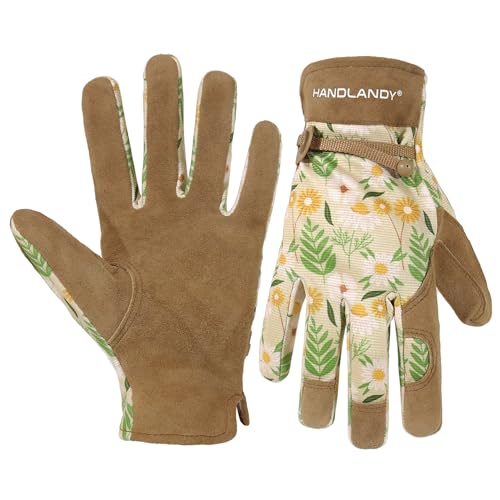
HANDLANDY Gardening Gloves for Women, Leather
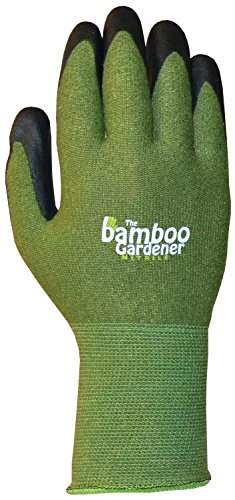
Bellingham C5371M Bamboo Gardener Work Gloves

Trifabricy Long Gardening Gloves for Women
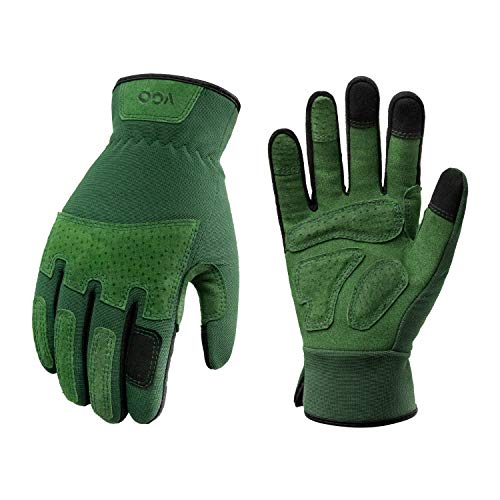
Vgo Ladies’ Synthetic Leather Gardening Gloves

LANON Nitrile Coated Garden Gloves (2-Pair)

HANDLANDY Utility Mechanic Work Gloves

Teikou Gardening Gloves with Claws

Gandeer Rubber Coated Work Gloves

YOUKE OLA 90-Pair Gardening Gloves

WHEATHUSK 144-Pair Bulk Gardening Work Gloves
The Picks, Examined More Closely
If your gardening life leans toward flower beds, light pruning, and the occasional herb harvest, the HANDLANDY leather glove sets a comfortable baseline. The leather shell softens with use, molding to your grip within a session or two, and the cut keeps dexterity high enough for handling seed packets or pinching off deadheads.
Pulling up weeds around established perennials feels less punishing, and the glove breathes well enough for a mid-morning session in mild weather. The sizing skews toward a slimmer hand, so those with broader palms may need to size up for a comfortable fit.
Everyday Perks
- Soft leather palm that breaks in quickly and feels supple after a few uses
- Lightweight enough to keep on while carrying pots, snipping stems, or tying twine
- Gives a steadier grip on slippery terra-cotta and wet stone
- Profile is slim, so seed packets and small tools still feel manageable
Worth Bearing In Mind
- Not built for serious thorn work, so rose gardeners may want longer coverage
- Leather stiffens if stored wet, so air-drying after damp sessions helps the lifespan
- Slimmer fit may feel tight across wider knuckles
Made For
Garden tenders who mostly weed, deadhead, and transplant without facing down serious bramble thickets.
Consider Something Else When
Rose growers wrestling with thorny canes should look at the Trifabricy long-cuff glove for extra forearm coverage.
The Bellingham bamboo-knit glove earns its spot for gardeners who run hot, work in humid summers, and dread that swampy-palm feeling. Bamboo rayon wicks moisture away from the skin, and the nitrile-coated palm gives you a confident grip on trowels, hose fittings, and seed packets alike.
The 13-gauge knit is light and flexible, closer to a work glove than a heavy-duty gauntlet, which makes it a great all-day choice for raised beds and container work. It resists abrasion (surface wear from rubbing) well enough for raking, scooping mulch, and handling rough wood chips without falling apart.
What Pays Off
- Bamboo rayon liner stays cooler than cotton or synthetics in warm weather
- Nitrile palm coating grips well, even on damp tool handles
- Lightweight knit keeps hand fatigue low during long sessions
- Stands up to punctures and snags from twigs and rough stems
Honest Caveats
- Not designed for rose thorns, so expect scratches on heavy cane work
- Snug-fitting knit may run warm during peak summer heat
Key Attributes
Right Fit For
Vegetable gardeners and container planters who want a breathable glove for warm-weather sessions and light-to-medium yard work.
Look Elsewhere When
Anyone needing serious thorn protection should consider the Trifabricy long-cuff option instead, since this knit leaves the forearm exposed.
Rose gardeners, berry bush tamer, and anyone who has ever walked away from pruning looking like they lost a fight, the Trifabricy long-cuff glove is built for the scratchy jobs. The extended forearm coverage blocks thorns before they reach your sleeves, and the reinforced palm holds up against sharp canes.
Working through a thorny climbing rose or a blackberry thicket becomes less of a blood-sport with these in your toolkit. You trade a little finger dexterity for serious puncture resistance, but the trade is worth it when the alternative is a forearm full of scratches.
Bright Spots
- Long cuff shields wrists and forearms from thorn scratches
- Puncture-resistant palm material holds up to aggressive cane work
- Grippy finish keeps pruners from twisting in hand during cuts
- Practical choice for rose gardeners and berry harvesters
Trade-Offs
- Longer cuff reduces wrist flexibility for fine, fiddly tasks
- Bulkier build feels warm in hot, humid conditions
Who It Suits Best
Rose growers, berry patch owners, and landscapers who face down thorny, scratchy work on a regular basis.
Skip It When
Casual container gardeners will get more use from the Bellingham bamboo knit, which breathes better and handles everyday weeding more gracefully.
The Vgo glove steps in when the job leans more workshop than flower bed. The synthetic leather palm meets a recognized abrasion standard, meaning the surface resists surface wear under repeated friction, so the glove holds up when you spend a Saturday wrestling with landscaping tools, fence repairs, or yard cleanup.
Foam padding across the palm and knuckles softens vibration from power trimmers, hedge clippers, and other hand-held equipment. The touchscreen fingertip is a small but welcome touch for checking plant-identification apps without pulling the glove off mid-task.
Why It Works Well
- Foam palm padding absorbs vibration from trimmers and clippers
- Touchscreen-compatible fingertips let you check your phone without removal
- Synthetic leather palm passes an abrasion resistance standard
- Stands up to multi-purpose work: ranching, light construction, landscaping
Practical Considerations
- Heavier than knit gloves, so hand fatigue builds faster on fine, repetitive work
- Less breathable in peak summer heat
Feature Snapshot
Best Suited To
Property owners who split time between yard work, light construction, and tool-driven landscape projects.
Another Choice May Suit
For pure planting-and-pruning days, the HANDLANDY leather glove offers more comfort and breathability for less intense sessions.
The LANON glove earns its place with a knit construction that breathes well and a nitrile foam palm that grips like it’s trying to hold on. The two-pair pack is the kind of detail that matters in a real household: one pair gets muddy, the other stays clean for tomorrow’s project.
It runs light, so weeding, transplanting seedlings, and wrestling with garden hoses stay comfortable over long sessions. The knit wrist keeps dirt from sneaking in at the cuff, and the foam-coated palm handles light oil and moisture without losing grip.
A Strong Showing
- Lightweight 15-gauge knit keeps air moving across the hand
- Nitrile foam palm grips well on wet, oily, or slick surfaces
- Two-pair value helps when one set is in the wash or lost in the yard
- Flexible knit cuff keeps debris out during soil work
Soft Spots
- Light coating is not designed for serious thorn resistance
- Sizing skews closer to a snug fit, so broader hands may want to size up
Quick Facts
Who Will Love This
Everyday gardeners handling weeding, mulching, and tool work who appreciate a glove that disappears on the hand.
Not Your Match When
Thorn-heavy jobs call for the Trifabricy long-cuff glove, which is built for that specific abuse.
For gardeners who bounce between the yard, the garage, and a weekend home repair, the HANDLANDY utility glove is a sensible crossover pick. The synthetic leather palm handles rough tool grips, the stretch spandex back lets your hand breathe, and the foam knuckle padding softens knocks when you reach into tight spots.
Available in medium, large, and XL, the glove fits a wider range of hand sizes than most garden-specific options. It runs light enough for trimming and weeding while standing up to a quick fence repair or a trip to the woodpile.
The Upside
- Spandex back panel keeps air moving and reduces hand sweat
- Foam knuckle padding softens impacts in tight, awkward spaces
- Touchscreen-capable fingertip works for quick phone checks
- Wide size range from medium to XL fits most hands
Minor Gripes
- Not waterproof, so wet soil or dew soaks through to the skin
- Less puncture resistance than thorn-specific gloves
Whose Shelf It Belongs On
Homeowners splitting time between gardening, light repair, and yard maintenance who want one glove that does multiple jobs.
Swap It Out When
Thorn-heavy pruning calls for the Trifabricy long-cuff glove, which is purpose-built for that abuse.
For the gardener who keeps losing their trowel, the Teikou glove solves a real, specific problem: the right hand comes with built-in plastic claws for digging small planting holes, scratching trenches for seeds, and breaking up soil clods. It looks a little unusual, but the design works well for quick, light digging jobs.
The waterproof shell keeps hands dry while you’re working damp soil, and the glove is genuinely useful for tasks where hauling a full tool kit feels like overkill. You won’t be felling trees with these, but for a quick round of bulb planting, they cut down on the back-and-forth to the tool bucket.
Reasons It Performs
- Built-in claws on the right hand speed up small digging jobs
- Waterproof shell keeps hands dry through damp soil
- Eliminates the need to grab a trowel for shallow planting
- Helpful for seniors or anyone who wants to reduce tool handling
A Few Limitations
- Plastic claws are not a replacement for a real trowel on deeper digs
- Claws can crack if forced into rocky or root-heavy ground
- Looser fit than most gardening gloves
Built With In Mind
Casual gardeners who want a quick, no-tool option for planting bulbs, light weeding, and small digging tasks.
A Better Fit Elsewhere
For thorny work or serious landscape projects, the Vgo synthetic leather glove handles a much wider range of chores.
The Gandeer rubber-coated glove is the sort of thing you reach for when the forecast said sunny and the ground said otherwise. The rubber palm shrugs off damp soil, muddy tools, and puddle-heavy beds without letting moisture seep through to the skin.
It handles wet hose fittings, damp mulch bags, and slimy wheelbarrow handles without losing grip. For gardeners who live somewhere spring and fall stay damp, this glove is a quiet workhorse that earns its spot in the rotation.
What Earns Its Place
- Rubber palm keeps hands dry when working wet soil or wet tools
- Strong grip on muddy wheelbarrows, damp wood, and wet stones
- Easy to rinse clean after messy sessions
- Affordable backup for the inevitable lost glove
Points To Note
- Rubber coating reduces breathability during long, hot sessions
- Not designed for fine, fingertip-precise tasks
Perfect Match For
Gardeners in wetter climates or anyone tackling early-spring beds where the soil hasn’t dried out yet.
Reach For A Different Pick When
Summer pruning in the heat calls for the breathable Bellingham bamboo knit, which handles dry, warm weather more comfortably.
Buying gloves by the case rarely makes sense for a household gardener, but for community gardens, volunteer crews, and landscaping teams, the YOUKE OLA 90-pair bulk pack is a different kind of value. The rubber-coated palm grips well, the knit back breathes, and ninety pairs means you are not rationing gloves mid-project.
Each pair handles everyday yard work, light construction, and basic gardening without complaint. For organizations running planting days, school garden programs, or large property cleanups, this is the kind of bulk purchase that keeps the day moving.
Good Reasons To Consider
- 90-pair case covers large crews and frequent replacements
- Rubber palm grips well across wet and dry conditions
- Breathable knit back keeps hands cooler than solid rubber
- Practical fit for both men and women across a range of hand sizes
Where It May Fall Short
- Disposal becomes a concern once gloves wear out, given the volume
- Single-use feel is not designed for the long-term wear of a household glove
Who Should Grab It
Volunteer organizers, school garden coordinators, and small landscaping teams running frequent group projects.
Where A Sibling Pick Shines
Household gardeners get more value per pair from the LANON two-pack, which balances bulk and quality for everyday home use.
For job sites, commercial landscaping operations, and any setting where gloves vanish into the wheelbarrow by lunchtime, the WHEATHUSK 144-pair bulk case is the practical answer. The 9.1-inch cuff extends past the wrist, the rubber-coated palm grips well, and the sheer volume means replacement is rarely a concern.
It also covers the occasional home need for shared spaces: garden clubs, multi-family properties, or workshops where one designated glove box keeps the project moving. The case size is overkill for a single gardener, but for the right situation, nothing else compares.
Positive Points
- 144-pair case handles large crews and high turnover
- 9.1-inch cuff covers the wrist for dirt and debris protection
- Breathable knit back softens the heat buildup common with full rubber gloves
- Multi-purpose build handles gardening and light construction
Things To Consider
- Storage space is required for a case of this size
- Quality is workmanlike rather than premium, so heavy daily use still wears them out
Who It Suits Best
Commercial landscaping teams, maintenance crews, and large community garden operations that go through gloves fast.
Not Your Match When
Home gardeners get more comfort and longevity from the LANON two-pack, which serves household-scale projects better.
What To Weigh Before Picking Your Gardening Glove
The right glove for your garden depends less on brand and more on the kind of work you actually do. Thorn-heavy pruning calls for a long cuff, a puncture-resistant palm, and a fit that keeps bark and bramble from working their way inside. Hot, humid sessions demand a breathable knit with moisture-wicking (pulling sweat away from skin) fibers, the kind of construction you find in bamboo or lightweight nylon blends. Cold, damp work leans toward rubber-coated palms that keep moisture out and grip firm when the tools are slick.
Fit matters as much as features. A glove that runs tight across the knuckles reduces dexterity, while a loose cuff invites dirt, debris, and the occasional ant. For multi-purpose yards, a two-pair pack offers a backup when one set is in the wash or lost in the compost. For crews, gardens, and shared spaces, bulk cases are a different kind of value, one where the priority shifts from durability per pair to availability across the whole group.
Key Considerations Across These Picks
Pitfalls Shoppers Hit
The most common mistake is buying a glove for the wrong job. A thin knit glove feels great in the package and falls apart in a single afternoon of rose pruning. The reverse is also true: a heavy leather gauntlet becomes a sweaty liability during a calm hour of container planting. Match the glove to the chore, not the chore to the glove.
Sizing trips up plenty of gardeners. Many gloves run small, especially in knit styles, so a snug fit in the package can translate to tight across the knuckles after a few washes. Wider hands, in particular, often benefit from sizing up or choosing a glove that lists multiple size options. Storage matters too. Leather and bamboo gloves last longer when they air out before being tossed into a bin, and bulk packs need a dry spot to avoid mildew through the unused pairs.
The Case For Spending Up
Higher-tier gardening gloves justify the cost when you start to count the replacements. A leather palm that holds up across multiple seasons costs less per use than a bargain pair that tears in a month. Foam knuckle padding pays for itself the first time a trimmer vibrates your hand numb. Touchscreen fingertips save time across a busy day. Long cuffs, reinforced palms, and recognized abrasion standards (lab tests measuring how well a material resists surface wear) translate into fewer mid-project glove swaps, less hand fatigue, and a lower chance of coming home with a splinter. The upgrade is worth it for gardeners who work the soil weekly, not just on occasional Saturdays.
