

Raised beds drain faster, warm sooner, and let you control the mix your vegetables root into, but only if the soil inside that frame is right. A bed filled with bargain bagged topsoil compacts within a season, repels water, and starves roots of air. The right blend, by contrast, holds moisture without going soggy, feeds steadily, and stays loose enough for carrots and beets to push through cleanly. This roundup sorts through the bagged soils, amendments, and seed-starting media that work hardest in elevated frames, so you can match the medium to what you’re actually growing.
A Side-By-Side Look

Miracle-Gro Organic Indoor Potting Mix, 16 qt.

Miracle-Gro Raised Bed Plant Food, 2 lbs.
9-Pack Premium Organic Coco Coir Bricks 12.6 lbs
Legigo 50 Pcs 30mm Coco Coir Pellets

Coast of Maine Tomatoes and Veggies Soil 20 qt

R&M Organics Compost Soil Amendment Fertilizer

Espoma Organic Vegetable & Flower Garden Soil 1 cu ft
Coast of Maine Castine Blend Soil 2 cu ft
Michigan Peat Garden Magic Potting Soil Mix 40 lb

Espoma Organic Raised Bed Mix 1.5 cu ft
Taking A Closer Look At The Options
Miracle-Gro’s organic indoor blend is built around coir (coconut-husk fiber that holds air space and moisture), sphagnum peat moss, and a quick-start natural fertilizer. That trio makes the bag forgiving for new gardeners, since coir pulls double duty: it resists compaction in small pots, and it holds onto water long enough that a missed watering day rarely kills a basil plant.
Compared to the heavier raised-bed mixes later in this roundup, this one stays light and fluffy, which is exactly what shallow-rooted herbs and leafy greens want in a tabletop planter or window box. You may find it dries out faster in a deep outdoor bed during a heat wave, so it works best in smaller containers rather than a four-by-eight frame.
Key Advantages
- Coir base keeps soil loose, so roots don’t suffocate in small pots
- Quick-start fertilizer helps transplants establish without extra feeding for the first few weeks
- Organic formulation suits food crops like herbs and lettuces grown in containers
- Lightweight bag is easy to carry up stairs or onto a balcony
Things To Consider
- A 16 qt. bag fills only a few medium pots, so a full raised bed would need many bags
- Dries out quicker than denser bed mixes, which means more frequent watering in summer
Who It Suits Best
Balcony and patio gardeners who want a forgiving organic blend for potted herbs, lettuces, and a few compact tomato plants.
Where Another Pick Suits Better
For filling a full raised bed, the Coast of Maine Castine Blend Soil is a far better match thanks to its larger volume and bed-specific formulation.
This isn’t a soil, it’s a granular plant food designed to feed whatever soil you already have in a raised bed. The added calcium targets a common deficiency in tomatoes and peppers, where blossom-end rot shows up as dark, sunken spots on the bottom of the fruit. Vital micronutrients round out the mix, supporting both leafy top growth and root development below the surface.
Think of this as a midseason booster rather than a one-time fix. Used alongside any of the soils in this roundup, it keeps hungry crops productive through the heaviest fruiting stretch. You may find that very small beds with only a few plants won’t go through a 2 lb. pouch before the next growing season.
Real Benefits
- Added calcium helps prevent blossom-end rot in tomatoes and peppers
- Micronutrient blend supports both above-ground growth and root health
- Granular format spreads easily with a small hand scoop, no mixing required
Worth Noting
- Not a standalone growing medium, so it has to be paired with actual soil or compost
- A 2 lb. bag is generous for one small bed, which may mean storing leftovers in a dry spot through winter
Made For
Home growers who already have a raised bed established and want to push fruiting crops harder through the heart of the season.
Consider Something Else When
You’d be better served by the R&M Organics Compost if the bed needs organic matter and nutrients replenished at the same time.
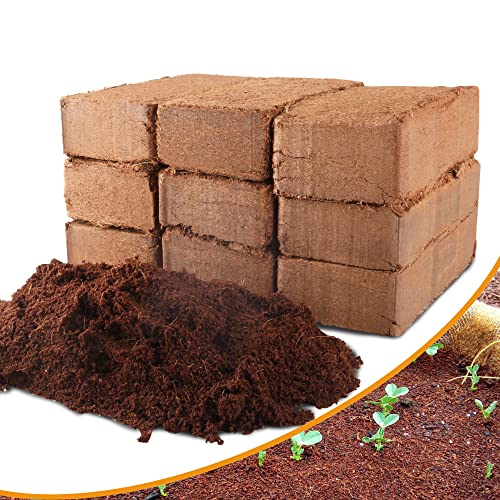
Avalution’s nine-brick set ships dry and compact, with each block measuring roughly 8 by 4 inches. Add water and each brick expands into a fluffy mound of coconut-husk fiber, which functions as a peat-moss alternative with a low EC (electrical conductivity, a measure of salt content) and a balanced pH. That combination makes it forgiving for gardeners who don’t want to fuss with testing strips before mixing.
Unlike the ready-to-use bed soils later in the roundup, this is a building block. You blend the rehydrated coir with compost and aeration material to make your own custom mix. The storage story is the real selling point: a flat of bricks takes up almost no garage space, and you hydrate only what you need.
What It Does Well
- Compressed format means a garage shelf can hold the equivalent of several wheelbarrows of loose fiber
- Low EC and balanced pH reduce the need to flush salts before planting
- Pairs naturally with compost and perlite for custom bed recipes
- Rehydrates with plain water, no special equipment required
Trade Offs
- Requires extra prep time to soak and mix, not a pour-and-plant product
- On its own, coir lacks nutrients, so compost or fertilizer must be added
- Expanding the bricks in a small tub is messy without a tarp underneath
Key Specs
Right Fit For
DIY gardeners who like to build their own soil recipe and want a peat-free, space-saving base ingredient to keep on the shelf.
Skip It When
You’d rather skip the mixing step, in which case the Coast of Maine Castine Blend Soil is a ready-to-use alternative.
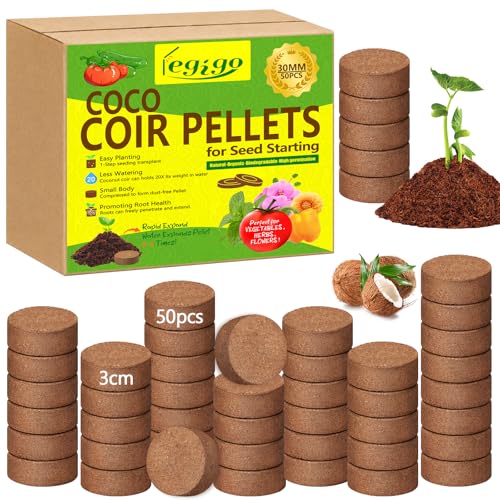
These small discs from Legigo are the seed-starting counterpart to the coir bricks above. Each 30 mm pellet (about 1.2 inches across) comes compressed and dry. Drop one in a tray, add warm water, and it puffs into a small pot of growing medium wrapped in a fine mesh that holds its shape, so there’s no plastic pot to remove at transplant time.
Where the larger bricks work for filling beds, this format is built for the earliest stage of the season. The single-pellet design keeps things tidy on a windowsill, and the mesh wrap reduces root disturbance when the seedling moves out to a raised bed. For a backyard grower starting dozens of tomatoes and peppers indoors, that translates to less transplant shock and a faster start to the outdoor season.
Why It Works Well
- Pre-measured pellets mean no guesswork on how much medium each cell needs
- Mesh wrap keeps the root ball intact at transplant, so seedlings barely notice the move
- Compresses flat for storage in a single drawer
Points To Note
- Each pellet is small, so heavy feeders like squash may outgrow them before transplant weather arrives
- Not a substitute for raised-bed soil; this is a starter medium only
Best Suited To
Beginners and small-space gardeners starting a tray or two of tomatoes, peppers, or flowers on a sunny windowsill before transplanting into a raised bed.
Look Elsewhere When
You need to fill an entire raised frame from scratch, in which case the Espoma Organic Raised Bed Mix is the right scale.
Coast of Maine built this 20 qt. bag specifically around fruiting vegetables. The compost-forward blend stays lightweight, which matters when you’re setting transplants deep into a freshly filled bed. Tomatoes in particular benefit from being buried up to their first true leaves, and a loose mix makes that easy without smothering the stem.
The bag works for seeding, transplanting, and topping off established beds, so it pulls triple duty across the season. Compared with the in-ground Espoma mix below, this one is more compost-rich and airier, which is exactly what heavy feeders like tomatoes want. For a brand-new 4×4 bed, you’d want multiple bags, since 20 qt. only covers a partial fill.
Standout Benefits
- Compost-heavy recipe gives heavy feeders an immediate nutrient start
- Lightweight texture keeps new transplants from sitting in dense, soggy soil
- Works for seeding, transplanting, and top-dressing, reducing the need for multiple products
Honest Caveats
- Twenty quarts fills only a portion of a typical raised bed, so plan on several bags
- Strong compost smell right out of the bag fades after a few waterings
Key Specs
Who Should Grab It
Vegetable gardeners who want a dedicated, compost-rich medium for tomatoes, peppers, and other heavy feeders in raised beds or large containers.
Reach For A Different Pick When
You’re filling an empty frame from scratch and need a larger volume per bag, in which case the Coast of Maine Castine Blend Soil at 2 cu ft is a more efficient choice.
R&M’s compost is built from dairy cow manure and works as a soil amendment, so you mix it into an existing bed rather than planting directly into it. After a season of tomatoes or squash, raised-bed soil loses organic matter and structure. A few inches of this compost, forked into the top layer, restores that body and feeds the microbial life that keeps nutrients cycling.
The bag fits a wide range of uses: vegetable gardens, fruit trees, flower borders, container plantings, and even lawn top-dressing. You may find the texture a bit chunky straight from the bag, so a quick crumble with your hands before spreading helps it integrate faster.
The Value In It
- Dairy-manure compost rebuilds organic matter depleted after a heavy cropping season
- Multi-use format covers vegetables, flowers, fruit trees, and even lawns
- Replenishes beneficial microbes along with nutrients, supporting long-term soil health
Room For Improvement
- Not a stand-alone growing medium, so it must be blended with existing soil or another mix
- Initial texture is somewhat chunky and may need breaking up before spreading
- Manure-based products carry a brief earthy odor after application
Built With In Mind
Established raised-bed owners refreshing the soil at the end or start of a season to keep structure loose and nutrient levels steady.
Swap It Out When
You need a ready-to-use planting mix instead, in which case the Coast of Maine Tomatoes and Veggies Soil is purpose-built for direct transplanting.
Espoma’s 1 cu ft bag is designed to improve native soil rather than replace it. The organic blend is enriched with earthworm castings (a slow-release natural fertilizer and soil conditioner produced by worms), and it’s positioned for planting and transplanting both vegetables and flowers. For an in-ground bed or a frame sitting on poor subsoil, this is the bag you mix into the bottom and sides before planting.
Compared with the dedicated raised-bed mix in the last review, this one leans toward amending existing ground. In a true raised frame with no native soil contact, you’d want the raised-bed-specific Espoma bag instead. Used as intended, it transforms heavy clay or sandy ground into a workable planting medium within a single season.
Everyday Advantages
- Earthworm castings feed plants slowly, reducing the risk of nutrient burn
- Improves both clay and sandy native soil, so it flexes with what you already have
- Organic formulation suits food crops and pollinator-friendly flowers
A Few Limitations
- Best blended with existing soil, not used alone in a deep raised bed
- One cubic foot is a small volume, so amending a large area requires multiple bags
Whose Shelf It Belongs On
Backyard gardeners working in-ground beds or shallow raised frames who want to enrich existing soil with organic matter rather than replace it entirely.
A Better Fit Elsewhere
For a deep raised bed that needs a complete fill, the Espoma Organic Raised Bed Mix is formulated for that exact use case.
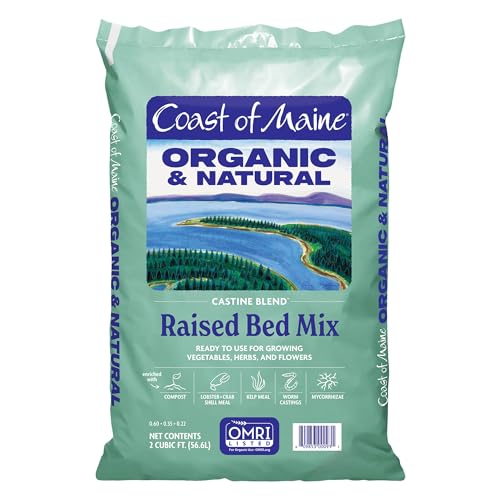
Castine Blend is Coast of Maine’s premium raised-bed mix, and the ingredient list is dense for a bagged product. Worm castings, mycorrhizae (beneficial fungi that form a symbiotic relationship with plant roots, helping them absorb water and nutrients), biochar (a charcoal-like amendment that improves soil structure and holds nutrients), green sand, kelp meal, plus lobster and crab shell meal all show up. The result is a rich, ready-to-use blend that doesn’t need any additional mixing or recipes on your end.
That last point matters. A lot of “raised bed soil” is really just topsoil with a small amount of compost; this one is built from the ground up for that environment. The 2 cu ft volume is generous enough to make a dent in a real bed. You may find the biochar pieces visible in the bag, which is normal, and they disappear into the bed after a few waterings.
Advantages To Know
- Mycorrhizae and biochar support long-term root health, not just the first few weeks
- Crustacean meals add natural calcium and chitin, which toughens plant cell walls against pests
- Ready to use right out of the bag, no extra compost or amendments required
- Two cubic foot volume fills a meaningful slice of a new raised frame
Soft Spots
- Heavier per bag than peat-based mixes, so plan on a wheelbarrow for transport
- Premium ingredient list comes with a higher bag price than basic topsoil
- Visible biochar bits may surprise first-time users, though they integrate quickly
Key Specs
Perfect Match For
New raised-bed builders who want a premium, ready-to-use mix that does the heavy lifting without extra amendment shopping.
Not Your Match When
You’re only refreshing a small established bed, where a smaller bag like the Coast of Maine Tomatoes and Veggies Soil is more practical.
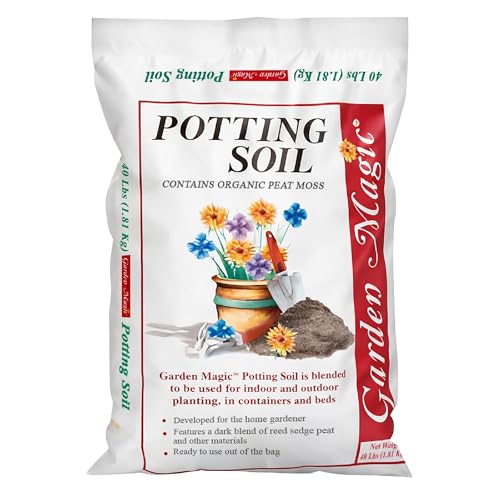
Garden Magic’s 40 lb. bag is the workhorse of the list, a general-purpose blend with no crop-specific claims. That makes it a flexible choice for large raised beds, planters, or anywhere you need volume without specialized nutrition. At 40 pounds, one bag covers a meaningful chunk of an 8-foot bed.
Where the Coast of Maine Castine Blend is engineered for performance, this one is engineered for value. Gardeners who want to fill multiple beds on a tighter budget often reach for this kind of peat-based general mix and then layer compost on top for the nutrient lift. For a long-term bed, plan on supplementing with the R&M Organics Compost in the next review.
Noteworthy Benefits
- Large 40 lb. bag fills more bed space per purchase than most competitors
- General-purpose formula works for vegetables, flowers, and mixed plantings
- Suitable for in-ground beds, raised frames, and container gardens
Points To Note
- General-purpose by design, so it lacks the specialized amendments found in dedicated bed mixes
- Peat-based, which means it breaks down faster than coir or biochar-forward blends
- Annual top-ups with compost help maintain structure over multiple seasons
Who Will Love This
Budget-conscious gardeners filling large raised beds who don’t mind adding compost on top for long-term fertility.
A Sibling Pick Shines
For a smaller bed where you want specialized nutrition out of the bag, the Coast of Maine Tomatoes and Veggies Soil is the closer match.
Espoma’s raised-bed-specific blend rounds out the list with Myco-tone, a proprietary mix of endo and ecto mycorrhizae (two types of root-colonizing fungi that extend the reach of plant roots). Earthworm castings, alfalfa meal, kelp meal, and feather meal round out the organic ingredient list. The 1.5 cu ft bag is sized for either topping off an existing frame or filling a small new one.
Unlike the company’s in-ground mix earlier, this one is ready to fill a raised bed on its own. The mycorrhizal content is the standout feature: once those fungi colonize the roots, plants access water and nutrients from a wider soil volume than their roots alone could reach. You may find the bag lighter than expected for its size, which makes it easier to haul up to a rooftop or balcony bed.
Everyday Wins
- Myco-tone mycorrhizae extend root reach and improve water uptake over the long term
- Organic meal-based feeding supports steady growth without synthetic fertilizer spikes
- Specifically formulated for raised beds and outdoor containers, no blending required
- Relatively light bag for its volume, easier to move than dense compost mixes
Things To Weigh
- One-and-a-half cubic feet fills only a small frame, so a full bed needs several bags
- Mycorrhizal benefit builds over time, so first-year results may look modest
Key Specs
Built With In Mind
Organic-focused gardeners starting or refreshing a small to mid-size raised bed who value long-term soil biology over quick nutrient spikes.
Where Another Pick Suits Better
For a much larger bed where the bag volume becomes the bottleneck, the Coast of Maine Castine Blend Soil at 2 cu ft stretches further per purchase.
What Matters When Building A Raised Bed Mix
A raised bed is a controlled environment, and the mix you put in it sets the ceiling for the whole season. Drainage, organic matter, and nutrient balance are the three attributes that matter most, and they trade off against each other in ways worth understanding.
Drainage depends on particle size and structure. A blend heavy in fine peat or compost holds water like a sponge, which is great in a hot, exposed bed and risky in a rainy climate. Coir, biochar, and bark fines open the mix up, letting excess water drain while still holding moisture in the pore spaces between particles. Most of the products in this roundup split that difference rather than going to either extreme.
Organic matter is what feeds the soil life that feeds your plants. Compost, worm castings, and aged manure are the slow-release nutrient engines. Soils with low organic matter need supplemental feeding every few weeks; soils with rich compost content can carry a bed through much of the season on their own.
Nutrient balance in bagged mixes leans toward a one-size-fits-all approach. For fruiting crops like tomatoes and peppers, a calcium boost helps prevent the blossom-end rot that shows up when watering is inconsistent. For leafy greens, nitrogen matters more. Matching the mix to the dominant crop, then supplementing with a plant food, is usually a better path than trying to find a single bag that handles every vegetable equally.
The final consideration is bed depth. Anything deeper than 10 to 12 inches drains well and gives root systems room to roam. Shallower beds warm up faster in spring, which suits quick crops like radishes and lettuces, but they dry out faster and need more frequent watering.
Getting The Most From These Picks
Pitfalls Shoppers Hit
The most common mistake is treating bagged raised-bed soil as a one-time purchase. Even the richest mix loses organic matter each season as microbes break it down and roots pull nutrients out. Planning on a yearly top-up with compost, like the R&M Organics option, keeps the bed productive without a full replacement. Another frequent trap is buying cheap topsoil and calling it raised-bed mix. Topsoil compacts under foot traffic and watering, and within a season the bed is dense enough to repel water. A blend with coir, biochar, or aged bark stays loose much longer.
What The Higher Tier Buys
The premium bagged mixes in this roundup earn their higher price with biological ingredients: mycorrhizae, biochar, crustacean meal, and varied organic meals. Those inputs support soil life that takes a season to fully establish, and once it does, water and nutrient efficiency climb. For a small bed you tend weekly, that long-term payoff matters. For a large garden where you’re filling multiple frames, the per-bag savings of general-purpose mixes can outweigh the biological advantage, especially when paired with compost top-dressing.
