

Picking grass for North Florida means balancing sandy soil, humidity, sudden cold snaps, and long summers that punish anything weak. The right seed turns a stubborn patch into a yard you actually want to walk barefoot across. This roundup pairs warm-season favorites with cool-season backups, so you can match seed to your site, sun, and how much time you want to spend watering.
A Snapshot Of The Selections

Jonathan Green Black Beauty Heat & Drought Resistant Grass Seed, 3 lb

Scotts Turf Builder Rapid Grass Bermudagrass, 4 lbs

Gulf Kist Centipede Grass Seed, 1 lb Coated

Pennington Bermudagrass Grass Seed, 5 lb

Scotts Kentucky 31 Grass Seed Mix, 20 lbs
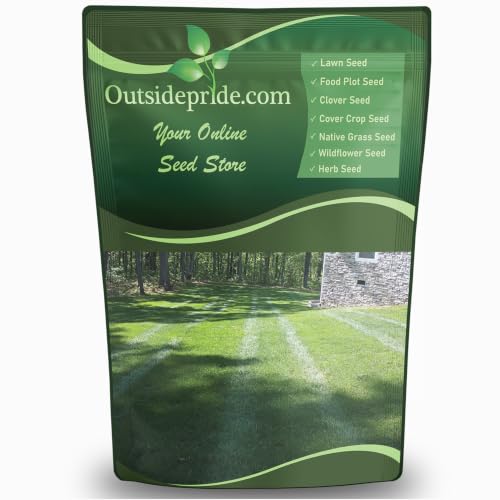
Outsidepride SPF-30 Hybrid Bluegrass Seed, 5 lbs

Lush Lawns: Florida Year-Round Grass Care Guide

O.M. Scott & Sons Bermudagrass Grass Seed, 5 lbs

Elephant Grass Seeds, 1,000-Count Pack

GreenView Pure Grass Seed Sunny Mixture, 3 lb
Inside Each Recommended Option
This cool-season blend earns its slot in a North Florida list because the southern half of the region sits in a transition zone, where summers flirt with triple digits and winters still bite. The mix leans on tall fescue and Texas bluegrass, pairing a turf-type fescue root system with a warm-climate bluegrass that stretches the usability window.
In practice, the waxy leaf coating behaves like a built-in sunscreen for each blade, slowing water loss during July and August. You still need to irrigate, but the gap between watering sessions grows. For shaded lots near oak canopies or sun-baked front strips, the mix handles both without splitting into two separate seeding plans.
The Helpful Details
- Waxy leaf coating that visibly limits moisture loss during peak heat
- Tolerates full sun to light shade, easing the sun/shade decision on mixed lots
- Texas bluegrass component extends survival into warmer pockets of the region
- Deep-rooting fescue pulls moisture from lower soil layers once established
Things To Consider
- Cool-season base means some browning is likely during the hottest stretch
- Best results typically require a pre-emergent weed plan to keep crabgrass out of thin spots
Who It Suits Best
Homeowners sitting on the line between Jacksonville and Gainesville with mixed sun exposure and a willingness to water through July.
Consider Something Else When
You want a strictly warm-season carpet with zero winter dormancy, in which case Gulf Kist Centipede Grass Seed fits a sandier, lower-input site better.
Where Jonathan Green’s blend favors flexibility, this Scotts option favors speed, since the formula is a seed-and-feed hybrid that pushes germination harder than plain seed. The bermudagrass base is a classic warm-season pick for the Florida panhandle and north-central region, where long summers reward anything that spreads quickly.
You trade some precision for convenience. Because fertilizer is already in the bag, you skip a separate starter application, but you also have less control over the nutrient ratio. Spot repairs and small renovations respond well to this approach, especially when you are racing an incoming rainy season.
What Earns Its Place
- Combined seed and starter feed cuts a step from the seeding workflow
- Bermudagrass establishes aggressively in sandy, well-drained soils
- Strong fit for bare patches where a faster cover matters more than long-term tailoring
- Warms up quickly each spring once soil temperatures climb
Worth Noting
- Built-in fertilizer limits flexibility for shoppers with a preferred nutrient plan
- Goes dormant and browns out during north Florida winter months
- Aggressive spread can creep past intended borders without edging
Feature Snapshot
Made For
Homeowners patching a damaged section of yard who want visible green growth without juggling multiple products.
Look Elsewhere When
You want a wear-tolerant, large-area lawn seed, in which case Pennington Bermudagrass Grass Seed offers heavier coverage and a deeper root profile.
Centipede has earned a devoted following across the southeastern U.S. for one reason, which is that it asks very little once established. Gulf Kist’s coated seed is built around that same appeal, with a hull that improves handling and helps each seed stay in contact with the soil long enough to sprout.
The trade-off is patience. Centipede germinates slowly, and a full, dense stand often takes a full growing season or longer. If your soil runs acidic and sandy, the reward is a low-input turf that handles sun, light shade, and the kind of mild neglect most busy households can offer.
Why It Works Well
- Coated seed improves moisture contact during the slow germination window
- Low fertilizer needs once the lawn is established, easing long-term upkeep
- Tolerates sun and moderate shade without splitting the yard into two seed plans
- Suited to acidic, sandy soils common across the panhandle and coastal north Florida
Trade Offs
- Slow germination demands weed control before and during establishment
- Smaller bag size means large projects require multiple purchases
- Less wear-tolerant than bermuda, so active play areas may show wear
Quick Facts
Best Suited To
Homeowners who want a low-input lawn and can accept a slow first year in exchange for fewer feeding and mowing chores later.
Not Your Match When
You have kids or dogs running hard across the yard daily, in which case Pennington Bermudagrass Grass Seed handles foot traffic much better.
Where Gulf Kist favors low maintenance, Pennington goes the other direction with a bermuda blend engineered for traffic. The seed produces a thick, aggressively self-spreading turf with a deep root system, which is exactly what you want for barefoot summers and post-rain tag football. The improved cold-tolerant varieties also stretch its usefulness further north than older bermuda lines.
That aggressive spread has a real upside and a real cost. It fills in fast, but it will also creep past the driveway and into flower beds without edging. The low-growing profile also keeps mowing frequency reasonable compared to older, taller bermuda cultivars.
The Practical Payoff
- Aggressive self-spreading behavior shortens the time to a full stand
- Wear-resistant turf holds up to active households and pets
- Deep root system improves drought survival in sandy soil
- Cold-tolerant varieties extend the useful range into the northern panhandle
Points To Note
- Spreads past intended edges without consistent edging
- Goes brown during winter dormancy, which can bother year-round-green seekers
- Demands full sun to truly thrive, struggling in shaded corners
At A Glance
Who Will Love This
Active households with full-sun yards who put their lawn through real wear and want a tough, fast-recovering turf.
A Better Fit Elsewhere
You want a softer, lower-growing lawn with less edge invasion, in which case Outsidepride SPF-30 Hybrid Bluegrass Seed offers a more refined look.
The 20-pound bag is the tell here, because it points at scale rather than subtlety. Kentucky 31 is a workhorse tall fescue that has anchored southern transition-zone lawns for decades, and the Scotts mix layers additional varieties to thicken the stand beyond what straight K31 delivers on its own.
For north Florida homeowners with half an acre or more to overseed, the larger bag keeps the seeding day moving without constant refills. The honest read is that this is a cool-season-leaning choice, so you will see some summer stress, but the trade-off is a deeply rooted, durable turf through the cooler months.
Standout Benefits
- 20-pound bag sized for large overseeding and new-lawn projects
- Curated blend aims to outperform straight K31 in thickness and color
- Tall fescue root depth supports heat survival with proper irrigation
- Reliable stand for transition-zone climates in the upper region
Honest Caveats
- Bulky bag requires storage space and a spreader capable of larger fills
- Cool-season base means visible summer slow-down in hotter pockets
Perfect Match For
Homeowners with a large property who want to overseed in a single weekend without juggling multiple smaller bags.
Swap It Out When
You want a lower-maintenance, warm-season approach in sandy soil, in which case Gulf Kist Centipede Grass Seed fits a less-intensive care routine.
Most bluegrass blends give up south of Georgia, but SPF-30 is a deliberate attempt to push Kentucky bluegrass into hotter territory. The hybrid mix combines Texas bluegrass with Kentucky bluegrass strains selected for heat survival, and the OptiGrowth coating helps each seed establish with less water.
You get the refined bluegrass look that most people associate with northern lawns, which means a denser, darker green than bermuda or centipede. The cost is a longer establishment window and a need to keep the seeded area consistently moist during the first few weeks.
The Good Stuff
- Hybrid blend targets southern heat while keeping the bluegrass appearance
- OptiGrowth coating supports establishment in tougher soil conditions
- Self-repairing habit fills in minor damage without constant reseeding
- Lower mowing and watering needs than many traditional bluegrass blends
Points To Keep In Mind
- Still heat-stressed in the hottest, sunniest corners of the region
- Establishment requires consistent moisture during the early weeks
- Higher upfront seed cost than common bermuda options
Technical Sheet
Right Fit For
Homeowners who want a refined, darker green lawn and are willing to baby the seed through the establishment phase.
Reach For A Different Pick When
You want a tougher, more forgiving turf for high-traffic yards, in which case Pennington Bermudagrass Grass Seed handles active households better.
This Kindle entry breaks the pattern of the rest of the list, because it is a guide rather than a seed. Before you commit to a bag, the seasonal logic in this book helps you match a planting window to your specific Florida zone, and that timing detail is often the difference between a successful stand and a wasted weekend.
Where seed products hand you the materials, this one hands you the playbook. For first-timers, that kind of context often saves money on the second purchase, since you avoid a poorly timed seeding that washes out in a surprise rain.
Key Advantages
- Florida-specific focus covers the state’s range of growing conditions
- Year-round care framework helps you plan beyond the initial seeding
- Compact Kindle format reads cleanly on phone or tablet
- Useful context for new homeowners learning the seasonal rhythm
Room For Improvement
- Digital format may not suit shoppers who prefer printed references
- Does not include the physical seed or fertilizer you still need to buy
Who Should Grab It
First-time Florida homeowners who want a year-round care calendar before investing in seed or sod.
Where A Sibling Pick Shines
You want actual seed in hand today, in which case GreenView Pure Grass Seed Sunny Mixture covers a sunny yard with a curated multi-variety mix.
The O.M. Scott name carries weight in the lawn world, and the brand’s bermuda blend leans on that legacy with a formulation aimed squarely at southern heat. Compared to the more utility-focused Pennington bag above, this one positions itself as a refined option for homeowners who care about a consistent, manicured look.
The seed targets full sun and high heat, so shaded corners of a yard will need a different approach. In open lots, the result is a warm-season turf that holds color through the worst of summer and recovers quickly from wear once it establishes.
What Works In Its Favor
- Heritage brand formulation with deep roots in southern lawn care
- Strong heat resistance suited to the region’s longest summer stretches
- Ideal fit for full-sun yards with minimal tree cover
- 5-pound bag sized for mid-to-large reseeding projects
Things To Weigh
- Full-sun requirement limits usefulness under tree canopies
- Winter dormancy brings expected browning in cooler months
Whose Shelf It Belongs On
Homeowners with open, sun-drenched yards who value a brand-name formulation and a refined bermuda look.
Skip It When
You have significant shade or want a more shade-tolerant alternative, in which case Jonathan Green Black Beauty Heat & Drought Resistant Grass Seed handles partial shade better.
Elephant grass is a deliberate curveball on this list, because it is not a lawn grass at all. As an ornamental or screening grass, it earns a place for homeowners who want a tall, fast-growing visual barrier or a striking accent at the back of a planting bed. The 1,000-seed pack gives you enough to start a meaningful screen without committing to a full field.
Being a warm-season grower, it cycles with the climate, dying back in cold snaps and returning when the soil warms. Frost-free pockets of the region may see longer active growth, but plan on seasonal die-back in the typical north Florida winter.
The Case For It
- Tall growth habit creates a fast visual screen for privacy
- Works as a forage or ornamental depending on your use case
- Warm-season growth cycle matches the regional climate rhythm
- Made in the USA and ships from Iowa for domestic handling
Softer Spots
- Seasonal die-back leaves gaps during the cooler months
- Not a turf grass, so it cannot replace a functional lawn
- Requires space to accommodate mature height without crowding structures
Built With In Mind
Homeowners looking for a tall ornamental screen or a privacy barrier rather than a traditional lawn surface.
Another Choice May Suit
You need a walkable lawn surface, in which case Pennington Bermudagrass Grass Seed or GreenView Pure Grass Seed Sunny Mixture is a far better match.
GreenView closes the list as a versatile, sun-loving multi-variety mix, which is a useful counterweight to the single-species bags above. A multi-variety blend hedges against weather that punishes any one species, since different cultivars respond differently to heat spikes, dry stretches, and pest pressure.
The 99.9% weed-free testing standard is the real practical win for homeowners. Starting with clean seed reduces the flush of opportunistic weeds that so often shows up in the first month after seeding, which means less hand-pulling and a faster path to a thick, even stand.
Points In Its Favor
- Multi-variety mix spreads risk across different cultivars in tough weather
- 99.9% weed-free seed reduces early weed pressure in new seedings
- Uncoated seed maximizes the actual seed count per pound
- Quick 7-12 day germination window for visible early progress
Some Limits To Know
- Performs best in full sun, so shaded yards will see thinning
- Smaller 3-pound bag suits patching more than full-yard renovations
The Right Fit
Homeowners with open, sunny lawns who want a versatile blend and value clean seed for a faster, less weedy start.
Where A Sibling Pick Shines
You need a much larger bag for a full-yard project, in which case Scotts Kentucky 31 Grass Seed Mix in the 20-pound size covers more ground per purchase.
What To Weigh Before Choosing Grasses For North Florida
Climate Zone And Timing
North Florida covers a real range, from the cooler panhandle down to Gainesville and Jacksonville, and that range matters when you pick a species. Warm-season grasses like bermuda and centipede handle the long summers well but go dormant and brown in winter. Cool-season grasses like tall fescue stay green through mild winters but struggle when July stretches past 95°F. Planting timing tracks the species, so warm-season seed goes down in late spring once soil warms, while cool-season seed does best in fall when the heat breaks.
Soil Type And pH
Sandy, acidic soil is the regional norm, and centipede grass actually prefers those conditions. Bermuda tolerates a wider pH range and recovers from compaction better, which matters on yards with active kids or vehicles. A quick soil test before seeding prevents months of frustration, since lime and sulfur adjustments take time to work.
Sun Exposure And Traffic
Full-sun yards give you the widest species menu, while partially shaded lots push you toward fescue-based blends or SPF-30 bluegrass. Traffic is a separate axis, since bermuda and Kentucky 31 fescue handle active play, while centipede and finer bluegrasses show wear faster. Matching seed to use case, not just appearance, keeps the lawn looking good past the first season.
Maintenance Commitment
Some grasses ask for more than others. Bermuda and fescue need regular feeding and mowing during peak growth, while centipede thrives on a lighter hand. If your weekends already belong to something else, the lower-input option usually wins long-term, even if the establishment phase feels slower.
What These Picks Reveal About Smart Choices
Mistakes Worth Dodging
Seeding at the wrong time is the most expensive avoidable error, since seed laid down outside its window either washes out or sits dormant. Skipping a pre-emergent weed plan is a close second, because crabgrass and goosegrass will happily colonize any thin spot a new lawn leaves behind. Buying the cheapest bag without checking the species mix is a third trap, since “sun mix” can mean very different things across brands.
Where The Extra Money Goes
Higher-tier grass seed typically buys improved cultivars with stronger genetics for heat, disease, and wear tolerance. Coating technology also costs more, and that premium shows up as better moisture retention during the critical germination window. For north Florida’s tough summers, those upgrades often pay for themselves in a denser, longer-lasting stand that needs fewer repairs the following year.
Frequently Asked Questions
What grass stays green year-round in North Florida?
No single grass stays green through both the cool and hot halves of the year in this region. A common approach is overseeding a warm-season bermuda lawn with ryegrass in fall to carry color through winter, while accepting some dormancy on the warm-season base. Cool-season blends like tall fescue keep color through mild winters but go semi-dormant in peak summer.
When is the best time to plant grass seed in North Florida?
Late spring through early summer works for warm-season grasses once soil temperatures rise reliably, and fall is the better window for cool-season fescue and bluegrass blends. The exact timing shifts year to year with weather, so watching soil temperature and seasonal rain patterns matters more than the calendar date.
How much seed do I need for my yard?
Seed coverage depends on species and whether you are starting fresh or overseeding. New lawns typically need higher application rates than overseeding, and warm-season grasses like bermuda and centipede often use less seed per square foot than fescue blends. Check the bag’s coverage chart and measure your lawn before buying, since running out mid-project costs time.
Can I mix different grass seeds together?
Mixing is possible, but each species has different germination speeds and care needs, so blended seed bags are formulated to keep things even. Mixing two bags at home without matching germination rates can leave you with patchy results, since the faster species crowd out the slower one. Pick a single well-designed blend when you can.
Do I need to water new grass seed every day?
Daily light watering is the standard rule for the first few weeks, since the top inch of soil must stay moist for germination. Once the seedlings are established, you can shift to deeper, less frequent watering that trains the roots downward. The exact interval depends on heat, soil type, and rainfall, so check the soil rather than the clock.
Closing Remarks
The right seed for your yard depends on a few honest answers, which are how much sun you actually have, how much traffic the lawn takes, and how much time you want to spend on it. A sandy, low-input yard leans centipede, an active full-sun yard leans bermuda, and a mixed-exposure lot in the upper region leans toward a fescue or hybrid bluegrass blend. Pair the seed with the right planting window and a simple pre-emergent plan, and you give the lawn a real chance to settle in before the next weather stress test.
