

Shade is the lawn care problem that quietly ruins more yards than weeds, grubs, or bad mowing ever do. You water, you mow, you feed, and the canopy still thins to nothing under the maple or along the north fence. The picks below are formulated mixes built for the lower-light corners where a standard blend gives up, so you can spend less time nursing bare patches and more time enjoying a lawn that actually fills in.
An Overview Of The Picks

Pennington Smart Seed Dense Shade Grass Seed 3 lb

Jonathan Green Black Beauty Shady Nooks Grass Seed 3 lb

Jonathan Green Black Beauty Dense Shade Grass Seed 1 lb

Jonathan Green Blue Panther Bermudagrass Grass Seed 4 lb

Outsidepride Legacy Fine Fescue Grass Seed Mix 5 lbs

GreenView Pure Grass Seed Sun & Shade Mix 3 lb

Scotts Kentucky 31 Grass Seed Mix 20 lbs

X-Seed Ultra Premium Quick and Thick Lawn Seed Mix 3 lb
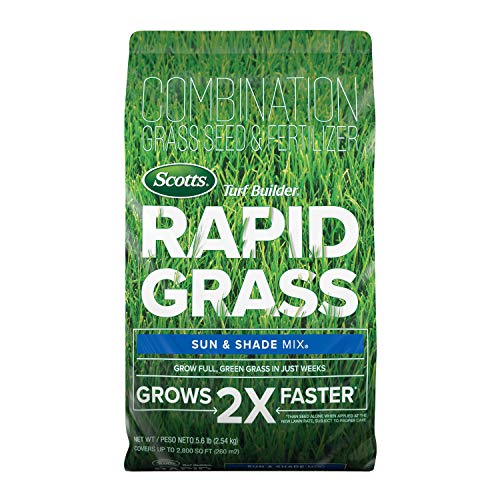
Scotts Turf Builder Rapid Grass Sun & Shade Mix 5.6 lbs
A Breakdown Of The Leading Choices
If the back corner under your maple has been bald since the day you moved in, this is the bag most homeowners reach for first. Pennington’s Dense Shade mix is a cool-season blend, meaning it grows most actively in spring and fall when temperatures sit between roughly 60 and 75 degrees Fahrenheit, and the seed varieties inside are picked specifically for low-light survival rather than just general lawn use.
The 3-pound bag is sized for spot repair and smaller yards, which makes it a sensible starting point before you commit to a 20-pound sack. Owners with established tree canopies and only two to four hours of daily sun are the clearest fit, since the mix is tuned for that exact stress point.
What Pays Off
- Shade-tuned varieties that stay green where standard sun blends thin out
- Coated seed retains moisture, which helps during the first critical weeks
- Drought and heat resistance built into the seed coating
- Cool-season mix handles northern and transition-zone climates well
- 3-pound bag covers up to 750 square feet, useful for spot seeding
Things To Consider
- Coverage drops to roughly 750 square feet, so larger yards may need multiple bags
- Coated seed looks different from raw seed and can confuse first-time spreader calibration
- Best results require consistent watering during establishment
Feature Snapshot
Whose Yard It Belongs On
Homeowners with mature trees, north-facing strips, and only a few hours of daily sun will get the cleanest results from this blend.
Where Another Pick Suits Better
For deep shade beneath a dense tree line where very little light reaches the soil, the Jonathan Green Black Beauty Shady Nooks mix is built for that exact stress.
The Shady Nooks blend is the more aggressive sibling to the Pennington bag you just read about, and it leans hard into the “tall fescue plus perennial rye plus fine fescue” formula that turf professionals reach for under trees. Where Pennington is built for partial shade, this Jonathan Green mix is engineered for the genuinely dark pockets right up against a trunk or along a north-facing foundation.
The 3-pound bag is sized for targeted renovation rather than a full-yard overhaul, and the dark-green color Jonathan Green is known for shows up in this mix as well. You may find the seeding window is narrower than a generic sun-and-shade bag, since the recommended timeline runs mid-August to mid-October or mid-March through mid-May for the strongest establishment.
The Case For It
- Multi-species fescue blend handles both wet and dry shade
- Dark green color holds through the cooler months
- Lower fertilizer demand than many competitive shade mixes
Points To Keep In Mind
- Limited seasonal seeding window can be tricky if you miss the fall slot
- Smaller bag size means large projects require multiple purchases
Quick Facts
Made For
Homeowners with deep, dry shade under mature trees who want a dark-green lawn without constant reseeding.
Consider Something Else When
For a smaller patch repair where you only need a pound of seed, the Jonathan Green Black Beauty Dense Shade 1 lb bag saves money and waste.
Sometimes the problem is not a whole lawn, just one stubborn strip near the back fence that refuses to fill in. The 1-pound Jonathan Green Dense Shade bag is sized for exactly that kind of patch job, and it uses the same shade-tolerant species mix that the larger Shady Nooks bag relies on, just in a smaller, more affordable package.
The benefit of a small bag is freshness, since grass seed loses viability the longer it sits in a garage. Endophytes, beneficial fungi living inside the seed that help resist insects and disease, are part of what makes this blend establish quickly with a 14 to 21 day germination window.
What Helps Most
- Compact size keeps seed fresh between uses
- Endophyte-enhanced varieties resist insects naturally
- 14 to 21 day germination gives visible results within a few weeks
Worth Noting
- Not economical for full-lawn projects at 1 pound per bag
- Smaller coverage area requires careful measuring of your repair zone
Best Suited To
Patch repair specialists and small-yard owners who want to reseed problem spots without buying more than they need.
Not Your Match When
For full-lawn overseeding across a large yard, the Scotts Kentucky 31 20-pound bag gives you the volume you actually need.
Everything above this pick is cool-season grass, which means the moment you cross into the Deep South, the rules change. Bermudagrass is a warm-season species that goes dormant and brown in winter, then explodes back to life in late spring. Blue Panther is Jonathan Green’s take, bred for aggressive vertical and lateral rooting that fills in fast across southern lawns.
You may find this bag a better fit for partial sun in a southern yard rather than deep shade, since Bermudagrass still wants a few hours of direct light. The trade-off is winter color, so the lawn will not stay green year-round the way a fescue blend can.
What Makes Sense
- Strong vertical and lateral rooting fills in quickly
- Formulated specifically for southern climate conditions
- Reduces the need for winter overseeding compared to traditional Bermudagrass
Honest Caveats
- Bermudagrass goes dormant and brown in winter months
- Not a true deep-shade solution, needs several hours of sun
Technical Highlights
Right Fit For
Southern homeowners with partial sun who want a tough, fast-spreading lawn that handles heat without constant babysitting.
Skip It When
For northern climates with cool-season turf and true deep shade, the Pennington Smart Seed Dense Shade mix is the better species match.
Outsidepride’s Legacy mix is the most explicit three-species fescue blend in this roundup: 20% Hard Fescue, 40% Chewings Fescue, and 40% Creeping Red Fescue, all wrapped in an OptiGrowth coating that adds zinc, phosphorus, nitrogen, and kelp. That coating is what helps the seed grab soil contact and germinate more uniformly than a raw seed would.
Fine fescues produce a thinner blade than tall fescue, so the lawn reads as a finer-textured turf that feels almost golf-course-like once established. You may find this bag especially well-suited to a yard that swings between full sun and dense shade, since fine fescues handle both ends better than most species.
Useful Touches
- Three distinct fescue species share the workload
- OptiGrowth coating improves seed-to-soil contact
- Nutrient coating supports early-stage vigor
- Fine blade texture gives a refined lawn appearance
Practical Considerations
- Fine fescues tolerate shade but not heavy foot traffic as well as tall fescue
- Coated seed costs more per pound than raw alternatives
Who Will Love This
Homeowners, property managers, and groundskeepers who want a fine-bladed, low-maintenance turf that handles both sun and deep shade across the same yard.
Another Choice May Suit
For high-traffic lawns where kids and dogs rule the yard, the X-Seed Ultra Premium blend adds perennial ryegrass for tougher wear recovery.
GreenView’s Pure mix is the one to look at when weed contamination is a worry, since the bag is tested at 99.9% weed-free and the seed is uncoated, so you see exactly what you are putting down. The trade-off is no nutrient shell, which means you will want to feed the area separately for the strongest establishment.
Germination runs 10 to 14 days, slightly faster than some of the coated blends above, and the mix is designed to work in all common soil types. Once roots establish, the blend develops heat, drought, and disease resistance, which is helpful for the awkward transition zones where summers are hot and winters are cold.
Positive Points
- 99.9% weed-free seed reduces surprise growth
- Quick 10 to 14 day germination window
- Heat and drought resistance once established
- Uncoated seed spreads easily through standard spreaders
Trade Offs
- Uncoated seed needs separate fertilizer for the best establishment
- 3-pound bag suits small to medium projects only
Perfect Match For
Homeowners starting from a clean slate who want minimal weed competition and a fast start in mixed sun and shade.
Reach For A Different Pick When
For renovations where you want the seed and the starter food in one pass, the Scotts Turf Builder Rapid Grass Sun & Shade Mix combines both.
Kentucky 31 tall fescue is one of the oldest workhorse grasses in American lawn care, prized for durability and lower maintenance than many modern cultivars. This 20-pound bag from Scotts is built for full-lawn overseeding and new-lawn installation on a property big enough to justify a serious purchase.
You may find this is a transitional choice rather than a deep-shade specialist, since tall fescue tolerates partial shade but still wants several hours of light. The honest read is that it shines on a big yard with mixed conditions rather than a tight patch of pure shadow.
Everyday Advantages
- 20-pound bag covers large overseeding projects in a single purchase
- Durable tall fescue base handles wear and weather
- Less demanding maintenance than many premium cultivars
Small Caveats
- Not a deep-shade specialist, performs best with several hours of sun
- Bulk bag requires dry, cool storage between uses
Feature Rundown
Who Should Grab It
Owners of larger properties with mixed light who want a single bulk bag to handle overseeding across the whole lawn.
A Better Fit Elsewhere
For small yards or shade-specific patch work, the 3-pound Pennington Smart Seed Dense Shade bag is a more focused buy.
X-Seed’s Ultra Premium blend is the quick-turnaround option in this list, designed for homeowners who want visible green growth within a couple of weeks rather than a full month. The mix combines perennial ryegrass, fine fescue, and Kentucky bluegrass, so you get wear tolerance from the rye, shade performance from the fescue, and recovery from the bluegrass.
The 3-pound bag covers roughly 2,100 square feet for overseeding an existing lawn, or about 1,050 square feet for a brand-new seeding. That coverage makes it a flexible mid-size bag for both repairs and small new-lawn projects.
Strengths Worth Knowing
- Three-species blend handles sun, shade, and traffic in one bag
- Quick germination reduces the bare-soil window
- Strong coverage per pound for both new and existing lawns
Areas To Watch
- Perennial ryegrass component may need overseeding in dense shade
- Quick growth can mean faster thatch buildup over time
Built With In Mind
Homeowners renovating a yard fast, before a graduation party or a backyard wedding, who cannot wait a full month for germination.
Where A Sibling Pick Shines
For genuinely deep shade with cooler soil, the Outsidepride Legacy Fine Fescue blend is a more shade-specialized option.
The last pick closes out the roundup with the most renovation-focused product in the list. Scotts Turf Builder Rapid Grass combines seed and starter fertilizer in a single bag, so you can skip the separate feeding step and get the lawn and the food down in one pass. The mix is built for both sun and shade conditions, which keeps it flexible across an irregular yard.
You may find this bag particularly useful when you are racing a calendar, since the seed-plus-fertilizer combination speeds up establishment compared to plain seed alone. The 5.6-pound size lands between a small repair bag and a full bulk sack, hitting the middle of the coverage curve for typical suburban lots.
Reasons It Performs
- Built-in starter fertilizer saves a separate feeding pass
- Sun and shade versatility suits mixed-light yards
- 5.6-pound bag covers medium-sized renovation projects
Some Limits To Know
- Combined fertilizer means less control over feeding schedule
- Not a substitute for a dedicated deep-shade specialist in heavy canopy areas
The Right Fit
Homeowners tackling a medium-sized lawn renovation who want one product to handle seeding and feeding in a single application.
Swap It Out When
For deep shade under heavy tree cover, the Pennington Smart Seed Dense Shade bag is a more focused match for those tough pockets.
How To Match Grass Seed To Your Yard’s Light Conditions
Match The Seed Type To Your Climate Zone
The first decision is the easiest to get wrong, since most homeowners default to whatever is on the shelf. Cool-season grasses, like fescues, ryegrass, and Kentucky bluegrass, thrive where summers are mild and winters are cold. Warm-season grasses, like Bermudagrass, take over where summers run hot and winters stay above freezing. Planting a cool-season blend in a southern yard, or vice versa, almost always ends in frustration.
Count The Hours Of Direct Sun
Walk your yard at midday during the growing season and add up the hours of direct sun each zone actually receives. Anything under four hours of direct sun counts as shade, anything under two hours counts as deep shade. That count is the single most useful number you can carry into the buying decision, and it lines up better with the seed’s tolerance than any feature on the box.
Decide Between Repair Bags And Full-Lawn Bags
A 1-pound or 3-pound bag is the right call for a single problem patch, a thin strip, or a small yard. A 20-pound bag is the right call for full-lawn overseeding or new-lawn installation on a larger lot. Buying the wrong size either wastes seed that loses viability in the bag or forces a second purchase mid-project.
Check For Added Coatings And Bundled Fertilizer
Coated seed holds moisture better during germination, which helps in dry or sandy soil. Bundled fertilizer speeds establishment but takes control of the feeding schedule out of your hands. Raw uncoated seed is cheaper per pound but requires more attention to watering and starter food in the first few weeks.
What To Weigh Before You Commit
Common Shopping Slip Ups
The most common mistake is buying a sun-and-shade mix for a yard that is mostly shade, then wondering why the lawn thins out. Pick a shade-specialist blend when most of your yard sits under a canopy, and reserve sun-and-shade mixes for genuinely mixed-light lawns. Seed packages also vary widely in coverage, so measuring the area before you buy prevents both shortages and waste.
Why Top Tier Costs More
Premium blends earn their higher price through multi-species mixes, endophyte enhancement, and nutrient coatings that improve germination rates. For small patch jobs, that premium is hard to justify. For full-lawn renovations, the better establishment rate often offsets the higher per-pound cost, since you reseed less often and feed less aggressively in year one.
Frequently Asked Questions
What Is The Best Grass Seed For Heavy Shade?
Fine fescue blends, especially mixes that include Chewings, Creeping Red, and Hard Fescue, generally handle heavy shade best among cool-season options. Products like the Outsidepride Legacy Fine Fescue blend and the Jonathan Green Shady Nooks mix are formulated specifically for the lower-light pockets where standard turf thins out.
Can I Plant Grass Seed In Summer?
Summer seeding is risky in most regions because heat stress and competition from weeds both peak at the same time. Late summer to mid-fall, when soil is still warm but air temperatures have cooled, is the most reliable window for cool-season blends.
How Long Does Shade Grass Take To Grow?
Most cool-season shade blends germinate within 10 to 21 days, with full establishment taking six to eight weeks of consistent watering. Warm-season Bermudagrass germinates faster in heat but slows dramatically once soil temperatures drop in autumn.
Do I Need To Water New Grass Seed Every Day?
Daily light watering for the first two to three weeks keeps the top inch of soil consistently moist, which is what new grass seed needs to germinate. Once blades reach mowing height, you can shift to deeper, less frequent watering to encourage root depth.
How Much Sun Does A Shade-Tolerant Grass Need?
Even the most shade-tolerant blends need at least two to four hours of direct or filtered sunlight to survive long term. In truly dense canopy areas, no grass seed will thrive without some light reaching the soil.
Final Verdict
The right pick depends less on brand and more on the specific corner of your yard you are trying to fix. Small repair jobs under trees pair naturally with a 1-pound or 3-pound shade specialist like Pennington Smart Seed Dense Shade or Jonathan Green Black Beauty Dense Shade. Larger renovations benefit from a bulk bag or a seed-plus-fertilizer combo like Scotts Turf Builder Rapid Grass. Match the seed type to your climate, count your sun hours honestly, and the lawn fills in faster than you expect.
