

Picking the right grass seed feels like a small choice, but it decides whether your weekends stay free or get swallowed by reseeding, watering, and patching dead spots. Cool-season and warm-season blends behave very differently once the thermometer climbs or the rain dries up. The list below pairs each blend with the climate and use case it actually fits, so you spend less time guessing and more time enjoying a thick, even lawn.
A Closer Look At The Lineup

Jonathan Green Black Beauty Heat & Drought Resistant Grass Seed (3 lb)

Jonathan Green Blue Panther Bermudagrass Grass Seed (4 lb)

Jonathan Green Black Beauty Ultra Grass Seed (7 lb)

Jonathan Green Black Beauty Tall Fescue Grass Seed Blend (15 lb)

Pennington Annual Ryegrass, Grass Seeds for Lawn (10 Lb)

Scotts Turf Builder Rapid Grass Bermudagrass (8 lbs.)

Scotts Turf Builder Grass Seed Sunny Mix (2.4 lbs.)
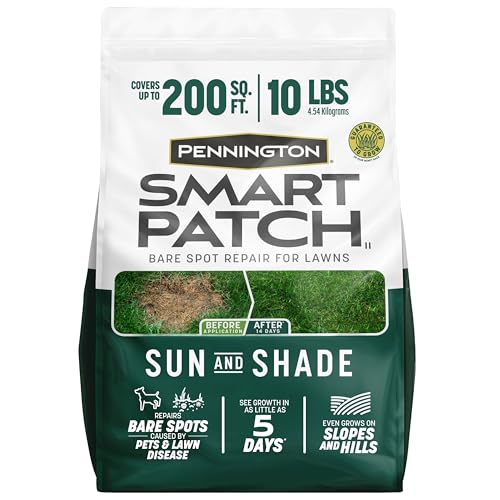
Pennington Smart Patch Grass Seeds for Lawn, Sun and Shade (10 LB)

Pennington Bermudagrass Grass Seed (5 lb)

Scotts Kentucky 31 Grass Seed Mix (20 lbs.)
What Each Pick Brings To The Table
If your yard bakes in July and rain is a memory, this Jonathan Green blend earns its place on the shortlist. It mixes tall fescue with Texas bluegrass, two cool-season grasses bred to keep pushing when the thermometer climbs near 100°F. Compared to the more sun-bleached options higher up the list, it leans into tougher conditions without giving up on color.
You can broadcast it across full sun or lightly shaded areas and expect a stand that doesn’t quit at the first dry stretch. The waxy leaf coating limits how much moisture each blade loses, so watering windows stretch out a little. For most suburban lawns in the transition zone, the 3-pound bag covers a comfortable patch project without going overboard.
Positive Takeaways
- Handles heat up to 100°F without going fully dormant, useful in southern transition zones.
- Waxy leaf coating slows moisture loss, so you water less often once the lawn is established.
- Works in full sun and partial shade, giving you flexibility around trees and fences.
- Texas bluegrass and tall fescue pairing delivers a darker green than standard fescue-only blends.
Things To Consider
- Still a cool-season mix, so it may slow down in the hottest part of August in deep south climates.
- Establishment takes patience; expect watering two to three times a day during germination.
At A Glance
Who It Suits Best
Homeowners in transition-zone climates who want cool-season color that survives July without daily babysitting.
Where Another Pick Suits Better
Deep south gardeners with prolonged summer heat may prefer the Jonathan Green Blue Panther Bermudagrass, which is built for true warm-season conditions.
Blue Panther shifts the conversation from cool-season survival to warm-season dominance. This bermudagrass blend targets southern lawns where summer lasts half the year and cool-season blends would simply give up. The aggressive vertical and lateral rooting is the headline feature, and it’s what helps the lawn knit together quickly after seeding.
For homeowners tired of overseeding every winter to keep a green yard, this blend is meant to stay greener longer into the cool months than traditional bermuda. The trade-off is familiar: bermuda goes dormant and turns tan when soil temperatures drop, so a fully green lawn in January isn’t realistic in most zones.
What Helps Most
- Strong vertical and lateral root growth establishes a dense lawn faster than many common bermudas.
- Formulated to reduce the need for winter overseeding compared to traditional bermudagrass.
- Handles heavy foot traffic once mature, a good fit for families with active kids.
- Built specifically for southern climate conditions, including humidity and heat.
Worth Noting
- Goes dormant and browns out during winter months, which can feel jarring for newcomers.
- Establishment is best during late spring and early summer, narrowing the seeding window.
- Not suited to shaded yards; needs full sun to perform well.
Right Fit For
Southern homeowners with full-sun yards who want a thick, durable bermuda stand without the constant winter overseeding cycle.
Look Elsewhere When
Anyone in a northern climate should reach for the Jonathan Green Black Beauty Tall Fescue instead, since bermuda will struggle to establish in cooler summers.
Where the Heat & Drought blend is a specialist, Black Beauty Ultra is the generalist you reach for when you want one bag to handle both new seeding and patch repair. The mix pulls in tall fescues, Kentucky bluegrass, and perennials, giving the lawn a denser, darker look than single-species seed. If you compare it to the 3-pound Heat & Drought option above, you’ll notice Ultra leans broader instead of leaning into one climate.
It germinates fast enough to fill bare spots within a typical cool-season growing window, and the dark-green finish tends to satisfy homeowners who judge a lawn by how it looks the moment they step outside. Sun and moderate shade are both on the table, which is why it shows up on so many reseeding to-do lists.
Standout Benefits
- Combines tall fescue, Kentucky bluegrass, and perennials for a dense, dark-green appearance.
- Works for both new lawn establishment and patching bare spots, reducing the need to stock two products.
- Tolerates full sun and partial shade, useful around mature trees.
- Quick germination speeds up the visible payoff after seeding.
Honest Caveats
- The 7-pound pack is on the heavier side, so storage in a cool, dry spot matters for any leftover seed.
- Like most cool-season blends, summer dormancy can briefly thin the look in the hottest weeks.
Made For
Northern and transition-zone homeowners starting a new lawn or repairing a tired one with a single versatile bag.
Not Your Match When
Deep south gardeners should skip this in favor of the Pennington Bermudagrass Grass Seed, which handles sustained heat far better.
This is the bag to reach for when the yard is large, the hose is short, and the idea of dragging a sprinkler around every evening makes you wince. The 100% tall fescue blend produces roots that can grow up to four feet deep, which is the kind of detail that separates a lawn that survives a dry August from one that goes crisp. The waxy leaf coating echoes the smaller Heat & Drought option, but the larger bag shifts the use case from spot fixes to full-property coverage.
Tall fescue is also forgiving on mowing. The leaves stay uniform in texture and resist shredding under standard rotary mowers, which keeps the lawn looking tidy even when you cut in a hurry. For most cool-season properties, the recommended seeding window falls between mid-August and mid-October, when soils are warm but the air is starting to cool.
A Few Highlights
- Roots reach up to four feet deep, giving the lawn real drought resilience.
- Waxy leaf coating limits moisture loss during hot spells.
- 100% tall fescue blend keeps leaf texture uniform across the yard.
- Handles both sunny and shady sections of a cool-season property.
Points To Keep In Mind
- The 15-pound bag is heavy, so plan a dry, rodent-free storage spot for any leftovers.
- Best results come from the mid-August to mid-October window, which limits fall flexibility in colder zones.
Feature Snapshot
Best Suited To
Owners of large cool-season lawns who want a single tall fescue product for reseeding without juggling multiple blends.
A Better Fit Elsewhere
For smaller patch projects, the 7-pound Jonathan Green Black Beauty Ultra Grass Seed is easier to handle and offers a multi-species mix.
Annual ryegrass is the speedster of the seed world. In three to seven days you can see green pushing through the soil, which is why southern homeowners overseed their bermuda lawns with it every fall for winter color. Northern homeowners can also use it as a temporary fill while a permanent blend establishes, though you may find it doesn’t hold up to deep cold as long as a true perennial would.
It needs full sun, ideally six to eight hours a day, and a steady watering routine during the first week. The honest read is that this is a tactical product, not a permanent lawn solution. Plant it knowing you’ll either let it die off in summer heat or till it under before a warm-season lawn returns.
Well-Handled Touches
- Fast germination shows green color within a week, ideal for overseeding windows.
- Works as temporary support for thin spots in northern permanent lawns.
- Useful for keeping southern lawns green through the cool months.
Trade Offs
- Annual lifecycle means it dies back in summer heat, so it’s not a permanent turf solution.
- Needs full sun, roughly six to eight hours daily, to perform well.
- Commonly reported to need frequent reseeding for consistent coverage year to year.
Whose Shelf It Belongs On
Southern homeowners planning a fall overseed on dormant bermuda, and northern gardeners patching a thin lawn while a slower permanent blend establishes.
Consider Something Else When
For a long-term cool-season lawn, the Jonathan Green Black Beauty Ultra Grass Seed gives you a more permanent stand than annual rye alone.
Scotts pairs bermudagrass seed with a starter fertilizer in one bag, so the lawn gets fed right as it germinates. Compared to seed alone, this mix is designed to fill in faster when applied at the new lawn rate, which matters when you’re staring at a dirt patch and want to cut the wait. The 8-pound bag suits a mid-size southern yard or a generous patch project.
The catch is the same one every bermuda product shares: it goes dormant and browns out in winter. And because fertilizer is built in, you don’t want to lay this down right before another heavy feeding, or you’ll risk pushing the lawn too hard too early.
A Strong Showing
- Combines seed and starter fertilizer, removing a step from the seeding process.
- Designed to establish faster than seed alone at the new lawn rate.
- Suited to warm-season southern climates where bermuda thrives.
- 8-pound bag covers meaningful yard area in a single pass.
Practical Considerations
- Dormant in winter, so don’t expect year-round green in most zones.
- Built-in fertilizer means extra feeding right after seeding can overdo it.
- Needs full sun and warm soil for the best germination results.
Quick Facts
Who Will Love This
Southern homeowners who want a fertilizer-plus-seed combo for a faster bermuda fill on bare ground.
Reach For A Different Pick When
Northern lawns with cool-season expectations are better served by the Jonathan Green Black Beauty Tall Fescue blend.
Small bag, focused job. This Scotts mix is built for yards that get hammered by direct sun all day, the kind of lawn where the dog’s water bowl bakes and the grass turns pale by mid-July. Root-Building Nutrition is the embedded feature: a combination of ingredients crafted to push deeper root growth so the lawn holds up under heat and dry stretches.
At 2.4 pounds, the bag is sized for patch jobs and small lawns, not full property renovations. You may find it a touch light if you have a large sunny expanse to seed. For most homes, however, it’s a tidy, focused fix for the spots that struggle every summer.
Good Reasons To Consider
- Root-Building Nutrition supports deeper root development from the start.
- Tailored for full sun and light shade, useful in mixed-exposure yards.
- Medium to high drought resistance once established.
- Small bag size fits neatly in a garden shed without taking over a corner.
Some Limits To Know
- 2.4-pound bag won’t cover large yards without multiple purchases.
- Strongest in full sun; performance dips in heavier shade.
Perfect Match For
Homeowners tackling small sunny patch repairs or refreshing the spots that get the most direct light.
Swap It Out When
For larger areas, the 15-pound Jonathan Green Black Beauty Tall Fescue gives you far more coverage per purchase.
Dog owners, this one’s for you. Smart Patch is built specifically to repair the rough, yellow patches that pet traffic leaves behind, and the mix includes microbials aimed at supporting overall lawn health as the new grass establishes. The bag is sized for a meaningful repair job, covering up to 600 square feet, which handles several trouble spots in one go.
The sun and shade formulation is forgiving in mixed-exposure yards, so you can use the same bag on the sunny side yard and the shadier back garden. The honest read is that it’s a repair product, not a full-lawn solution, and works best when you prep the soil and water consistently for the first couple of weeks.
What Works In Its Favor
- Built-in microbials support lawn health and help defend against common lawn diseases.
- Formulated for dog spot repair, one of the most common patch problems.
- Covers up to 600 square feet, generous for targeted repair work.
- Performs in both sun and moderate shade for mixed-exposure yards.
Possible Compromises
- Designed for repair, not full-lawn establishment, so it’s not a substitute for a larger seed bag.
- Heavily damaged pet spots may need multiple applications to fully fill back in.
Built With In Mind
Households with dogs who need to repair recurring pet spots in a sun and shade lawn.
Where A Sibling Pick Shines
For a broader reseed of a thin northern lawn, the Scotts Kentucky 31 Grass Seed Mix covers a much larger footprint.
Pennington’s bermuda entry is the tough, self-spreading option for warm-season lawns that see real foot traffic. Improved cold-tolerant varieties are part of the mix, which means the lawn holds color a bit longer into the shoulder seasons than older bermuda strains. The deep root system is what gives the turf its bounce-back after kids, dogs, and weekend soccer games tear across it.
It produces fewer clippings than many bermudas, so the mowing routine stays manageable through peak summer. The trade-off, true to the species, is winter dormancy: in most southern zones, the lawn will brown out until soil temperatures climb again in spring.
Everyday Wins
- Thick, aggressive self-spreading growth fills in gaps without constant reseeding.
- Improved cold-tolerant varieties extend green color further into fall.
- Deep root system supports wear resistance in high-traffic areas.
- Low-growing blend produces fewer clippings during peak growth.
Areas To Watch
- Goes dormant and browns out during winter in most regions.
- Best in full sun; shaded sections of the yard will thin noticeably.
The Right Fit
Southern homeowners with active yards who want a wear-tolerant bermuda that recovers quickly from heavy use.
Skip It When
For a permanent year-round green lawn in the north, the Jonathan Green Black Beauty Ultra Grass Seed keeps cool-season color through more months.
Twenty pounds covers ground, which is exactly the point of this bag. Scotts pairs Kentucky 31 tall fescue with a curated blend of supporting seeds, designed to deliver a thicker, greener result than plain Kentucky 31 alone. The grass type itself is known for durability and lower maintenance, which is why it has been a northern lawn staple for decades.
You may find the bag size a bit much for a small city lot, but for a large property, a fall overseed, or a full re-establishment project, the bulk format is a real convenience. Watering discipline during germination still matters, since heavy seed volume doesn’t change the moisture needs of a young lawn.
Useful Touches
- Curated blend builds on Kentucky 31 tall fescue for a thicker, greener stand.
- Tall fescue delivers durability with lower maintenance than many mixes.
- 20-pound bag suits large properties and full reseeding projects.
- Works for both new lawns and overseeding applications.
Factors To Consider
- Bulk bag is heavy and harder to handle for small patch projects.
- Requires consistent watering during establishment, which is the same as any cool-season seed.
Technical Highlights
Who Should Grab It
Owners of large northern properties planning a fall overseed or a full reseed without buying multiple smaller bags.
Not Your Match When
Small patch repairs are easier with the 2.4-pound Scotts Turf Builder Grass Seed Sunny Mix.
What Matters Most Before Choosing Grass Seeds For Lawns
Climate Zone Sets The Foundation
Cool-season grasses like tall fescue and Kentucky bluegrass thrive in the northern half of the country, holding color through spring and fall before going semi-dormant in the worst of summer. Warm-season grasses like bermudagrass take over south of the transition zone, growing aggressively in heat and going dormant in winter. Picking the wrong category is the most common reason a lawn never quite fills in, so always match the seed to your region’s dominant growing season.
Sun Exposure Shapes The Mix
Lawns with full sun all day can handle aggressive spreads and drought-resistant varieties. Yards with mature trees, fences, or buildings casting partial shade need a blend that tolerates lower light without thinning out. Several products in this list specifically call out sun and shade compatibility, which is worth checking before you commit to a bag designed only for one exposure.
Foot Traffic And Use Pattern
Family yards with kids and dogs benefit from wear-tolerant tall fescue or self-spreading bermuda that recovers quickly. Decorative front lawns with light foot traffic can prioritize appearance over durability. The product descriptions above call out traffic tolerance where the manufacturer provides it, so use that as your filter.
Coverage Area And Bag Size
Measure your yard roughly before you buy. A 3-pound bag handles small patches, while 15- to 20-pound bags make sense for full reseeds. Buying too small forces repeat orders with leftover seed sitting in storage; buying too large leaves a heavy bag taking up shed space. The picks above cover everything from compact patch projects to bulk northern properties.
Key Considerations Across These Picks
Pitfalls Shoppers Hit
The most common mistake is buying a warm-season bermuda for a northern yard or a cool-season fescue for a southern lawn. The bag will sit in the shed, unused, and the lawn stays patchy. Another trap is skipping soil prep, which is the most reliable way to waste seed and water. Rake, loosen the top inch of soil, and remove debris before broadcasting, and the germination rate climbs noticeably.
Where The Extra Money Goes
Higher-tier blends earn their keep through deeper root systems, waxy leaf coatings, and improved cold- or heat-tolerant varieties. The Jonathan Green Heat & Drought and Black Beauty Original lines both feature genetics that survive harsher conditions than standard mixes. The honest read is that you pay more for varieties bred to perform under stress, which matters most in tough climates or large yards where reseeding repeatedly would cost more in the long run.
Frequently Asked Questions
How long does grass seed typically take to germinate?
Most cool-season blends germinate within 7 to 21 days, while fast-starting annual rye can show green in 3 to 7 days. Warm-season bermuda usually sprouts within 7 to 14 days under warm soil conditions.
When is the best time of year to plant grass seed?
Cool-season grasses seed best in early fall or early spring when soil is warm but air temperatures are mild. Warm-season grasses like bermuda prefer late spring through early summer once soil temperatures are consistently warm.
How much water does new grass seed need?
Newly seeded areas generally need light watering two to three times a day for the first couple of weeks to keep the top inch of soil consistently moist. Once the grass establishes, you can shift to deeper, less frequent watering to encourage root growth.
Can I mix different grass seed blends together?
Mixing is possible but rarely necessary if you pick a blend that matches your sun, shade, and traffic conditions. Some homeowners overseed annual rye over bermuda in fall for winter color, but otherwise sticking with a single targeted blend gives more uniform results.
Will grass seed grow in shade?
Some blends tolerate light to moderate shade, but no grass seed thrives in deep, persistent shade. For heavily shaded areas, consider a shade-tolerant mix or alternative groundcovers instead of expecting a full sun blend to adapt.
Closing Remarks
A good lawn starts with matching the seed to your climate, sun exposure, and traffic pattern, then committing to consistent watering during the establishment window. The list above covers cool-season versatility, southern bermuda dominance, fast winter green-up, and targeted repair, so you can zero in on the bag that fits your yard’s real conditions. Pick the one that lines up with where you live and how you use the space, and the rest is patience and water.
