

Michigan lawns face a tough crowd of weather: lake-effect snow, summer humidity spikes, and clay-heavy soil that resists quick root runs. A northern yard needs grass that can green up fast in spring, survive a dry July, and tough out a long frozen winter. The seed blends below cover the main cool-season and transition-zone scenarios you actually encounter, from dense shade under maples to full-sun front yards that bake in August.
A Quick View Of The Lineup

Jonathan Green Fast Grow Grass Seed – Cool Season Lawn Seed – 7 lb

Jonathan Green Black Beauty Dense Shade Grass Seed – 1 lb

Jonathan Green Black Beauty Heat & Drought Resistant Grass Seed – 3 lb

Jonathan Green Black Beauty Ultra Grass Seed – 25 lb

Jonathan Green Black Beauty Tall Fescue Grass Seed Blend – 15 lb

Pennington Annual Ryegrass, Grass Seeds for Lawn, 10 Lb

Scotts Turf Builder Grass Seed Sunny Mix, 2.4 lbs.

Pennington Bermudagrass Grass Seed, Bermuda Grass Seed, 5 lb

Scotts Kentucky 31 Grass Seed Mix, 20 lbs.
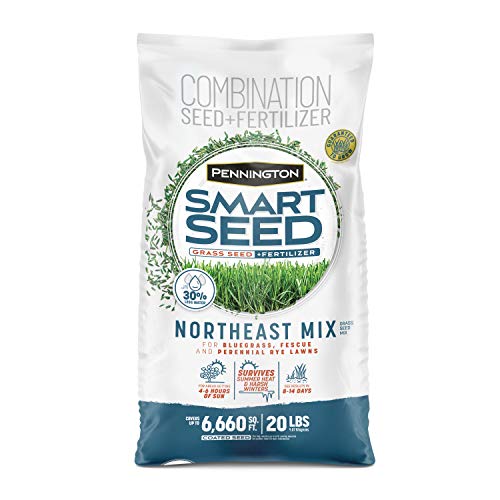
Pennington Smart Seed Northeast Mix 20lb, Grass Seeds for Lawn
A Closer Look At Each Pick
Michigan’s short fall seeding window closes fast once the first hard frost hits, which is exactly where this blend earns its slot. A mix of annual ryegrasses, tall fescues, and fine fescues germinates in roughly 7 to 10 days, so bare patches behind a wheelbarrow or thin strips along a driveway green up before neighbors’ lawns go dormant.
Think of this as a bridge product rather than a long-term fix. It carries a yard through a single season, fills in trouble spots quickly, and then gets overseeded with a Black Beauty mix the following year. The dark-green color holds up well into late October, and the blend tolerates everything from a wide-open front yard to a fenced side yard with limited light.
Where It Delivers
- Germinates in 7 to 10 days, which is fast enough to catch the late-summer seeding window in southern Michigan
- Tolerates full sun through medium shade, so the same bag covers the front and the side yard
- Dark-green color that stays attractive through early fall and into the first light frosts
- Works as a one-season repair layer before overseeding with a persistent cool-season blend
Points To Keep In Mind
- Annual ryegrass component means the stand thins by the second season without a follow-up seeding
- Not designed for permanent coverage, so plan to spend again on a long-term blend next year
Built With In Mind
Homeowners patching a thinning lawn in late August or repairing construction damage before winter.
Where Another Pick Suits Better
For a permanent full-lawn renovation, the Jonathan Green Black Beauty Ultra Grass Seed – 25 lb is a stronger anchor.
Under mature oaks and maples, sunlight rarely reaches below 4 hours a day, and that’s the threshold where most cool-season blends start to fade. This dense shade mix is built around varieties that hold color with limited light, making it the right tool for the side of a house shaded by a two-story neighbor or the strip beneath a row of spruce.
The seed includes beneficial endophytes, which are naturally occurring fungi that live inside the grass and help deter surface-feeding insects. Germination runs 14 to 21 days, slower than the Fast Grow blend, but the result is a denser, darker stand that persists through multiple seasons rather than dying out after the first winter.
Real Benefits
- Performs in heavily filtered light where many fescue and rye blends thin out by midsummer
- Endophyte-enhanced varieties tend to resist surface insect pressure without extra treatment
- Dark-green color that blends visually with the rest of a Black Beauty overseeded lawn
Trade-Offs To Consider
- 14 to 21 day germination window means you’ll water consistently and wait longer than a rye-based blend
- One-pound bag suits small shaded patches rather than a full yard renovation
Key Product Details
Right Fit For
Yards with mature trees, north-facing exposures, or strips shaded by neighboring homes for most of the day.
Skip It When
For full-sun front lawns, the Jonathan Green Black Beauty Heat & Drought Resistant Grass Seed – 3 lb handles Michigan’s open exposure better.
July in lower Michigan can push daytime temperatures into the 90s, and a south-facing lawn without irrigation usually shows brown streaks by midmonth. This heat- and drought-tolerant blend uses tall fescue and Texas bluegrass, two species that hold color when ordinary ryegrass has already gone dormant. The leaves carry a natural waxy coating that limits moisture loss, similar to the skin of an apple, which is the detail that helps this seed through a dry stretch without daily watering.
The mix tolerates full sun to light shade and is rated to handle heat up to 100°F, a useful ceiling for Detroit-area summers. It’s a mid-size bag suited to patching heat-stressed zones or overseeding an entire small front yard, and it pairs well with the broader Black Beauty line for a uniform look.
What It Does Well
- Holds green color through heat spikes that send common rye and bluegrass blends into dormancy
- Waxy leaf coating reduces moisture evaporation during dry weeks
- Tolerates full sun to light shade, so a single bag covers most front-yard exposures
Less Ideal Details
- Establishment still requires consistent watering for the first few weeks, especially in sandy soils
- Texas bluegrass component may not suit homeowners who prefer a traditional Kentucky bluegrass look
Made For
South- and west-facing lawns in the Detroit, Ann Arbor, and Lansing corridors where July heat dries out common blends.
Consider Something Else When
For dense tree shade, the Jonathan Green Black Beauty Dense Shade Grass Seed – 1 lb is the better fit, since heat tolerance does little in low light.
A 25-pound bag suits a half-acre lot, and that’s the scale most Michigan suburban yards operate at. The Ultra blend pulls in tall fescues and Kentucky bluegrass varieties designed to germinate quickly for new lawns while still filling in thin patches on existing turf. The dark-green color is consistent across the species, so a yard that gets partial renovation doesn’t end up looking like two different lawns.
It works in both directions: a full reseed after a construction project, or a fall overseed over a tired lawn that thinned out during July. Compared to the smaller Fast Grow bag, this one is built for staying power rather than a single season of cover.
A Strong Showing
- Bag size covers a typical suburban yard without forcing a second purchase mid-project
- Germinates fast enough to establish before the first hard frost in southern Michigan
- Fills bare spots and seeds new lawns from the same bag, which simplifies planning
Possible Compromises
- Bulk size is overkill for small urban lots under 2,000 square feet
- Higher upfront cost than a 7-pound bag, even though the per-pound rate is usually lower
Who Should Grab It
Homeowners starting a new lawn from scratch on a lot larger than a quarter acre, or overseeding a tired full yard in early fall.
Look Elsewhere When
For a small patch repair, the Jonathan Green Fast Grow Grass Seed – Cool Season Lawn Seed – 7 lb is easier to spread and store.
The 100% tall fescue format is the key detail here. Single-species blends tend to perform more predictably in tough soil, and this one pushes roots down to roughly four feet in established stands. That depth is what helps the lawn green back up after a two-week dry stretch, when shallow-rooted rye and bluegrass have already gone tan.
It handles both open and partially shaded zones, which is useful in older Michigan neighborhoods where tree cover shifts across the yard. The waxy leaf coating holds moisture in the blade, and the seed germinates well in the mid-August to mid-October window when soil is still warm but air temperatures have eased off. Fescue does not shred when mown, so bagged clippings stay neat.
Everyday Perks
- Four-foot root reach pulls moisture from deeper soil layers during dry weeks
- Single-species tall fescue blend grows uniformly, so the lawn reads as one consistent stand
- Suitable for both sunny and moderately shaded zones, simplifying seed selection
Some Limits To Know
- Lacks bluegrass for the spreading recovery some homeowners expect from a self-repairing lawn
- Fescue texture is coarser than bluegrass, which may not match the look of an older Kentucky blue lawn
Feature Snapshot
Whose Shelf It Belongs On
Homeowners with sandy or fast-draining soil who watch their lawn brown out by late July most years.
Another Choice May Suit
For a three-species approach with built-in fertilizer, the Pennington Smart Seed Northeast Mix 20lb, Grass Seeds for Lawn spreads that risk across more varieties.
Annual ryegrass is the fast-finish option of the seed world. Visible green can show up in 3 to 7 days, which makes it the right answer when a wedding is in the backyard next month or a recently sold house needs to look presentable for an open house. In Michigan, it also pulls double duty as a winter overseed for any spot that sits bare after summer damage.
The 10-pound bag covers a generous area, and the seed establishes well in sites that get 6 to 8 hours of full sun. The honest read is that this is a temporary player: it germinates fast, looks good fast, and dies out at the first hard frost, so it works best as a cover crop or a stopgap while a permanent blend takes hold.
Good Reasons To Consider
- Fast color turnaround that beats any perennial blend in the race to green
- Useful as a winter overseed on bare patches after a tough summer
- 10-pound bag covers a large area at a manageable cost
Where It May Fall Short
- Annual lifecycle means the stand dies out at frost and needs reseeding each year
- Not a long-term lawn solution on its own; pairs with a perennial blend
Perfect Match For
Homeowners who need fast visual cover for a specific event or want to hold soil through winter before a spring reseed.
Not Your Match When
For a permanent lawn, the Jonathan Green Black Beauty Tall Fescue Grass Seed Blend – 15 lb is built to last multiple seasons.
A wide-open front yard in full sun takes a different beating than a side yard tucked behind a fence. The Scotts Sunny Mix is built specifically for that exposure, with a blend geared toward direct sunlight and the heat that comes with it. The formula includes a root-building nutrition package, a starter fertilizer blend that feeds the seedling while it pushes its first roots down.
The 2.4-pound bag is on the small side, which makes it a smart fit for overseeding a thinning sunny lawn or patching a few bare strips. Larger yards will need multiple bags, but the smaller format is easier to store and spread evenly with a handheld spreader.
What Makes Sense
- Built-in starter nutrition supports early root development without a separate fertilizer step
- Targets full-sun exposures where shaded-blend species would struggle anyway
- Small bag format is approachable for first-time seeders
Honest Caveats
- Small bag means multiple purchases for a typical quarter-acre lawn
- Not suited to shaded zones under trees or beside structures
Best Suited To
First-time overseeders with a sunny, exposed front yard and a small spreader ready to go.
Swap It Out When
For a single bag covering a large sunny yard, the Jonathan Green Black Beauty Ultra Grass Seed – 25 lb is the more efficient path.
Bermuda is technically a warm-season grass, but the cold-tolerant varieties in this blend push its range farther north than most people expect. In southern Michigan, it can hold a deep green through August heat and aggressive kid traffic, then go dormant and tan out in winter the way any warm-season grass does.
It’s an aggressive self-spreader, which is the real draw for a backyard that takes abuse from dogs, a trampoline, or weekly soccer games. The deep root system supports fast recovery, and the low-growing nature means fewer grass clippings through the peak of summer.
A Few Highlights
- Aggressive spreader fills in worn paths and play areas on its own
- Cold-tolerant Bermuda varieties extend usability into lower Michigan’s USDA zones
- Deep roots and wear resistance suit yards with steady foot traffic
Practical Considerations
- Goes dormant and turns brown from late fall through early spring, which is a visible change for a northern lawn
- Spreads aggressively into garden beds without edging barriers
Details At A Glance
Made For
Yards in the southern tier of Michigan that host steady outdoor activity and want grass that can keep up.
Look Elsewhere When
For a year-round green lawn through Michigan winters, the Pennington Smart Seed Northeast Mix 20lb, Grass Seeds for Lawn is the right cool-season match.
Kentucky 31 is a tall fescue with a long track record on athletic fields and rural properties, prized for its durability and lower maintenance needs. The Scotts version layers that heritage into a curated blend that improves on straight K-31 with stronger color and a thicker stand, useful for both new lawns and overseeding existing turf.
The 20-pound bag is well matched to a quarter- to half-acre yard. Compared to the Black Beauty Tall Fescue blend, the Kentucky 31 mix leans a bit more rugged than refined, which is the right call for a yard that needs to handle utility rather than look like a golf green.
The Upside
- Durable tall fescue base that handles wear and modest neglect
- Curated blend improves color and density over single-species K-31 seed
- Large 20-pound bag suits medium and large yards at one purchase
Factors To Consider
- Texture is coarser than modern turf-type fescue blends, which some homeowners find rougher underfoot
- Color is a lighter green than Black Beauty varieties, so it may not blend with a darker existing lawn
Who It Suits Best
Homeowners with larger lots who want a tough, low-fuss lawn over a fine-textured showpiece.
Not Your Match When
For finer blade texture and deeper color, the Jonathan Green Black Beauty Tall Fescue Grass Seed Blend – 15 lb is a more refined choice.
The Northeast Mix pulls together perennial ryegrass, Kentucky bluegrass, and tall fescue, three species chosen to cover different failure modes. Perennial rye germinates fast for early cover, bluegrass spreads to repair thin spots, and tall fescue pushes deep roots for drought resilience. Built-in fertilizer gets the seedlings through the first critical weeks without a separate feeding step.
The 20-pound bag suits large yards, and the 4-to-6-hour sun requirement is realistic for many Michigan properties where the back of the yard gets partial shade. Compared to a single-species blend, this one spreads risk: if one species struggles in a particular microclimate, the others fill in around it.
Where It Helps
- Three-species blend hedges against weather extremes and patchy soil conditions
- Built-in fertilizer simplifies the early growth stage for first-time seeders
- Handles the seasonal swings of a Michigan growing season, from spring rain to August dry spells
Soft Spots
- Three-species blends can look slightly less uniform than a single-species stand during the establishment year
- 4-to-6-hour sun minimum rules out heavy shade under dense evergreens
Feature Rundown
Best Suited To
Homeowners in lower and mid-Michigan who want a single bag that handles mixed sun exposure and seasonal swings.
Where Another Pick Suits Better
For dense tree shade under 4 hours of sun, the Jonathan Green Black Beauty Dense Shade Grass Seed – 1 lb is the right call.
Choosing The Right Cool-Season Seed For Michigan Conditions
Michigan sits across two USDA hardiness zones, roughly 5b in the Upper Peninsula and 6a across most of the Lower Peninsula, and the seed you pick should match your local microclimate, not just the state as a whole. Cool-season blends dominate here because they green up early in spring, hold through moderate summer heat, and stay active later into fall than warm-season options.
Match The Seed To The Sun You Actually Have
Walk the yard at three different times on a clear day, note where the shadows fall, and measure the total sun hours across each zone. Less than 4 hours of direct light means a dense shade blend. Full sun with reflected heat off a driveway or siding calls for a heat- and drought-tolerant tall fescue. Most Michigan yards fall somewhere in the 4-to-6-hour range, which is where three-species Northeast mixes perform well.
Pay Attention To Root Depth, Not Just Blade Color
Marketing copy talks about dark-green blades, but what carries a lawn through a dry July is root depth. Tall fescue varieties that reach 3 to 4 feet into the soil pull moisture that shallow-rooted rye and bluegrass cannot access. Waxy leaf coatings add a second layer of protection by limiting how fast the blade loses water. The honest read is that a slightly less vibrant color in midsummer is a fair trade for a lawn that does not go fully dormant.
Pick The Bag Size That Matches The Job
A 2-pound bag suits spot repair and small overseeding jobs but disappears fast on a quarter-acre yard. A 25-pound bag covers a half-acre easily but is wasteful on a city lot. The cost-per-pound usually drops as the bag gets larger, so for a full reseed, the bigger format saves money even if you end up with a small amount left over for next fall’s touch-ups.
Time The Seeding To Michigan’s Calendar
The best window runs from mid-August through mid-October, when soil is still warm but air temperatures have eased. Spring seeding works too, between mid-March and mid-May, but young grass has less time to root before summer stress arrives. Avoid seeding in the heat of June or July unless you can commit to daily watering, since seedlings that dry out during their first two weeks rarely recover.
Key Considerations Across These Picks
Common Shopping Slip Ups
Many homeowners pick a seed by brand recognition without checking the species mix, and then wonder why a “sun mix” struggles under a maple tree. Read the bag’s listed species: perennial rye, Kentucky bluegrass, tall fescue, and fine fescue each behave differently in shade, heat, and wear. Buying a warm-season Bermuda blend for a northern Michigan yard is another common miss, since the grass goes dormant and brown for half the year.
What The Higher Tier Buys
Bigger bags and premium blends cost more upfront but often include a starter fertilizer, which removes a separate purchase and a separate spreading step. Multi-species mixes spread risk across varieties that handle different stresses, so a tough year for one species does not wipe out the whole lawn. Higher-tier blends also tend to use improved cultivars with deeper roots and stronger endophyte content, both of which show up in how the lawn holds up two and three seasons out.
Frequently Asked Questions
When Is The Best Time To Plant Grass Seed In Michigan?
The best window is mid-August through mid-October, when soil is warm enough for germination but air temperatures are cool enough to reduce seedling stress. A secondary window runs mid-March through mid-May, though spring seedlings have less time to root before summer heat arrives.
How Much Seed Do I Need For A Typical Michigan Yard?
A standard overseeding rate is around 3 to 4 pounds per 1,000 square feet, while a full new-lawn seeding runs 6 to 8 pounds per 1,000 square feet. A quarter-acre lot, roughly 10,000 square feet, usually needs a 25-pound bag for a new lawn or a 7- to 10-pound bag for overseeding.
Can I Mix Different Grass Seed Blends Together?
Mixing is possible but usually unnecessary, since most regional blends already include two or three complementary species. Sticking with a single blended product ensures a uniform appearance and avoids one species outcompeting another.
Do I Need To Water New Grass Seed Every Day?
Keep the top inch of soil consistently moist for the first two to three weeks, which often means light watering once or twice daily depending on heat and sun. Once seedlings reach mowing height, taper to deeper, less frequent watering to encourage root growth.
How Long Does Grass Seed Take To Germinate In Michigan?
Annual ryegrass shows in 3 to 7 days, perennial rye in 5 to 10, tall fescue in 7 to 14, and Kentucky bluegrass in 14 to 21 days. Fall temperatures in the 60s and 70s fall comfortably within all those ranges, which is one reason the late-summer window works so well.
The Takeaway
A Michigan lawn rewards seed that matches the actual sun, soil, and traffic it faces, not the most expensive bag on the shelf. Tall fescue blends anchor most yards well, shade-specific mixes handle the trouble spots, and a fast-establishing ryegrass covers the gap year. Pick the species profile first, then size the bag to the job, and seed during that mid-August to mid-October window for the best results.
