

North Carolina stretches from cool mountain zones to the sandy coast, so the grass that thrives in Raleigh may struggle in Asheville. Choosing the right seed for your zone, sun exposure, and traffic level makes the difference between a patchy yard and a dense stand. These nine options cover the main use cases Carolina homeowners run into, from coastal Bermuda to transitional fescue blends.
An Overview Of The Picks

Jonathan Green Blue Panther Bermudagrass Grass Seed 4 lb

Jonathan Green Black Beauty Ultra Grass Seed 25 lb

Jonathan Green Black Beauty Ultra Grass Seed 7 lb

Pennington Annual Ryegrass Grass Seed 10 lb

Scotts Turf Builder Rapid Grass Bermudagrass 4 lb

Scotts Turf Builder Grass Seed Sunny Mix 2.4 lb
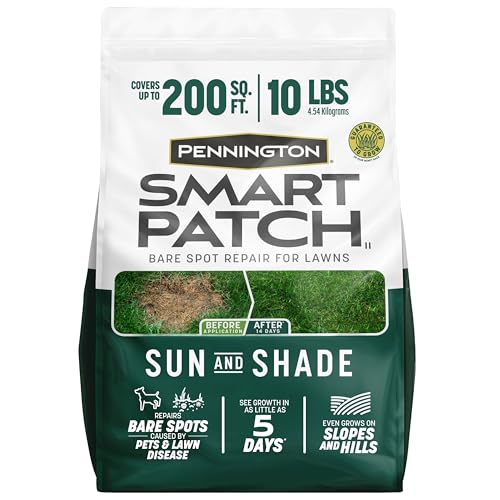
Pennington Smart Patch Grass Seed Mix 10 lb

Pennington Bermudagrass Grass Seed 5 lb

Scotts Kentucky 31 Grass Seed Mix 20 lb
A Deeper Look At The Lineup
Blue Panther Bermudagrass earns the top spot because it behaves like a southern lawn should: thick, sun-loving, and built to push through hot Carolina summers. The formula targets coastal and Piedmont zones, with a reputation for aggressive vertical and lateral rooting that fills in quickly once soil temperatures climb. For homeowners tired of thin, washed-out warm-season grass by July, this seed treats the problem at the root zone.
The trade-off is the same one every Bermuda brings to the table. It goes dormant and turns brown through the cooler months, so the lawn looks rough from late fall into early spring. Plenty of North Carolina homeowners overseed with rye to mask that gap, a tactic that pairs nicely with the Pennington annual rye option covered later.
Why It Works Well
- Formulated specifically for southern growing conditions
- Aggressive root development for fast fill-in
- Handles heavy sun and high heat common across the Piedmont
- Reduces the need for winter overseeding compared to traditional Bermuda
- Builds a durable turf that holds up to foot traffic
Honest Caveats
- Goes dormant and browns out in winter without overseeding
- Struggles in heavy shade, so wooded lots should look elsewhere
- 4 lb bag covers a smaller area, requiring multiple bags for full yards
Feature Snapshot
Right Fit For
Homeowners in the Coastal Plain or Piedmont with full-sun yards who want a thick, drought-ready Bermuda stand by midsummer.
Look Elsewhere When
Shaded lots or mountain zones should reach for the Jonathan Green Black Beauty Ultra Grass Seed 7 lb instead, since cool-season fescue handles those conditions better.
Big yards demand big bags, and the 25 lb version of Black Beauty Ultra covers ground without forcing a second trip to the retailer. The mix leans on tall fescue varieties known for deep roots and a darker green color than common fescue blends. For transitional parts of North Carolina where summers stay hot but winters drop below freezing, fescue is the dependable middle-ground grass.
Where it really earns its keep is on new builds. A freshly graded lot or a full renovation calls for more seed than a 7 lb bag can carry, and overseeding thin existing turf runs through inventory faster than most people expect. This bag is sized for that scale of work.
Useful Touches
- 25 lb bag handles full-yard installations in one go
- Produces a noticeably dark green color once established
- Fills in bare spots and supports new lawn establishment
- Tall fescue base gives solid cold tolerance for mountain areas
Points To Note
- Large bag is awkward to store in small garden sheds
- Tall fescue struggles in deep southern heat without irrigation
Built With In Mind
Homeowners reseeding an entire lawn or installing fescue on a freshly built property in the Piedmont or foothills.
Where A Sibling Pick Shines
Smaller patch jobs and quick spot repairs are a better match for the Pennington Smart Patch Grass Seed Mix 10 lb, which pairs seed with soil amendments for targeted fixes.
The 7 lb version of Black Beauty Ultra carries the same fescue-heavy mix as the 25 lb sibling, just sized for everyday patch and overseed work. Tall fescues anchor the blend, which means reliable performance through the cooler shoulder seasons and decent tolerance for partial shade. The dark green color holds its own against premium blends without the matching price tag.
For most established Carolina lawns, the job at hand is filling in thin spots, not installing turf from scratch. This bag fits that scale comfortably without leaving you with a half-used sack cluttering the garage.
Everyday Advantages
- Right-sized bag for typical patch and overseed projects
- Tall fescue base handles partial shade better than Bermuda
- Same dark green color profile as the larger bag
- Quicker germination than older fescue varieties
Small Caveats
- Heat tolerance is limited in deep southern summers
- Not enough seed for full-yard installs on larger lots
Quick Facts
Made For
Transitional-zone homeowners in central North Carolina who want a fescue overseed without committing to a 25 lb bag.
Consider Something Else When
Coastal Bermuda yards needing full renovation should reach for the Pennington Bermudagrass Grass Seed 5 lb for a better species match.
Annual ryegrass plays a different role than the other picks on this list. Instead of building a permanent lawn, it greens up fast and dies back when warm-season grass wakes up in spring. For Bermuda and Zoysia lawns across the Carolinas, overseeding with rye keeps the yard looking alive through the dormant winter months.
Speed is the headline feature. Visible growth shows up in a week under good conditions, and the seed establishes quickly in areas that get solid sun. Carolina homeowners using this as a winter cover crop on warm-season turf generally find the timing and growth rate easy to work around.
What It Does Well
- Fast germination brings quick winter color
- Ideal for overseeding dormant Bermuda and Zoysia lawns
- Handles full sun exposure across southern winters
- Useful as temporary support for thin northern lawns in shoulder seasons
Practical Considerations
- Annual lifecycle means reseeding every fall
- Not a permanent lawn solution on its own
Product Snapshot
Who Should Grab It
Warm-season lawn owners in the Coastal Plain who want green winter turf without letting their Bermuda sit brown all season.
Not Your Match When
Shaded yards need a different overseed strategy, and the Scotts Turf Builder Grass Seed Sunny Mix 2.4 lb handles a permanent sun-lawn install better.
Scotts combines seed and starter fertilizer in one bag, removing a step that trips up first-time seeders. The Bermuda formula targets the same southern heat and sun conditions that make the Jonathan Green Blue Panther work, but adds a built-in feeding cycle to push faster establishment. For homeowners starting from bare soil, skipping the separate starter fertilizer run is a real convenience.
The trade-off shows up at the spreader settings. Because the product doubles as fertilizer, the application rate is more particular than seed alone, and getting it wrong can mean underfed seed or wasted product. For most Carolina Bermuda installs, though, the time savings outweigh the calibration learning curve.
Standout Benefits
- All-in-one seed and starter fertilizer blend
- Designed for extended feeding during the establishment phase
- Suitable for both new lawns and large patch repairs
- Targets full-sun southern growing conditions
Things To Consider
- Spread rate requires careful calibration to avoid over-application
- Goes brown in winter like other Bermudas
Key Product Details
Who Will Love This
Homeowners starting a new Bermuda lawn who want one product that handles both seeding and early feeding without juggling two bags.
Another Choice May Suit
Yards with established Bermuda needing a thicker stand should look at the Pennington Bermudagrass Grass Seed 5 lb, which focuses purely on seed without bundled nutrients.
Open Carolina lawns with no tree cover demand a seed mix built for relentless sun, and the redesigned Turf Builder Sunny Mix leans into that with a root-building nutrition package. The formula targets direct sun with light shade tolerance, which covers most yard-edge scenarios where the mailbox strip or side yard gets hammered all day.
The 2.4 lb bag makes sense for targeted projects: a thin strip near the driveway, a worn path from the gate to the back door, or a small open lawn under 500 square feet. For most full-lawn reseeds, you’d need multiple bags.
The Value In It
- Built for direct sun with light shade tolerance
- Root-building nutrition supports deeper establishment
- Medium to high drought resistance once established
Less-Strong Areas
- Small bag size means multiple purchases for large lawns
Feature Rundown
Best Suited To
Homeowners with small sunny patches or thin side-yard strips that need a drought-tolerant reseed without committing to a full bag.
Reach For A Different Pick When
Yards that need durable tall fescue for transitional zone conditions should go with the Scotts Kentucky 31 Grass Seed Mix 20 lb for broader coverage.
Smart Patch is engineered for the kind of damage that frustrates most homeowners: dog spots, high-traffic scorch marks, and the bare patch under the kids’ swing set. The mix combines seed with fertilizer and a microbial package aimed at suppressing lawn disease. For Carolina yards where pets do a number on the turf, that built-in disease defense is a practical upgrade over plain seed.
The 10 lb bag covers up to 600 square feet, which sounds modest but actually handles a healthy spread of spot repairs across an average suburban yard. Sun and shade tolerance makes it flexible enough to drop into mixed-light conditions without matching the exact species to the surrounding grass.
What Earns Its Place
- Microbial-enriched formula supports disease resistance
- Works in both sun and partial shade areas
- Strong fit for dog spot repair across the lawn
- Covers up to 600 sq ft per bag
Trade-Offs
- 10 lb bag is heavier than typical patch-repair products
- Works best as targeted repair, not full-lawn coverage
Perfect Match For
Pet households dealing with recurring dog spots and mixed sun-shade yards needing spot repairs across several problem areas.
Skip It When
Full-lawn installs are a better job for the Jonathan Green Black Beauty Ultra Grass Seed 25 lb, which covers more ground at a lower per-pound commitment.
Pennington’s Bermuda blend brings cold-tolerant varieties to a species that normally hates the cooler edges of the Carolinas. The result is a self-spreading, wear-resistant turf that handles the transition from coastal heat into the cooler shoulder seasons without the usual early browning. For active yards with kids, dogs, or frequent foot traffic, that durability is the real selling point.
Like other warm-season grasses, it goes dormant in winter, and the lower-growing blend produces fewer clippings during peak season. That low-growth habit cuts down on mowing frequency in July and August, which is a quiet benefit most homeowners don’t appreciate until they live with it.
Key Advantages
- Cold-tolerant Bermuda varieties push into transitional zones
- Aggressive self-spreading fills in gaps over time
- Wear-resistant turf handles heavy use
- Deep root system supports drought survival
- Low-growing blend reduces mowing frequency
Small Caveats
- Dormant and brown during winter months
- Not suited to shaded conditions
- 5 lb bag limits coverage to smaller yards or repairs
Right Fit For
Active coastal and Piedmont households with full-sun yards and heavy foot traffic who want a tough Bermuda that holds color deeper into fall.
A Better Fit Elsewhere
Mountain and foothills homeowners with cooler temperatures should look at the Scotts Kentucky 31 Grass Seed Mix 20 lb for fescue-based durability.
Kentucky 31 tall fescue is a Carolina classic for good reason: it survives the transitional climate, tolerates a wide range of soils, and asks for less pampering than premium blends. The 20 lb bag handles a substantial reseed, and the curated mix aims for thicker turf than straight K31 alone can deliver. For homeowners who want a low-drama lawn that holds up across the changing seasons, this is the dependable choice.
Compared to the Jonathan Green Black Beauty Ultra picks above, K31 trades a darker color and slightly finer blade for better durability and lower maintenance. Neither approach is wrong, but the difference shows up in how the lawn looks once you stop babying it.
The Helpful Details
- Tall fescue base provides durability and lower maintenance
- 20 lb bag covers a large reseed in a single purchase
- Curated blend aims for thicker results than straight K31
- Works for both new lawns and overseeding projects
Honest Caveats
- Color is lighter green than premium fescue blends
- Heat tolerance drops in deep southern summers
Built With In Mind
Transitional-zone homeowners who want a durable, no-fuss fescue lawn without premium blend pricing or color expectations.
Where Another Pick Suits Better
Coastal yards needing warm-season turf will get a better match from the Jonathan Green Blue Panther Bermudagrass Grass Seed 4 lb.
What Matters Most When Choosing Grass Seed for North Carolina Lawns
Know Your Zone First
North Carolina splits into three growing regions, and the grass that wins on the coast rarely wins in the mountains. The Coastal Plain and Piedmont favor warm-season Bermuda, while the mountains lean cool-season with tall fescue. Central Carolina is genuinely transitional, which is why fescue blends dominate there. Match the species to your zone before worrying about brand or bag size.
Sun and Shade Patterns
Walk your yard at different times before buying seed. Bermuda and rye need six-plus hours of direct sun, while fescue handles partial shade much better. The Pennington Smart Patch mix covers both, but full-lawn installs benefit from a species matched to your actual conditions rather than the average.
Bag Size and Coverage
A 4 lb bag covers far less than most homeowners expect, and a 25 lb bag handles a full reseed on an average suburban lot. Calculate square footage before buying, and remember that overseeding rates are lighter than new-lawn rates. Buying too little means a second trip; buying too much leaves you with storage headaches and a stale seed inventory next season.
Key Considerations Across These Picks
Pitfalls Shoppers Hit
The most common mistake is choosing a grass species based on what looked good at the neighbor’s house without checking the actual growing conditions. Buying Bermuda for a shaded yard, or fescue for a full-sun southern lot, sets you up for thin turf and frustration. The second pitfall is skipping soil prep, since seed-to-soil contact matters more than the brand on the bag. Finally, ignoring coverage calculations leads to either mid-project bag runs or wasted seed stored too long for the next season.
Where The Extra Money Goes
Higher-tier blends typically include more seed varieties, coating treatments that improve germination, and built-in fertilizer or microbial packages. The Jonathan Green Black Beauty Ultra, for example, costs more per pound than basic K31 but brings multiple fescue varieties designed to fill in thicker. For full-lawn installs in tricky transitional zones, that blend diversity pays off in coverage and color. For spot repairs or overseeding on already-stable lawns, mid-tier options usually do the job without the premium price.
Frequently Asked Questions
What grass seed works best for North Carolina lawns?
Tall fescue handles most of the state well, especially in the Piedmont and mountain regions, while Bermuda dominates the Coastal Plain. For transitional zones, fescue blends like the Jonathan Green Black Beauty Ultra or the Scotts Kentucky 31 mix offer the best year-round performance.
When should I plant grass seed in North Carolina?
Warm-season grasses like Bermuda go in late spring once soil temperatures stay above 65°F. Cool-season fescue and ryegrass do best with fall planting between mid-September and mid-October, when soil stays warm but air temperatures cool down.
Can I overseed Bermuda with ryegrass in North Carolina?
Yes, and many homeowners in the Coastal Plain and southern Piedmont do exactly that to keep the lawn green through winter. The Pennington Annual Ryegrass 10 lb is sized for that job, and the rye dies back naturally as Bermuda wakes up in spring.
How much seed do I need for a typical Carolina lawn?
Coverage depends on grass type and whether you are starting fresh or overseeding. A new Bermuda lawn needs roughly 2 to 3 lb per 1,000 sq ft, while fescue overseeding typically calls for 4 to 6 lb per 1,000 sq ft. Measure your yard and check bag labels before buying.
Do these seeds need fertilizer at planting?
Most grass seed benefits from a starter fertilizer at planting, though products like the Scotts Turf Builder Rapid Grass Bermudagrass already include it. If you are using seed alone, plan a separate starter fertilizer application to support establishment.
Wrap Up
Carolina lawns come with regional quirks that generic seed guides tend to gloss over. The right pick depends on whether you are coastal, Piedmont, or mountain, how much sun your yard actually gets, and whether you are patching problem spots or installing from scratch. Match the species to your conditions, calculate your coverage honestly, and the rest of the season gets a lot easier. Your lawn will tell you fairly quickly if you got it right.
