

Walking past glossy hybrid seedlings at the garden center feels fine until you taste a Brandywine tomato off your own back porch. Heirloom seeds change the conversation: open-pollinated, time-tested varieties you can save from year to year, traded through generations of home growers. The trick is sorting the genuinely reliable packets from the ones that arrive half-empty or mislabeled.
This list covers seven seed options that span vegetables, flowers, and a long-term storage kit, so you can match a packet (or a vault) to the space, climate, and ambition you actually have. Whether you tend a single raised bed or steward a full homestead plot, there is a starting point here that fits.
The Essentials At A Glance
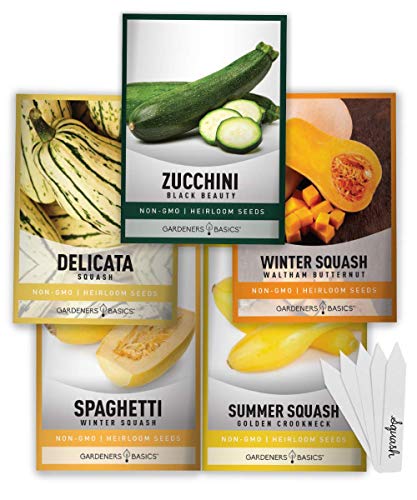
Gardeners Basics Squash Seeds for Planting 5 Individual Packets

50 Black Beauty Zucchini Heirloom Vegetable Seeds, Cucurbita Pepo

Heaven’s Harvest 10 Year Survival Garden 25k+ Heirloom Seed Bank Kit

HOME GROWN Bachelor Button Flower Seeds Tall Mix 700+ Cornflower Heirloom Seeds

B&KM Farms 30,000+ Non-GMO Heirloom Seed Kit 30 Fruit & Vegetable Variety

Heirloom Rainbow Mix Tomato Seeds for Planting 1 Pack

Marde Ross & Company Pink Ponderosa Heirloom Tomato Seeds Large Tomato
The Details Behind The Selections
For anyone dipping a toe into the squash world, having one packet of zucchini tends to feel like plenty until mid-July, when the neighbors start avoiding eye contact. The Gardeners Basics 5-variety sampler sidesteps that overcommitment by spreading your bet across five different types: zucchini, delicata, butternut, spaghetti, and golden crookneck. Each variety lives in its own clearly labeled packet, which makes crop rotation and seed-saving far less confusing than digging through a single mixed bag at season’s end.
Compared to the single-variety Black Beauty pack from KVITER reviewed below, this sampler trades depth for breadth. You won’t get hundreds of seeds in any one type, but you will learn which squashes your soil and climate actually favor before committing to a second season of full plantings. The five free plant markers tucked in the box are a small but genuinely useful touch for first-time growers who can never remember which row is which.
What Pays Off
- Five distinct varieties let you taste-test summer, winter, and storage squashes in a single season
- Individual packets make it easier to stagger plantings and save seeds from your strongest performers
- Included plant markers remove one of the most common beginner headaches: losing track of which row holds which variety
- Non-GMO labeling matches what most home growers expect from an heirloom collection
Things To Consider
- Seed counts per variety run modest, so succession plantings may exhaust a packet faster than you expect
- Packaging durability in damp sheds varies, so storing unused packets in a dry interior location pays off
Who It Suits Best
First-season gardeners with a single raised bed who want to learn which squash types actually thrive in their microclimate before scaling up.
Consider Something Else When
You already know zucchini is your crop and want volume: the KVITER Black Beauty pack delivers fifty seeds of a single proven performer.
Black Beauty zucchini is the workhorse of the summer squash patch: dark-skinned, prolific, and forgiving of imperfect watering schedules. The KVITER pack of fifty seeds gives a single-variety grower enough volume for succession plantings, second-season seed-saving, and even trading starts with neighbors. Where the Gardeners Basics sampler introduces you to five squashes, this pack goes deep on one.
Cucurbita pepo is the species name you’ll see on the packet, and it is the same botanical designation that covers pumpkins, summer squash, and many gourds. Worth knowing if you plan to save seeds: cross-pollination between neighboring Cucurbita pepo varieties can produce surprise hybrids the following year, so isolation or hand-pollination matters for true seed purity.
A Few Highlights
- Fifty seeds support staggered plantings across two or three sowing windows
- A single-variety focus simplifies pollination control for seed savers
- Compact bush growth habit suits raised beds and small plots better than vining types
- Reliable germination under standard warm-soil conditions in most temperate zones
Worth Noting
- One-crop focus means a bad season wipes out the entire harvest; rotating with non-Cucurbita crops is wise
- Squash bugs and vine borers tend to find monoculture patches faster than mixed plantings
Made For
Home growers with a dedicated zucchini row who want enough seed volume to succession-plant and hold a reserve.
Where Another Pick Suits Better
You want to experiment with multiple squash types in a smaller space: the Gardeners Basics sampler offers five varieties in matched counts.
Most seed packets quietly lose viability sitting in a kitchen drawer. The Heaven’s Harvest kit approaches the problem differently: a sealed storage drum designed to keep twenty-five thousand-plus seeds dry and viable for roughly a decade. The pitch is preparedness, but the practical reality is that it also suits anyone tired of reordering tomato seeds every spring.
Unlike the smaller single-crop packs earlier in this list, this kit is a curated library across many vegetable families. You trade the intimacy of a hand-selected variety for the comfort of having most of a vegetable garden’s worth of options in one container. The drum is the real value, since seed longevity depends far more on consistent cool, dry storage than on the seeds themselves.
Everyday Perks
- Storage drum creates a stable environment that meaningfully extends seed life compared to a junk drawer
- Wide variety mix supports a season’s worth of planting without further purchases
- Non-GMO labeling consistent with traditional seed-saving values
- Bulk format makes sense for community gardens or shared family plots
Trade Offs
- Variety selection is fixed: you cannot substitute a regional favorite that is missing from the kit
- The drum is bulky, so storing it in an apartment closet requires planning the footprint
Best Suited To
Preparedness-focused households and community gardens that want a long shelf life and a wide starting palette in one container.
Swap It Out When
You want a curated, hand-picked library with growing guidance included: the B&KM Farms 30,000-seed kit pairs variety with an online planting resource.
Heirloom seeds are not only about feeding people. Bachelor buttons, also called cornflowers, are the classic cottage-garden blue that turns a vegetable plot into something worth photographing in June. The HOME GROWN Tall Mix ships over seven hundred seeds in a single packet, enough to broadcast across a modest meadow strip or fill several rows of cutting garden.
Centurea cyanus, the species name on the packet, is an annual that readily self-seeds in disturbed soil. That matters for low-maintenance gardeners: a single sowing can return volunteers for years, though colors drift as the population crosses. The mix is non-GMO and USA-grown, which shortens the supply chain compared to packets imported from overseas consolidators.
What It Does Well
- Generous seed count makes a meaningful cut-flower or pollinator patch affordable per square foot
- Open-pollinated (meaning plants pollinate naturally and produce offspring true to type) nature lets you save seed for next year’s sowing
- Pollinator-friendly blooms draw bees and beneficial insects that help nearby vegetables too
- Tall mix adds vertical interest that low-growing vegetable crops cannot provide
Honest Caveats
- Annual lifecycle means replanting (or relying on self-seeding) for repeat bloom each year
- Color mix varies year to year as cross-pollination shifts the genetic pool
The Right Fit
Cut-flower enthusiasts and pollinator-bed builders who want a tall, billowing blue display that doubles as a bee magnet.
Reach For A Different Pick When
Your priority is a stocked vegetable larder rather than ornamental blooms: the B&KM Farms 30-variety kit centers the edible side of the garden.
Starting a homestead garden from scratch usually means a dozen separate orders, missed shipping windows, and a sad pile of half-used seed packets by August. The B&KM Farms 30-variety kit compresses that chaos into a single box: thirty thousand-plus seeds spanning fruits and vegetables, with an online growing guide that walks you through the unfamiliar crops.
Compared to the Heaven’s Harvest vault reviewed above, this kit swaps the long-term storage drum for a guided-learning approach. The trade-off is shelf life without extra care, but the payoff is a beginner-friendly on-ramp to thirty different varieties you would otherwise need to research individually.
Bright Spots
- Thirty varieties remove the guesswork from a first-year garden plan
- Online planting guide adds meaningful value for growers without a mentor
- Non-GMO labeling aligns with traditional seed-saving expectations
- Bulk count supports a full family-sized plot across one or two seasons
Points To Keep In Mind
- Variety list is fixed, so swapping in a regional favorite means sourcing separately
- Some growers report a few varieties with lower viability than others; sowing extras helps
Who Will Love This
New homesteaders and family gardeners who want a broad starting library with a guide attached, rather than assembling one variety at a time.
Not Your Match When
Your real interest is long-term seed storage and preparedness rather than immediate planting: the Heaven’s Harvest drum is built for that job.
Red slicing tomatoes are fine. A bowl of red, yellow, orange, pink, and green heirlooms on the counter in August is a different kind of conversation entirely. The Survival Garden Seeds Rainbow Mix delivers exactly that visual range from a single packet, with varieties selected for dependable production in garden beds, greenhouses, or patio containers.
Where the Marde Ross Pink Ponderosa pack reviewed below commits to a single heritage variety with documented lineage, this mix trades that focus for color and shape variety. The trade-off is harder to save pure seed from a mixed packet, since cross-pollination between varieties muddies the genetics. For eating and photographing, though, the diversity wins.
Benefits That Matter
- Color range makes harvest baskets and salads genuinely photogenic
- Container-friendly selections widen the appeal for patio and balcony growers
- Heirloom flavor profile across the mix rather than a single-note taste
- Dependable production in standard garden conditions
A Few Limitations
- Seed-saving for true-to-type plants requires isolating individual varieties by distance or by hand-pollination
- Some growers find mixed packets slightly slower to germinate uniformly than single-variety packs
Perfect Match For
Cooks and home canners who want a colorful harvest for fresh eating and preserving, without committing to a single variety.
Look Elsewhere When
You want a documented heritage variety with a known flavor profile: the Marde Ross Pink Ponderosa pack focuses on one beloved beefsteak.
Some heirloom tomatoes come with a story. Pink Ponderosa carries one: a variety traceable to the 1890s, descended from a Luxembourg immigrant’s grandmother’s seed line and later refined by the Henderson seed house. Marde Ross & Company offers that single variety, and the focus shows in the expected fruit profile: smooth, pink beefsteaks weighing one to two pounds each.
Compared to the rainbow mix above, this pack is a deep dive into one cultivar. Large, slicing tomatoes like this need strong staking and a long warm season, so growers in short-summer regions may want to start seeds indoors well before transplant time. For those who can give it the room, the reward is a slicer that anchors a BLT without falling apart.
Reasons It Performs
- Documented heritage dating to the late 19th century adds narrative value for seed savers
- Large fruit size makes it a strong choice for slicing and sandwich use
- Non-GMO and neonicotinoid-free labeling aligns with pollinator-conscious growing
- Single-variety focus simplifies seed-saving for true-to-type offspring
Where It Is Less Suited
- Long season requirement limits reliable harvests in cooler climates without an indoor head start
- Heavy fruit demands sturdy staking that light-duty tomato cages typically cannot provide
Whose Shelf It Belongs On
Tomato collectors and home cooks who want one large, heritage slicer with a clear lineage and don’t mind the staking it requires.
A Better Fit Elsewhere
You want a colorful harvest rather than a single specialist: the Heirloom Rainbow Mix Tomato packet delivers range from a single sowing.
Sorting Through Seed Packets: What Actually Matters
Heirloom seed shopping rewards a little homework. Open-pollinated means a plant pollinates naturally (by wind, insects, or self-pollination) so saved seed grows true to the parent, which is the whole point of choosing heirlooms over hybrids in the first place. Non-GMO labeling matters to many home growers, though it largely reflects traditional breeding practices that predate genetic engineering altogether.
Seed count and variety breadth drive most of the value difference. A single-variety pack like the KVITER Black Beauty zucchini suits focused growers with a clear crop plan. A multi-variety sampler like the Gardeners Basics squash set or the B&KM Farms 30-variety kit better matches gardeners still figuring out what their soil and climate favor. Climate fit matters more than packet hype: tomatoes labeled for long warm seasons rarely deliver in zone 5 without indoor seed-starting months ahead of transplant.
Storage conditions quietly determine whether your seeds germinate next spring. Cool, dark, and dry is the rule, and a sealed container extends viability by years compared to a kitchen drawer. The Heaven’s Harvest kit leans into this with its storage drum, but a simple jar in a closet works nearly as well for smaller collections.
Before You Check Out: Slip-Ups To Dodge
Common Shopping Slip Ups
The most frequent mistake is ordering by seed count alone. A fifty-thousand-seed kit looks generous until you discover the varieties are not the ones suited to your region, or the germination rates drift well below the listed figures. Match the crop list to your hardiness zone before you match the packet size.
Another trap is treating “survival” kits as a substitute for a planting plan. Bulk seed counts mean little if you do not know when to start tomatoes indoors in your area or how to harden off seedlings before transplant. Pair any kit with a basic planting calendar, or pick a beginner-friendly option that bundles guidance, like the B&KM Farms kit with its online guide.
What The Higher Tier Buys
The jump from a single-variety pack to a thirty-variety kit is not just about quantity. You are paying for curation, packaging, and (in some cases) storage infrastructure like the Heaven’s Harvest drum. The extra value shows up in shelf life, in the breadth of crops you can plant without reordering, and in beginner-friendly extras like growing guides and plant markers. For a household starting from scratch, those bundled features often pay for themselves in the first avoided seed-ordering scramble.
Quick Heirloom Seed Pointers
Mistakes Worth Dodging
Buying varieties bred for the wrong climate is the most expensive error, since you pay in lost months and empty beds. Always check the listed hardiness range or days-to-maturity before adding a packet to your cart, especially for long-season crops like the Pink Ponderosa tomato.
Storing leftover seeds in a hot garage or sunlit windowsill cuts viability faster than almost any other factor. A cool interior closet in a sealed jar is the minimum, and a dedicated drum is the upgrade that pays off over multiple seasons.
Where The Extra Money Goes
Premium kits typically fund two things: better storage packaging (drums, sealed pouches, oxygen absorbers) and curated variety selection. The drum in the Heaven’s Harvest kit, for instance, is what justifies the price over a loose collection of packets, since seed longevity is more about environment than genetics. Bundled online guides, like the one in the B&KM Farms kit, add learning value that matters more to first-time growers than to seasoned seed savers.
Frequently Asked Questions
What makes a seed “heirloom”?
Heirloom seeds come from open-pollinated varieties that have been passed down for many generations, typically at least fifty years, and produce plants true to the parent when saved properly.
How long do heirloom seeds stay viable?
Storage conditions matter more than age, but most vegetable seeds remain viable for three to five years in a cool, dry, dark environment, with some varieties lasting much longer under ideal conditions.
Can you save seeds from heirloom vegetables?
Yes, and that is the main appeal. Because heirlooms are open-pollinated, saved seed grows into plants very similar to the parent, though cross-pollination between related varieties can introduce surprises.
Do heirloom seeds grow differently from hybrid seeds?
They grow using the same basic gardening techniques. The difference is genetic: hybrid seeds often prioritize uniform appearance and shipping durability, while heirlooms prioritize flavor, history, and seed-saving potential.
Is a survival seed kit worth it for a regular gardener?
A kit makes sense if you want a broad, ready-to-plant library in one purchase, or if you value the included storage and growing guides. Focused growers usually prefer hand-picking individual varieties instead.
Final Verdict
Heirloom seeds reward gardeners who plan to stick around, since the real payoff comes the second season when you plant seed you saved yourself. Match the variety mix to your climate, your plot size, and the time you actually have to tend things, and start with a packet that excites you enough to keep watering through August.
