

Quackgrass spreads through underground rhizomes (creeping horizontal roots), which is why a stray patch can turn into a whole lawn takeover in two seasons. The right selective herbicide takes down those rhizome networks while leaving your turfgrass intact, and a few of the picks below also cover dandelions, clover, and sedges along the way. This list focuses on options that pair well with cool-season and warm-season lawns, food plots, and patch-and-go spot treatments.
The Leading Options At A Glance
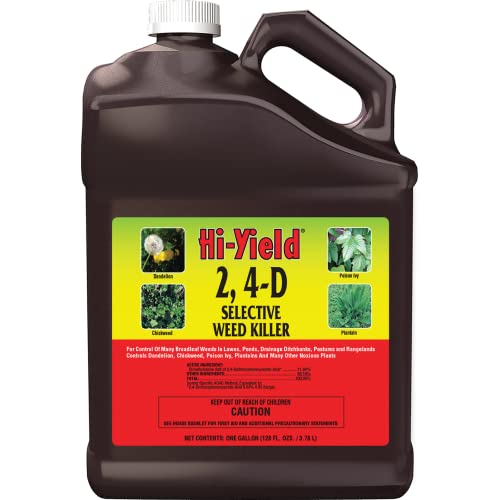
Hi-Yield 2,4-D Selective Weed Killer, 1 gal

Fertilome Weed-Out Nutsedge Control Concentrate, 16 oz
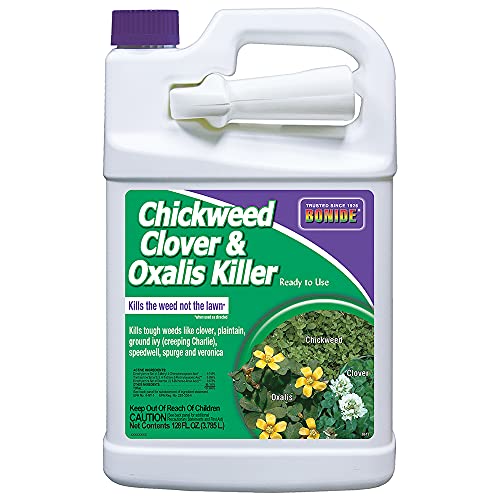
Bonide Chickweed, Clover & Oxalis Killer 128 oz

Roundup Dual Action 365 Weed & Grass Killer 1.33 gal

Spectracide Weed Stop For Lawns Plus Crabgrass Killer 32 oz
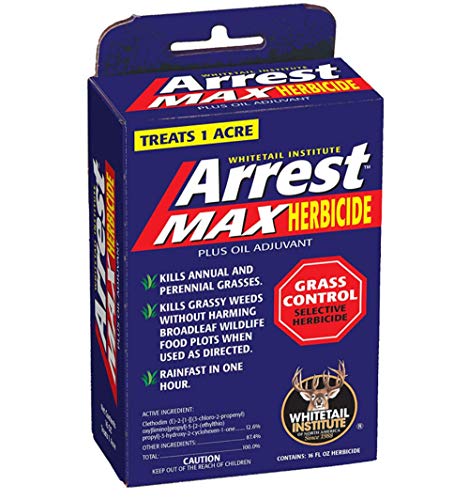
Whitetail Institute Arrest Max Selective Grass Control 8 oz
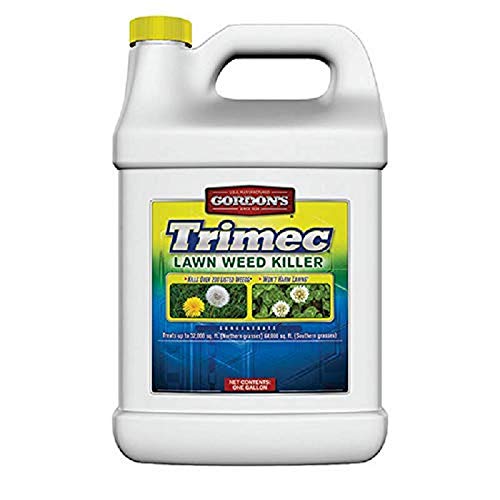
PBI/GORDON Trimec Lawn Weed Killer, 1 gal

Roundup Dual Action Weed & Grass Killer Plus 4 Month Preventer Concentrate
Why These Options Stand Out
The Hi-Yield 2,4-D concentrate is a workhorse selective herbicide built around 2,4-D, a synthetic auxin (a plant growth hormone mimic) that disrupts broadleaf growth while leaving most turfgrasses unharmed. In most suburban yards, a single 1-gallon jug covers a sizable area when mixed correctly with water and a surfactant like Hi-Yield Spreader Sticker.
Beyond lawn use, the label also covers ponds, drainage ditches, pastures, and rangelands, so rural property owners get a multipurpose jug rather than a one-track product. Compared with the Spectracide concentrate coming up later, this one leans more on broadleaf control than crabgrass suppression, so you trade some grassy-weed reach for deeper broadleaf effectiveness.
Useful Highlights
- Targets a wide broadleaf list, including dandelion, arrowhead, buckhorn, aster, and goatsbeard.
- Approved for lawns, ponds, drainage ditches, pastures, and rangelands on the same label.
- 1-gallon concentrate scales to larger properties without forcing multiple purchases.
- Pairs with Hi-Yield Spreader Sticker for stronger leaf adhesion and uptake.
- Selective mode keeps established turfgrass out of the casualty list when used as directed.
Points To Keep In Mind
- Does not list crabgrass or sedge suppression on the label, so grassy weeds may need a second product.
- Concentrate requires measuring, mixing, and a separate sprayer, which adds setup time before each pass.
- Owners commonly report that overspray drifts can curl sensitive ornamentals nearby, so wind matters.
Right Fit For
Owners of broadleaf-choked cool-season lawns and mixed-use rural land who want a single concentrate jug for multiple sites.
Skip It When
Your patch is heavy on crabgrass and sedges, where Spectracide Weed Stop For Lawns Plus Crabgrass Killer or Fertilome Weed-Out Nutsedge Control fit more naturally.
Fertilome Weed-Out works as both a pre-emergent (applied before seeds sprout) and post-emergent (applied to visible weeds), which makes it a flexible pick for lawns where multiple weed types overlap. The label spans cool-season and warm-season grasses like bluegrass, bahia, bermuda, and fescue, so southern and northern lawns can both use it.
Coverage scales to roughly 5,800 square feet per pint when mixed correctly, which is a useful yardstick for anyone trying to figure out how much jug to buy. Unlike the broadleaf-focused Hi-Yield jug, this one pulls double duty on sedges and broadleaves in a single bottle.
Strong Points
- Handles clover, dandelion, crabgrass, ground ivy, nutsedge, and spurge on the same label.
- Compatible with both cool and warm season turf, so geography stops being a barrier.
- Pre and post-emergent activity in one bottle reduces the need for a second specialty product.
Honest Caveats
- 16 oz bottle covers less ground than the 1-gallon jugs on this list, so larger lots may need multiple bottles.
- Application timing matters more with sedge control, so a missed window can stretch the project across two seasons.
Who Should Grab It
Homeowners with mixed weed pressure across cool and warm season turf who want a single bottle for sedges and broadleaves alike.
Look Elsewhere When
You mainly battle broadleaf weeds in a cool-season yard, where the PBI/GORDON Trimec Lawn Weed Killer delivers broader spectrum at gallon scale.
Bonide’s 128 oz ready-to-use bottle skips the measuring cup entirely, which removes the most common application mistake for casual homeowners. It’s formulated for residential turf and goes after chickweed, clover, dandelion, ground ivy, oxalis, and wild violet, plus a long list of related broadleaf targets.
You may find the systemic action (absorption through leaves and travel down to the roots) useful when patches are scattered, since one trigger pull can replace a whole mixing session. Compared with the concentrates earlier in this list, you trade a smaller per-bottle coverage area for the convenience of a built-in hose-end or trigger sprayer.
Good Reasons To Consider
- No mixing, no measuring, and no separate sprayer to clean between sessions.
- Built for residential turf, so the label stays approachable for first-time users.
- Targets more than 100 tough-to-control broadleaf weeds on the source list.
- Systemic mode reaches the roots rather than only scorching the top growth.
Some Limits To Know
- Pre-mixed format costs more per square foot than a concentrate, so big lawns can get expensive fast.
- Heavier container gets tiring to carry across a full yard without setting it down repeatedly.
Best Suited To
Homeowners with small yards or scattered weed patches who want grab-and-go convenience over per-ounce economy.
Another Choice May Suit
Large property owners chasing the lowest cost per square foot should reach for the PBI/GORDON Trimec concentrate jug instead.
Roundup Dual Action 365 is a non-selective herbicide, meaning it kills any plant it touches, paired with a 12-month preventer that creates a residual barrier in the soil. It comes with a Pump ‘N Go 2 sprayer built in, so application skips the bottle-transfer step. The 1.33-gallon size suits driveways, walkways, fence lines, and patio edges where you want a full year of low regrowth.
For quackgrass along a driveway or in a gravel border, this brings the chemistry needed to clear both top growth and rhizomes. Inside an established lawn, however, the residual chemistry will hold back your desired turf just as easily as the weeds, so its real home is hardscape, not yard.
What Makes Sense
- 12-month soil residual keeps sprouts from returning in treated cracks and gravel areas.
- Pump ‘N Go 2 sprayer is built into the container, so no extra equipment is required.
- Targets a long list of broadleaves, grassy weeds, and brush in a single pass.
Practical Considerations
- Not suitable for broadcast lawn use, since the residual barrier will keep new grass from filling in.
- Heavier container with built-in pump takes a little storage planning in a small shed.
Made For
Owners clearing quackgrass from driveways, patios, fence lines, and gravel strips where bare ground is the goal.
Reach For A Different Pick When
You need selective control inside an existing lawn, where the Hi-Yield 2,4-D or Spectracide Weed Stop fits a typical yard without collateral damage.
Spectracide’s concentrate pairs broadleaf control with crabgrass suppression in a single bottle, which suits lawns dealing with a mixed weed rotation. The 32 oz format scales to typical suburban lots without forcing a gallon-jug commitment. The label targets grassy weeds and broadleaves at the same time, so a single pass handles more of the lawn’s enemies than a 2,4-D-only jug would.
Where the Bonide ready-to-use bottle trades mixing for portability, this concentrate trades a small dose of mixing effort for lower per-square-foot cost. For most cool-season lawns, the chemistry plays nicely with the surrounding turf when applied as directed.
Reasons It Performs
- Reaches crabgrass in addition to common broadleaves, cutting the number of separate products needed.
- Concentrate format keeps the per-square-foot cost low for typical yards.
- Designed for residential lawn use, so the label stays readable for non-specialists.
Things To Weigh
- Smaller bottle means repeat purchases on properties over a quarter acre.
- Requires a separate sprayer and basic mixing discipline before each pass.
Who Will Love This
Suburban homeowners with crabgrass mixed into their broadleaf pressure who want a single concentrate jug for the season.
Swap It Out When
Your weed list runs heavier to sedges than crabgrass, where the Fertilome Weed-Out concentrate handles nutsedge and broadleaves in the same bottle.
Arrest Max is built specifically for deer food plots, and that focus shows in the label. The chemistry is selective for grass, so it knocks down grassy invaders without harming clover, alfalfa, chicory, or any Whitetail Institute perennial food plot plantings. Adding a crop oil like Surefire to the tank helps uptake through waxy grass leaves.
For quackgrass that creeps into a clover plot, this is one of the rare products that takes the grass out while leaving the broadleaf forage for deer. Compared with the lawn-oriented picks earlier, this one trades broad-spectrum appeal for a very specific, very useful job.
What It Does Well
- Spares clover, alfalfa, and chicory while clearing invasive grasses from the same plot.
- Compact 8 oz bottle mixes efficiently for smaller food plot applications.
- Pairs with Surefire Crop Oil Plus to push uptake on tougher grass species.
Where It Is Less Suited
- Niche focus means it does not suit a typical residential lawn weed program.
- Requires a separate crop oil purchase to reach full effectiveness, adding to the overall cost.
Perfect Match For
Hunters and land managers maintaining perennial food plots who need grass control without losing their clover or chicory.
Where A Sibling Pick Shines
Homeowners focused on a tidy lawn should reach for Spectracide Weed Stop or the Hi-Yield 2,4-D jug instead.
Trimec is a classic broadleaf herbicide blend designed for cool-season turf like Kentucky bluegrass, perennial rye, and fescue, with bermuda grass compatibility on the label as well. A single gallon covers a substantial lawn area, which makes it a strong gallon-scale option alongside the Hi-Yield jug.
The label tracks more than 250 broadleaf species, so a yard with an unusually diverse weed rotation stands a good chance of being covered by one product. Where the Bonide ready-to-use leans on convenience, this one trades mixing effort for raw coverage and broadleaf reach.
Benefits That Matter
- Targets over 250 broadleaf weed species, which covers most residential weed rotations.
- Compatible with Kentucky bluegrass, bermuda grass, perennial rye, and fescue.
- 1-gallon size fits large cool-season lawns without forcing a second bottle.
Less Ideal Details
- Concentrate requires a dedicated sprayer and proper mixing, which adds prep time.
- Cool-season focus means warm-season turf owners may need to verify local compatibility.
Whose Shelf It Belongs On
Owners of large cool-season lawns facing a wide rotation of broadleaf weeds who want gallon-scale coverage in a single jug.
Not Your Match When
Sedges make up most of your weed pressure, since the Fertilome Weed-Out concentrate targets nutsedge more directly.
Feature Card
This Roundup concentrate is a non-selective herbicide that kills existing growth down through the rhizomes and adds a 4-month soil barrier to keep new weeds from breaking through. It belongs in cracks, gravel areas, fence lines, and edging strips where bare ground is the goal for at least a season.
Compared with the 12-month Roundup jug earlier, this one trades part of the residual window for a more compact concentrate format that you mix to your own rate. For a quackgrass patch along a sidewalk or under a deck, the rhizome kill plus the 4-month barrier saves a lot of repeat pulling.
The Case For It
- Reaches rhizomes to stop regrowth from underground root systems.
- 4-month soil barrier cuts down on repeat weeding through a full growing season.
- Concentrate format allows custom mixing for both spot and broader applications.
Trade-Offs To Consider
- Non-selective chemistry means treated lawn areas will not regrow, so application discipline matters.
- Requires separate mixing and a dedicated sprayer for safe, accurate application.
Built With In Mind
Property owners clearing quackgrass from hardscape edges, fence lines, and bare-soil zones where regrowth is the main frustration.
Consider Something Else When
You want selective control inside a living lawn, where the Spectracide Weed Stop or Hi-Yield 2,4-D jug keeps your turf intact.
What To Weigh Before Choosing A Quackgrass Herbicide
Match The Chemistry To The Site
Selective herbicides like 2,4-D and Trimec blends target broadleaf weeds while leaving most turfgrasses alone, which makes them the right call inside an established lawn. Non-selective options with residual barriers are a better match for driveways, gravel, and fence lines where you want months of bare ground. The Whitetail Institute Arrest Max splits the difference for food plots, clearing grass without harming clover or chicory. Picking the wrong category is the fastest way to either lose a lawn or fight the same patch twice.
Read The Grass Compatibility List
Cool-season turf like Kentucky bluegrass, perennial rye, and fescue handles a wider range of selective herbicides than warm-season turf. Bermuda, bahia, and zoysia owners should verify grass compatibility on the source label before mixing, since some active ingredients stress those species. Soil type, recent seeding, and sod age all factor in as well, so a quick label check saves a costly re-sod.
Time The Application Window
Pre-emergent herbicides need to be down before seeds germinate, while post-emergent options work on visible growth. For quackgrass, which spreads mostly by rhizome, post-emergent timing during active growth gives the best translocation into the roots. In most regions, that means a fall or spring application when soil temperatures sit in the right range for the active ingredient to move through the plant.
Key Considerations Across These Picks
Mistakes Worth Dodging
The most common error is reaching for a non-selective herbicide inside a lawn, which clears the quackgrass along with everything else you want to keep. A close second is skipping the label check on grass compatibility, which can leave warm-season lawns yellowed and thinned. Shoppers also underestimate coverage math and buy a bottle that runs out halfway through the project, forcing a rushed second purchase at the wrong timing window.
Where The Extra Money Goes
Premium concentrates and ready-to-use jugs often pack in built-in surfactants (additives that help the spray stick to and penetrate leaves), spreader stickers, and refined active-ingredient blends that move more efficiently through rhizomes. Higher-tier products also tend to cover more square feet per ounce, lowering the per-application cost over a full season. The honest read is that the upgrade pays off when the lawn is large or the weed pressure is mixed, while smaller yards do just fine with a basic concentrate and a careful hand.
