

Clearing unwanted trees and stubborn brush is rarely as simple as lopping branches and walking away. Roots keep pushing, fresh shoots reappear at the base, and the same patch fights back season after season. A targeted herbicide changes that math, drawing the active ingredient into the vascular system so the whole plant finally stops coming back. The eight formulas below cover small backyard saplings, fence-line encroachment, poison ivy infestations, and large-acre pasture reclamation, so you can match the chemistry to the job at hand.
The Picks In Brief
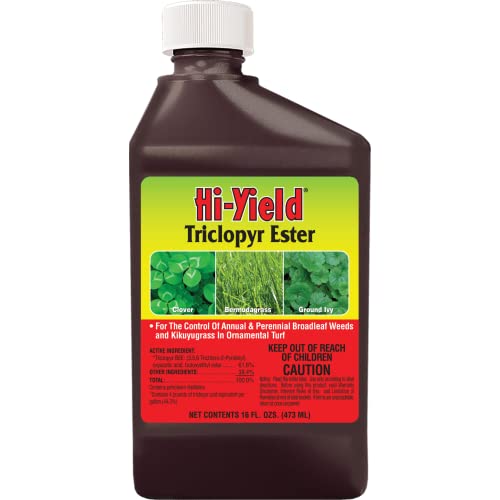
Hi-Yield (35262) Triclopyr Ester 16 oz
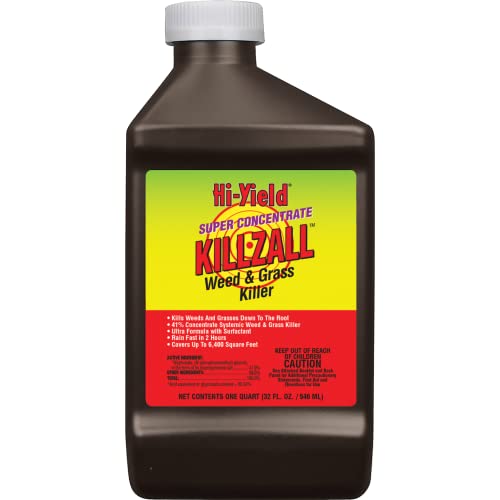
Hi-Yield (33692) Super Concentrate Killzall 32 oz
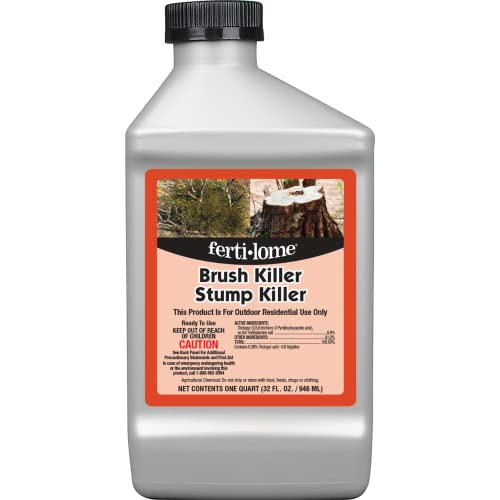
Fertilome (11485) Brush & Stump Killer 32 oz

Southern AG 01113 Brush Weed Killer 1 Quart

Roundup Poison Ivy Plus Tough Brush Killer2 32 fl. oz.
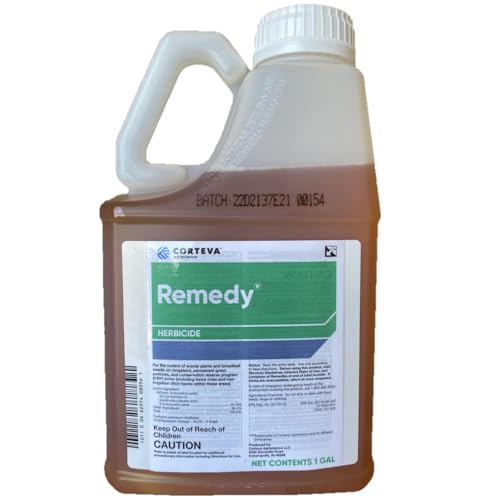
Remedy Specialty Herbicide Brush Control 1 Gallon

Roundup Pro Herbicide Industrial Weed Control 2.5 Gal.
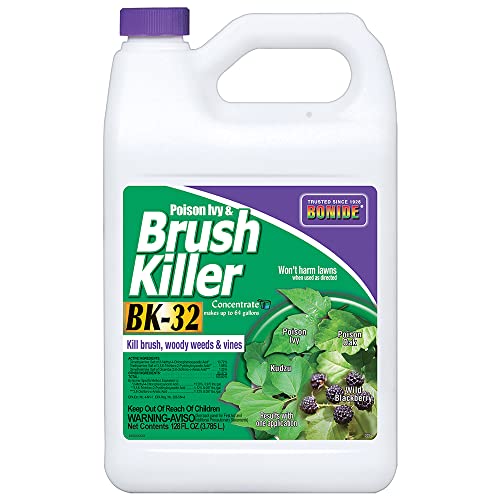
Bonide 332 Poison Ivy & Brush Killer Bk-32 128 oz
The Details Behind The Selections
The smallest bottle on this list belongs to homeowners with a focused problem rather than a sprawling one. Triclopyr is the synthetic auxin herbicide (a plant-hormone mimic that overstimulates growth until the plant collapses) at the heart of this concentrate, and the ester formulation helps it penetrate waxy leaf surfaces on tough species like wild violet and oxalis.
Tall fescue, perennial ryegrass, and perennial bluegrass lawns tolerate it when applied as directed, which is rare for a brush product. That selectivity makes this an approachable pick if you’ve hesitated to spray anything near your lawn.
Positive Points
- Triclopyr ester formulation handles hard-to-kill broadleaf weeds like wild violet that other lawn products miss.
- Safe to spray on established fescue, ryegrass, and bluegrass lawns when used as directed.
- Small 16 oz bottle is enough for spot treatments across a typical suburban lot without waste.
- Doubles as a bluegrass suppressor for areas where you want to thin existing turf.
Things To Consider
- Bahiagrass, bentgrass, bermudagrass, centipedegrass, St. Augustine, and zoysiagrass are off the label, so warm-climate lawns need a different option.
- Restricted to actively growing weeds, so dormant-season brush won’t respond.
Whose Yard It Belongs On
Cool-season homeowners in the transition zone who want brush and broadleaf cleanup without sacrificing their fescue or bluegrass.
Skip It When
Your lawn is warm-season turf, in which case the Ferti-lome Brush & Stump Killer or Bonide Poison Ivy & Brush Killer suits the chemistry better.
Where the Triclopyr Ester above stays selective, this Killzall jug is the blunt instrument. The double-surfactant formulation (surfactants are wetting agents that help the spray stick to and spread across leaf surfaces) dries fast on plant tissue and starts moving into the plant quickly, which matters when you’re clearing a quarter acre of mixed brush.
Coverage tops out around 6,400 square feet per 32-ounce bottle at standard mix rates. That’s enough for fence lines, gravel driveways, and the bare-soil perimeter around a shed, but not enough to reclaim a pasture.
Everyday Perks
- Grasses, broadleaf weeds, and woody brush all fall to the same mix, simplifying the shopping list.
- Rapid drying on foliage means rain shortly after application is less of a concern.
- 32 oz size is a manageable upgrade from quart jugs without jumping to industrial containers.
Honest Caveats
- The label bars use on any lawn, so misdirected spray kills desirable turf alongside the brush.
- Coverage is generous but capped, and you may find the bottle empty before a large property is finished.
Feature Snapshot
Made For
Homeowners clearing fence lines, gravel drives, and bare-soil areas where grass and brush can both be sacrificed.
Consider Something Else When
You want to keep lawn grasses alive around the brush, which is where the Hi-Yield Triclopyr Ester or Bonide Poison Ivy & Brush Killer are safer calls.
This is the dual-purpose concentrate for homeowners pulling out small trees and don’t want shoots popping back. The label supports two distinct uses: stump painting on freshly cut stumps and foliar spraying on brush.
The foliar mix calls for 8 oz of concentrate per gallon of water, brushed or sprayed on leaves. For stumps, the product goes on undiluted within 45 minutes of cutting, which means timing matters more than thoroughness.
Where It Delivers
- Single bottle covers both leaf-spray brush work and stump-painting applications.
- Foliar mix ratio is forgiving for homeowners mixing in a pump sprayer.
- Targets woody plants and vines that other lawn-safe products can’t reach.
Trade Offs
- The 45-minute window after cutting means you need to coordinate the chainsaw and brush in the same session.
- Storage of concentrate is shelf-stable but the product is intended for occasional, targeted work rather than recurring treatments.
Right Fit For
Homeowners removing a handful of saplings or fence-line trees each year and wanting one product for both jobs.
Not Your Match When
You’re clearing an entire pasture or need a large-volume concentrate, in which case Remedy Specialty Herbicide or Roundup Pro is the more efficient buy.
Southern AG borrows its chemistry from a commercial-grade brush killer, which is why this quart bottle shows up on farms, road right-of-ways, and rural fence rows. The 8.8% triclopyr concentration matches products that utility crews reach for, but in a backyard-friendly container.
The label opens up to non-crop areas, rangeland, pastures, and fence rows, with a 4 to 8 oz per gallon foliar spray rate for brush. Brazilian pepper, vines, and stump treatments are all on the controlled-species list.
Benefits That Matter
- Same active ingredient profile as commercial brush killers at a residential price.
- Foliar and stump applications are both supported, so one bottle handles two jobs.
- Targets woody brush species that lighter residential formulas leave behind.
Points To Keep In Mind
- Not intended for use on lawns or ornamental turf.
- Brush control on rangeland and pastures may take multiple seasons for full root kill on deep-rooted species.
Quick Facts
Best Suited To
Rural homeowners, small-acreage owners, and pasture managers in the Southeast who battle brush like Brazilian pepper and persistent vines.
A Better Fit Elsewhere
You only need a small spot-treatment bottle, in which case the Hi-Yield Triclopyr Ester or Ferti-lome Brush & Stump Killer is a tighter fit.
This Roundup concentrate is built around the dreaded three: poison ivy, poison oak, and poison sumac. The formula extends to wild blackberry, kudzu, and other tough-to-kill woody nuisances that frustrate ordinary weed killers.
Where it gets interesting is the rainfast timing. The label calls out rainproofing in as fast as 30 minutes, with visible results within hours rather than days. That’s a practical edge for climates where afternoon storms roll in unpredictably.
Key Advantages
- Targets poison ivy, oak, and sumac specifically, the three plants most homeowners want gone.
- Rapid visible response helps you confirm the mix is working before moving on.
- Rainfast window of roughly 30 minutes reduces the gamble of timing around weather.
- Replanting windows of 1 to 30 days give flexibility for follow-up planting.
Less Ideal Details
- Like most brush products, it’s not for use on lawn grasses.
- Replant intervals vary by crop, so edible garden replanting requires careful label reading.
Feature Rundown
Who Will Love This
Backyard gardeners and pet owners dealing with poison ivy encroaching from a tree line or fence row.
Reach For A Different Pick When
You’re managing acres of pasture or rangeland, where Remedy Specialty Herbicide or Roundup Pro is the more efficient buy.
Remedy steps up to gallon-jug territory, and the move makes sense for rangeland and pasture work where you measure brush in tens of acres rather than square feet. The low-odor formulation is a noticeable upgrade over traditional triclopyr esters that announce themselves for days after spraying.
The label supports standalone use or tank-mixing with other rangeland herbicides, which matters for farmers building a multi-product program. Coverage of roots and top growth makes it a full-plant control tool rather than a foliage-only treatment.
The Helpful Details
- Low-odor formula reduces neighbor complaints on open-acreage properties.
- Tank-mix compatibility supports layered brush control programs.
- Controls roots and top growth for a more permanent kill on regrowing species.
- Designed for rangeland, pasture, and fence-line maintenance where quart bottles run dry fast.
Factors To Consider
- Gallon size is overkill for small suburban lots, and partial jugs have a finite shelf life once opened.
- Application equipment needs to handle larger volumes, so a backpack sprayer isn’t the right tool.
Key Attributes
Who Should Grab It
Pasture managers, small ranchers, and acreage owners reclaiming encroaching brush along fence lines and waterways.
Look Elsewhere When
Your brush problem fits in a few back corners of a suburban yard, in which case Southern AG 01113 or Ferti-lome is a more proportionate choice.
The 2.5-gallon jug signals industrial intent before you read a word on the label. This is the post-emergent concentrate (applied after plants are already growing) built for utility rights-of-way, railroad beds, forestry sites, and roadside corridors.
Annual weeds, perennial weeds, woody brush, trees, and vines all sit inside the controlled-species list, making it the broadest-spectrum option in this lineup. The water-soluble formula mixes easily for tractor-mounted or large backpack sprayers.
Why It Works Well
- Broad-spectrum coverage across brush, vines, and tree saplings in a single product.
- 2.5-gallon size is the right unit for utility and forestry crews.
- Compatible with industrial application equipment and large tank mixes.
Where It Is Less Suited
- Far more volume than any residential project needs, with leftover concentrate storage to manage.
- Industrial label restrictions mean residential users should verify site allowances before purchase.
Key Product Details
Perfect Match For
Land managers, utility crews, and forestry operations managing rights-of-way, lots, or large restoration projects.
Swap It Out When
You’re working at residential scale, where Remedy Specialty Herbicide or Southern AG 01113 is a tighter match.
Bonide closes out the list with the largest residential jug on the table. The label covers more than 240 weeds and woody plants, including poison ivy, oak, kudzu, wild blackberry, chickweed, dandelion, clover, and thistle. That’s a deeper target list than most backyard products carry.
The grass-safe angle is the differentiator here. Bluegrass, fescues, rye, bent, bermuda, bahia, and zoysia lawns tolerate applications when used as directed, so you can spray broadleaf weeds without sacrificing your turf.
Good Reasons To Consider
- Targets a long list of brush, vines, and broadleaf weeds, including stubborn perennials.
- Doubles as a stump treatment when brushed onto freshly cut stumps undiluted.
- Safe for use across multiple common turfgrass types when label directions are followed.
- 128 oz jug keeps the cost-per-ounce low for multi-season use.
Worth Bearing In Mind
- The “safe for grass” claim applies only to the listed turf types; other ground covers are not protected.
- Owners commonly report needing repeat applications on deeply established brush.
Built With In Mind
Suburban homeowners managing mixed lawns where brush, vines, and broadleaf weeds all show up in the same week.
A Sibling Pick Shines When
You want triclopyr-based chemistry on cool-season grass, in which case the Hi-Yield Triclopyr Ester is a smaller-bottle alternative.
What Matters Most Before Choosing Herbicides To Kill Trees
Active Ingredient Chemistry
Triclopyr and glyphosate are the two workhorse chemistries in this category, and they behave very differently. Triclopyr is a synthetic auxin that mimics plant hormones and overloads broadleaf and woody species without harming most established grasses. Glyphosate is a non-selective herbicide (it kills nearly any green plant it touches) that works on almost everything green, including lawn grasses. Reach for triclopyr when brush is mixed in with desirable turf, and reach for glyphosate when total vegetation clearance is the goal.
Site Restrictions On The Label
Every label lists specific grasses, ornamentals, and crops that must be protected during application. Warm-season lawns like St. Augustine, centipede, and bahiagrass are particularly sensitive to many ester formulations. Reading the label before buying saves the cost of replacing damaged turf. Labels also distinguish between foliar spraying for living brush and stump painting for cut stumps, and the timing windows differ.
Application Form And Concentration
Concentrates offer the best cost-per-treatment, but they demand accurate measuring and a dedicated pump sprayer. Ready-to-use trigger bottles trade convenience for higher per-ounce cost. Stump treatments go on undiluted, foliar sprays dilute in water, and surfactant load (wetting agents that help spray coat waxy leaves) affects how fast the active ingredient enters the plant.
Coverage And Project Scale
Quart bottles cover spot jobs and small backyards, while gallons and 2.5-gallon containers are calibrated for multi-acre rangeland, fence rows, and rights-of-way. Buying the smallest bottle that handles your project reduces leftover concentrate storage, which matters because most herbicides have a finite shelf life once opened.
Key Considerations Across These Picks
Where Shoppers Go Wrong
The most common buying mistake is picking a non-selective herbicide for a lawn-adjacent job. Spray the wrong product on desirable turf and the only fix is reseeding. The other frequent error is skipping the label’s grass-safety list entirely, since warm-season lawns react differently than cool-season ones. Reading the label twice before mixing costs nothing and prevents a season of repair work.
The Upgrade Payoff
Higher-tier options earn their price through three honest advantages. Larger containers drop the cost-per-ounce significantly, low-odor formulations open up application windows near neighbors, and tank-mix compatibility lets a manager build layered brush programs. For small backyard spot jobs, those upgrades rarely pay back, but for pasture and acreage work, they save time and trips back to the supplier.
Frequently Asked Questions
What Is The Best Time Of Year To Apply Herbicides To Kill Trees?
Late summer through early fall is the most effective window because trees are moving carbohydrates (sugars produced by photosynthesis) down to their roots for winter storage, and that flow carries the herbicide with it.
Can Herbicides To Kill Trees Also Damage Nearby Lawns?
Non-selective herbicides like glyphosate kill grass on contact, while triclopyr-based products spare most established cool-season turf grasses when used as directed. Always check the label for grass-safety claims before spraying near desirable lawn areas.
How Long Does It Take For An Herbicide To Kill A Tree?
Surface damage often shows in days to weeks, but full root kill on established trees can take an entire growing season. Repeat applications may be needed for deep-rooted species that push back from surviving root tissue.
Are Stump Treatments Different From Foliar Sprays?
Yes. Stump treatments go on undiluted directly to freshly cut wood, while foliar sprays dilute in water and coat living leaves. Each method targets a different stage of the plant’s life cycle and a different product concentration.
Is It Safe To Use Herbicides Near Pets And Children?
Most labels require keeping people and pets out of the treated area until the spray dries completely, which can take a few hours. Some specialty formulas advertise lower odor and quicker re-entry, but always follow the specific product’s re-entry interval rather than general rules.
Bottom Line
Your project scale and grass sensitivity should drive the choice more than any single feature. Small lawns with brush call for triclopyr products like Hi-Yield Triclopyr Ester or Bonide, while acreage and pasture work justify the gallon and 2.5-gallon concentrates. Match the label to your site, and the rest falls into place.
