

Growing herbs and leafy greens at home has shifted from a niche hobby into a year-round kitchen staple. If your windowsill stays shaded or your balcony sees too much wind, a self-contained hydroponic setup keeps basil, lettuce, and cherry tomatoes on track without dealing with soil. This roundup compares eight home hydroponic systems built for indoor growing, including compact 12-pod kits, larger 17-pod gardens, and a DIY-friendly planter box.
The Essentials At A Glance
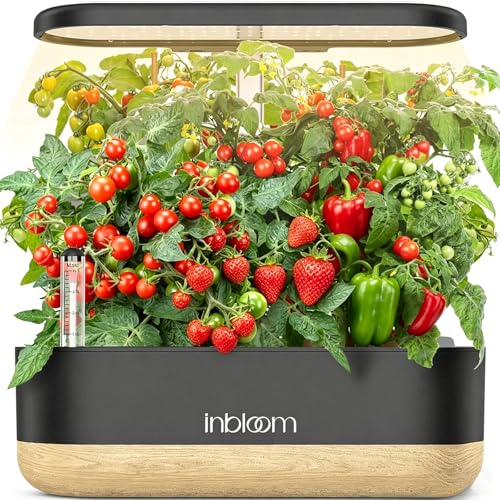
inbloom Hydroponics Growing System 12 Pods Indoor Herb Garden

Thiswing 360° Adjustable Drip Irrigation System

inbloom 12 Pods Hydroponics Growing System Kit (Black)

Aunifun DIY Self Watering Hydroponics Grower Kit

Growell 17 Pods Hydroponics Growing System with 2 Fans

Growell 17 Pods Large Indoor Garden with 2 Fans

Growell 17 Pods Hydroponics Kit with 10L Tank

iDOO 12 Pods Hydroponics Growing System with LED Grow Light
A Deeper Look At The Lineup
The inbloom 12-pod system fits neatly on a kitchen counter, making it a natural fit for apartments and condos. Its full-spectrum LED panel tilts upward as plants stretch, so basil and mint get light at the right height during their growth cycle. Compared to larger towers on this list, the footprint stays compact enough to leave room for a coffee maker.
The water shortage alarm is the practical standout: it triggers when the reservoir dips below 700ml, so plants never sit dry on a busy weekday. The one-touch light shutoff lets you darken the unit before bed without unplugging anything, and the timer resumes the cycle automatically after ten hours.
Points In Its Favor
- Low-water alarm protects plants on hectic schedules
- Height-adjustable light follows plant growth stages
- 12 pods handle a varied herb and lettuce mix
- Compact counter footprint suits smaller kitchens
- Full-spectrum LEDs reduce seasonal light worries
Honest Caveats
- Reservoir refills are frequent during summer heat
- Pods and sponges sold separately in some bundles
Quick Facts
Best Suited To
First-time indoor growers who want a countertop herb garden with built-in safeguards against missed waterings.
Consider Something Else When
Households producing salads for several people each night should consider the Growell 17-pod kit for its larger capacity.
The Thiswing drip kit breaks the mold on this list, since it sits outside the soil-free, countertop-friendly category. It targets balcony and patio growers who still want a hydroponic-style watering routine for potted tomatoes, peppers, or container herbs. Ten nozzles pivot a full 360 degrees, so you can angle each emitter toward a specific root zone without rearranging the whole layout.
The wider 5/16-inch tubing (compared with standard 1/4-inch lines) keeps flow strong all the way to the final nozzle, which matters when a single faucet feeds an entire railing garden. You can daisy-chain pots together and rely on even moisture distribution, even at the far end of the line.
A Few Highlights
- 360° adjustable nozzles for targeted root zones
- 5/16-inch tubing sustains strong flow across long runs
- Ten emitters handle medium container gardens
- Works with any standard outdoor faucet timer
Worth Noting
- Requires an outdoor water source and pressure
- Tubing may need staking in windy balcony spots
- Not a self-contained indoor growing unit
Who It Suits Best
Patio and balcony gardeners who already grow in containers and want a hands-off watering schedule through summer.
Where Another Pick Suits Better
Anyone starting fresh produce indoors should pick the inbloom 12-pod system for its plug-and-grow simplicity.
The second inbloom kit on this list trades the audible water alarm for a more streamlined black housing and a 4.2-liter water pump. It appeals to households that prefer a quieter setup where the only sounds come from a soft pump hum every few minutes. The 16-hour light cycle aims at speed: leafy greens germinate and mature faster than they would in a windowsill pot.
Compared to its sibling above, this model leans into a clean visual profile that disappears into modern kitchens. The height-adjustable post matters most once plants pass three inches and start stretching toward the light, since leggy herbs lose flavor fast.
Where It Excels
- 16-hour LED cycle encourages quick seedling growth
- 4.2L pump keeps nutrient solution circulating
- Twelve pods cover a full herb rotation
- Height-adjustable arm prevents leggy stems
Points To Note
- Pump noise may show up in very silent kitchens
- No built-in low-water alarm
Key Product Details
Right Fit For
Year-round cooks who want a steady rotation of basil, parsley, and dill without checking water levels daily.
Skip It When
Frequent travelers who forget to refill reservoirs should pick the first inbloom kit for its water alert feature.
The Aunifun kit is the closest thing on this list to a science-fair project. It comes as a bare planting box with six baskets, sponges, an aquarium air pump, a bubble stone, and a buoy indicator. You bring your own seeds, your own container for the water reservoir, and your own patience. This setup rewards people who like to assemble, tweak, and understand the plumbing underneath their plants.
For anyone who learned the term hydroponics from a YouTube deep dive, this kit lays every part out in front of you. There is no LED tower and no automatic timer; light comes from a nearby window, and watering is semi-automated through the air pump and buoy setup. The trade-off is a much lower entry cost than the plug-and-grow kits above.
What Earns Its Place
- Modular parts let you experiment with layouts
- Air pump oxygenates roots for healthier plants
- Buoy gives a visual water-level cue
- Much lower cost than enclosed grow systems
Trade-Offs To Consider
- No built-in grow light, so placement matters
- Seeds, nutrients, and reservoir sold separately
- Setup knowledge required for first-time hydroponic users
Whose Shelf It Belongs On
Tinkerers, classroom projects, and curious learners who want a low-stakes entry into the science of hydroponics.
Look Elsewhere When
Growers who want a fully enclosed, light-equipped garden should choose the Growell 17-pod kit instead.
Stepping up to 17 pods is the difference between garnishing one dinner and feeding a household. The Growell large indoor garden spreads the extra pods across a wider base, which prevents overcrowding and gives leafy greens like butterhead and romaine room to fan out. Two built-in fans circulate air across the canopy, which matters more than you might expect: stagnant air invites mold and weakens stems.
A 5.4-inch screen sits at the front of the unit, surfacing the kind of data beginners tend to second-guess (pump status, light schedule, nutrient reminders). Compared to the inbloom models reviewed earlier, this one treats the grower as a manager rather than a passive observer.
What Helps Most
- 17 pods support salads and herbs in a single run
- Dual fans reduce mold risk on dense canopies
- Front-facing display simplifies settings
- Child lock keeps settings safe from curious hands
Some Limits To Know
- Tower footprint needs dedicated counter or shelf space
- Larger water tank requires scheduled refills
Feature Snapshot
Made For
Families and committed home cooks producing several salads or pesto batches every week from a single indoor garden.
A Better Fit Elsewhere
Solo cooks in studio apartments will find the iDOO 12-pod system easier to place on a narrow counter.
This twin of the Growell 17-pod garden shows up because Growell sells near-identical units across ASINs, and the differences come down to bundled accessories rather than core capability. You still get the 5.4-inch display, dual fans, and a height-adjustable light post, but bundle inclusions may shift between listings. Either way, the experience at the canopy looks the same.
For shoppers comparing two Growell pages, the practical step is to scan what’s in the box (extra sponges, seed kits, nutrient refills) before deciding. The hydroponics system itself performs identically, so the choice usually comes down to which bundle matches your planting plans.
Benefits That Matter
- Wide display removes guesswork about settings
- Two fans keep stems sturdy through humid weeks
- Child lock stops accidental timer changes
- Compatible with common replacement sponges
Points To Keep In Mind
- Bundle contents vary between ASIN listings
- Larger unit means refills every 1-2 weeks
- Not ideal for deep shelves with low overhead clearance
Who Should Grab It
Family households that want a full-feature indoor garden and don’t mind checking both Growell listings for the right bundle.
Reach For A Different Pick When
Shoppers who already own sponges and nutrients should choose the Growell 10L-tank kit for its larger reservoir.
If you measure a hydroponic system by how often you top off the reservoir, this Growell kit pulls ahead of every other pick here. The 10-liter tank stretches refill intervals, which is the single biggest quality-of-life win for anyone growing heavy-feeding greens like kale or bok choy. The 28W full-spectrum light array pushes 102 individual diodes, covering the canopy edge to edge without hot spots.
Two fans and an adjustable-height post come standard, so the canopy breathes and the light follows plants as they stretch. The black-and-white housing reads more like a kitchen appliance than a science kit, which matters for open shelving in plain sight.
Positive Points
- 10L tank cuts refills in half versus smaller kits
- 102-LED array spreads light evenly across pods
- Two fans support airflow for dense plantings
- Auto timer runs a consistent light schedule
Practical Considerations
- Heavier than 12-pod kits when the tank is full
- Larger footprint requires counter planning
Spec Overview
Perfect Match For
Dedicated indoor gardeners harvesting lettuce, herbs, and small vegetables every week without daily monitoring.
Not Your Match When
Small kitchens with limited counter space may prefer the more compact inbloom 12-pod kit.
The iDOO kit rounds out the list as the most approachable home hydroponic system for first-time growers. The translucent water tank is the practical highlight: you can see the water level drop at a glance, with no alarm or screen required. That single design choice removes the most common beginner mistake (forgetting to refill) before it ever happens.
Twelve pods handle a reasonable herb starter set, and the LED grow light runs an automatic cycle so you don’t need to learn a single timer setting. The housing sits narrower than the 17-pod Growell units, fitting beside a toaster or coffee maker without crowding the prep zone.
Standout Benefits
- Translucent tank offers visual refill cues
- LED light runs on automatic cycles
- Twelve pods cover a balanced herb starter set
- Compact housing suits narrow counters
Things To Weigh
- Smaller reservoir means more frequent refills
- No display for advanced timing adjustments
Built With In Mind
Curious beginners who want a low-effort, visible-water system that teaches hydroponic basics without a learning curve.
Swap It Out When
Growers needing more capacity should consider the Growell 17-pod kit with the 10-liter tank for roomier harvests.
Choosing The Right Indoor Garden For Your Space
Picking a home hydroponic system comes down to three practical questions: how much counter space you can spare, how often you cook with fresh herbs, and whether you want a fully automated unit or a hands-on project. Countertop kits with 12 pods fit comfortably in apartments and dorm rooms, while 17-pod units work in kitchens with a dedicated shelf or spare island.
Pod count matters more than people expect. A 12-pod garden handles a rotation of three to four herb types at once, but a 17-pod system lets you run lettuces alongside herbs without crowding roots. For households that cook most nights, the larger capacity pays off in fewer replanting cycles.
Light cycle and spectrum are tied closely to growth speed. Full-spectrum LEDs (lights that mimic the wavelengths of natural sunlight, including red and blue bands that drive photosynthesis) encourage compact, leafy growth rather than tall, leggy stems. Built-in timers keep the 16-hour-on, 8-hour-off rhythm consistent, which matters because irregular light schedules slow germination and weaken flavor.
Reservoir size affects how often you refill. Smaller tanks (around 4L) need attention every few days in warm rooms, while 10L tanks stretch to a week or more between top-offs. Air pumps and circulation fans matter in humid kitchens, since stagnant air around dense canopies invites mold.
Key Considerations Across These Picks
Mistakes Worth Dodging
A common slip-up is choosing a system that runs out of water before anyone notices. Visual tank windows and low-water alarms exist for a reason, and skipping them usually means replanting dried-out seedlings within a month. Another trap is buying a kit with more pods than the kitchen can hold; an overstuffed counter often pushes the unit to a back shelf where it gets ignored.
When Paying More Pays Off
Higher-tier home hydroponic systems justify their cost with bigger reservoirs, stronger fans, and wider light coverage. The jump from a 12-pod starter to a 17-pod garden with a 10L tank makes sense once you start running leafy greens on a weekly cycle. The extra capacity cuts refill trips and supports denser plantings that smaller kits simply can’t sustain.
Frequently Asked Questions
Do home hydroponic systems need sunlight?
No. The LED grow lights included with these kits deliver the full spectrum plants need for photosynthesis, so a kitchen corner with no direct sun still works fine.
How often do you refill the water tank?
Most 12-pod kits need refills every 4-7 days depending on room temperature, while 10L tanks stretch to 10-14 days between top-offs under typical indoor conditions.
Can you grow vegetables or just herbs?
Lettuce, kale, bok choy, and small peppers all do well in these systems. Fruiting plants like full-sized tomatoes need more vertical clearance than most countertop kits offer.
Are seeds included with the kit?
Most kits ship with grow sponges but not seeds. You’ll need to source herb, lettuce, or vegetable seeds separately to get started.
How loud are the pumps and fans?
Water pumps produce a soft hum, and the dual fans on 17-pod kits run quieter than a small desk fan. In most kitchens, the noise fades behind normal conversation.
Bottom Line
Home hydroponic systems have matured into practical kitchen tools that fit real apartments and busy weeknights. A 12-pod kit covers most herb and lettuce needs, while a 17-pod garden with a 10L tank earns its place in households producing multiple salads a week. Match the size to your counter, your cooking habits, and your appetite for refilling.
