

Aphids cluster on your fiddle leaf fig, fungus gnats swarm every time you water, and mealybugs colonize the nodes of your prized pothos before you’ve finished your coffee. Houseplant insecticides exist to break those cycles, but the aisle of options can feel like a chemistry exam. The eight picks below cut through the noise with clear use cases, so you can match the right formula to your pest problem and your home.
An Overview Of The Picks

Hi-Yield (31228) Systemic Insect Granules, 1 lb
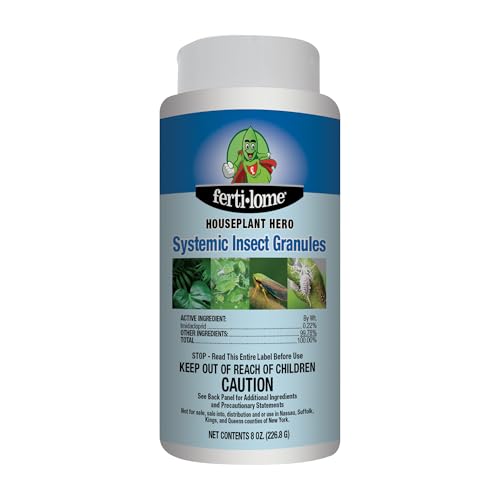
Fertilome Houseplant Hero Systemic, 8 oz

Earth’s Ally 3-in-1 Plant Spray, 32 oz

EcoVenger Garden Insect Control, 16 oz

BioAdvanced 3-in-1 Insect, Disease & Mite Control, 24 fl oz

Bonide Captain Jack’s Mite-X Houseplant Spray, 12 oz

Arber Organic Insecticide & Fungicide, 16 oz

ARBER Organic Insecticide Spray, 16 oz
The Strengths Of Each Pick
Hi-Yield Systemic Insect Granules take a different path than most picks on this list. Instead of spraying leaves, you sprinkle the granules into the soil and let the roots pull the active ingredient upward through the entire plant. For outdoor rose beds, container shrubs on a sunny patio, or any planting where re-spraying after every rain feels tedious, that root-uptake approach pays off handsomely.
Unlike the contact sprays you’ll see later in this roundup, this granular formula keeps working through the plant’s vascular system for weeks, so a single application handles pests that would normally require repeat treatments. It’s a classic “set it and forget it” approach for gardeners who want protection without constant monitoring.
Advantages To Know
- Soil application means no leaf coverage to chase, making it friendly to dense canopies where sprays miss inner foliage.
- Coverage travels through the whole plant, reaching pests that hide on leaf undersides or inside new growth tips.
- One treatment stretches across roughly two months of active growing season, freeing you from weekly re-sprays.
- Works on container plants and inground beds alike, so the same container handles roses, flowers, and shrubs.
Things To Consider
- Granules need watering in to activate, so dry beds without irrigation may underperform until rainfall arrives.
- Not the right call for edible herbs or food crops where label restrictions apply, depending on the specific crop.
Key Specs
Right Fit For
Outdoor gardeners maintaining roses, flowering shrubs, and patio containers who want set-and-forget protection without weekly spray sessions.
Swap It Out When
You keep most of your greenery indoors in pots and want a ready-to-spray option; the Fertilome Houseplant Hero Systemic fits that scenario better.
Fertilome Houseplant Hero is built for the indoor jungle: the kind of collection where pots sit on every windowsill and a fungus gnat swarm erupts the moment you overwater. The formulation uses imidacloprid at 0.22%, a systemic active (meaning the plant absorbs it and pests ingest it as they feed) applied as a soil drench, which makes it a tidy alternative to foliar sprays on plants with sticky leaves like African violets.
The label lists an impressively wide pest range, including fungus gnat larvae, mealybugs, whiteflies, and scale, so one bottle can quietly handle several problems cycling through your collection. Compared to the Hi-Yield granules above, this one is measured in teaspoons per pot, which makes dosing on a shelf of mixed container sizes much easier.
Where It Excels
- Ready-to-spray format cuts out measuring and mixing, helpful when you’re treating a dozen small pots in one pass.
- Broad pest coverage means one product covers fungus gnat larvae, mealybugs, scale, thrips, and whiteflies at the same time.
- Eight-week treatment intervals match the growing season nicely, so a few applications cover spring through early fall.
Worth Noting
- Systemic insecticides work through ingestion, so you’ll wait days for pests to stop feeding rather than seeing a knockdown effect.
- The 8 oz bottle treats many small pots but runs out fast on a large container collection, depending on pot count.
Who It Suits Best
Collectors of mixed indoor houseplants who want a single bottle to rotate across a windowsill full of pots without juggling multiple products.
Consider Something Else When
You’re battling a fast-moving spider mite outbreak and need contact kill today; Bonide Captain Jack’s Mite-X is built for that urgency.
Earth’s Ally 3-in-1 leans on a botanical oil blend (a mix of plant-derived essential oils used as the active pest-killing ingredients) to smother soft-bodied insects like aphids and whiteflies on contact. The 32 oz bottle arrives ready to spray, which makes it friendly for kitchen windowsills and bedroom shelves where mixing concentrates feels like overkill.
The “3-in-1” framing covers insects, mites, and common fungal diseases in one bottle, so you can address early powdery mildew on a calathea at the same time you tackle a mealybug cluster. For households that prefer botanical actives over synthetic chemistries, this one fits the brief without forcing you to keep three separate bottles on hand.
Where It Helps
- No mixing required, so a quick spritz becomes part of the regular watering routine rather than a project.
- Botanical oils tend to leave a more pleasant scent than synthetic pyrethrins, which matters in a small living room.
- 32 oz size covers a fair-sized indoor collection before a refill, so you’re not constantly buying replacements.
Small Caveats
- Oil-based sprays can spot sensitive leaves under direct sun, so applying in low light helps avoid leaf burn on tender ferns.
- Contact action means thorough coverage is everything, and missing the underside of a leaf leaves pests to recover.
Feature Snapshot
Best Suited To
Growers who prefer botanical ingredients and want a single spray that handles early pest outbreaks and fungal symptoms on the same plant.
Look Elsewhere When
You need to treat a heavy aphid infestation on a flowering rose outdoors; BioAdvanced 3-in-1 brings stronger contact action for tougher yard jobs.
EcoVenger Garden Insect Control is formulated for households where a curious cat sniffs every leaf or a dog patrols the herb garden. The plant-based actives target aphids, mealybugs, spider mites, fungus gnats, and their eggs on contact, so you’re not just knocking down the adults you can see but interrupting the next generation too.
For most pet parents, the appeal is straightforward: you can spray a jade plant on the floor and not stress about paw contact a few minutes later. Diluting with water per label instructions opens up the option for tender new growth, which is helpful when you’re treating a freshly propagated cutting that can’t take a full-strength drench.
Key Advantages
- Targets both adult pests and eggs, so a single round of treatment can break the reproduction cycle.
- Pet-conscious formulation eases worry about cats brushing against treated leaves on a living room floor.
- Adjustable dilution protects tender new growth, helpful during propagation or post-repot recovery.
- Suitable for indoor and outdoor use, so the same bottle handles your pothos and your patio tomato.
Points To Keep In Mind
- Contact kill still requires hitting the pest directly, so clustered mealybugs in a node may need a follow-up spray a week later.
- Plant-based actives sometimes act slower than synthetic options, so patience matters during the first few days.
Quick Facts
Made For
Pet owners and parents who want a botanical-friendly spray they can use on accessible floor plants without holding their breath after application.
Not Your Match When
You’re dealing with deep root-zone pests like fungus gnat larvae in heavy infestations; Fertilome Houseplant Hero Systemic reaches those through the soil.
BioAdvanced 3-in-1 Insect, Disease & Plant Mite Control earns its name by stacking three problems into one bottle: listed insects, listed fungal diseases, and plant mites. If your rose bushes are battling black spot while Japanese beetles chew the buds and spider mites stipple the inner leaves, this formula is built to handle all three on a single spray pass.
Compared to the gentler botanical options like Earth’s Ally, this one brings stronger curative firepower for outdoor flowering plants, trees, and shrubs. The 24 fl oz bottle covers a fair amount of foliage before running dry, depending on how densely you spray.
A Few Highlights
- Triple-action formula trims the shelf list down to one bottle for roses, ornamentals, and shrubs.
- Tackles mites alongside chewing and sucking insects, which most basic sprays leave behind.
- Useful on listed fungal issues like black spot and rust, so a single treatment can address multiple visible symptoms.
Honest Caveats
- Stronger chemistry makes it better suited to outdoor use rather than a kitchen windowsill, depending on ventilation.
- Always confirm your specific plant is on the label before spraying, since some ornamentals show sensitivity.
Who Should Grab It
Yard-care homeowners managing roses, flowering shrubs, and small trees who face overlapping pest and disease pressure through the growing season.
A Better Fit Elsewhere
You want a softer botanical approach for edible herbs on a sunny balcony; the Arber Organic Insecticide & Fungicide fits that brief.
Bonide Captain Jack’s Mite-X is built around a single mission: killing mites, aphids, thrips, and other small listed insects on contact. The botanical blend draws on cottonseed, clove, and garlic extracts, so it lands in the gentler category of sprays rather than the heavy synthetic chemistry camp.
For spider mite outbreaks, where one week of warm dry air can turn a calathea into a stippled mess, contact action is the whole point. This is the bottle you want when you can actually see webbing or moving specks and want to stop the damage today rather than waiting for a systemic to work through the plant.
A Strong Showing
- Targeted mite control makes it a focused tool rather than a do-everything bottle, which simplifies your rotation.
- Botanical extract base feels more comfortable to use in living spaces than harsher synthetic sprays.
- Safe on herbs, ornamentals, and interior plants per label, so the same bottle handles kitchen and living room pots.
A Few Limitations
- The 12 oz bottle goes faster than larger formats during a heavy outbreak, since mites often require multiple passes.
- Doesn’t address root-zone pests, so pairing with a soil-applied product may be necessary for full coverage.
Perfect Match For
Indoor growers who spot the early signs of spider mites on tropical foliage and want a contact spray designed to act on visible pests right away.
Reach For A Different Pick When
You’d rather treat the soil once and forget about leaf coverage for weeks; Fertilome Houseplant Hero Systemic suits that hands-off approach.
Arber Organic Insecticide & Fungicide pulls double duty by addressing both chewing or sap-sucking pests and leaf disease in a single bottle. The bio-based concentrate coats leaves and soil zones to disrupt pest life cycles while also suppressing powdery mildew growth, which makes it useful on houseplants, veggies, roses, and shrubs at the same time.
For gardeners managing a mixed setup, like a windowsill of succulents alongside a small raised bed of tomatoes, having one concentrate that handles both ends of the problem streamlines the routine. Compared to the synthetic strength of BioAdvanced above, this leans organic, but it still covers more than a pure pest-only spray.
A Favorable Mix
- Combined insecticide and fungicide action reduces the need to rotate two separate products during outbreaks.
- Bio-based formula appeals to organic-leaning gardeners without sacrificing multi-pest coverage.
- Useful across houseplants, edibles, and ornamentals, which simplifies shopping for diverse collections.
Potential Drawbacks
- Concentrate format requires measuring and mixing before each spray, less convenient than ready-to-use options.
- As a concentrate, you may find a small bottle goes faster than expected across a wide plant range.
Built With In Mind
Multi-zone gardeners tending both indoor pots and outdoor beds who want a single organic-leaning bottle to handle overlapping pest and mildew problems.
Where A Sibling Pick Shines
You prefer grab-and-spray convenience over concentrate mixing; Earth’s Ally 3-in-1 Plant Spray arrives ready to use straight from the bottle.
ARBER Organic Insecticide Spray is the daily-driver choice for routine preventative care. The liquid biological concentrate targets fungus gnats, aphids, whiteflies, mealybugs, and spider mites on contact, then keeps working by disrupting pest life cycles in the soil and foliage.
Spraying at the first sign of pests on a houseplant or a garden bed tends to be the use case described most often, since early intervention is where contact sprays deliver the strongest return. For someone who likes a regular weekly routine, this one fits comfortably into a Sunday watering schedule without special handling.
What Works In Its Favor
- Contact kill plus ongoing life-cycle disruption means early use can prevent a small problem from becoming a colony.
- Liquid concentrate format dilutes easily for routine preventative sprays, depending on your application volume.
- Safe across indoor and outdoor use, so the same bottle covers windowsills, patios, and vegetable beds.
Things To Weigh
- Concentrate requires measuring, so it’s slightly less grab-and-go than a ready-to-spray competitor like Earth’s Ally 3-in-1.
- Routine preventative use assumes you catch issues early; heavily established infestations may need a stronger contact option.
Feature Rundown
Whose Shelf It Belongs On
Plant parents who already keep a regular watering and inspection routine and want a biological concentrate to fold into weekly preventative care.
Skip It When
You’d rather not measure concentrates at all and want a spray bottle ready to go; Bonide Captain Jack’s Mite-X is sized for grab-and-go mite control.
What Matters Most Before Choosing Houseplant Insecticides
The first decision point is the pest itself. Soft-bodied insects like aphids, mealybugs, and whiteflies typically respond well to contact sprays, while root-zone pests such as fungus gnat larvae call for a soil-applied systemic. Matching the formula to the pest saves you from rotating three products to solve one problem.
Indoor versus outdoor placement changes the chemistry conversation entirely. Botanical oils and plant-based actives tend to feel more comfortable in enclosed rooms, while stronger synthetic options like BioAdvanced 3-in-1 are better suited to well-ventilated outdoor beds and trees. Pet and child access matters too; if a cat brushes against treated leaves, look for formulations labeled for use around animals.
Finally, think about effort. Granular systemics like Hi-Yield need watering in but last for weeks, while ready-to-spray bottles like Earth’s Ally 3-in-1 offer instant convenience at the cost of more frequent application. Your watering schedule, plant count, and tolerance for measuring concentrates all tilt the balance one way or the other.
Key Considerations Across These Picks
Mistakes Worth Dodging
A common slip is grabbing the strongest synthetic bottle for a tender houseplant on a windowsill, then watching leaves curl under the chemistry. Reading the label for your specific plant species prevents that surprise. Another pitfall is treating only the leaves when the real problem lives in the soil; fungus gnat larvae will keep emerging until a soil-applied product reaches them.
When Paying More Pays Off
The higher-tier options in this category typically bring broader pest coverage, longer intervals between applications, or dual insect-and-disease action in one bottle. The upgrade pays off when you manage a large mixed collection, face overlapping pest and fungal problems, or simply value fewer treatments per season. For a single windowsill pothos, a basic ready-to-spray often does the job at lower cost.
Frequently Asked Questions
Are houseplant insecticides safe around pets and children?
Botanical and plant-based formulas tend to carry fewer cautions than synthetic chemistries, but every label lists specific guidance. Reading the product label before each use, keeping treated plants out of reach until dry, and ventilating the room after spraying are sensible habits regardless of formulation.
How often should houseplant insecticides be applied?
Application intervals depend on the product. Soil-applied systemics like Hi-Yield and Fertilome Houseplant Hero often last roughly eight weeks, while contact sprays may need reapplication every seven to ten days during an active infestation. Always follow the label schedule for the specific product you choose.
Can I use the same product indoors and outdoors?
Many of the picks in this roundup are labeled for both indoor and outdoor use, including Earth’s Ally 3-in-1, EcoVenger, and Bonide Captain Jack’s Mite-X. Confirm the label lists your specific plant before spraying, since some ornamentals react differently than edibles or shrubs.
Do houseplant insecticides expire?
Most liquid concentrates and ready-to-spray bottles have a shelf life printed on the packaging. Storing them in a cool, dry place away from direct sunlight typically preserves potency through the printed date.
Will houseplant insecticides kill beneficial insects too?
Contact sprays can affect any insect they hit, including pollinators visiting outdoor blooms. Apply in the early morning or evening when bees are less active, and avoid spraying open flowers directly when possible.
Closing Remarks
The right houseplant insecticide depends less on a single “best” formula and more on matching the pest, the plant, and your tolerance for repeat treatments. Whether you reach for a long-lasting granular, a soil-drench systemic, or a botanical contact spray, treating early and reading the label go further than any specific bottle choice.
