

Aphids turn a quiet garden into a sticky mess in days, and most folks want a control method that won’t rough up their tomatoes or worry the kids and pets wandering through the yard. Insecticidal soaps handle soft-bodied pests by contact, breaking down quickly so the harvest stays edible and the roses keep blooming. The eight picks below cover everything from a single infested windowsill pothos to a backyard full of fruit trees that need steady protection through the growing season.
The Essentials At A Glance
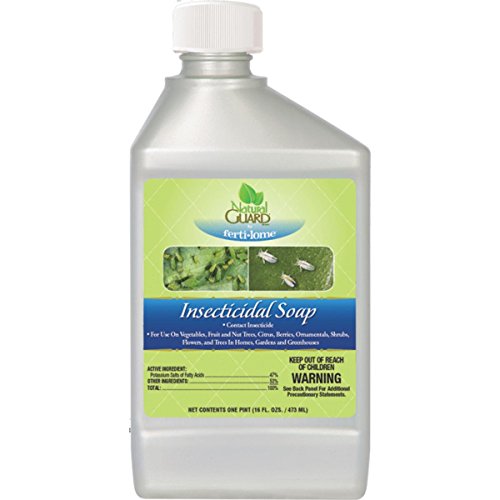
VPG Fertilome Natural Guard Insecticidal Soap

Fertilome Spinosad Soap Insecticide 16 oz

Earth’s Ally 3-in-1 Plant Spray 32 oz

EcoVenger Garden Insect Control 16 oz

BioAdvanced 3-in-1 Insect and Mite Control 24 fl oz

Bonide Captain Jack’s Mite-X Houseplant Spray 12 oz

ARBER Organic Insecticide Spray 16 oz

BioAdvanced Tree & Shrub Insect Killer 32 oz
The Strengths Of Each Pick
VPG Fertilome Natural Guard Insecticidal Soap sits at the top of the list because it handles the broadest spread of garden settings without much fuss. The potassium-salt-based mix targets soft-bodied pests on contact, which makes it practical for weekend growers who spray in the evening and harvest within a day or two.
You can carry the same bottle from the greenhouse bench to the tomato row, then shift to the fruit trees without swapping products. For a household running a mixed backyard, that single-bottle convenience removes a small but real chore from the routine.
Standout Benefits
- Covers aphids, lace bugs, mites, leafhoppers, and earwigs in one formula
- Safe for fruit trees, vegetables, nut trees, and ornamentals in the same week
- Works inside greenhouses and outdoor beds, reducing the need for separate products
- Gentle on plant foliage when used as directed, even on tender herbs
Worth Noting
- Contact-only action means thorough leaf coverage is required to reach hidden colonies under leaves
- Bottle measurements can be tricky to gauge without a dedicated sprayer for larger trees
Right Fit For
Backyard gardeners juggling vegetables, berries, and ornamentals who want one dependable soap that moves between beds without constant recalibration.
Consider Something Else When
Households managing indoor-heavy infestations on windowsill herbs may prefer the smaller Bonide Captain Jack’s Mite-X for tighter reach and easier indoor spraying.
Fertilome Spinosad Soap Insecticide steps in when a basic soap feels outmatched by an active outdoor pest roster. The spinosad component (a soil-derived bacterial ferment) extends reach beyond typical soft-bodied targets, pulling in caterpillars, beetles, borers, and fruit flies that often ride alongside aphid outbreaks.
This is the bottle you reach for when rose bushes, vegetable rows, and citrus share a yard and each one is hosting a different uninvited guest. The 16 oz size handles most suburban lots without forcing a midseason refill, which is helpful during a heavy summer push.
Benefits That Matter
- Targets adelgids, armyworms, borers, and Colorado potato beetles in addition to aphids
- Suitable for vegetables, trees, shrubs, flowers, and citrus in one product
- Outdoor-formulated for stronger performance against chewing and sucking pests
- 16 oz bottle covers multiple applications across a small orchard or large garden
Trade Offs
- Not the right pick for strictly indoor houseplants where a lighter botanical spray suffices
- Stronger chemistry means careful label review before use around pollinator-friendly plants
Who It Suits Best
Suburban growers managing diverse outdoor infestations across edible and ornamental beds who need a single bottle to cover a long pest list.
Look Elsewhere When
Growers focused on indoor shelves and small patio containers will find Earth’s Ally 3-in-1 Plant Spray easier to handle and gentler for limited-space use.
Earth’s Ally 3-in-1 Plant Spray trades harsher chemistry for a botanical oil blend that pulls double duty against pests and common plant diseases. The 32 oz bottle is a generous fit for households spraying weekly through the warm months, covering windowsills, balconies, and small beds.
Unlike the heavier Fertilome Spinosad above, this one is designed to move comfortably between indoor and outdoor use. The ready-to-use format means no measuring cups on the kitchen counter, which suits busy households where convenience shapes the routine.
The Upside
- Botanical essential-oil blend controls soft-bodied insects and common plant diseases together
- Ready-to-use format skips mixing, reducing spills and measurement errors
- Suitable for houseplants, herbs, and outdoor containers without separate bottles
- 32 oz size supports frequent preventative sprays through the season
Some Limits To Know
- Essential-oil blends can leave a temporary scent on leaves used for cooking
- Less aggressive against tougher chewing pests that the Fertilome Spinosad handles
Best Suited To
Households with mixed indoor and outdoor collections, including edible herbs, who prefer a botanical approach that handles light aphid pressure plus early disease signs.
Swap It Out When
Outdoor gardeners battling heavy infestations across fruit trees should turn to BioAdvanced Tree & Shrub Insect Killer for faster coverage at height.
EcoVenger Garden Insect Control earns its spot when pets and small children share space with the plants. The plant-based formula targets aphids, mealybugs, spider mites, and fungus gnats, including the eggs that often survive a quick spray and restart the cycle a week later.
For indoor jungle owners, this bottle replaces the usual rotation of single-purpose sprays. The 16 oz size fits a kitchen drawer, and the formula works on most mature foliage without burning, though delicate new growth may call for dilution.
Useful Touches
- Plant-based formula designed with children and pets in mind
- Targets adults and eggs together, reducing repeat outbreaks
- Effective on aphids, mealybugs, spider mites, and fungus gnats in one bottle
- Usable indoors and outdoors, simplifying the shelf lineup
Points To Note
- New growth and delicate leaves may need dilution before full-strength application
- Smaller 16 oz bottle requires more frequent restocking for large yards
Who Should Grab It
Pet owners and parents managing indoor plants plus small outdoor beds who want broad coverage without worrying about curious animals after application.
Where Another Pick Suits Better
Vegetable gardeners running larger outdoor plots may prefer Fertilome Spinosad Soap Insecticide for stronger outdoor reach.
BioAdvanced 3-in-1 Insect and Mite Control handles three jobs in a single pass: listed insects, listed diseases, and plant mites. That overlap matters on flowering shrubs where aphids, powdery mildew, and rust tend to arrive in the same week, often on the same branch.
The 24 fl oz bottle fits a standard pump sprayer and covers several mid-sized shrubs per fill. Compared to the all-purpose VPG Fertilome at the top of the list, this one leans into combined pest and disease control, which is helpful during humid stretches when fungi ride alongside sucking insects.
A Few Highlights
- Insect, mite, and disease defense in a single ready-to-spray bottle
- Targets aphids, whiteflies, Japanese beetles, and listed mites together
- Covers black spot, powdery mildew, and rust on listed ornamentals
- Useful on flowering plants, trees, and shrubs in one routine
Honest Caveats
- Not formulated for edible vegetable use, limiting flexibility for kitchen gardens
- Spray pattern works best with full leaf coverage, which is time-consuming on dense shrubs
Made For
Homeowners with established flowering shrubs, rose beds, and ornamental trees dealing with combined pest and disease pressure during humid seasons.
Skip It When
Edible garden growers should choose VPG Fertilome Natural Guard Insecticidal Soap for vegetable-safe coverage instead.
Bonide Captain Jack’s Mite-X Houseplant Spray lives in the small bottle category, which fits indoor routines where a single pothos or windowsill herb needs a quick rescue. The botanical blend pulls from cottonseed, clove, and garlic extracts, giving it a kitchen-friendly ingredient profile compared to harsher outdoor formulas.
Where the larger EcoVenger bottle handles whole-room infestations, this 12 oz size suits one or two plants at a time. It’s the kind of spray you keep near the watering can for spot treatments during the weekly check-in.
What Works In Its Favor
- Botanical cottonseed, clove, and garlic extract blend for indoor-friendly use
- Targets mites, aphids, thrips, and other listed insects on contact
- Sized for herbs, spices, ornamentals, and interior plant collections
- Compact 12 oz bottle fits kitchen drawers and small gardening kits
Points To Note
- Smaller bottle means more frequent replacement for collections beyond a few plants
- Strong botanical scent lingers briefly in enclosed rooms after application
Whose Shelf It Belongs On
Apartment dwellers and indoor herb growers with a handful of plants who want a small, kitchen-friendly bottle for spot aphid and mite control.
A Better Fit Elsewhere
Homeowners with both indoor shelves and outdoor beds will find Earth’s Ally 3-in-1 Plant Spray a more versatile pick across multiple plant types.
ARBER Organic Insecticide Spray is built around biological active ingredients in a liquid concentrate that penetrates foliage and soil. The formulation targets aphids, whiteflies, mealybugs, fungus gnats, and spider mites, then supports plant recovery so leaves bounce back greener.
Unlike the ready-to-use Earth’s Ally above, this is a concentrate format, which means measuring and mixing before each pass. The trade-off pays off when you want larger coverage from a smaller bottle, and the organic profile suits edible crops where certification matters.
A Strong Showing
- Biological active ingredients fit organic gardening programs
- Liquid concentrate format stretches a single 16 oz bottle across many applications
- Penetrates foliage and soil to disrupt multiple pest life stages
- Suitable for indoor and outdoor use on edibles and ornamentals
Small Caveats
- Concentrate format requires measuring cups and mixing time before each spray
- Mixing ratios vary by pest, which adds a learning curve for first-time users
Perfect Match For
Organic-focused vegetable gardeners and houseplant collectors comfortable mixing concentrates who want a multi-pest biological approach in one bottle.
Not Your Match When
Growers wanting grab-and-spray simplicity will find the ready-to-use VPG Fertilome Natural Guard Insecticidal Soap easier to deploy without preparation.
BioAdvanced Tree & Shrub Insect Killer rounds out the list with a hose-end ready format designed for the kind of plants that need ladders to reach. The 32 oz bottle covers full-sized trees and tall shrubs without constant refilling, which makes the routine practical for anyone managing mature landscape plantings.
Compared to the indoor-focused Bonide Mite-X, this one trades plant-shelf scale for yard coverage. A single application targets listed insects on contact and keeps working on the foliage for an extended window, helpful during peak summer pest pressure.
Noteworthy Benefits
- Hose-end ready format reaches high branches without ladders or pump sprayers
- Targets aphids, Japanese beetles, caterpillars, leafhoppers, and whiteflies
- 32 oz bottle covers large trees and multiple shrubs in one fill
- Extended protection window after a single application
A Few Limitations
- Outdoor-only formula limits flexibility for indoor plant collections
- Hose-end application requires a connected outdoor tap during use
Built With In Mind
Homeowners with established landscape trees, ornamental shrubs, and tall hedges who want efficient coverage at height without manual pumping.
Reach For A Different Pick When
Houseplant-focused growers will get more value from the smaller Bonide Captain Jack’s Mite-X Houseplant Spray for indoor-only routines.
What To Weigh Before Choosing Insecticidal Soaps For Aphids
Pest Profile And Garden Type
Aphids rarely arrive alone, so matching a soap to the broader pest roster matters. A simple potassium-salt soap like VPG Fertilome Natural Guard handles aphid-only outbreaks on mixed vegetables, while a spinosad-enhanced formula like Fertilome Spinosad Soap Insecticide reaches caterpillars and beetles that often follow. Indoor herb shelves call for botanical blends such as Earth’s Ally or Bonide Mite-X, where scent and ingredient profile stay gentle around food crops.
Indoor Versus Outdoor Use
Coverage area changes the calculus more than most shoppers expect. Indoor plants need smaller bottles with ready-to-spray nozzles, since pump sprayers and hose ends rarely fit a windowsill routine. Outdoor trees and shrubs benefit from hose-end formats like BioAdvanced Tree & Shrub Insect Killer, where ladder-free coverage saves real time. Picking the wrong scale often leads to half-used bottles or oversprayed leaves.
Plant Tolerance And Edible Crops
Edible crops narrow the field quickly. Vegetable-safe options include VPG Fertilome Natural Guard, Earth’s Ally, and ARBER Organic Insecticide, while ornamentals-only products like BioAdvanced 3-in-1 stay off the harvest list. Tender herbs and seedlings tolerate gentle botanical oils better than stronger salt-based soaps, so dilution tolerance is worth checking on the label before the first application.
Reapplication And Life Cycle Coverage
Aphids reproduce fast, and contact-only soaps miss the eggs tucked under leaf veins. Formulas like EcoVenger that target adults and eggs together reduce the number of repeat sprays needed. For heavy infestations, expect two to three applications spaced five to seven days apart, regardless of which bottle you choose.
Key Considerations Across These Picks
Pitfalls Shoppers Hit
The most common mistake is treating insecticidal soap like a systemic pesticide. These products work on contact, so undersides of leaves, new growth, and stem joints all need direct coverage to break an infestation. Skipping those spots leaves a colony that rebounds within days. Another frequent slip is spraying in direct midday sun, which can scorch wet leaves, especially on tender herbs and seedlings. Late evening or early morning gives the soap time to work before evaporation sets in.
When Paying More Pays Off
Higher-tier formulas typically bundle broader pest ranges, longer protection windows, or organic-certified ingredients. The Fertilome Spinosad and BioAdvanced Tree & Shrub options cost more upfront, but they replace multiple single-purpose bottles and cut down repeat applications. For households managing large yards or mixed pest pressure, that consolidation usually pays for itself within a single growing season.
Frequently Asked Questions
How Do Insecticidal Soaps Actually Kill Aphids?
Insecticidal soaps break down the soft outer coating on aphids, causing them to dehydrate on contact. They don’t linger in plant tissue, which makes them a practical fit for edible gardens when applied according to label directions.
Are Insecticidal Soaps Safe Around Pets And Children?
Plant-based formulas like EcoVenger and Earth’s Ally are designed with households in mind, though any spray should dry before pets or kids re-enter the area. Always check the specific product label for reentry timing and ventilation notes.
How Often Should Insecticidal Soap Be Reapplied?
Most soaps need reapplication every five to seven days during active infestations, sometimes more often after rain. Tracking egg-hatch cycles helps, since one spray rarely catches every generation at once.
Can Insecticidal Soaps Burn Plant Leaves?
Yes, particularly on tender herbs, seedlings, and plants under heat stress. Spraying in shade, diluting when directed, and avoiding midday sun all reduce the chance of leaf scorch.
Should Insecticidal Soap Be Used Before Or After Watering?
Apply after watering so leaves are dry, then hold off on overhead watering for at least 24 hours. Wet foliage dilutes the soap and reduces contact with the pests it’s meant to target.
Closing Thoughts
Aphids rarely give gardeners much warning, so having the right bottle on the shelf matters more than chasing the strongest formula. Match the spray to your setting, your edible crops, and the pests you actually see, and the rest of the season usually settles into a calm routine.
