

Yellow jackets turn a peaceful afternoon into a stinging nightmare the moment someone steps near an underground nest. Choosing the right dust makes the difference between a calm weekend and a call to the local pest service. This guide walks through eight dust treatments built for ground nests, wall voids, and the stubborn spots where yellow jackets and similar pests set up camp, helping you match the right formula to your yard and your comfort level.
The Leading Options At A Glance

Rockwell Labs Cimexa Insecticide Dust 4oz

STEM Kills Wasps, Hornets and Yellow Jackets 10 fl oz
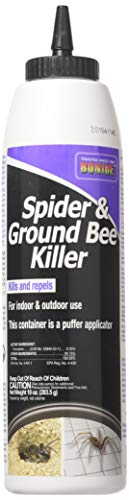
Bonide 363 Spider and Ground Bee Killer 2-Pack

GARDENTECH Dust Bug Killer Carbaryl 1 Lb.

Spectracide Carpenter Bee & Yellowjacket Killer 12 Pk

Bonide 363 Spider And Ground Bee Killer 10 oz.
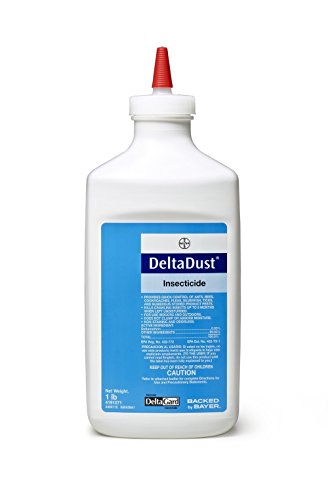
Delta Dust Pest Insecticide 1 LB w/Puffer

Revenge Spider & Ground Bee Killer 10 oz Dust
Cimexa uses amorphous silica gel, a desiccant (a drying agent that pulls moisture from an insect’s waxy outer coating) rather than a traditional nerve agent, which sets it apart from the pyrethroid options later in this list. That makes it a thoughtful pick for homeowners wary of stronger chemicals, especially in wall voids, attic spaces, or other enclosed areas where pets or children might eventually brush against treated surfaces. The product is odorless and non-staining, so application feels closer to housekeeping than pest control.
For yellow jacket work specifically, Cimexa fits best when the colony is tucked inside a structure rather than out in open soil. Ground nests that see rain, irrigation, or heavy foot traffic may wash the dust away before it does its job, so reaching for a dedicated ground nest product like Bonide 363 makes more sense in those cases. Here, the long undisturbed shelf life, claimed at up to a decade in sealed voids, becomes the real selling point.
Everyday Advantages
- Silica gel base avoids harsh chemical odors during application.
- Non-staining formula keeps walls, trim, and fabrics clean.
- Long residual window in undisturbed voids reduces repeat treatments.
- Comes in a compact 4oz canister sized for spot jobs.
Worth Noting
- Performance against yellow jackets in exposed outdoor soil is less proven than for indoor crawling insects.
- Requires a separate duster for precise application, adding a small accessory cost.
Key Product Details
Who It Suits Best
Homeowners with yellow jacket activity inside wall voids, behind siding, or in other enclosed structural cavities who want a low-odor, long-residual solution.
Skip It When
You face a wide-open ground nest in loose dirt. The Spectracide Carpenter Bee and Yellowjacket Killer foaming aerosol handles exposed burrows more directly.
STEM swaps the usual pyrethroid chemistry (synthetic insecticides modeled on natural chrysanthemum compounds) for botanical extracts, which lands it in a category of its own on this list. It comes as a liquid spray rather than a true dust, but it earns its place here because it directly targets yellow jackets and similar wasps. The fresh scent and absence of harsh chemical odor make it appealing for households that treat near patios, dog runs, or kids’ play sets.
Application is straightforward point-and-spray. You may find it less convenient for deep ground nests that demand a directed stream down a burrow opening. For above-ground wasp paper nests, exposed eaves, and porch overhangs, though, it covers the common trouble spots without the dread factor of stronger insecticides. Think of it as the gentler member of this lineup, well suited for quick daytime perimeter work.
Noteworthy Benefits
- Botanical active ingredient appeals to pet households and cautious shoppers.
- Fresh scent replaces harsh chemical odor during treatment.
- Targets yellow jackets alongside hornets and paper wasps in one spray.
- Liquid format suits porch overhangs and exposed nest surfaces.
Trade-Offs
- Spray format offers less reach into deep underground galleries than a puffer dust.
- May require closer approach distance, raising sting risk for hesitant users.
Made For
Pet owners and families who prefer botanical ingredients and need to clear aerial wasp nests around outdoor living spaces without strong chemical smell.
A Better Fit Elsewhere
You are battling a stubborn ground nest with a single deep entrance. Bonide 363 Spider and Ground Bee Killer with its snorkel applicator reaches farther down burrows.
The Bonide 363 formula is built around 0.25 percent permethrin dust, a synthetic pyrethroid (a class of fast-acting insecticides that disrupt insect nervous systems), which gives it the fast knockdown profile most homeowners want from a yellow jacket treatment. What really sets this two-pack apart is the included snorkel tube applicator, letting you deliver dust several inches into a burrow without kneeling on top of the entrance. That extra reach makes a real difference when the nest runs deep.
Because it ships as a pair of 10oz canisters, you have a backup ready for a second mound or a follow-up application later in the season. Owners commonly rotate this with the single-can Bonide 363 (item 6) when they want one dedicated treatment and a separate stash for emergencies. It is also listed for indoor cracks and crevices, which broadens its usefulness beyond just the yard.
Useful Strengths
- Snorkel applicator delivers dust deep into burrow openings.
- Two-can pack covers multiple mounds or a follow-up treatment.
- Labeled for both indoor cracks and outdoor ground nests.
- Permethrin dust acts fast on contact with crawling insects.
Things To Consider
- Permethrin is a synthetic chemical, so it may not suit shoppers seeking botanical alternatives like the STEM spray.
- Requires careful application at dusk for safety around active yellow jackets.
Best Suited To
Homeowners dealing with multiple ground nests in a single season who want applicator reach and the comfort of a backup canister on hand.
Look Elsewhere When
You only need a single small treatment. The single-can Bonide 363 Spider and Ground Bee Killer is sized more sensibly for one-off jobs.
GARDENTECH takes a different angle. Its 5 percent carbaryl dust (carbaryl belongs to the carbamate family of insecticides, which break down faster in soil than some pyrethroids) is marketed as a multi-insect garden dust that handles far more than yellow jackets. The shaker canister design lets you broadcast dust over vegetable beds, lawn edges, and ornamental plantings, which suits gardeners who want one product for many chewing pests at once.
For yellow jacket ground nests, this works best when you have a wide surface to cover, such as a slope with several smaller entrances or a garden bed where activity spans a larger area. You may find the canister a bit clumsy to aim precisely down a single deep burrow compared with the Bonide snorkel applicator. Treat it as the broad-coverage option for gardeners rather than the precision burrow tool.
What Pays Off
- Listed for over 65 insects, reducing the need for multiple products.
- Approved for vegetables, fruits, ornamentals, and lawns.
- Shaker canister makes broadcast application over garden beds simple.
- One-pound size covers large yard areas in a single purchase.
Room For Improvement
- Less targeted than a snorkel or puffer duster for deep single-entrance nests.
- Carbamate chemistry raises considerations for households avoiding stronger insecticides.
Feature Snapshot
Right Fit For
Vegetable gardeners and homeowners managing several pest species across large outdoor areas who want a single, broad-spectrum dust treatment.
Reach For A Different Pick When
Your priority is a precise shot deep into a single yellow jacket burrow. Delta Dust Pest Insecticide with its puffer bellow delivers more directed placement.
The Spectracide product is a foaming aerosol, technically not a dust, but it is one of the more interesting entries because of how the foam behaves. Once sprayed into a hole, the foam expands into the galleries where insects live and travel, coating more surface area than a flat dust cloud could. An included extension tube lets you reach into tunnels without leaning in close, which matters when angry yellow jackets are defending the nest.
This 12-pack format suits property managers, landscapers, or anyone running a small pest control side business who treats multiple nests in a season. The foam is engineered so that returning bees and wasps carry the active ingredient deeper into the colony, spreading the treatment organically. For single-use homeowners, the bulk format may be more product than you need, depending on how often yellow jackets return.
Useful Highlights
- Expanding foam fills tunnel voids that flat sprays cannot reach.
- Extension tube keeps you at a safer standoff distance.
- Foam transfer behavior spreads treatment through nest-mate contact.
- Bulk 12-pack format fits multi-season or multi-site use.
Honest Caveats
- Aerosol cans require proper disposal and storage away from heat sources.
- Larger pack size may be overkill for a one-time single-nest problem.
Perfect Match For
Property caretakers and frequent users who treat several yellow jacket or carpenter bee nests across a season and want a delivery format that expands into hidden galleries.
Swap It Out When
You only need to handle one or two nests in a backyard. The Bonide 363 single canister is a more proportionate purchase for occasional jobs.
The single-can Bonide 363 carries the same 0.25 percent permethrin dust formula as the two-pack reviewed earlier, just without the snorkel applicator upgrade. For shoppers who want the same chemistry in a smaller commitment, this format keeps things simple. It works as both a perimeter treatment around the home’s foundation and as a targeted dust on outdoor ground nests.
Without the snorkel attachment, you will need to lean closer or improvise with your own applicator for the deepest burrows. That makes this a stronger pick for shallow nests, cracks along baseboards, or spot work in attics and crawl spaces. In those scenarios, the smaller volume and lower waste feel like a smarter match than committing to a two-pack up front.
What Works In Its Favor
- Same trusted permethrin dust formula as the multi-pack option.
- Listed for cracks, crevices, and baseboards indoors.
- 10oz size fits one-off yard treatments without leftover waste.
- Works on spiders, ants, roaches, and wasps beyond yellow jackets.
Things To Weigh
- No snorkel tube means less reach into deep burrow entrances.
- Permethrin chemistry may not suit households preferring botanical options like the STEM spray.
Technical Highlights
Who Should Grab It
Homeowners dealing with a single nest or a season of light indoor and outdoor pest activity who do not need applicator accessories.
Where Another Pick Suits Better
You want the applicator upgrade out of the box. The Bonide 363 two-pack reviewed earlier ships with the snorkel tube included.
Delta Dust uses deltamethrin, a widely used pyrethroid known for its long residual activity on inert surfaces. The claim of up to eight months of effectiveness when left undisturbed positions this as a set-it-and-forget-it option for attic spaces, wall voids, and crawl areas where yellow jacket foragers sometimes enter and exit. The dust does not clump or absorb moisture readily, so it stays workable in the puffer bellow even after sitting in storage.
The included puffer bellow is a genuine upgrade over a plain shaker can. You squeeze the bellow to puff a controlled cloud of dust into voids, burrow openings, or behind outlet covers, which gives you better aim than the Bonide or GARDENTECH canisters. For above-ground yellow jacket nests or exposed paper hives, this works less well, so consider it the structural and ground-burrow specialist of the lineup.
Bright Spots
- Deltamethrin base provides long residual control in undisturbed voids.
- Puffer bellow improves aim compared with shaker-style canisters.
- Non-clumping formula keeps the duster working smoothly over time.
- One-pound supply covers many treatment points around a property.
Less-Strong Areas
- Requires careful technique with the bellow to avoid over-application.
- Less effective on exposed aerial nests than foam-based options like Spectracide.
Core Details
Built With In Mind
Homeowners with persistent yellow jacket traffic entering wall voids, attics, or crawl spaces who want long residual control and a dedicated applicator in the kit.
Consider Something Else When
You are primarily fighting aerial paper nests under eaves. The STEM botanical spray or the Spectracide foaming aerosol targets those nests more directly.
Revenge closes out the list with a practical 10oz ready-to-use dust treatment that aims at the same multi-insect crowd as Bonide 363, including ants, spiders, wasps, and hornets. The included applicator cap is a thoughtful touch, helping you guide dust into cracks, baseboards, and small burrow openings without buying a separate tool. For homeowners who want one product on the shelf for a variety of pests, it earns a legitimate spot.
For pure yellow jacket ground nest work, this lands somewhere between the Bonide single can and the more specialized Delta Dust kit. It does not bundle a snorkel tube like the Bonide two-pack, and it lacks the long residual claim of Delta Dust. What it offers instead is flexibility across indoor and outdoor surfaces, which makes it a sensible companion product to keep alongside a more targeted yellow jacket treatment.
Good Reasons To Consider
- Applicator cap simplifies directional dust delivery.
- Listed for indoor and outdoor use across many surfaces.
- Targets spiders, wasps, hornets, ants, and more in one canister.
- Compact 10oz size suits single-job or starter treatments.
Worth Bearing In Mind
- Reach into deep burrows is more limited than snorkel-equipped options.
- May not match the long residual profile of Delta Dust in protected voids.
Whose Shelf It Belongs On
Homeowners who want one flexible dust on hand for yellow jackets plus other common pests around baseboards, garages, and yard edges.
A Better Fit Elsewhere
You are tackling a serious structural void problem with long residual needs. Delta Dust Pest Insecticide is built specifically for that scenario.
Choosing The Right Dust For Your Nest Situation
Picking an insecticide dust for yellow jackets comes down to matching the delivery format to where the colony lives. Ground nests call for dusts that reach deep, while wall voids and attic spaces reward long residual products that stay effective for months. Underground yellow jackets travel through tunnels, so anything that only treats the surface entrance will underperform, which is why applicator reach matters so much.
For most homeowners with a single backyard nest, a permethrin or deltamethrin dust with a snorkel or bellow applicator strikes the right balance of effectiveness and safety. Households with pets or small children may lean toward botanical sprays or silica gel products that avoid stronger synthetic chemistry. Always treat nests at dusk when foragers return and the colony is calmer, and wear long sleeves and closed shoes even with the gentlest formulas.
Key Considerations Across These Picks
Common Shopping Slip Ups
One frequent misstep is buying a shaker canister and expecting deep burrow penetration from gravity alone. Powder dropped on top of an entrance often blows away or gets rained into the soil before reaching workers. Another mistake is choosing the largest pack available when a single 10oz canister would cover a season just as well. Match the product size and applicator to the actual scale of the problem.
What The Higher Tier Buys
Premium kits in this category, including the Delta Dust puffer and Spectracide foam aerosol, pay for applicator engineering rather than just more chemical. A bellow or extension tube improves aim and reach, which translates into fewer retreatments and less wasted product. If you treat nests every season, that upgrade pays for itself in time and accuracy, while one-off users can comfortably stay with the simpler shaker formats.
Frequently Asked Questions
When is the best time to apply insecticide dust to a yellow jacket nest?
Dusk or after dark is ideal because most foragers have returned and the colony is calmer, which reduces aggressive defensive behavior.
Can insecticide dust reach deep underground nests?
Dusts paired with snorkel tubes or bellow dusters, like the Bonide 363 or Delta Dust, reach several inches into burrows, but very deep colonies may still require professional extraction.
Are botanical sprays effective on yellow jackets?
Plant-based sprays such as the STEM formula work well on exposed aerial nests where contact is direct, though they may underperform deep inside structural voids.
How long does residual dust stay effective indoors?
Deltamethrin products like Delta Dust can remain active for up to eight months in undisturbed voids, while silica gel options like Cimexa may last even longer when sealed from disturbance.
Is it safe to use insecticide dust around pets and children?
Botanical sprays and silica gel dusts present the lowest chemical exposure, but all products should be applied according to label directions and kept away from direct pet or child contact until settled.
Closing Remarks
The best insecticide dust for yellow jackets is the one that fits your nest location, your comfort with chemicals, and the size of the job in front of you. Ground burrows call for applicator-equipped permethrin or deltamethrin products, while wall voids reward long-residual options, and exposed aerial nests respond well to botanical sprays or foaming aerosols. Match the format to the scenario, apply at dusk, and your backyard will be calm again before you know it.
