

A fine web of yellowing leaves, tiny specks moving on the underside of foliage, and houseplants that looked healthy last week suddenly looking tired: that is the classic welcome mat for spider mites. These near-microscopic pests thrive in warm, dry conditions and reproduce fast enough to overwhelm a windowsill herb garden or a backyard rose bed in days. Choosing the right miticide turns a slow decline into a manageable cleanup.
The eight products below span botanical oils, systemic granules, pyrethrin-based knockouts, and enzyme-driven formulas. Whether you keep a few indoor pots or manage a larger vegetable plot, one of these belongs in your shed.
The Lineup, Simplified

Grower’s Ally Crop Defender 3 Concentrate, 24 Oz

Earth’s Ally 3-in-1 Plant Spray, 32 Oz

NATRIA Insect, Disease and Mite Control, 24 oz

Eliminator Natural Insecticide and Fungicide Concentrate

BioAdvanced 3-in-1 Insect, Disease, and Plant Mite Control, 24 fl oz
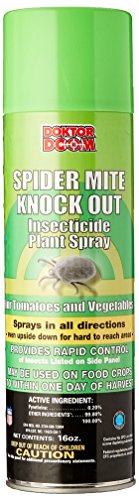
Doktor Doom Spider Mite Knockout, 16-Ounce

Bonide Systemic Houseplant Insect Control, 8 oz Granules

Bonide Captain Jack’s Rose Rx 4-in-1 Spray, 32 oz
The Picks, Examined More Closely
Grower’s Ally Crop Defender 3 Concentrate is built for growers who treat pest pressure as a recurring event rather than a one-off crisis. The blend pairs botanical oils with a built-in surfactant (a wetting agent that helps the spray spread evenly across waxy leaves), and the formula pulls triple duty as a miticide, insecticide, and fungicide. That trifecta matters in humid greenhouses where powdery mildew and spider mites often arrive together.
Because it ships as a concentrate in an 8, 32, or 128 fl oz bottle, you control the dilution, which keeps the per-application cost reasonable across a full growing season. Regular weekly spraying is the intended rhythm, so gardeners with predictable schedules tend to get the most out of it.
Where It Helps
- Targets mites, aphids, thrips, and their eggs on contact, so two passes often break the reproductive cycle
- Three-in-one formulation replaces a separate fungicide bottle on the shelf
- Botanical-oil base suits growers who avoid synthetic chemicals on edibles
- Larger 32 oz bottle dilutes into multiple gallons of finished spray
- Built-in surfactant improves leaf coverage without a separate sticker-spreader purchase
Points To Note
- Requires weekly commitment; missed applications let populations rebound quickly
- Needs mixing and a dedicated pump sprayer, unlike ready-to-use options
Best Suited To
Garden growers managing weekly IPM (integrated pest management, a routine of monitoring and treating before problems explode) schedules on vegetables, herbs, or ornamentals.
Skip It When
Reach for Earth’s Ally 3-in-1 Plant Spray instead, since casual houseplant owners who want zero mixing will find that ready-to-use bottle far easier.
Earth’s Ally 3-in-1 Plant Spray earns its spot as the lowest-friction option on this list. The bottle arrives ready to spray, so there is no measuring, no guessing on dilution ratios, and no separate sprayer to clean afterward. For someone keeping a handful of houseplants on a kitchen shelf, that convenience is the entire point.
The active side relies on a synergistic blend of essential oils (multiple plant-derived oils working together for broader effect) aimed at soft-bodied insects and common fungal issues. Indoor use is the natural fit, though it works just as well on patio containers and balcony herbs.
The Practical Payoff
- No mixing required, which removes the most common user error for beginners
- Safe formulation profile for indoor air quality concerns
- Works against mites, aphids, whiteflies, and powdery mildew in one bottle
- 32 oz size covers a season of weekly spot treatments on small collections
Worth Noting
- Pre-diluted formula runs out faster on larger outdoor jobs
- Essential-oil scent lingers briefly in enclosed rooms
- Less economical than concentrates when treating many plants
Made For
Apartment dwellers and first-time plant owners who want grab-and-go pest control without measuring cups.
Consider Something Else When
Pick Grower’s Ally Crop Defender 3 instead, since larger outdoor gardens quickly outgrow this ready-to-use format and benefit from the concentrate’s economy.
NATRIA’s ready-to-use spray covers a longer pest list than most household formulas. Beyond mites and spider mites, the label addresses stink bugs, fruit flies, crickets, earwigs, caterpillars, and whiteflies, which makes it a versatile middle-of-the-road option for gardeners who face different intruders each season.
The fungicide side tackles blackspot, powdery mildew, rust, and leaf spot, which keeps rose bushes and flowering shrubs looking cleaner through humid stretches. Application is straightforward: point, squeeze, and cover the leaf surfaces.
Strong Points
- Broad insect spectrum reduces the need to keep multiple bottles on hand
- Listed for use on roses, flowers, shrubs, houseplants, and edible herbs and vegetables
- Targets multiple fungal diseases that often accompany mite outbreaks
- Ready-to-use sprayer cuts setup time to zero
Trade Offs
- Wider pest coverage sometimes means slower knockdown on a single heavy infestation
- 24 oz bottle runs out faster than concentrate alternatives on big yards
Right Fit For
Mixed gardeners tending roses, herbs, and shrubs who want one bottle to address whatever shows up that month.
A Better Fit Elsewhere
Severe, focused spider mite outbreaks call for Doktor Doom Spider Mite Knockout, which brings stronger pyrethrin muscle to the problem.
The Amazing Doctor Zymes Eliminator stands apart for one big reason: it skips oils entirely. That oil-free design means no risk of phytotoxicity (leaf burn caused by the spray itself) on sensitive foliage under intense grow lights, which is why it shows up in greenhouses and indoor cultivation spaces where residue and plant damage are constant worries.
The formula leans on naturally derived enzymes and ships in concentrate sizes ranging from 32 oz up to 5 gallons. Larger operations benefit most from the bulk options; homeowners can start with the 32 oz concentrate and dilute as needed.
A Strong Showing
- Oil-free profile prevents leaf burn on heat-stressed or light-stressed plants
- Leaves no visible residue on foliage after drying
- Enzyme-based action targets mites, aphids, whiteflies, fungus gnats, and mildew
- Concentrate sizes scale from small grows to commercial greenhouses
Small Caveats
- Higher upfront cost than oil-based concentrates at the home-garden scale
- Requires accurate dilution; undermixing reduces effectiveness
- Less common in retail stores, so reordering means planning ahead
Who Should Grab It
Growers running enclosed environments, hydroponic setups, or greenhouses where oil residues and leaf burn are real risks.
Look Elsewhere When
Casual backyard gardeners are better served by Grower’s Ally Crop Defender 3, which costs less and ships in smaller, friendlier sizes.
BioAdvanced’s 3-in-1 formula pulls triple duty on flowering plants, trees, and shrubs, with a particular focus on the disease pressure that plagues roses. Black spot, powdery mildew, and rust all fall within its labeled range, which is why many gardeners reach for it during the wet spring stretches when fungal problems explode.
The insect side covers Japanese beetles, aphids, and whiteflies, alongside plant mites. One application handles what usually takes two or three separate products, which simplifies the routine for busy gardeners.
Standout Benefits
- Single application replaces separate insecticide, miticide, and fungicide bottles
- Targets black spot and rust, two stubborn rose diseases, alongside pest control
- Effective against Japanese beetles, a notorious backyard pest
- 24 fl oz size suits medium landscaping projects without committing to bulk
Honest Caveats
- Stronger chemistry profile may not suit organic-only gardeners
- Pre-diluted format costs more per gallon than concentrates
Whose Shelf It Belongs On
Homeowners managing rose beds, foundation plantings, and ornamental shrubs who want one bottle that handles most seasonal threats.
Swap It Out When
Organic-focused gardeners should reach for Bonide Captain Jack’s Rose Rx 4-in-1 Spray, which uses cold-pressed neem for a plant-based approach.
Doktor Doom Spider Mite Knockout is the heavy hitter on this list. The formula carries a high concentration of pyrethrin, a naturally derived insecticide extracted from chrysanthemum flowers, which delivers faster knockdown on active infestations than most botanical oils. When you spot webbing and stippled leaves today, this is the bottle that responds today.
The 16-ounce size is compact enough to keep on a shelf without dominating storage, and the product is labeled for use on food crops up to one day before harvest. Indoor and outdoor use both fall within the label.
Good Reasons To Consider
- High pyrethrin concentration delivers quick knockdown on heavy infestations
- Targets aphids, spider mites, whiteflies, leafhoppers, and Japanese beetles
- Approved for food crops with a short pre-harvest interval
- Compact 16-ounce bottle stores easily in garden sheds
Things To Consider
- Pyrethrin can affect beneficial insects, so timing matters in pollinator gardens
- Smaller bottle means frequent repurchasing on larger properties
- Stronger odor during application than oil-based alternatives
Who Will Love This
Experienced gardeners facing confirmed, severe spider mite outbreaks who need decisive knockdown before plants deteriorate further.
Reach For A Different Pick When
Preventive maintenance on healthy plants is better handled by Grower’s Ally Crop Defender 3, which fits a routine rather than an emergency.
Bonide’s Systemic Houseplant Insect Control takes a fundamentally different approach from sprays. The granules are sprinkled into the soil of containerized plants, and the active ingredient is taken up through the roots and distributed throughout the plant tissue. Insects feeding on the plant ingest the protection from within.
Protection lasts up to eight weeks per application, which makes this the lowest-effort option in the lineup. For someone with a jungle of indoor pots who hates weekly spraying routines, that kind of longevity is a real quality-of-life upgrade.
What Pays Off
- Eight-week protection means far fewer reapplications than sprays
- Low-odor formula suits indoor air-quality concerns
- Reaches pests hiding on leaf undersides that sprays miss
- Works on containerized plants both indoors and outdoors
Factors To Consider
- Systemic action affects any insect feeding on the plant, including pollinators visiting blooms
- Takes time to move through the plant, so it is not an emergency solution
- Less suitable for edible herbs where systemic uptake is a concern for some gardeners
Built With In Mind
Indoor plant collectors managing dozens of potted plants who want set-and-forget protection rather than spray schedules.
Not Your Match When
Edible herb gardeners should turn to Bonide Captain Jack’s Rose Rx 4-in-1 Spray, which stays on the leaf surface and breaks down quickly.
Bonide Captain Jack’s Rose Rx closes the list with a neem-based formula that earns its organic-gardening credentials. The active ingredient is cold-pressed neem oil (extracted without heat to preserve its natural compounds), which works as a biological fungicide, insecticide, miticide, and nematicide (a treatment that controls harmful nematodes, tiny soil-dwelling roundworms). Four roles in one bottle covers a lot of ground.
The 32 oz ready-to-use format skips the measuring step, which makes it approachable for gardeners who want organic results without the math. Roses, vegetables, and ornamentals all fall within the label.
Everyday Wins
- Cold-pressed neem stays compliant with most organic gardening standards
- Four-in-one coverage handles insects, mites, fungal issues, and nematodes
- Ready-to-use bottle removes dilution guesswork
- Plant-based ingredients break down quickly in the environment
Things To Weigh
- Neem has a distinctive sulfur-like odor during and shortly after application
- Slower action than pyrethrin-based products on severe infestations
- Requires thorough leaf coverage, including undersides, to work fully
Perfect Match For
Organic gardeners, rose enthusiasts, and anyone growing edibles who wants a plant-derived miticide they can trust on food crops.
Where Another Pick Suits Better
Greenhouses and indoor grow tents with intense lighting are a better match for Eliminator Natural Insecticide, which avoids oil-based phytotoxicity entirely.
What Matters When Choosing Insecticides For Spider Mites
Spider mites are not actual insects; they are arachnids, which is why some products labeled “insecticide” still work on them and others miss the mark. Knowing the active ingredient category helps you predict results before you ever open the bottle.
Match the Formula to Your Setting
Indoor collections of houseplants benefit from ready-to-use sprays with low odor and short re-entry intervals, which is why Earth’s Ally and NATRIA feel right at home on a windowsill. Outdoor vegetable plots handle concentrates better, because the larger plant volume justifies mixing a full pump sprayer. Greenhouse growers, especially under high-intensity lights, lean toward oil-free formulas to avoid leaf burn.
Consider Your Tolerance for Mixing and Reapplying
Ready-to-use bottles trade economy for convenience. Concentrates cost less per finished gallon but require measuring cups, a dedicated sprayer, and a willingness to mix on a schedule. Systemic granules like Bonide’s push the trade-off further: less frequent application, but slower onset and a different safety profile around edibles.
Plan Around Beneficial Insects
Outdoor gardens with pollinator activity need careful timing. Pyrethrin-based products like Doktor Doom’s Knockout deliver fast results but affect bees and other helpful visitors. Spraying at dusk, when pollinators are less active, reduces collateral impact. Neem and oil-based formulas offer softer profiles but still warrant thoughtful timing.
Match Coverage to Plant Volume
A single windowsill herb garden needs ounces per treatment, while a backyard rose bed needs gallons. The 8 oz concentrate bottle is plenty for indoor collections, but a 32 oz concentrate or larger pays off quickly when you measure treatments by the gallon rather than the ounce.
What To Watch Before You Buy
Pitfalls Shoppers Hit
The most common mistake is waiting until webbing covers the leaves before reaching for a miticide. Spider mite populations explode in warm, dry conditions, and by the time damage is visible, the colony has been multiplying for weeks. Early intervention, ideally at the first sign of stippling on leaf surfaces, dramatically improves results. Another frequent error is spraying only the top of the foliage. Mites cluster on leaf undersides, so coverage from below matters as much as coverage from above.
The Case For Spending Up
Higher-tier miticides earn their price through longer residual action, broader pest coverage, or gentler profiles on sensitive plants. A concentrate like Grower’s Ally Crop Defender 3 dilutes into multiple gallons, which drops the per-treatment cost well below ready-to-use alternatives once you have a few plants to cover. Enzyme-based formulas like Eliminator cost more upfront but prevent the leaf-burn damage that oils cause on delicate crops. For gardeners managing anything beyond a handful of pots, the upgrade pays off within a season.
Frequently Asked Questions
How do spider mites differ from regular garden insects?
Spider mites are arachnids, closer relatives to spiders than to aphids or caterpillars. That biological difference is why some insecticides miss them entirely and why miticide-specific formulas exist. Most multi-purpose sprays on this list address both.
Can I use these products on edible vegetables and herbs?
Several picks on this list are labeled for edible use, including Doktor Doom Spider Mite Knockout with a short pre-harvest interval and Bonide Captain Jack’s Rose Rx with its neem base. Always check the specific product label before spraying anything you plan to eat.
How often should I spray to control a mite outbreak?
Most botanical and oil-based formulas call for reapplication every 5 to 7 days during active infestations, often for 2 to 3 weeks, to catch mites that survived the first pass and hatched from eggs afterward. Systemic granules work differently, with protection lasting several weeks per application.
Will these sprays harm bees and other beneficial insects?
Pyrethrin-based products like Doktor Doom’s formula affect beneficial insects on contact. Oil-based and neem-based sprays are gentler but still warrant careful timing. Spraying at dusk, when pollinators are less active, reduces risk across all categories.
What conditions make spider mite outbreaks worse?
Hot, dry, and dusty environments accelerate spider mite reproduction. Indoor heating in winter, drought-stressed outdoor plants, and dust-covered foliage all raise the risk. Raising humidity and rinsing dust off leaves periodically helps prevent infestations before they start.
Bottom Line
Spider mites reward consistency. Whichever bottle you pick from this list, commit to the full treatment schedule, cover leaf undersides, and act at the first sign of stippling rather than waiting for visible webbing. The right miticide plus a steady routine beats the strongest chemistry applied too late.
