

A thirsty lawn and a busy calendar don’t mix. WiFi-equipped irrigation controllers solve that quiet weekly frustration: the one where you meant to water the beds, forgot to, and watched the petunias sulk by Saturday. The eight picks below cover everything from a quick hose-tap upgrade to a full multi-zone brain, so you can stop second-guessing your sprinkler schedule.
The Main Contenders

Rain Bird ESP-TM2 8 Station WiFi Ready Controller
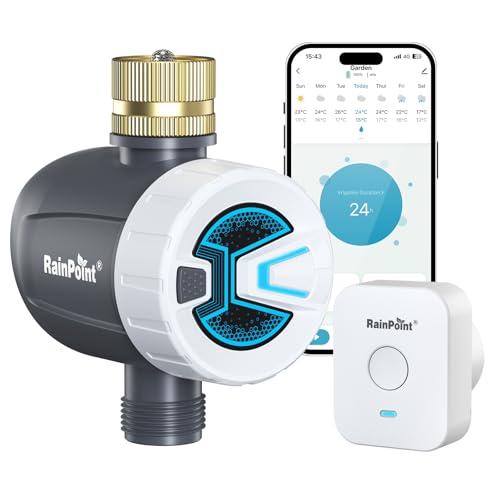
RAINPOINT WiFi Water Timer with Brass Inlet
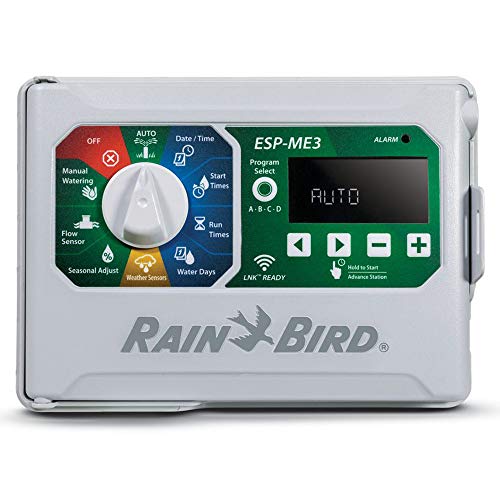
Rain Bird ESP-ME3 4 Station WiFi Ready Controller

Orbit B-hyve XR 16-Zone Smart Sprinkler Timer

Rain Bird ARC8 Smart WiFi Sprinkler Controller

Rain Bird TRU6I WiFi Ready 6-Zone Controller

Rain Bird TRU4I WiFi Ready 4-Zone Controller

Rain Bird ARC6 Smart WiFi Indoor Controller
Inside Each Recommended Option
The Rain Bird ESP-TM2 lands first because it handles the most common yard scenario without fuss: eight separate zones, indoor or outdoor mounting, and WiFi capability when you add the matching LNK module. Think of it as the dependable starting point for a typical suburban lot with mixed lawn, beds, and a drip line.
A back-lit LCD screen helps when you’re squinting at the wall on a sunny afternoon, and a six-foot outdoor-rated power cord removes the need for an extension cord in most installs. In our view, this is the controller a first-time upgrader can wire, program, and actually leave alone without second thoughts.
What It Does Well
- Eight-zone capacity fits most medium yards without expansion modules.
- Add a WiFi module later to retrofit smart features without replacing the unit.
- Flexible indoor or outdoor mounting covers garage, shed, or exterior wall installs.
- Back-lit display stays readable in direct sunlight and low light.
- Contractor Default feature saves a baseline schedule for fast seasonal tweaks.
Points To Note
- WiFi is not built in; you purchase the LNK module separately.
- Scheduling interface leans toward pros, so newcomers may need patience during first setup.
- Plastic enclosure can yellow in harsh sun over several seasons.
Feature Snapshot
Who Should Grab It
Homeowners with a medium residential yard who want a proven controller they can expand later with WiFi capability.
Skip It When
The Rain Bird ARC8 suits you better if app-first scheduling and built-in WiFi matter more than future expandability.
Skip the wiring project. The RAINPOINT timer screws onto an outdoor hose bibb and turns a dumb faucet into a scheduled watering source. It uses 2.4GHz WiFi along with Bluetooth, and pairs with the TUYA app for remote start, stop, and schedule tweaks.
A single hub supports up to four timers, so you can scale up across the yard without buying a separate controller for each faucet. Compared to the wired ESP-TM2, this one is the smarter pick for renters or anyone without an existing valve manifold. The brass inlet adds a reassuring weight on the faucet.
Where It Helps
- Brass inlet feels sturdier than all-plastic hose timers in cold weather.
- One hub runs up to four timers, covering multiple hose stations.
- Bluetooth plus 2.4GHz WiFi gives you local pairing and remote app control.
- Ideal for renters or apartments where you cannot hardwire a controller.
Trade-Offs To Consider
- Limited to one zone per timer; not a fit for multi-zone manifolds.
- 2.4GHz-only WiFi rules out dual-band routers running 5GHz-only mode.
- Battery-powered units require fresh cells each season for reliable scheduling.
Made For
Apartment balconies, small patios, or renters who want app-controlled watering without touching electrical wiring.
Where Another Pick Suits Better
Stick with the Rain Bird ESP-TM2 instead if you already have an underground valve system and need more than one or two zones.
The ESP-ME3 starts at four zones but climbs to twenty-two with plug-in modules, so the chassis you install today can serve a yard you redesign tomorrow. Where the ESP-TM2 caps at eight, the ME3 trades initial cost for headroom.
Modules slide in without powering down the unit, which keeps the irrigation schedule running during expansion. Adding the LNK WiFi module unlocks EPA WaterSense certification and remote app control for anyone ready to upgrade. A solid pick if your landscape plans are still evolving.
The Case For It
- Station count grows from 4 up to 22 with snap-in modules.
- Hot-swappable modules mean no downtime when adding zones.
- Designed for both residential and light commercial properties.
- Programmable with optional WaterSense-certified smart features.
Small Caveats
- Higher upfront cost than simpler four-zone units.
- Module expansion is sold separately, which adds to total project cost.
Quick Facts
Best Suited To
Homeowners with evolving landscape plans who want to start small and grow a system over several seasons.
Consider Something Else When
Choose the Orbit B-hyve XR if you already need sixteen zones today and want WiFi built in from the start.
Sixteen zones in a single weatherproof box, plus built-in WiFi. The Orbit B-hyve XR is the pick for a property with multiple lawn sections, drip beds, and maybe a vegetable plot. The XR designation adds outdoor ruggedness for exposed installs.
Compared to the Rain Bird ARC8’s eight zones, the B-hyve XR doubles capacity without requiring expansion modules. App control is the primary interface, and the controller handles custom programs for mixed plant types. A practical choice for acreage-style suburban lots and small estates.
Good Reasons To Consider
- Sixteen zones cover large or complex properties in one chassis.
- Built-in WiFi means no extra module purchase.
- Weatherproof housing suits outdoor wall mounting without a separate cabinet.
- Custom programs support varied watering needs across zones.
Factors To Consider
- Overkill for yards with fewer than eight zones.
- App-first design means limited on-device controls if WiFi drops.
- Larger footprint than compact residential units.
Spec Overview
Who Will Love This
Homeowners with sizable properties or complex landscapes who want one unit handling every zone without expansion modules.
Look Elsewhere When
The Rain Bird ESP-TM2 is a better match for a basic suburban yard that does not need sixteen zones out of the gate.
The Rain Bird ARC8 leans fully into the app-first experience. Eight zones, built-in WiFi, and EPA WaterSense certification mean the controller handles its own weather-based adjustments once you share local conditions through the app. Compared to the ESP-TM2, this one trades the LCD-first interface for a phone-centric workflow.
Sharing access with family members or a lawn care pro is a tap away, which is useful if someone else waters while you travel. Voice compatibility adds hands-free control for households already running a smart speaker ecosystem. A nice step up for someone ready to ditch the dial-and-button routine.
Real Benefits
- Built-in WiFi removes the need for an add-on module.
- EPA WaterSense certification supports water-conscious scheduling.
- Multi-user app access helps families and maintenance crews coordinate.
- Voice assistant compatibility keeps manual button presses to a minimum.
Less Ideal Details
- Heavier reliance on app means less useful without a working WiFi connection.
- Eight-zone ceiling, with no modular expansion path.
At A Glance
Perfect Match For
Smart-home households who prefer app and voice control over physical dials and want EPA-recognized water savings.
Not Your Match When
The Orbit B-hyve XR is a better fit if you need sixteen zones or more from a single controller today.
The Rain Bird TRU6I is built for a garage wall, not an exposed fence post. It targets indoor installs where a homeowner wants program-based flexibility without paying for outdoor-rated hardware. Think of it as the dependable middle ground for a six-zone residential layout.
Program-based scheduling lets you set different run plans for lawn, beds, and a drip zone, which is the main reason it earns a spot over a simpler four-zone controller. WiFi readiness means you can step into app control later without buying a new unit. A nice fit for a tidy suburban yard with a clear watering plan.
Points In Its Favor
- Six zones cover typical small-to-medium residential layouts.
- Program-based scheduling supports distinct run plans per zone type.
- Indoor-rated design suits clean, dry garage installs.
- WiFi module add-on path keeps smart control as an upgrade option.
Worth Bearing In Mind
- Indoor-only rating rules out direct exterior wall mounting.
- WiFi module is sold separately, adding to overall project cost.
Right Fit For
Suburban homeowners with a garage-friendly install and a six-zone yard that needs separate watering programs.
Reach For A Different Pick When
The Rain Bird ARC6 fits better if you want built-in WiFi without the upgrade-module step.
The TRU4I is the four-zone sibling to the TRU6I, built for a compact lot with straightforward zones. Front lawn, back lawn, a bed, and a drip line cover most small yards, and this controller handles that exact list without paying for capacity you will not use.
Indoor rating keeps the cost lower than outdoor-rated hardware, and the program-based interface is friendlier than a dial-driven timer once you have more than two zones. Compared to the ARC6, you give up built-in WiFi in exchange for a lower entry point. A quiet, sensible fit for newer homeowners.
The Good Stuff
- Four zones suit compact suburban lots without excess capacity.
- Program-based scheduling supports simple but separate run plans.
- Indoor rating keeps pricing accessible.
- Optional WiFi module lets you step into smart features later.
Honest Caveats
- Not enough zones for properties with complex or expanding landscapes.
- Indoor-only housing limits installation locations.
Whose Shelf It Belongs On
First-time homeowners with a tidy four-zone yard who want reliable scheduling without overspending.
A Better Fit Elsewhere
The Rain Bird ESP-ME3 is the smarter long-term pick if you might add zones within a year or two.
The ARC6 brings app-first scheduling into a six-zone, indoor-only format for homeowners who like controlling everything from a phone. EPA WaterSense certification adds a layer of confidence for anyone conscious about water usage in drier regions.
Unlike the TRU6I, which waits for an add-on module, the ARC6 ships with WiFi baked in. The trade-off is the indoor housing, which means it belongs on a garage wall, not an exposed fence. A clean final pick for the tech-comfortable homeowner.
Useful Highlights
- Built-in WiFi means no extra module purchase.
- Six zones suit medium residential layouts.
- EPA WaterSense certification supports local water-saving rebate programs.
- Voice assistant compatibility for hands-free control.
A Few Limitations
- Indoor-only housing rules out direct exterior mounting.
- App-first design loses features when WiFi drops out.
- Six-zone ceiling, with no expansion modules.
Built With In Mind
Tech-comfortable homeowners with an indoor mounting spot who want built-in WiFi and an app-first workflow.
Swap It Out When
The Rain Bird ARC8 is the better match if you need eight zones and want the same app-first experience.
What To Weigh Before Choosing A WiFi Irrigation Controller
Zone Count And Future Plans
Count the number of valve wires in your irrigation manifold before anything else. A “zone” is the term for one independently controlled section of pipe, typically one sprinkler line or a drip loop. Buying a controller that matches today’s zone count keeps cost sensible, but leaving one or two zones of headroom avoids an upgrade next spring. The Rain Bird ESP-ME3 addresses this directly with modular expansion up to twenty-two zones, while the Orbit B-hyve XR simply ships with sixteen zones already on board.
Wired Versus Hose-Tap Setups
Hose-tap timers like the RAINPOINT attach to a standard outdoor faucet and avoid any electrical work, which renters and apartment dwellers appreciate. Hardwired controllers replace an existing indoor or outdoor timer box and serve permanent irrigation manifolds. Pick the format that matches your plumbing reality, not the format with the flashiest app, since a hose-tap unit cannot control buried valves and a hardwired unit cannot help a single balcony planter.
Indoor Versus Outdoor Housing
Outdoor-rated enclosures handle direct sun, rain, and freeze-thaw cycles without extra protection. Indoor-rated controllers cost less and suit garage or shed installs where the wall stays dry. Mounting outside an indoor-rated unit is a common shortcut that tends to shorten its service life, especially in regions with intense summer sun.
App Experience And Voice Compatibility
App-first controllers such as the Rain Bird ARC8 and ARC6, plus the Orbit B-hyve XR, lean on a phone for almost every interaction. That trade-off brings weather-based scheduling and remote access, but it also means the controller is less useful during a WiFi outage. Voice compatibility adds convenience for households already running a smart speaker ecosystem, and it is worth checking compatibility before purchase.
Quick Reality Checks Before You Commit
Where First-Timers Slip Up
Buying more zones than needed inflates cost without improving the lawn. The Rain Bird TRU4I handles a typical starter yard more sensibly than a sixteen-zone unit. Forgetting to verify WiFi band support is another common trap, since dual-band routers running 5GHz-only mode block 2.4GHz-only controllers like the RAINPOINT timer.
Where The Premium Tier Earns Its Keep
Spending more usually buys built-in WiFi, outdoor-rated housing, EPA WaterSense certification, and voice control. Models such as the Rain Bird ARC8 and the Orbit B-hyve XR deliver those features in one box. The honest read is that a higher tier is worth it when your yard is exposed to weather, your household already uses smart speakers, or your water district offers rebates tied to WaterSense-certified gear.
Frequently Asked Questions
Do WiFi Irrigation Controllers Work Without Internet?
Most wired controllers run their stored schedule even when WiFi drops, so the lawn keeps getting watered. App-only features like weather adjustments pause until the connection returns. Hose-tap timers that lean entirely on the app may skip cycles during an outage, which is worth knowing if your router tends to hiccup.
How Many Zones Does A Typical Home Need?
Most suburban lots run between four and eight zones, depending on how the builder split the sprinkler lines. Smaller yards with simple layouts work well with a four-zone controller like the Rain Bird TRU4I, while mixed lawn-and-bed setups lean toward six or eight zones.
Can I Install A WiFi Controller Myself?
A hose-tap timer requires no electrical work and is a clean weekend project. A hardwired controller that replaces an existing indoor or outdoor timer is approachable for anyone comfortable with low-voltage wiring, but new valve wiring is a job for a licensed irrigation professional in most regions.
Are Outdoor-Rated Controllers Worth The Extra Cost?
Outdoor-rated housing pays off when the controller mounts on an exposed wall, fence, or anywhere subject to weather. Indoor-rated units work fine in a dry garage, but tend to degrade faster in direct sun and rain. Spending more upfront usually beats replacing a sun-brittled controller two seasons later.
What Is EPA WaterSense Certification?
WaterSense is a program run by the U.S. Environmental Protection Agency that labels water-efficient products meeting specific performance criteria. Certified controllers tend to ship with weather-based scheduling features that skip cycles when rainfall or humidity makes irrigation unnecessary, which can translate to meaningful water savings over a growing season.
Closing Remarks
Your yard, your valves, and your tolerance for button-pressing all matter here. A simple four-zone controller covers most starter lots without fuss, while a sixteen-zone smart unit earns its keep on larger or more complex properties. Match the controller to the install you have today, leave a little room for the yard you might have next year, and let the rest of the watering happen on autopilot.
