

That patch of three-leafed vines creeping along the back fence isn’t just a nuisance; it’s a genuine skin hazard for anyone working outdoors. Left alone, poison ivy and its toxic cousins spread aggressively through roots and seeds, sending rashes in their wake. The right ivy killers shorten that fight, and the picks below cover concentrated refills, ready-to-use sprays, and post-exposure relief.
A Quick View Of The Lineup

Roundup Poison Ivy Plus Tough Brush Killer2 Concentrate, 32 fl. oz.

Roundup Poison Ivy Plus Tough Brush Killer2 with Comfort Wand, 1 gal.

Bonide Poison Ivy & Brush Killer BK-32, 16 oz Concentrate
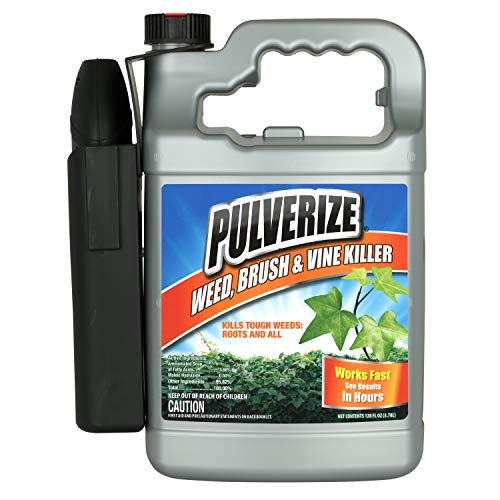
PWBV-B-128-S, Brush & Vine Ready to Use Weed Killer, Clear

Ortho 0475010 MAX Poison Ivy & Tough Brush Killer Ready-To-Use, 24-Ounce
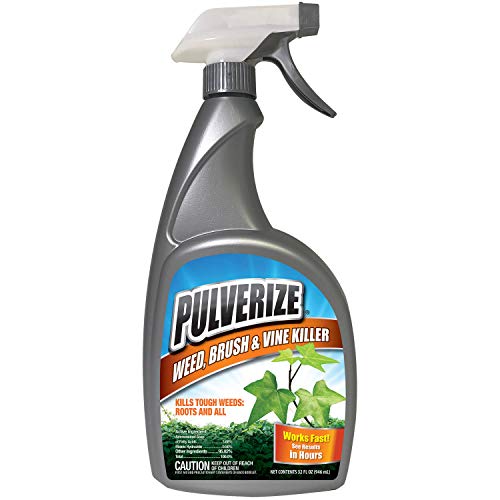
Messina Wildlife Pulverize PWBV-U-032 Weed, Brush & Vine Killer Spray, 32 oz
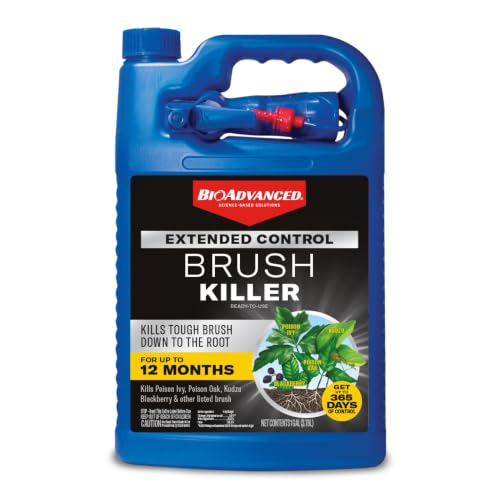
BioAdvanced Extended Control Brush Killer Spray, 1 Gal

Ivarest Poison Ivy Relief Pads, Fast-Acting Medicated Treatment, 30 Count
The Strengths Of Each Pick
Two 32-fluid-ounce bottles of Roundup’s poison ivy concentrate arrive in one shipment, which makes sense when you’ve got a half-acre of overgrown fenceline to reclaim. The formula targets poison ivy, poison oak, poison sumac, wild blackberry, kudzu, and similar woody nuisances, working down to the root rather than just crisping the leaves.
You measure and mix it yourself, so a basic pump sprayer is part of the workflow. Compared with the ready-to-spray Roundup variant later in this list, this concentrate asks for a little more setup but rewards you with broader coverage per dollar.
Bright Spots
- Twin-pack format stretches your coverage across large yards without reordering mid-project.
- Targets the root system, reducing how often you must revisit the same patch in a single season.
- Listed as rainproof in around 30 minutes, which matters during unpredictable spring weather.
- Visible leaf results in a few hours help you confirm the application actually took.
Points To Keep In Mind
- Requires mixing and a separate pump sprayer, adding a step before you start.
- Not grass-safe around the lawn you want to preserve; overspray drift is a real concern.
Whose Property It Suits
Rural and suburban lots with established ivy infestations and a pump sprayer already on the shelf.
Look Elsewhere When
The Roundup Comfort Wand pick suits you better if you’d rather skip the measuring and mix step entirely.
Same proven ivy-killing chemistry as the concentrate, but pre-mixed in a one-gallon jug with a battery-powered wand attached. You pull a trigger and spray, which is a meaningful upgrade for anyone who’d rather not wrestle a hand-pumped sprayer on a Saturday morning.
You trade the concentration flexibility of Item 1 for genuine grab-and-go convenience. For typical backyard poison ivy along fence rows, wood edges, and stone walls, the wand’s reach and battery assist cover the job without fatigue.
What Pays Off
- No measuring, no mixing, no separate pump sprayer to clean afterward.
- Comfort Wand reduces hand fatigue on long perimeter treatments.
- Same rainproof window and broad-spectrum brush control as the concentrate.
- One gallon covers meaningful ground before a refill.
Honest Caveats
- Battery and wand components can wear or leak over multiple seasons of storage.
- Pre-mixed gallons cost more per treated square foot than the concentrate twin-pack.
Made For
Homeowners who treat poison ivy a few times a year and value speed over per-ounce economy.
Consider Something Else When
The BioAdvanced Extended Control pick suits you better when a once-per-year application matters more than quick cleanup.
A 16-ounce bottle of Bonide’s selective concentrate, designed to clear poison ivy, poison oak, wild blackberry, kudzu, dandelion, and clover while leaving your lawn grass intact. That grass-safe claim is the headline feature and a meaningful differentiator from the Roundup options above.
Smaller bottle, smaller price, smaller commitment. For gardeners fighting ivy creeping into the lawn edge or landscape beds, this gives you targeted control without the scorched-earth risk of a non-selective formula. The same chemistry also tackles tree stumps when applied fresh to the cut surface.
What It Does Well
- Selective formulation spares lawn grass when applied as directed.
- Works on tree stumps too, extending the bottle’s usefulness beyond ivy alone.
- Compact concentrate size stores easily in a garden shed or garage shelf.
Trade Offs
- Smaller volume means frequent mixing refills for larger infestations.
- Selective action moves more slowly on deeply established woody vines than non-selective options.
Best Suited To
Homeowners who want ivy killed without sacrificing the surrounding turf and ornamental grass.
Where Another Pick Suits Better
For non-lawn areas where total vegetation control is the goal, the Roundup concentrate twin-pack delivers broader knockdown per ounce.
Pulverize’s ready-to-use one-gallon jug goes after poison ivy, poison oak, kudzu, broom, and wild blackberry with a non-staining formulation. The “non-staining” detail is the selling point when you’re spraying near concrete patios, decorative stone, or pavers where dye-based formulas leave marks.
Active ingredients include ammoniated salts of fatty acids for fast burn-down plus maleic hydrazide to slow regrowth. That dual-action approach means visible damage quickly and a longer pause before shoots return, which is helpful on hardscape edges where ivy tends to creep back fastest.
What Makes Sense
- Non-staining formula protects patios, walkways, and decorative stone surfaces.
- Combines burn-down and regrowth inhibitor in one jug.
- Ready-to-use format eliminates measuring mistakes.
Softer Spots
- Smaller brand presence means less community troubleshooting than the major labels.
The Right Fit
Homeowners fighting ivy creeping through pavers, gravel, or decorative concrete where staining is a dealbreaker.
Skip It When
The BioAdvanced Extended Control pick handles larger infestations with a longer residual window per application.
Ortho’s 24-ounce trigger bottle lists coverage against more than 60 tough brush and weed species, including poison ivy, poison oak, kudzu, and wild blackberry. The smaller footprint compared to the one-gallon Roundup wand means it lives easily on a porch shelf for quick seasonal use.
You sacrifice the Comfort Wand’s battery assist and the one-gallon coverage area, but you also skip the weight and the storage bulk. For spot treatments along a backyard trail or a single fence panel, this is the right scale.
What Stands Out
- Lightweight trigger bottle is comfortable for short sessions without arm fatigue.
- Broad label claim covering more than 60 listed species.
- Rainproof in roughly two hours, per the listed performance detail.
- Compact size stores in a small garden caddy or utility drawer.
Things To Consider
- 24-ounce capacity means frequent refills on bigger infestations.
- Trigger sprayers can clog if not flushed between uses.
Who It Suits Best
Apartment and townhouse dwellers handling a small patch of ivy along a walkway or shared fence line.
Another Choice May Suit When
The Pulverize ready-to-use gallon covers patios and larger decorative areas where staining is the bigger concern.
Feature Snapshot
A 32-ounce trigger spray from Pulverize’s Messina Wildlife line, sold for fast-acting brush and vine control on contact. The same non-staining chemistry as the larger gallon above shows up here, which keeps driveways, concrete edges, and pavers clean during treatment.
Crabgrass appears in the label description alongside the usual poison ivy and brush suspects, giving it crossover appeal for anyone managing mixed weed pressure. For most homeowners, the smaller trigger format fits between the Ortho bottle and the Pulverize gallon in terms of project scale.
What Works In Its Favor
- Non-staining finish protects concrete, pavers, and outdoor furniture surfaces.
- Trigger format needs no batteries, hoses, or separate sprayers.
- 32-ounce size balances coverage and storage footprint.
Small Caveats
- Trigger sprayers wear out faster than wand or pump systems under heavy use.
- Brand awareness is lower than the major labels, so finding replacement parts can be tricky.
Who Should Grab It
Gardeners handling midsize jobs between a quick spot spray and a full perimeter treatment.
Reach For A Different Pick When
The Ortho 24-ounce bottle is the better small-scale option if you prefer the most widely carried brand on the shelf.
BioAdvanced’s one-gallon jug promises 365 days of control, a striking claim compared with the season-long windows of most competitors. The active ingredient triclopyr targets poison ivy, poison oak, kudzu, wild blackberry, bamboo, and English ivy down to the root.
The trade-off is the same as every non-selective formula: nearby grass and ornamentals take damage from overspray. Treat it like a perimeter tool for fence lines, wood edges, and unplanted slopes where long suppression outweighs the cost of any collateral die-back.
Real Benefits
- Year-long residual window cuts down repeat applications.
- One gallon covers roughly 500 square feet per the listed spec.
- Targets tough vine species including bamboo and English ivy.
- Root-level action reduces regrowth from underground runners.
Things To Weigh
- Non-selective chemistry damages lawn grass and ornamentals on contact.
- Year-long residual means replanting the treated area requires patience.
Perfect Match For
Property managers and homeowners tired of re-treating the same fence line every growing season.
Not Your Match When
The Bonide concentrate is the smarter lawn-safe option for ivy creeping into turf areas you want to preserve.
Different category entirely: 30 medicated pads designed to treat skin after contact with poison ivy, oak, or sumac. The pads combine surfactants to lift residual urushiol oil with analgesic and cooling ingredients to settle itching and burning fast.
Think of these as the second half of the ivy problem. Even with the best killer and careful spraying, occasional brush contact happens, and the urushiol oil from these plants keeps causing rashes for hours after exposure if it stays on the skin. Pads travel well in a first-aid kit, glove box, or backpack for trail work.
Advantages To Know
- Combines oil-removal surfactant with cooling analgesic in a single pad.
- Individually wrapped pads stay sterile and portable for fieldwork.
- Helpful for insect bites and minor skin irritation beyond just poison ivy.
- Fast-acting contact relief without a prescription.
Minor Gripes
- Reactive, not preventive: works after exposure, not before.
- Limited to 30 uses per box, so heavy season work may need more than one pack.
Right Fit
Anyone who treats ivy outdoors and wants a grab-and-go option for the occasional brush contact.
A Better Fit Elsewhere
If prevention is the priority and you want stronger coverage on the plant itself, the BioAdvanced Extended Control gallon stays effective for a full year.
Key Product Details
What Matters Most Before Choosing An Ivy Killer
Match The Formula To The Site
Selective formulas like Bonide’s BK-32 spare lawn grass while clearing ivy, so they’re the right answer for weed break-through in turf. Non-selective options, including the Roundup and BioAdvanced picks, kill everything they touch, which makes them ideal for fence lines, gravel borders, and unplanted slopes where total vegetation control is acceptable.
Think About Coverage And Format
Concentrates cost less per treated square foot but require a pump sprayer, measuring, and cleanup. Ready-to-use gallons like the Pulverize and Roundup Comfort Wand cost more but trade setup time for pure convenience. Trigger bottles such as the Ortho 24-ounce or the Messina Wildlife 32-ounce fit neatly in between, ideal for spot checks and small patches.
Mind The Regrowth Window
Standard contact killers burn down the visible vine but leave roots intact, which means repeat visits within a single season. Extended-control formulas like BioAdvanced’s 365-day option suppress regrowth from the root, a meaningful upgrade for properties where re-treating the same fence line every summer feels like Groundhog Day.
Watch For Hardscape Compatibility
Staining is the silent casualty on driveways, pavers, and decorative stone. The Pulverize line calls this out directly with its non-staining chemistry. If you’re spraying near concrete, stepping up to a non-staining formula avoids the orange-tint aftermath that some dye-based killers leave behind.
Key Considerations Across These Picks
Pitfalls Shoppers Hit
The most common mistake is grabbing a non-selective killer for an ivy patch creeping into the lawn, which kills the grass along with the vine. The opposite error: trusting a selective formula to clear a deep woody infestation that needs root-level knockdown. Match the chemistry to the scenario before you commit. Also, skipping gloves, long sleeves, and eye protection turns a routine spray into an urgent dermatology visit, since urushiol oil penetrates skin quickly and lingers on clothing.
Where The Extra Money Goes
A higher-tier ivy killer like the BioAdvanced Extended Control trades short-term cost for a year-long residual window, which means one trip to the fence line instead of four. Premium concentrates and wand-equipped jugs add chemistry refinement, ergonomic sprayers, and faster rainproof windows. The honest read is that you pay more per bottle but less per square foot over a full season, especially on larger properties.
Frequently Asked Questions
How long does ivy killer take to work?
Most contact formulas show visible leaf damage within hours, though root kill takes one to three weeks. Extended-control products suppress regrowth for much longer, but the initial visual wilt still happens quickly.
Can ivy killer hurt my dog or cat?
Keep pets away from treated areas until the spray dries completely, and follow label guidance for re-entry intervals. Stored concentrate should stay on a high shelf or locked cabinet, well out of paw reach.
Will rain wash away a fresh application?
Most modern formulas are rainproof within 30 minutes to two hours after spraying. A surprise downpour sooner than that can reduce effectiveness, so timing around the forecast matters.
Do I need to pull dead ivy afterward?
Removing dead vines is mostly cosmetic, though clearing them prevents seed drop and reduces future reseeding. The roots, not the surface vines, drive regrowth, which is why root-targeted formulas outperform contact-only options.
Is it safe to spray near a vegetable garden?
Non-selective herbicides drift and damage food crops quickly, so maintain a buffer zone and use a shielded sprayer when working close to edibles. Selective formulas offer better margins but still warrant careful application away from wanted plants.
Closing Remarks
Pick the formula that matches your infestation scale, your lawn-or-no-lawn situation, and how often you want to revisit the same patch. Treat safety gear as non-negotiable, and keep a relief option like the Ivarest pads on hand for the contact you didn’t see coming. That combination handles poison ivy the smart way, without surprises.
