

Half an hour into a weeding session and most gardeners know the feeling: knees screaming, shins bruised, every crawl forward a negotiation with the dirt below. Knee protection turns that grind into a calmer, longer day outside, and the right pair depends on how, where, and how often you kneel. These eight options cover the common setups, from foam pads you toss on the path to strap-on sleeves built for rougher jobs.
The Picks In Brief

Pure Garden 2-in-1 Foldable Garden Kneeler

YWSHF 2-Pack Garden Kneeling Pad

Altdorff Thick Kneeling Pad 2-Pack

Wghtri Collision Avoidance Knee Sleeve

GORILLA GRIP Knee Pads for Work

AWP Ultralight Foam Work Knee Pads

AWP Flat Gel Stabilizer Knee Pads
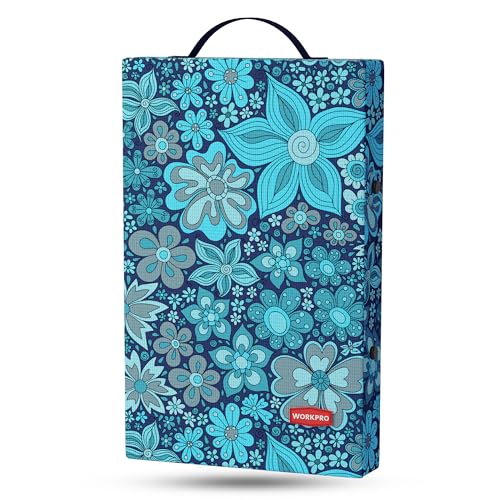
WORKPRO 17″ Kneeling Pad with Cover
A Closer Look At Each Pick
This is the only pick on the list that flips between a kneeler and a low seat, which matters once a bed session stretches past thirty minutes. The steel frame folds flat for shed storage, and the EVA foam pad, a dense closed-cell foam commonly found in gardening cushions, sits on top of the rails so your knees never touch the metal.
Handles on either side give you something to push off from, and small pouches hold pruners or seed packets within reach. It’s sturdier than any foam pad in this guide, with a 300-pound load rating, so heavier gardeners won’t feel the frame flex.
The Case For It
- Doubles as a seat so you can pause without leaving the bed
- Steel frame supports up to 300 pounds for heavier users
- Folds flat to roughly the size of a folded chair for shed storage
- Side handles make standing up easier after long kneeling stretches
- Tool pouches keep pruners and seed packets within reach
Things To Consider
- Bulkier than a simple foam mat to carry across a large yard
- Works less well on soft, uneven ground where the legs can sink
- Surface area is smaller than the WORKPRO pad, so shifting position is more frequent
Feature Snapshot
Who It Suits Best
Older gardeners and anyone with joint pain who needs handles to push up from a kneeling position.
Consider Something Else When
Pick the AWP Ultralight Foam pads instead for quick chore runs where a folding frame feels like overkill.
Two pads in the box is the headline here, and it’s a quietly useful idea: keep one by the back door and one at the shed, or hand one to a partner without buying twice. The foam is a layered EVA and PE blend, both closed-cell foams that bounce back slowly and resist absorbing water, so a damp lawn doesn’t soak through to your knees.
Each pad measures about 15.7 by 7.1 inches, which is enough for two knees side by side but tight if you like to squat with feet wide. A small handle slot lets you clip it to a hook in the garage.
Good Reasons To Consider
- Two pads per pack covers two work zones or two people
- Layered EVA and PE foam balances cushion and rebound
- Closed-cell surface wipes clean after muddy sessions
- Handle slot clips onto a peg for off-season storage
Points To Note
- Surface is shorter than the WORKPRO 17-inch pad, so taller users may sit off the edge
- No memory-foam softness, so rocky soil still comes through a bit
Right Fit For
Casual gardeners and renters who want a low-cost pad they can leave outside without worry.
Look Elsewhere When
Choose the WORKPRO 17″ Kneeling Pad if you want a larger, washable surface for longer sessions.
Where the YWSHF pads feel firm, the Altdorff pair leans into memory foam, a slow-recovery foam that molds to the kneecap and softens the load on longer sessions. The deep grey cover hides garden grime better than a light color, and the surface is listed as stain resistant, which matters when you’re kneeling over turned soil.
At roughly 15 by 7 inches and about 0.8 inches thick, the pad sits between the slim YWSHF and the larger WORKPRO. It’s a comfortable middle ground for gardeners who kneel for thirty minutes or more at a stretch.
What Makes Sense
- Memory foam cushions kneecaps during extended weeding sessions
- Two pads per box covers multiple beds or households
- Stain-resistant cover forgives muddy days
- Deep grey finish disguises working soil between washes
A Few Limitations
- Thicker foam makes the pad slightly bulkier to hang on a hook
- Memory foam can feel warm under direct summer sun
Quick Facts
Best Suited To
Gardeners with tender knees who want foam that softens and shapes around the joint.
Swap It Out When
Pick the WORKPRO 17″ Kneeling Pad if you want a washable cover and a wider stance surface.
The first strap-on pick on this list, and the only sleeve-style option. EVA foam padding, a medium-density foam that absorbs shock without much bulk, lines the front, while a soft inner lining sits against the skin. You pull them on like a compression sleeve, which means no kneeling down to place a pad, then standing up to move it.
For gardeners who crawl between rows or shuffle along a bed, that mobility matters more than the cushion thickness. The trade-off is less coverage than the AWP pads, and a snugger fit that some find warm in summer.
Everyday Advantages
- Slip-on design travels with you between garden beds
- EVA foam front padding handles stone and brick edges
- Soft inner lining reduces chafing on longer sessions
- Hands-free use keeps both hands free for tools
Softer Spots
- Sleeves shift on very thin legs; sizing up may help but can slip at the top
- Less impact protection than the GORILLA GRIP three-layer build
- Fabric can hold sweat during humid weather
Whose Shelf It Belongs On
Active gardeners who move constantly and dislike stopping to reposition a foam mat.
Reach For A Different Pick When
Choose the GORILLA GRIP Knee Pads for Work if you want harder-shell protection on gravel drives.
Built like a contractor’s pad that wandered into the garden. The construction is three layers: a hard rubber shell that resists abrasion, an EVA foam mid-layer for shock absorption, and a softer foam against the leg. The outer face has a raised, slip-resistant texture, so on damp pavers or wet flagstone you don’t skate forward every time you shift weight.
This is heavier than the AWP Ultralight pair and less breathable than the sleeve-style Wghtri, but the protection is in a different league for rocky soil or masonry edges.
Bright Spots
- Three-layer build handles gravel and stone edging well
- Raised rubber face grips slick surfaces during wet sessions
- Hard outer shell resists punctures from twigs and rose thorns
- Adjustable strap fits over work pants or jeans
Honest Caveats
- Heavier than ultralight pads, noticeable during long walks to the bed
- Bulkier under trousers; expect a slight squeeze at the knee
Key Product Details
Made For
Gardeners who tackle tough ground, stone borders, and thorny beds on a regular basis.
Skip It When
Pick the AWP Ultralight Foam pads if you mostly kneel on soft soil and want a lighter option.
The lightest strap-on pair in this guide, made from a single molded foam piece that contours to the knee. There’s no gel layer, no hard shell, no fancy strap, just a soft strap and a shaped pad. For light garden chores, planting flats, or sweeping the garage, that simplicity is the point.
Hardcore gravel work is outside its comfort zone, but for most home garden tasks, the ultralight build is easier to forget you’re wearing.
Useful Highlights
- Molded foam shape needs no break-in period
- Lightweight enough to wear on short chore runs
- Single-strap design slides on and off in seconds
- Versatile for tile, laminate, and garden use
Possible Compromises
- Foam compresses on sharp gravel, unlike the GORILLA GRIP shell
- Strap is basic; very thin legs may find it loose at full extension
Perfect Match For
Casual users who want a grab-and-go pad for planting, sweeping, and short garden sessions.
Another Choice May Suit
Pick the AWP Flat Gel Stabilizer pads if you want longer-session comfort with a gel layer.
A step up from the Ultralight pair. The cushion is dual-layer breathable gel and foam, which means the pad conforms to the kneecap while still spreading load across the surrounding foam. The wide neoprene strap, a stretchy synthetic rubber commonly used in wetsuits, breathes better than basic nylon and resists sweat absorption.
This is the pair for gardeners who finish a full bed without wanting to rip the pads off. In most gardens, the gel layer is the comfort upgrade that justifies the extra spend over the Ultralight.
Real-World Strengths
- Dual-layer gel and foam softens long kneeling sessions
- Breathable neoprene strap reduces sweat under the band
- Flat profile sits closer to the ground for balance on slopes
- Non-skid face keeps the pad from sliding on smooth pavers
Small Caveats
- Gel inserts add weight over the molded foam Ultralight
- Higher price tier than the other AWP option
Who Will Love This
Gardeners who kneel for hours at a stretch and want noticeable comfort gains over basic foam.
A Better Fit Elsewhere
Choose the GORILLA GRIP pads if you want a hard rubber shell for thorny or rocky beds.
The largest foam pad in this guide at 17 inches wide, which gives both knees room without straddling the edge. The core is NBR foam, a nitrile rubber blend known for oil and wear resistance, wrapped in a removable oxford cloth cover that unzips for washing. The blue floral print is a small touch, but it brightens a muddy yard on grey days.
At 1.5 inches thick with high-density foam, the WORKPRO absorbs shock better than slimmer pads. For gardeners with knee replacements or anyone who measures comfort in pad thickness, that extra depth matters.
Key Advantages
- 17-inch width fits two knees with room to spare
- Removable oxford cover is machine-washable after muddy sessions
- 1.5-inch NBR foam absorbs shock on hard-packed soil
- Oil-resistant NBR core holds up to garden chemicals and dampness
Less Ideal Details
- Larger footprint is awkward to store in small sheds
- Single pad only, unlike the two-packs earlier in this list
Feature Card
Who Should Grab It
Home gardeners who want one premium pad, easy to clean, that handles heavy weekly weeding.
Where Another Pick Suits Better
Pick the Altdorff memory foam pair for memory foam softness or the Pure Garden kneeler for sit-and-stand versatility.
What Matters Most Before Choosing Knee Pads For Gardening
Kneeling surfaces fall into two camps, and the right one depends on how you actually move in the garden. Foam pads stay put on a path or patio, let you shuffle along a bed, and clean up with a wipe or a wash. Strap-on pads travel with you, freeing both hands and removing the stand-and-move dance, but they trap heat and shift on thin legs.
Thickness and density decide how much rock and root you stop feeling. Closed-cell EVA and PE foams, dense foam blends that resist water absorption, hold their shape and shrug off damp soil. Memory foam feels softer at first but compresses under weight, which suits tender knees but bottoms out faster on gravel. NBR foam, a nitrile rubber blend, lasts longer under hard use and resists oils from garden treatments.
Fit matters more on strap-on pads than on mats. A wide neoprene strap breathes better than thin nylon and stays put during lateral moves. On a sleeve-style pad, the size line matters most: too small restricts circulation, too large slides down the calf mid-bed.
Surface area changes how often you reposition. A 17-inch pad like the WORKPRO covers a wide stance and shifts with you. Narrower pads force micro-adjustments every few minutes, which adds up over an hour.
Where Shoppers Go Wrong
Common Shopping Slip Ups
The most common mistake is buying by thickness alone. A thick foam pad on a flat patio feels luxurious; the same pad on uneven soil can tip you sideways when you lean. Match the pad profile to the ground: thick NBR for hard surfaces, denser EVA for soft beds.
Another slip is assuming all “waterproof” pads handle wet soil the same way. Closed-cell foam resists water at the surface, but stitched seams and fabric covers soak through over time. A removable, washable cover like the WORKPRO’s oxford cloth extends the working life of any foam core.
When Paying More Pays Off
The upgrade from a basic strap-on pad to a gel-and-foam pair like the AWP Flat Gel Stabilizer shows up in session length. For gardeners who kneel more than an hour at a stretch, gel distributes pressure more evenly and reduces the hot spots that force a break.
Higher-tier foam pads earn their keep on durability. NBR and dense EVA cores keep their rebound across multiple seasons, while economy foam pads often compress permanently after a year of weekly use. For daily gardeners, that longer working life closes the price gap quickly.
Frequently Asked Questions
How thick should gardening knee pads be? A half-inch pad handles soft soil and short sessions, while one to one-and-a-half inches suits hard ground or longer kneeling. Anything thinner tends to bottom out on gravel.
Are strap-on knee pads better than foam mats? Strap-on pads travel with you and free your hands, which suits mobile gardeners. Foam mats spread weight over a wider area and breathe better, which suits stationary weeding.
Can knee pads be used on wet grass? Closed-cell foam and NBR cores resist water at the surface and wipe dry easily. Fabric-covered pads with stitched seams can soak through during long wet sessions.
How do you clean gardening knee pads? Wipe closed-cell foam with a damp cloth and mild soap. Removable covers like the WORKPRO oxford cloth unzip and machine wash. Avoid soaking foam cores, which slows drying and can encourage mildew.
Do knee pads help with existing knee pain? Cushioning reduces direct pressure on the kneecap, which helps during and after gardening. Persistent joint pain deserves a conversation with a healthcare professional before relying on gear alone.
The Takeaway
The right knee protection turns a long garden session from something you endure into something you finish. Foam pads cover stationary work with more surface and breathability, while strap-on designs reward gardeners who move constantly between beds. Match the build to the ground under your knees and the way you actually work, and the rest of the day outside gets noticeably easier.
