

A clean line between lawn and garden changes how your whole yard reads. The right landscape edging stops mulch migration, blocks grass runners from sneaking into beds, and gives you a satisfying visual frame that holds up through summer storms and winter freezes. This roundup covers eight solid options for different budgets, bed sizes, and style preferences.
A Fast Comparison Of The Options

Beuta Landscape Edging 4-Pack Polyrock Bricks (Greystone)

Beuta Landscape Edging 10-Pack Polyrock Bricks (Greystone)
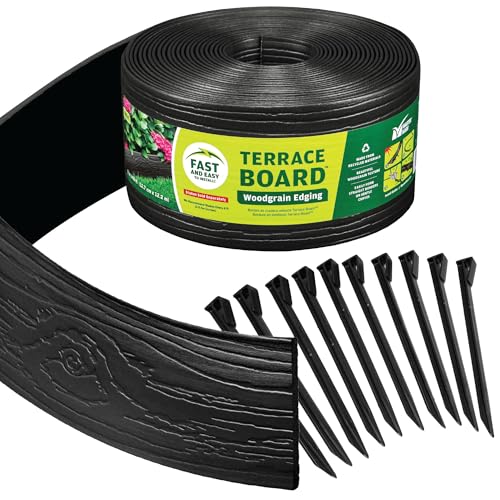
Master Mark Terrace Board Landscape Coiled Edging 5 in. x 40 ft.

Shsyue 33FT Flexible Lawn Edging Kit with 50 Stakes (Black)

Shsyue 66FT Flexible Garden Edging with 100 Stakes (Black)
SnugNiture Corrugated Metal Garden Edging 6 in. x 50 ft. (Brown/White)

Edge Right Hammer-In COR-Ten Steel Edging 5 Pack
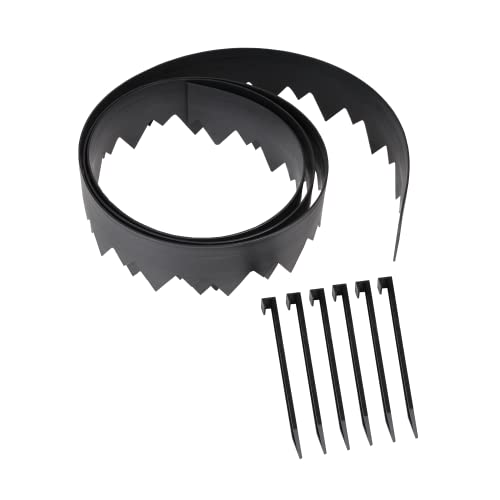
EasyFlex Pound-In Landscape Edging 20 ft. Kit (Black)
Meet The Standout Selections
Fake-stone edging that looks surprisingly real, Beuta’s 4-pack gives you four modular sections, each 48 inches long, 4 inches wide, and 2.25 inches tall, with 12 spikes included. The Polyrock material reads like weathered Greystone cast stone from across the yard, yet it handles installation with far less hassle than hauling actual masonry.
For small front-yard beds, a tidy mailbox border, or a couple of raised vegetable patches, this starter quantity makes sense. Unlike the heavier corrugated steel pick later in the list, Beuta sits light on the soil and assembles with a rubber mallet, so a first-time gardener can lay out a recognizable edge in an afternoon.
Points In Its Favor
- Modular 6-brick sections connect end-to-end, letting you scale the layout as the bed grows.
- The Greystone tone blends with flagstone patios and natural rock without looking plastic.
- 12 included spikes anchor each section against string-trimmer bumps and minor frost heave.
- Lightweight compared with real stone, so it ships cheaply and carries easily to the backyard.
Things To Consider
- At 2.25 inches tall, this profile is more decorative than a mulch barrier; deep wood-chip layers may spill over.
- Four sections cover roughly 16 linear feet, so a long driveway edge would need the 10-pack version below.
Right Fit For
Homeowners with a small flower bed or two who want a stone-cottage look without scheduling a masonry delivery.
Consider Something Else When
You need more than 16 linear feet; the Beuta Landscape Edging 10-Pack Polyrock Bricks covers triple the distance with the same finish.
The big sibling to the 4-pack above, Beuta’s 10-pack ships ten modular sections and 30 spikes for roughly 40 linear feet of finished edge. Each section still measures 48 inches long, 4 inches wide, and 2.25 inches tall, and the Greystone color stays consistent across production runs.
Whole-sidewalk borders, a continuous front-yard bed, or wrapping a vegetable garden in matching trim all fall within reach. Where the Master Mark coiled board below trades rigidity for curve-friendly bending, this Beuta system gives you straight, dressed-up lines that read intentional from the curb.
Notable Upsides
- Covers about 40 running feet, enough for most front-yard foundation beds in one purchase.
- Same Polyrock construction as the 4-pack, so the visual finish stays uniform if you mix quantities later.
- 30 anchor spikes give you spare hardware for replacements after a hard winter.
- Modular pieces allow mid-run cuts without leaving an unfinished gap.
Worth Noting
- Same 2.25-inch height limitation as the smaller Beuta pack, so deep mulch piles still need extra containment.
- Heavy soil or rocky ground may require pilot holes for the spikes to seat fully.
Feature Snapshot
Made For
DIYers tackling an entire front-yard bed in a single weekend who want stone aesthetics without hauling real masonry.
Look Elsewhere When
You want a curved or wavy bed line; the shsyue 33FT Flexible Lawn Edging Kit handles organic shapes far more gracefully.
Master Mark’s Terrace Board ships coiled in a 40-foot roll, 5 inches tall, with a textured wood-grain surface that mimics rough-sawn lumber. Ten stakes come in the box, enough for a basic straight run though you may want extras for curves.
The thin, flexible profile bends around tree rings and curving beds without snapping, which is exactly where the rigid stone-look Beuta system above would fight you. Raised vegetable beds, layered mulch mounds, or terraced slopes gain real definition from this material’s earthy finish.
Strong Points
- 40-foot coil covers long perimeters or wraps several smaller beds from a single roll.
- Wood-grain texture matches cabin-style homes and rustic landscape plans.
- Flexible body lets you outline tree rings and curves without kinking.
- Light enough for one person to carry, unroll, and stake in an afternoon.
Trade Offs
- Only 10 stakes ship in the box, so a fully staked 40-foot run typically requires buying extras.
- The 5-inch height is shorter than the 4-inch-tall shsyue options below when measured from the top of the stake line.
Who It Suits Best
Gardeners building raised vegetable beds or terraced mulch layers who want a soft, country-style edge rather than a hard architectural line.
A Better Fit Elsewhere
You need rigid, mower-proof clean lines; the Edge Right Hammer-In COR-Ten Steel Edging packs a 6-inch depth that holds shape under wheel loads.
Shsyue’s flexible kit includes 33 feet of 4-inch-tall plastic edging, 50 spiral nylon spikes, and the kind of bendy profile that survives an ambitious curved bed plan. The PE (polyethylene) material cuts easily with household snips, so you can trim around sprinkler heads and patio corners without specialty tools.
Where the Master Mark above reads as rustic wood, this black plastic strip disappears into the bed edge and lets the plants stay the star. Homeowners laying out their first landscaping plan get a forgiving material: mistakes can be pulled up, repositioned, and restaked without cracking.
Advantages To Know
- 33 feet of length suits medium-sized front yards or two parallel bed lines.
- 50 spikes is generous spacing, roughly one every 8 inches for a solid hold.
- PE plastic tolerates scuffs from string trimmers without chipping.
- Snip-to-fit customization handles curves, corners, and obstacles cleanly.
Minor Gripes
- Plastic edging can warp in direct summer sun during the first few days after install; pre-soaking the coil flattens it.
- 4-inch height is shorter than the 6-inch corrugated metal option below, which may matter for aggressive grass runners.
Feature Snapshot
Best Suited To
First-time DIYers tackling curved flower beds who want a forgiving, customizable material without renting tools.
Skip It When
Your project covers more than 33 linear feet; the shsyue 66FT Flexible Garden Edging doubles the run length with the same construction.
The 66-foot sibling doubles down on the 33-foot kit with the same 4-inch HDPE (high-density polyethylene) profile and 100 spiral stakes. HDPE holds up better than standard PE under UV exposure, so the color and flexibility tend to last through multiple seasons in direct sun.
Whole-driveway borders, long property lines, and side-yard pathways fit a single order. Compared with the Beuta stone-look edging above, this is the practical choice when coverage matters more than curb-appeal texture.
Real Benefits
- 66 feet covers most suburban front-and-side perimeter beds from one box.
- HDPE plastic resists fading and brittleness better than economy blends.
- 100 stakes keep installation moving without mid-project restocking.
- Bendable profile accommodates long sweeping curves as easily as tight corners.
Points To Note
- Two coils of 33 feet each require alignment at the seam, which takes planning to look clean.
- Plastic, even HDPE, eventually shows scuffs from aggressive string trimming at ground level.
Whose Shelf It Belongs On
Property owners with multi-bed layouts or a single long border who want one purchase to finish the job without leftover gaps.
Reach For A Different Pick When
You want a stronger aesthetic statement; the SnugNiture Corrugated Metal Garden Edging brings a modern farmhouse look that black plastic cannot match.
SnugNiture rolls out 50 feet of corrugated steel edging at 6 inches tall, finished in a two-tone brown-and-white profile that reads as contemporary farmhouse. The ridged steel catches light differently through the day, giving beds more visual movement than flat plastic strips.
Where the EasyFlex plastic pick below hides quietly at the soil line, this metal option wants to be seen. Designers pairing raised beds with painted fences, vintage patio furniture, or modern xeriscape layouts reach for corrugated metal because the texture carries.
Why It Works Well
- 6-inch height blocks aggressive grass runners better than shorter plastic strips.
- 50 feet is enough to wrap a sizeable side yard or several medium beds.
- Corrugated profile adds rigidity without losing all flexibility for gentle curves.
- Two-tone finish complements both rustic and modern landscape themes.
Room For Improvement
- Metal edges can develop sharp burrs after cutting; owners commonly file the cut ends before installation.
- Steel edging conducts temperature, so roots pressed against it in full sun may heat up on summer afternoons.
Feature Snapshot
Perfect Match For
Design-conscious gardeners pairing raised beds with modern or farmhouse aesthetics who want the edging itself to be a visible feature.
Swap It Out When
You live in a region with salt spray or highly acidic soil; the Edge Right Hammer-In COR-Ten Steel Edging uses a weathering steel designed for that exposure.
Edge Right ships five 48-inch strips of 16-gauge COR-Ten steel with a 6-inch depth and a 1/4-inch rounded top. COR-Ten is a weathering steel alloy that develops a stable rust patina over its first season, so the edging ends up looking like aged landscape architecture rather than fresh metal.
You hammer these strips in with a mallet, no trench digging required, and they stay put through freeze-thaw cycles that heave lighter materials. The catch shows up at install time; rocky or compacted clay soils demand a heavier mallet and more patience than the plastic options above.
Useful Highlights
- COR-Ten steel builds a protective rust patina instead of flaking like ordinary steel.
- 16-gauge thickness shrugs off string-trimmer impacts that chew through plastic.
- 6-inch depth holds shape under light wheel loads from lawn equipment.
- 1/4-inch rounded top keeps the visible edge safe for bare feet and pets.
Small Caveats
- Five strips cover 20 linear feet, which suits one or two beds but not a full perimeter.
- COR-Ten patina can leach rust-tone water onto adjacent concrete during the first wet seasons.
Feature Snapshot
Who Should Grab It
Homeowners installing a permanent landscape edge once and never wanting to redo it, especially those who appreciate the rusted-metal aesthetic.
Not Your Match When
You want a fast, low-effort install for a small bed; the EasyFlex Pound-In Landscape Edging 20 ft. Kit goes in with far less muscle.
EasyFlex’s 20-foot recycled-plastic kit measures 4.5 inches tall with a straight top profile, and you install it by scoring a shallow guideline in the soil and pounding the edging in with a wooden block. Bonus anchoring stakes ship in the box for extra hold on loose ground.
This is the entry ramp into landscape edging: no trench, no fasteners to lose, and a forgiving material that flexes around curves. Against the COR-Ten steel above, EasyFlex trades permanence for accessibility, since a homeowner can finish a small bed project in under an hour.
The Practical Payoff
- No-dig installation saves an afternoon of spade work for less experienced DIYers.
- Recycled plastic build handles weather swings without rotting or rusting.
- 4.5-inch height offers more bed separation than typical 3.5-inch budget strips.
- Flexible profile accepts gentle curves while keeping a straight-topped look at the soil line.
Possible Compromises
- 20 feet covers a small starter bed only; larger layouts need multiple kits or a longer coil.
- Plastic profile can lift at the ends after a winter of freeze-thaw if not staked heavily.
Feature Snapshot
Who Will Love This
First-time homeowners with a single flower bed who want a clean edge installed in under an hour using basic tools.
Where Another Pick Suits Better
You want a finished look from day one; the Beuta Landscape Edging 4-Pack Polyrock Bricks gives you that dressed-up stone appearance without the wait for a patina to develop.
Picking Landscape Edgings That Fit Your Yard
Start by matching material to soil. Plastic strips like the shsyue and EasyFlex options work fine in soft, loamy beds, but rocky clay fights back and demands steel. COR-Ten and corrugated metal both penetrate harder ground with a mallet, though metal asks for more muscle at install time.
Height is the next filter. Anything shorter than 4 inches struggles against aggressive warm-season grasses whose rhizomes tunnel under low barriers. Taller 6-inch profiles like the SnugNiture and Edge Right options buy you season-long separation without chemical edging.
Finally, decide whether visual texture matters. Stone-look polyrock blends into traditional cottage gardens, corrugated metal pairs with modern farmhouse and xeriscape styles, and plastic disappears entirely when you want the plants to lead. The honest read is that material choice often matters more than brand within a category.
Key Considerations Across These Picks
Wrong Turns To Avoid
Buying edging without measuring the full run first leads to mid-project gaps and last-minute rush orders. Walk the bed perimeter with a long rope and a tape measure before you commit to a quantity, and add 10 percent for cuts and mistakes. Skipping the soil check is another trap: rocky ground defeats cheap stakes, so plan on heavier hardware or a steel profile before you start hammering.
Where The Extra Money Goes
Premium steel edging like the Edge Right COR-Ten packs a price tag that reflects the alloy itself and the heavier gauge. You’re paying for a 10-plus-year service life, a patina finish that improves with age, and resistance to string-trimmer damage that destroys plastic in two seasons. The upgrade pays off when you plan to stay in the home, want a low-maintenance edge that never needs replacement, and value the architectural look a thin steel line provides.
Frequently Asked Questions
How deep should landscape edging go into the ground?
Most residential edging sits 4 to 6 inches below the soil surface, which is enough to block grass rhizomes without burying half the visible profile. Shallow installs lift under frost heave, so anchoring depth matters as much as height above grade.
Can plastic edging handle a full-sun flower bed?
Yes, though cheaper polyethylene can fade or warp in the first weeks. HDPE blends like the shsyue 66-foot kit hold color and shape better under direct UV exposure, and pre-soaking the coil in water before install helps it lay flat.
Do I need to dig a trench for steel edging?
Hammer-in steel edging like Edge Right goes in with a shallow score line, not a full trench. You mark the path, then pound the strips down with a mallet, which keeps the install to a fraction of the time a trench-and-backfill approach requires.
How long does corrugated metal edging last outdoors?
Galvanized or painted corrugated metal typically gives 10 or more years before significant surface wear, and COR-Ten weathering steel can outlast that with its self-protecting patina. The lifespan depends mainly on soil acidity and salt exposure rather than sun alone.
Is stone-look edging convincing from the curb?
At typical street viewing distance, yes. Polyrock materials like Beuta’s Greystone bricks read as cast stone from 20 to 30 feet, and the molded texture catches shadows like real masonry. Up close, the repeating pattern becomes more obvious, which matters if you entertain guests who walk the beds often.
Closing Thoughts
The right landscape edging depends less on a single feature and more on matching material, height, and texture to your soil and style. Stone-look polyrock gives you cottage-garden charm in a few hours, flexible plastic handles curves on a wide scale, and steel edging offers the longest service life for permanent installations. Pick the profile that suits your yard’s demands, measure honestly, and your beds will hold their shape through every season ahead.
