

Gravel paths and beds have a habit of migrating. A good edging keeps stones where they belong, separates turf from walkway, and stops weed trimmers from chewing up the lawn edge. Choosing the wrong profile, though, leaves you re-doing the same bed every spring.
The picks below span rigid stone-look borders, coiled polymer boards, flexible strips, corrugated metal, and hammer-in steel. Each solves a slightly different problem, from shallow gravel mulch to deeper driveways and curved flower beds. Match the height, material, and installation method to your yard, and the result holds up season after season.
A Side-By-Side Look

Beuta Polyrock Bricks Landscape Edging, 4-Pack (Greystone)
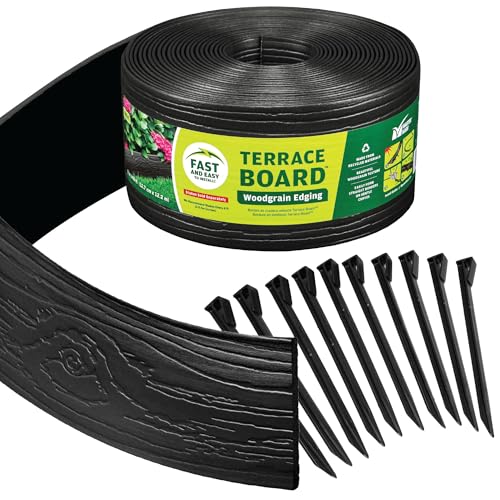
Master Mark Terrace Board Landscape Coiled Edging 5 in. x 40 ft.

shsyue Landscape Edging 33 ft, 4 in Tall Flexible Kit

shsyue Garden Edging 20 ft, 4 in Tall (Black)
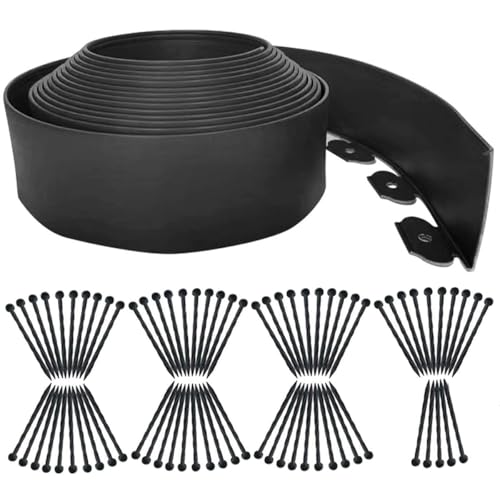
shsyue Garden Edging 1.5 in x 98 ft with 150 Stakes

SnugNiture Corrugated Metal Garden Edging 6 in x 50 ft

Edge Right Hammer-In Landscape Edging 48 in Strips, 5-Pack
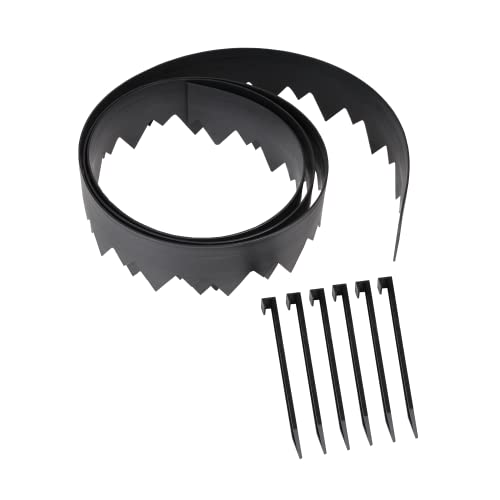
EasyFlex Pound-In Landscape Edging 20 ft (Black)
A Breakdown Of The Leading Choices
The Beuta Polyrock Bricks edging reads like cut stone but installs like a kid’s building block set. Each section snaps together from six molded bricks, and the included spikes anchor the run without trenching. The Greystone tone softens the look against gravel paths, helping the border feel intentional rather than utilitarian.
For most front-yard renovations, that combination is the whole point: visible curb appeal without a contractor. Spanning roughly 48 inches per section, the kit covers about 16 linear feet, enough for a tidy entry walk or a bed perimeter. Compared with the rigid corrugated steel picks below, this one trades strength for charm, which is exactly the trade-off some shoppers want.
Features That Help
- Molded polyrock finish mimics cut stone without the weight or cost.
- Modular sections let you swap out a single piece if one gets damaged.
- Spike anchors let you skip the trenching step on a weekend project.
- Neutral Greystone pairs well with both warm and cool gravel tones.
Things To Consider
- The 2.25 in profile is low, so it holds mulch neatly but not deep gravel drifts.
- Polyrock can scuff if a heavy mower wheel clips the edge.
Feature Snapshot
Right Fit For
Homeowners who want a stone-look border along a small front path or tidy flower bed without hauling real masonry.
Consider Something Else When
A long, straight driveway would be better served by the Edge Right hammer-in steel, which handles heavy wear and runs cleanly in long strips.
Master Mark’s Terrace Board arrives as a coiled polymer strip with a wood-grain texture printed along its face. That wood-grain detail is the differentiator: it warms up a gravel bed the way a plain black strip never could. You uncoil it, stake it along the desired curve, and the 40 ft run covers generous swaths of a backyard in one pass.
The 5 in height sits in the middle of the category, tall enough to corral a layer of pea gravel without dwarfing a low border of creeping thyme. Versus the snap-together Beuta system reviewed above, this option is faster for long, curving lines and far easier to re-shape if you change your mind mid-project.
Standout Benefits
- Wood-grain texture disguises the polymer so the border blends with bark or soil beds.
- Flexible coil handles tight radius curves around trees or boulders.
- Ten included stakes keep the install moving without a second trip to the hardware store.
Worth Noting
- Thin profile can bow outward under heavy gravel pressure without frequent stakes.
- Wood-grain print is surface-level, so scuffs may show a different color underneath.
Built With In Mind
DIY landscapers laying curved gravel borders around trees, raised beds, or organic-shaped garden islands.
A Better Fit Elsewhere
Homeowners needing crisp, straight architectural lines along a driveway should consider the Edge Right steel edging for a stiffer, more modern run.
The shsyue 33 ft kit brings real height to the gravel-border conversation at 4 in tall, which is a meaningful step up from the 1.5 in and 2.25 in profiles elsewhere on this list. That extra inch-and-a-half keeps a generous layer of pea gravel or decorative stone sitting in the bed instead of creeping onto the lawn.
The PE strip is soft enough to bend around a curve but firm enough to hold a straight line when staked properly. Owners commonly report that the generous 50-stake count leaves room for extra anchoring on long runs, which is a small detail that matters when the ground is soft after rain.
Noteworthy Benefits
- 4 in profile contains deeper gravel layers without spillover.
- Fifty stakes provide redundancy on soft or uneven soil.
- Cut-to-length material lets you finish at a clean end without leftover waste.
Small Caveats
- Nylon stakes are tough but may require pre-pilot holes in rocky ground.
- Plain black finish shows dust and mineral deposits over time.
At A Glance
Who It Suits Best
Yards with thicker gravel mulch layers or sloped beds where shorter edgings tend to let stones migrate downhill.
Look Elsewhere When
You want a wood-grain texture rather than plain black, in which case the Master Mark Terrace Board offers a warmer finish.
The shorter sibling of the 33 ft kit, this 20 ft shsyue run matches the 4 in height profile but arrives in a more manageable size. For small planting beds around a tree or a tidy gravel patch by a back door, a 20 ft run is often all you really need without paying for material you’ll coil up and store.
The HDPE construction flexes cleanly and holds its shape once staked. Relative to the EasyFlex plastic profile later in this list, the 4 in height makes this the better pick when you want to contain pea gravel rather than just mulch.
The Case For It
- Compact 20 ft length suits tight, well-defined beds.
- 4 in height contains pea gravel without an oversized look.
- Same HDPE durability as the longer 33 ft kit in a smaller footprint.
Less Ideal Details
- Thirty stakes may run thin for soft, shifting soil.
- Black finish blends into shaded beds but disappears visually against dark mulch.
Best Suited To
Small-yard owners who want a tidy gravel border around a tree ring or single bed without overbuying material.
Skip It When
Your project spans a long side yard or driveway approach, where the 98 ft shsyue roll is a far better fit per linear foot.
This shsyue strip goes the opposite direction from its 4 in sibling. At just 1.5 in tall and a full 98 ft long, it’s a ground-cover delineator, more of a tidy line between lawn and gravel than a true retaining wall. That makes it ideal for shallow decomposed granite paths or mulch-and-stone blends where height isn’t the priority.
The 150-stake count is the headline here: that’s roughly one stake every eight inches along the full run, which is generous and reduces the wobble you sometimes see with cheaper kits. Compared with the EasyFlex pound-in option reviewed below, the install is hammer-and-spike rather than pound-down, which some shoppers find easier on stiff clay.
Where It Helps
- Generous 98 ft length covers a full property edge in one kit.
- 150 stakes deliver close spacing for a flatter, more stable line.
- Shallow 1.5 in profile stays discreet next to a manicured lawn.
Possible Compromises
- Low height cannot contain deeper gravel drifts.
- Spike-driven install takes longer than the EasyFlex pound-in approach.
Feature Snapshot
Made For
Homeowners with long property lines or wide garden edges where a thin, tidy border beats a tall one.
Not Your Match When
You want a noticeable visual border with real height; the 4 in shsyue kit or Edge Right steel deliver that instead.
SnugNiture’s corrugated steel strip brings a different aesthetic entirely. The ribbed face and matte black finish read as architectural, which is exactly the look some modern landscapes call for. At 6 in tall and 50 ft long, this is a serious border for a serious bed, gravel driveway, or raised planting strip.
Metal edging doesn’t bend the way plastic does, so the layout is much more about straight lines than lazy curves. Owners commonly report that the rigidity pays off in longevity: the strip keeps its line through freeze-thaw cycles where softer plastic edges tend to wave. Versus the Edge Right pick below, the SnugNiture comes as one continuous roll rather than hammered segments.
Good Reasons To Consider
- Rigid steel construction resists frost heave and mower damage.
- 6 in profile contains thick gravel layers and sloped driveways.
- Corrugated ribbing adds visual texture and structural stiffness.
Honest Caveats
- Steel can scratch or dent if struck by a hard tool during install.
- Continuous 50 ft roll may be awkward to ship and stage for a solo DIYer.
Whose Shelf It Belongs On
Landscapers and design-minded homeowners building a modern gravel driveway or raised planting bed that calls for crisp architectural lines.
Reach For A Different Pick When
Your layout is mostly curves and tree rings, where the flexible Master Mark coil will lay down more naturally without fighting the material.
Edge Right is the standout for shoppers who think of edging as a long-term landscape feature rather than a quick fix. The 16-gauge COR-TEN steel is the same alloy used in architectural facades; over time it develops a stable rust patina that seals the metal and reads as warm and earthy against gravel or mulch.
The 48 in strips arrive flat and stack easily, then you hammer them into a prepared trench with a rubber mallet. Eight inches of depth below grade keeps the strip anchored through freeze-thaw cycles, which matters if your region sees real winter. Versus the lighter corrugated SnugNiture above, this pick is heavier, stiffer, and built for permanence.
Reasons It Performs
- COR-TEN steel develops a stable rust patina that protects the metal underneath.
- Hammer-in install avoids screws and stakes for a clean visual line.
- Rounded 1/4 in top edge sits safely against foot traffic and mower wheels.
Points To Keep In Mind
- Upfront cost runs higher than plastic strips of similar length.
- Initial install requires trenching, which adds labor compared with no-dig options.
At A Glance
Who Should Grab It
Homeowners investing in a long-term landscape who want the warm rusted look of weathering steel along a driveway or feature bed.
Where A Sibling Pick Shines
For a lighter install on a tight budget, the EasyFlex pound-in plastic edging below handles similar jobs with less groundwork.
EasyFlex earns its place as the most approachable kit in this roundup. The recycled plastic strip arrives in a 20 ft coil, the user scores a shallow line in the soil, and a few pounds with a rubber mallet set the edge in place. The included bonus anchoring stakes add extra security at corners and joints.
The 4.5 in straight-top profile gives a clean modern line, somewhere between the slim 1.5 in shsyue strip and the taller 6 in corrugated steel. Versus the longer shsyue coil reviewed earlier, EasyFlex is the friendlier pick when the project is small and the priority is finishing in an afternoon.
The Practical Payoff
- Pound-in install skips trenching for faster weekend projects.
- Recycled plastic construction holds shape without rusting or rotting.
- Bonus stakes reinforce corners where strips tend to lift first.
Practical Considerations
- Plastic can warp in sustained summer heat on dark gravel surfaces.
- Pound-in method requires firmer soil; very sandy ground may need extra stakes.
Perfect Match For
First-time DIYers laying a small gravel border or tree ring who want a fast install with minimal ground prep.
Swap It Out When
A long, straight architectural run is the goal, where Edge Right’s hammer-in steel offers a cleaner, longer-lasting line.
Choosing The Right Border For Your Gravel Beds
Picking an edging is less about the catalog and more about your soil, your slope, and the stone you’re containing. Start with the gravel itself: pea gravel migrates easily and wants at least 4 in of containment, while larger crushed stone stays put with less help. The height you choose should match the depth of the stone layer you’re laying down, with a little margin for settling.
Material matters as much as height. Plastic strips flex with curves and cost less, but they can bow under pressure and degrade in direct sun over many seasons. Metal, whether corrugated or hammered-in steel, costs more and demands more groundwork but rewards you with a line that holds its shape through years of freeze-thaw. Composite stone-look blocks fall in between, trading some flexibility for a friendlier visual finish.
Finally, think about the install. No-dig spike kits are forgiving for first projects but less stable on slopes. Trenched installs with deeper profiles anchor better but add real labor. Match the method to your weekend budget, and the right pick tends to surface on its own.
Smart Considerations Before You Commit
Pitfalls Shoppers Hit
The most common misstep is underestimating how deep a gravel layer actually sits. A bed that looks 2 in deep on day one often settles into 3 in within a season, which is why short edgings frequently end up buried or overwhelmed. Measure the gravel depth, add a margin, then choose the height.
Another trap is buying a long flexible coil for a project that’s mostly straight lines. Flexible strips can wave outward over time when forced into a long straight run, especially in warm weather. For straight architectural lines, rigid steel or modular blocks hold their geometry far better.
Where The Extra Money Goes
Premium picks like the Edge Right steel edging earn their price through material and longevity. Thicker steel resists mower damage and freeze-thaw, while the COR-TEN patina seals the surface over time. You pay for a longer service life and a more architectural look, which makes sense on a high-visibility front yard or a permanent driveway edge.
On smaller, hidden beds, the savings from a basic plastic strip usually outweigh the durability gap, since replacement is easy if it ever becomes necessary. The upgrade is worth it where the edging is part of the visual design rather than a background utility.
Frequently Asked Questions
How deep should edging be for a gravel bed?
Edging height should exceed the depth of your gravel layer by at least an inch to handle settling and minor overflow. A 4 in profile comfortably contains 2 to 3 in of pea gravel with margin to spare.
Can plastic edging handle the weight of gravel?
Yes, within reason. Flexible plastic strips work fine for shallow gravel layers on level ground. Deep gravel drifts or sloped beds benefit from rigid metal or composite edging that resists bowing outward under stone weight.
Do metal edgings rust through completely?
Corrugated steel may show surface rust over time, while COR-TEN weathering steel forms a stable oxide layer that actually protects the metal beneath. Both can last many seasons in normal garden conditions without structural failure.
Is no-dig edging strong enough for gravel?
No-dig spike kits hold well in firm soil with shallow gravel, but they tend to lift on slopes or in soft ground. For deeper gravel or uneven terrain, a trenched install with deeper profiles delivers more reliable containment.
How do I cut flexible edging to length?
A sharp utility knife or heavy-duty snips usually handles plastic strips cleanly. Mark the cut, score a line, then snap or trim, and file the edge smooth before installing.
Closing Remarks
The right edging quietly does its job for years, holding gravel in place and keeping the lawn edge crisp. Pick a height that matches your gravel depth, a material that suits your climate, and an install method you can finish in a real afternoon. The result is one of those small landscape upgrades that pays you back every time you walk out the door.
