

A good landscape fabric should stop weeds without sealing off the soil like a tarp. The picks below all let water, air, and nutrients reach the roots while keeping sunlight away from weed seeds, so you spend less time pulling and more time planting. Whether you’re prepping a vegetable bed, laying a French drain, or refreshing a driveway border, these eight options cover the most common yard scenarios.
The Picks In Brief

VIVOSUN Premium Weed Barrier Landscape Fabric Heavy Duty

VEVOR Geotextile Landscape Fabric 8oz Non-Woven PP
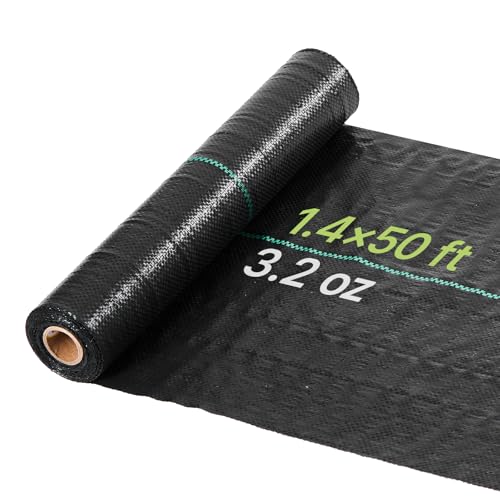
VEVOR 1.4x50FT 3.2oz Weed Barrier Fabric

FEED GARDEN 4FT x 100FT Landscape Fabric with Stakes

3x50FT Weed Barrier Landscape Fabric 3.2oz

HOOPLE 3FT*100FT Premium Landscape Fabric Weed Barrier
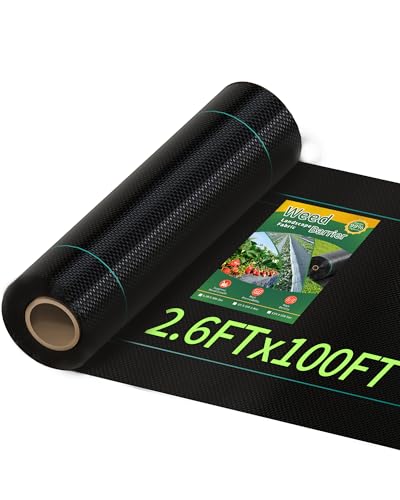
Pterying Weed Barrier Landscape Fabric Heavy Duty

Jevrench 5 oz Heavy Duty Weed Barrier Fabric
More On The Choices That Made The List
Gardeners working with mixed annuals and perennials often run into the same trade-off: dense weed blocking that still lets the bed breathe. This VIVOSUN roll takes a different route, pairing a woven top layer with a non-woven underlayer so water moves downward instead of pooling on top.
At 3 by 100 feet, the roll covers a small backyard bed without needing seams, and the needle-punched construction resists fraying along cut edges. For most home beds with consistent rainfall or drip irrigation, the permeability profile keeps roots from suffocating during wet weeks. Compared with later picks like the VEVOR 1.4 by 50-foot strip, this one trades narrow-path convenience for broader coverage.
The Helpful Details
- Dual-layer build channels water through both layers instead of shedding it sideways.
- 3 by 100-foot coverage suits a single medium bed or several smaller ones.
- Cut edges stay cleaner during installation, reducing fray cleanup.
- Breathable profile helps during storm-heavy weeks when runoff builds up.
Things To Consider
- The 3-foot width means seaming for any bed wider than 3 feet across.
- Heavier mulch loads may call for extra staples to keep the fabric flat.
Who It Suits Best
Home gardeners laying out a mixed flower or vegetable bed who want breathable coverage and don’t mind occasional seaming along wider sections.
Look Elsewhere When
The FEED GARDEN 4FT x 100FT Landscape Fabric suits anyone who wants the extra foot of width to avoid seaming on standard 4-foot beds.
Drainage projects and slope stabilization call for a fabric that holds up under gravel and foot traffic, not just under mulch. This VEVOR roll is built like a true geotextile (an engineered fabric used in civil-style ground projects), with an 8-ounce density and a 350N tensile strength rating that puts it well ahead of standard 3.2-ounce garden cloth.
The non-woven polypropylene construction allows water to pass through while filtering sediment, which is why contractors reach for this grade around French drains and retaining wall backfill. For homeowners tackling a drainage trench or a sloped driveway border, the heavier weight pays off in puncture resistance. Where the earlier VIVOSUN pick focuses on breathable layering for plant beds, this one focuses on structural load.
The Good Stuff
- 8-ounce density resists tearing under gravel and stone loads.
- Non-woven fibers filter sediment, keeping French drains from silting in.
- Holds shape on slopes where lighter fabrics tend to slide.
- Tensile rating supports light vehicle traffic on driveway borders.
Worth Noting
- Heavier weight makes the roll harder to carry and reposition solo.
- Overkill for a small flower bed where lighter cloth would do the same job.
- Drains faster than it blocks weeds on its own; pair with mulch for weed suppression.
Key Specs
Right Fit For
DIYers installing a French drain, slope stabilization, or a gravel-edged driveway who want engineering-grade ground cover instead of lightweight garden cloth.
A Better Fit Elsewhere
The VIVOSUN Premium Weed Barrier suits someone laying a flat vegetable bed where breathability matters more than raw load capacity.
Not every project needs a 100-foot roll. Narrow garden strips, walkways, and the edges of raised beds benefit from a tighter footprint that one person can unroll without help. This 1.4 by 50-foot VEVOR fabric fills that role without overbuying.
The 3.2-ounce woven polypropylene matches the density found on most wider rolls, so performance stays consistent even at this slimmer width. For edging a stone path or finishing a small herb bed, the manageable size cuts down on trimming and waste. Compared with the Jevrench 1.3 by 50-foot roll covered later, this one is a touch wider, giving slightly more coverage per linear foot.
What Works In Its Favor
- 1.4-foot width fits standard path borders without excess trimming.
- Manageable 50-foot length is easy to unroll and store between uses.
- 3.2-ounce woven build handles mulch and foot traffic reliably.
- Good match for finishing touches after a larger project.
Points To Note
- Coverage is small for whole-yard projects without buying multiple rolls.
- Woven build blocks sunlight well but needs mulch on top for best results.
Who Will Love This
Apartment gardeners and homeowners edging a path or small planter who want weed control without wrestling a wide, heavy roll.
Skip It When
The CFTEL 3x50FT Weed Barrier suits anyone covering a full raised bed and wanting a mid-width option that still handles like a compact roll.
First-time installers often underestimate how many staples they need, and a separate stake run adds up fast. FEED GARDEN skips that detour by bundling 30 U-shaped stakes with the fabric, so you can unroll and anchor in one afternoon.
The 4-foot width aligns with typical raised bed dimensions, which removes the seaming step required by narrower 3-foot rolls like the VIVOSUN pick. The green guide lines printed on the surface help line up plants evenly, useful for anyone building symmetrical rows. Green guide lines are alignment stripes printed along the fabric to space plants consistently. For new gardeners, those small touches cut the learning curve down.
A Few Highlights
- 30 U-shaped stakes included, no second trip to the store.
- 4-foot width matches common raised bed frames for clean coverage.
- Green guide lines simplify plant spacing for new gardeners.
- Comes as two 4 by 50-foot rolls for easier carrying.
Trade Offs
- Two-roll packaging means a seam down the middle on beds over 4 feet wide.
- Stakes are basic steel; storage in damp sheds may show surface rust over time.
Best Suited To
First-time installers setting up a 4-foot raised bed who want everything needed for anchoring in a single delivery.
Reach For A Different Pick When
The HOOPLE 3FT*100FT Premium Landscape Fabric is a sensible swap for anyone covering a wider irregular bed who doesn’t need bundled stakes.
Raised beds and short borders rarely need 100 feet of fabric, and a 50-foot run keeps leftover material to a minimum. The CFTEL roll splits the difference with a 3 by 50-foot format that’s easy to lift and trim.
At 3.2 ounces, this woven geotextile matches the density used across most mid-grade options on this list, so you’re not trading performance for size. For homeowners refreshing a single raised bed or two narrow borders, the smaller footprint reduces the mess during installation. Compared with the FEED GARDEN roll, this one skips bundled stakes, which is fine if you already have anchors on hand.
A Favorable Mix
- Compact 3 by 50-foot size keeps trimming waste low.
- 3.2-ounce density balances durability and easy handling.
- Geotextile weave supports drainage beneath mulch layers.
- Works well for raised beds, French drain edges, or border runs.
Honest Caveats
- Stakes are not included, so plan to source them separately.
- Only 50 feet of length means repurchasing for larger yards.
Made For
Homeowners refreshing one or two raised beds who want a manageable roll without paying for extra length they won’t use.
Consider Something Else When
The FEED GARDEN 4FT x 100FT Landscape Fabric is a stronger choice for anyone needing stakes included and longer total coverage.
Wider flower beds with curved edges often need a fabric that lays flat without bunching, and a thicker sheet behaves better when trimmed around existing plants. The HOOPLE fold format aims at that exact workflow.
This 3 by 100-foot roll arrives folded rather than tightly rolled, so it flattens out cleanly on the soil with less curling at the edges. The thick profile holds up under bark mulch and river rock, common top dressings in decorative beds. Compared with the Pterying roll covered later, this one skips the UV-stabilized claim but keeps the same woven density for general yard use.
Benefits That Matter
- Folded packaging reduces edge curl during unrolling.
- Thick woven build stays flat under mulch and decorative stone.
- 100-foot length handles medium beds without seaming.
- Trim-friendly surface accepts cutouts around existing plants.
Small Caveats
- 3-foot width still means seams on standard 4-foot raised beds.
- Manufacturer does not list UV stabilization data for this SKU.
Who Should Grab It
Homeowners refreshing a curved decorative flower bed who want a thick sheet that lays flat and trims cleanly around shrubs.
Not Your Match When
The Pterying Weed Barrier Landscape Fabric is a more durable alternative for full-sun beds where UV resistance matters more than fold packaging.
Beds that bake in full sun need more than basic woven polypropylene. Sun exposure breaks down unprotected fabric over a couple of seasons, leaving gaps where weeds push through. The Pterying roll addresses that with UV-stabilized construction aimed at multi-season use.
The 2.6 by 100-foot size fits narrow perennial borders and veggie rows, and the woven build physically blocks the sunlight that triggers weed seed germination. For gardeners leaving fabric in place across growing seasons rather than rotating it annually, UV stabilization extends the useful lifespan. This is also one of the few options here that names UV treatment explicitly in the manufacturer data, useful when comparing across the list.
Positive Takeaways
- UV-stabilized build resists breakdown across multiple seasons.
- Woven polypropylene physically blocks germination-triggering sunlight.
- 2.6-foot width fits perennial borders and veggie row spacing.
- Resists fraying along cut edges for tidy bed borders.
Worth Bearing In Mind
- Narrower 2.6-foot width means more seams on wider beds.
- Heavier mulch loads may call for closer staple spacing than lighter rolls.
Key Specs
Perfect Match For
Vegetable gardeners and perennial bed owners leaving fabric down for multiple growing seasons in full-sun locations.
Where Another Pick Suits Better
The HOOPLE 3FT*100FT Premium Landscape Fabric is a friendlier match for curved decorative beds where fold-flat packaging matters more than UV data.
Tight patches, herb planters, and small perennial corners rarely justify a wide roll, but they do benefit from heavier fabric that resists tearing. The Jevrench 1.3 by 50-foot sheet pairs a compact footprint with 5-ounce density, which is unusual at this size.
Most rolls this narrow ship at 3.2 ounces, so the upgraded weight here gives a longer service life in cramped planters where you can’t easily swap fabric out. For balcony gardeners and townhouse owners working with awkward shapes, the smaller cut size reduces waste. Compared with the 8-ounce VEVOR roll earlier, this one trades raw load capacity for a more domestic scale.
The Value In It
- 5-ounce density is uncommon in narrow 1.3-foot rolls.
- Compact size fits balcony planters and tight corners cleanly.
- Easy to trim around existing shrubs without leftover waste.
- Longer service life than lighter 3.2-ounce narrow rolls.
Points To Keep In Mind
- 1.3-foot width is too narrow for any full-bed coverage.
- 50-foot length caps total coverage at roughly 65 square feet.
Built With In Mind
Balcony and townhouse gardeners needing heavier weed fabric at a size that fits planters and tight corners without trimming waste.
Swap It Out When
The VEVOR 1.4x50FT 3.2oz Weed Barrier Fabric is a reasonable alternative if you want a slightly wider strip and don’t need the 5-ounce weight upgrade.
Choosing Landscape Fabric That Actually Breathes
A permeable weed barrier lets water reach the root zone while keeping germination-triggering sunlight away from the soil. The trick is balancing density, weave type, and width against your bed size and ground cover.
Match The Fabric To The Project
For a French drain or slope, an 8-ounce non-woven geotextile like the VEVOR 8oz roll handles sediment filtering and load stress. For a vegetable bed or flower border, a 3.2-ounce woven polypropylene strikes the right balance between weed blocking and breathability. Drainage fabric is engineered to let water pass quickly while holding soil in place, which matters more on slopes than in flat beds.
Width And Length Decisions
Beds wider than 4 feet benefit from 4-foot-wide fabric to avoid seams. Narrow 1.3 to 1.4-foot rolls make sense for path edges and planters. A 100-foot roll covers most home beds in one run, while 50-foot rolls reduce trimming waste for smaller patches.
Weight And Durability Trade Offs
Heavier fabric (5 to 8 ounces) lasts longer under stone or gravel but is harder to cut and reposition. Lighter 3.2-ounce fabric handles mulch fine and trims easily for seasonal beds. The right weight depends on how long you plan to leave the fabric in place and what you’ll layer on top.
Key Considerations Across These Picks
Where Shoppers Go Wrong
The most common mistake is buying non-woven geotextile for a flower bed expecting it to block weeds, when non-woven fabric is designed for drainage filtration rather than light blocking. Woven polypropylene is the better choice for beds. Another trap is underestimating staple needs: most rolls ship without anchors, and a separate stake run is easy to forget during checkout.
Where The Extra Money Goes
Heavier 5 to 8-ounce fabric costs more because of denser polypropylene fiber and UV-stabilized treatments. The upgrade pays off when fabric stays down across multiple seasons, sits under gravel, or covers a slope where lighter cloth would tear. For one-season vegetable beds, a mid-weight 3.2-ounce roll gives the same weed control without the extra cost.
Frequently Asked Questions
Do all landscape fabrics let water through?
No. Woven polypropylene fabrics allow water and air to pass while blocking sunlight, while non-woven geotextiles are engineered for drainage filtration and may not block all weed growth on their own. Match the weave type to the project: woven for beds, non-woven for drains.
How long does landscape fabric typically last?
Under mulch and limited sun exposure, woven polypropylene fabric commonly lasts 3 to 5 years. UV-stabilized options can stretch further in full-sun beds, though the fabric still breaks down faster when left uncovered.
Can I reuse landscape fabric from one season to the next?
Often yes, as long as the fabric was not torn during removal and the mulch layer above it stayed in place. Roll it up carefully at season end to avoid stretching the weave out of shape.
Do I need to put mulch on top of landscape fabric?
Yes for most woven fabrics, since mulch protects the material from UV damage and improves the visual finish. Mulch also helps the fabric stay flat during heavy rain and prevents wind lift on exposed sections.
Is heavier landscape fabric always better?
Not necessarily. Heavier 5 to 8-ounce fabric resists tearing but is harder to cut and reposition, which adds work for small beds. A 3.2-ounce woven roll covers most home garden needs without the extra weight.
Closing Remarks
Pick the fabric that matches your bed size, ground cover, and how long you plan to leave it down. Drainage and slope projects want non-woven geotextile, while flower and vegetable beds benefit from woven polypropylene that breathes. For most home gardeners, a 3.2-ounce woven roll in the right width is enough to handle weeds without sealing off the soil.
