

A gravel walkway looks great for one season. Then the weeds push through, the stones sink into soft soil, and rain starts washing everything sideways. The right landscape fabric under rock turns that mess into a low-maintenance surface that stays put for years. This list rounds up eight options worth your attention, whether you’re laying a quiet garden path or reinforcing a full driveway.
The Main Contenders
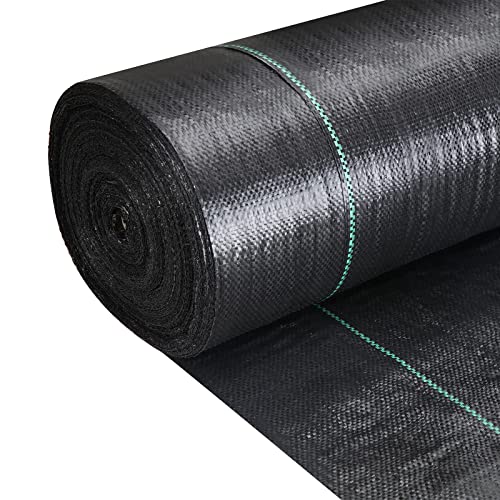
DWALE Commercial Weed Barrier Driveway Fabric 6×300 ft

VEVOR 6FTx100FT Non-Woven Geotextile Heavy Duty 8oz Driveway Underlayment (Black)
VEVOR Geotextile Landscape, 6ft x 50ft 8 oz Non-Woven PP (Black)

FEED GARDEN 4FT x 100FT Landscape Fabric Weed Barrier (2 Pack)

Vanver 4ft x 300ft Heavy Duty Weed Barrier Fabric
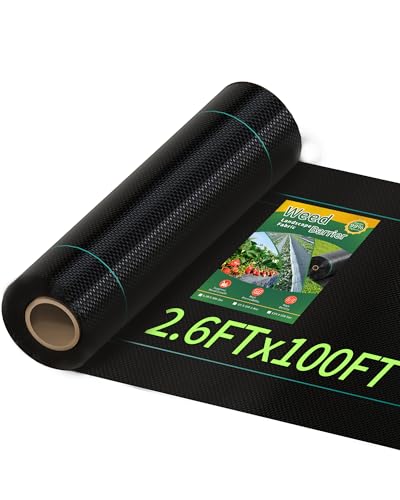
Pterying Weed Barrier Landscape Fabric Heavy Duty Geotextile 2.6ftx100ft
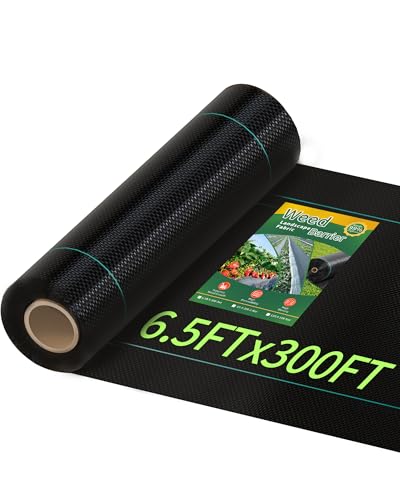
Pterying 6.5x300ft Weed Barrier Landscape Fabric Heavy Duty, 3oz

DWALE 13×115 ft Driveway Fabric 5OZ French Drain Fabric
The Picks, Examined More Closely
Laying fabric across a long rural drive means fighting one enemy above all: seams. The DWALE Driveway Fabric 6×300 ft rolls out 300 linear feet at a 6-foot width, which means most driveways get covered with a single run rather than patchwork joins. The polyethylene weave is rated at 3.5 ounces per square yard, a middleweight that handles foot traffic and light vehicle loads without feeling flimsy.
The brand ships this in folded packaging at a 3-foot fold, so you will need to unroll and flatten it before installation. That extra step is a small annoyance, but the trade-off is a denser weave than many comparably priced rolls. Owners commonly report that the material holds up well under pea gravel and decorative stone, though sharp angular rock can stress the weave over time.
Where It Delivers
- 300-foot length minimizes seams across standard driveways
- 3.5 oz density balances durability with manageable weight
- Polyethylene construction resists tearing during installation
- Wide enough for most single-car lanes without overlap
Things To Consider
- Folded packaging adds an extra unrolling step
- Not the thickest option for repeated heavy truck traffic
- Sharp crushed stone may shorten service life
Key Product Details
Built With In Mind
Homeowners with long gravel or crushed-stone driveways who want a single continuous fabric run without overlapping panels.
A Better Fit Elsewhere
For wide commercial access roads, the DWALE 13×115 ft Driveway Fabric 5OZ French Drain Fabric offers a heavier 5-ounce weave and broader coverage in one panel.
Non-woven geotextile fabric behaves differently from woven options, and the VEVOR 8oz roll makes that difference obvious. Instead of a tight checkerboard weave, the fibers are randomly pressed and bonded, creating a felt-like mat that excels at separating soil layers while letting water pass through. The 8-ounce weight is genuinely heavy, which is why contractors reach for this format under driveways, French drains, and retaining wall bases.
At 6 by 100 feet, you get 600 square feet per roll, enough for a moderate driveway or several French drain runs. Compared with the DWALE Driveway Fabric 6×300 ft, this VEVOR trades length for raw thickness. You will need more seams on long projects, but each seam sits on a sturdier foundation.
Positive Takeaways
- 350N tensile strength handles heavy static loads
- Non-woven PP fibers drain freely without clogging
- Resists erosion under aggressive water flow
- Excellent choice for French drain and base stabilization
Trade Offs
- Heavier weight makes solo handling tiring
- Limited 100-foot length means more seams on long driveways
- Premium density increases material cost per square foot
Feature Snapshot
Whose Shelf It Belongs On
Property owners building French drains, gravel driveways, or retaining wall bases who need serious load-bearing fabric and do not mind extra seams.
Consider Something Else When
If you need a single continuous run for a long rural driveway, the DWALE Driveway Fabric 6×300 ft avoids the seam-count problem at a lighter weight.
Sometimes you only need 300 square feet of fabric, and hauling a 100-foot roll around the yard for a single drain project is pure hassle. The VEVOR Geotextile Landscape 6ft x 50ft 8 oz offers the same 8-ounce non-woven PP construction as its longer sibling, just in a tighter package. That makes it a smart option for spot repairs, narrow French drains, or foundation edges where you do not want leftover material sitting around.
The 6-foot width still lets you span most residential walkways without joining panels. Compared with the VEVOR 8oz 6×100 roll, this format sacrifices coverage for convenience. You will pay roughly the same per square foot, but you avoid wrestling a heavy roll through tight side yards.
Advantages To Know
- 50-foot length is easy to handle and store
- Same 350N tensile strength as the 100-foot version
- Non-woven matrix handles drainage and separation
- Minimal leftover waste on small projects
Small Caveats
- Coverage limits it to smaller jobs
- Multiple rolls needed for full driveways
Quick Facts
Right Fit For
Homeowners tackling narrow French drains, foundation plantings, or small patio bases who want premium fabric in a manageable size.
Swap It Out When
For long garden beds where you want maximum coverage in one piece, the Vanver 4ft x 300ft Heavy Duty Weed Barrier Fabric stretches across without joins.
Anyone who has wrestled loose landscape fabric across a bed knows that wind is the real enemy during installation. The FEED GARDEN 4FT x 100FT Landscape Fabric Weed Barrier solves that pain point by bundling 30 U-shaped stakes into the package, so you can pin the material down the moment it touches soil. It also arrives as two 4×50 rolls, which is easier to carry than one giant bundle.
The polypropylene weave runs 3.2 ounces per square yard, putting it in the same middleweight class as the DWALE Driveway Fabric 6×300 ft but in a more compact format. Green guide lines run across the surface, which helps you align plants in straight rows without measuring tape. That kind of detail makes a noticeable difference for first-time gardeners.
Everyday Perks
- Included U-stakes solve the loose-fabric problem
- Green guide lines simplify plant alignment
- Two-pack format is easier to transport than single rolls
- Cut-to-size flexibility for irregular beds
A Few Limitations
- Light-to-mid weight, not suited for vehicle loads
- 4-foot width may need overlaps on wider beds
Who Will Love This
First-time gardeners and weekend landscapers who want everything needed for a clean install in one box, without buying stakes separately.
Not Your Match When
For driveways or heavy gravel areas, the VEVOR 8oz non-woven underlayment provides far stronger load support.
Long garden beds eat fabric fast, and buying multiple short rolls means seams everywhere weeds can sneak through. The Vanver 4ft x 300ft Heavy Duty Weed Barrier Fabric stretches a generous 300 feet in a single panel, so you can cover an entire side yard or vegetable bed without joining pieces. The 3.2-ounce polypropylene build is the same density range as the FEED GARDEN option, but without the bundled stakes.
The 4-foot width suits raised beds and narrow planting strips. It also works under light decorative gravel in walkways, though you would want something heavier for full driveway use. Compared with the Pterying 6.5x300ft Weed Barrier Landscape Fabric Heavy Duty, this option trades width for a slightly tighter weave.
Good Reasons To Consider
- 300-foot length reduces seams on long beds
- 3.2 oz polypropylene is durable under foot traffic
- Permeable design allows water and nutrients through
- Simple cut-to-fit installation
Honest Caveats
- No stakes included, so plan to source your own
- 4-foot width needs overlaps on wider installations
Best Suited To
Gardeners with long raised beds, side-yard planting strips, or light gravel walkways who value continuous coverage over extra width.
Reach For A Different Pick When
For wider patios that need fewer overlaps, the Pterying 6.5x300ft Weed Barrier Landscape Fabric Heavy Duty offers a broader 6.5-foot panel.
Narrow pathway fabric has its place, and the Pterying Weed Barrier Landscape Fabric Heavy Duty Geotextile 2.6ftx100ft leans into that niche. At just under 32 inches wide, this roll fits between raised bed rows, along fence lines, and in tight vegetable garden strips where wider panels would just go to waste. The 2.4-ounce woven polypropylene is light enough to cut with household scissors yet UV-stabilized for multiple seasons outdoors.
The narrow format also means less material to haul home from the store, which matters for anyone without a truck bed. It will not hold up under vehicle loads, but for garden pathways it punches well above its weight class. Compared with the Vanver 4ft x 300ft, this trade-off is straightforward: narrower, lighter, and easier to position.
Practical Advantages
- Narrow width ideal for garden rows and pathways
- Lightweight roll easy to carry and position
- UV-stabilized for multi-season service
- Affordable option for small projects
Where It May Fall Short
- Light 2.4 oz weight not suited for vehicle traffic
- 2.6-foot width requires many strips for wider beds
Who Should Grab It
Vegetable gardeners and homeowners laying narrow garden pathways who need affordable weed suppression without overbuying material.
Where Another Pick Suits Better
For full garden beds, the FEED GARDEN 4FT x 100FT Landscape Fabric Weed Barrier (2 Pack) offers broader coverage and includes stakes.
Wide gravel patios demand wide fabric, and the Pterying 6.5x300ft Weed Barrier Landscape Fabric Heavy Duty delivers a 6.5-foot panel that covers most patio footprints in a single pass. The 3-ounce woven polypropylene hits a sweet spot: heavier than entry-level 2.4-ounce rolls, lighter than the 3.5- and 5-ounce driveway fabrics, and easy enough to handle without a second pair of hands.
Tensile strength is rated at 146 pounds per 5-centimeter strip and up to 600 pounds across the full width, which gives you real headroom under decorative stone and bark mulch. The permeable weave lets rain soak through to the soil beneath rather than skating off the surface. Owners commonly report that the fabric stays put underfoot and resists tearing when rocks shift.
A Few Strong Suits
- 6.5-foot width minimizes seams on wide patios
- 146 lb/5cm tensile strength resists tearing
- Permeable weave allows water infiltration
- 300-foot length handles large projects
Less Ideal Details
- 3 oz weight is mid-range, not for heavy vehicle loads
- Full roll weight can be awkward for one person
Feature Rundown
Perfect Match For
Homeowners installing wide gravel patios, fire pit areas, or large decorative stone features where a single continuous panel matters.
Skip It When
For driveways with regular vehicle traffic, the DWALE 13×115 ft Driveway Fabric 5OZ French Drain Fabric offers stronger load capacity.
When the project calls for commercial-grade results, the DWALE 13×115 ft Driveway Fabric 5OZ French Drain Fabric steps up. The 13-foot width is wide enough to span an entire two-lane driveway or access road in a single pass, and the 5-ounce polyethylene build is the heaviest density on this list. That kind of thickness matters under heavy truck traffic, compacted gravel, or erosion-prone slopes.
The 115-foot length totals about 1495 square feet per roll. The woven construction remains permeable, so water drains through rather than pooling on top, which is essential for French drain installations. Compared with the VEVOR 8oz non-woven roll, this DWALE uses a tighter woven pattern that resists stretch and puncture under sharp crushed stone. For serious jobs it is hard to beat, though residential gardeners will find it overkill.
Key Advantages
- 13-foot width covers full driveways without seams
- 5 oz density handles heavy vehicle loads
- Polyethylene weave resists tearing and puncture
- Permeable structure supports drainage installations
Points To Note
- Heavier roll is harder to maneuver alone
- Higher density increases cost per square foot
Feature Card
Made For
Contractors and property owners installing full-width driveways, access roads, or French drains where maximum durability matters more than budget.
Look Elsewhere When
For backyard patios and garden paths, the Pterying 6.5x300ft Weed Barrier Landscape Fabric Heavy Duty offers easier handling at lighter weight.
What Matters Most Before Choosing Landscape Fabrics Under Rock
Landscape fabric under rock is not a one-size-fits-all decision. The right pick depends on the weight of your rock, the load above it, and how much water needs to drain through.
Weight And Density Ratings
Fabric density is measured in ounces per square yard, and that number tells you almost everything about durability. Anything in the 2.4 to 3-ounce range handles foot traffic, bark mulch, and light decorative gravel. Driveways and areas with vehicle traffic need 3.5 ounces at minimum, with 5-ounce fabric reserved for commercial or heavy-load installations. Choosing too light a weight is the most common mistake, and it shows up as torn fabric and sinking stones within a season.
Woven Vs. Non-Woven Construction
Woven fabric uses interlaced polypropylene threads in a grid pattern, which gives it high tensile strength and good tear resistance. Non-woven fabric bonds fibers randomly into a felt-like mat, which drains more freely but stretches under heavy loads. For pure weed suppression and decorative rock, woven usually wins. For French drains and soil separation where drainage matters most, non-woven is the better fit.
Width, Length, And Seam Count
Every seam is a potential weak point where weeds eventually push through and stone shifts into the gap. Longer and wider panels minimize that risk. Calculate your total square footage, then add 10 percent for overlap and trimming. Smaller rolls cost less upfront but often leave you with more seams than you bargained for.
Common Ground Between Picks
Two practical themes run through this entire list, and they are worth weighing before you commit.
Pitfalls Shoppers Hit
The most frequent mistake is buying fabric that is too light for the planned use. A 2.4-ounce roll under a gravel driveway will fail within a year, no matter how carefully it is installed. Skipping overlap between panels is another common trap. Aim for at least 6 inches of overlap where panels meet, and stake the seams down so they do not shift when you spread rock. Finally, do not forget that fabric needs a proper base. Lay it on compacted soil, not loose fill, or you will see sagging and settling where the ground shifts.
Where The Extra Money Goes
Higher-priced fabric on this list earns its keep in three places: thicker material that resists tearing, wider panels that reduce seams, and non-woven construction that handles drainage better. The VEVOR 8oz and DWALE 5OZ options cost more per square foot, but they hold up under vehicle traffic and aggressive water flow where lighter rolls fail. For light garden paths, the extra weight is overkill. For driveways and French drains, it is the difference between a job done and a job done right.
Frequently Asked Questions
How thick should landscape fabric be under rock?
For decorative gravel and foot traffic, 3 to 3.2 ounces per square yard is the practical minimum. Driveways and areas with vehicle loads need 3.5 ounces or higher, with 5 ounces reserved for commercial-grade installations.
Can I use plastic sheeting instead of landscape fabric?
Plastic sheeting blocks water along with weeds, which causes runoff, pooling, and dead soil over time. Landscape fabric is specifically designed to be permeable, so water reaches the ground while weed seeds stay blocked.
Do I need to remove grass before laying fabric?
Yes. Removing existing vegetation and laying fabric on cleared, compacted soil gives the best long-term results. Laying fabric over live grass usually leads to decomposition gaps and weed breakthrough within a season.
How long does landscape fabric last under rock?
Under covered conditions, quality woven fabric lasts 5 to 10 years before UV exposure degrades it. Heavy 5-ounce commercial fabric can last longer, especially when covered promptly with rock or mulch.
Should I use staples or stakes to hold fabric down?
Staples or U-shaped stakes are strongly recommended, especially on slopes or windy sites. Without them, fabric shifts during rock placement and leaves gaps that weeds exploit.
Wrap Up
The right fabric under rock depends less on brand names and more on matching weight, width, and construction to the job at hand. Light garden paths thrive on 3-ounce woven rolls in manageable sizes, while driveways and French drains demand heavier non-woven or commercial-grade material with fewer seams. Take a few minutes to measure your site and calculate square footage before you buy, and you will end up with a surface that looks sharp and stays put for years.
