

Big gardens demand tools that won’t quit halfway through the row. The right tiller turns compacted soil, sod, and stubborn root systems into workable ground without wearing out your arms, and the wrong one costs you a full Saturday. This lineup covers gas workhorses for serious ground-breaking, mid-size cultivators for established beds, and cordless options for anyone who’d rather skip the pull cord. Eight picks, each mapped to a clear type of gardener and yard.
A Snapshot Of The Selections

EARTHQUAKE Victory Rear Tine Tiller (Red/Black)

Honda FG110 Mini Tiller Cultivator

SENIX 4QL 4-Cycle Gas Tiller Cultivator
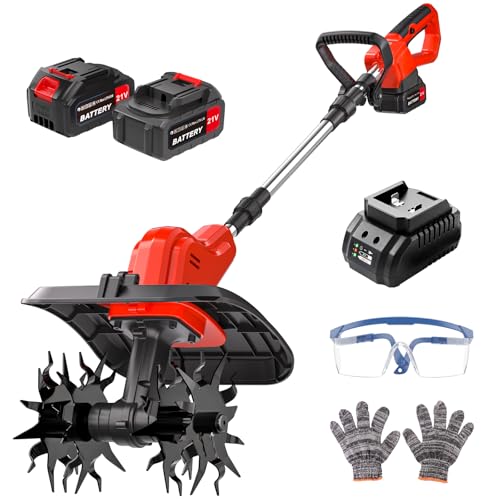
21V Cordless Tiller with Dual Batteries

IncwBo 12-Inch Corded Electric Tiller

Seesii 40V Cordless Tiller Cultivator
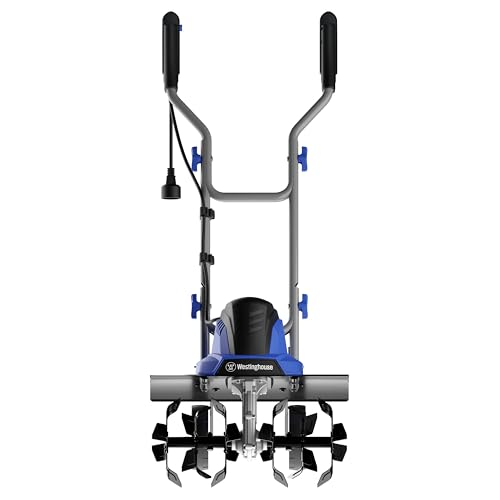
Westinghouse 18-Inch Corded Electric Tiller
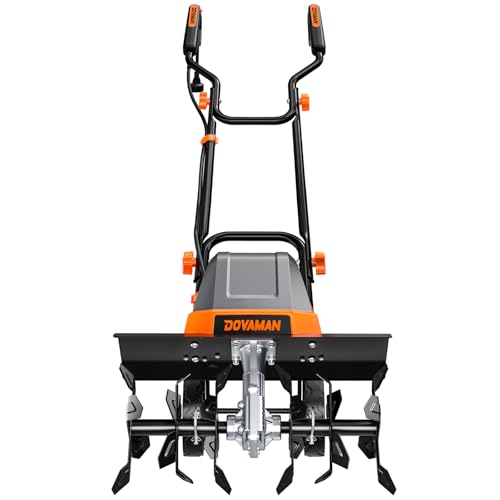
DOVAMAN 18-Inch Corded Electric Tiller
More Details On Our Top Picks
The Victory earns its place when sod, clay, or unbroken ground is the actual job. A 209cc Viper four-cycle engine (a four-cycle uses separate chambers for fuel and oil, so there’s no mixing) drives a cast-iron transmission filled with bronze gears. That combination is the kind of build you see on rental-floor machines, and it explains why this tiller feels heavier and steadier than most home-grade units.
Counter-rotating tines (CRTs) spin in the opposite direction of the wheels, biting aggressively into packed soil rather than skating over it. For a homeowner opening a fresh vegetable plot or reclaiming an overgrown corner, that grip matters more than raw width. Instant reverse saves the awkward three-point turn at the end of every row.
Reasons It Performs
- Bronze gear transmission, an upgrade over typical stamped-steel gearing, handles repeated heavy loads without warping.
- Counter-rotating tines make short work of unbroken sod, so a first-time tilling job feels less like a wrestling match.
- Pneumatic wheels (air-filled tires) absorb shock and keep the chassis planted on uneven ground.
- 209cc four-cycle engine produces genuine ground-breaking torque, not just surface cultivation.
Things To Consider
- Its size and weight make it harder to maneuver in tight raised beds, and storage requires a garage corner or shed.
- Gas engine upkeep (oil checks, fuel stabilizer) is a real commitment for occasional weekend use.
Key Specs
Who It Suits Best
Homeowners converting lawn into garden or reclaiming an overgrown plot who want a tiller that handles real soil, not just fluffy topsoil.
Where Another Pick Suits Better
The Honda FG110 Mini Tiller Cultivator fits better for narrow raised beds and tight corners where the Victory’s rear-tine frame simply can’t reach.
Honda’s FG110 is the small tiller that punches above its weight. The GX25 four-stroke engine is one of the most reliable mini powerplants in the category, starting on the first or second pull in most conditions. Honda’s hybrid tine design splits the difference between digging and cultivating, with some blades angled to slice and others to churn.
For a backyard with established flower beds, this is the kind of tool you keep on a hook by the back door. Compared to the Earthquake Victory reviewed above, the FG110 trades ground-breaking force for fingertip control in tight spaces. It’s also light enough to carry between garden rows without dragging.
Noteworthy Benefits
- Honda GX25 engine starts reliably and runs cleanly without oil mixing.
- Hybrid tine geometry handles both soft cultivation and shallow digging.
- Compact frame reaches into narrow rows and between perennials.
- Lightweight enough to transport in a compact car trunk.
Worth Noting
- Not built for breaking new ground; rocky or root-heavy soil will stall it quickly.
- Tilling width is modest, so large plots take significantly longer than with a rear-tine machine.
Made For
Gardeners with established beds and tight layouts who want low-effort seasonal cultivation and a tiller that’s easy to live with.
Skip It When
The SENIX 4QL is the better match for anyone needing 15-inch coverage and a deeper 8-inch cut on a mid-size yard.
The SENIX 4QL sits in the practical middle of this list. A 46cc full-crank engine (full crank means the piston connects directly to a full-length crankshaft, similar to car engines, which extends life) produces usable torque without the bulk of a rear-tine machine, and the four-cycle design eliminates the gas-and-oil mixing step that catches first-time users off guard.
What makes it stand out for homeowners with limited shed space is the foldable handle design. The tiller collapses down for off-season storage in a closet corner or behind the lawn mower. With 15-inch width and 8-inch depth, it covers a meaningful strip per pass, more than a cultivator like the Honda FG110 but less aggressive than the Earthquake Victory.
What Pays Off
- Foldable handles make off-season storage realistic in a small garage or shed.
- No fuel mixing simplifies ownership for first-time four-cycle tiller owners.
- 15-inch tilling width balances coverage with maneuverability for most backyards.
- 8-inch depth handles spring seedbed prep without excessive strain.
Trade Offs
- Less torque than the Earthquake, so hard clay or thick sod may require multiple passes.
- Gas engine still needs fuel stabilizer and seasonal oil changes.
Best Suited To
Suburban gardeners with a mid-size plot and limited storage who want gas tilling power in a foldable package.
Not Your Match When
The Seesii 40V Cordless Tiller is a better fit for anyone avoiding gas engines and oil maintenance altogether.
The POGGT 21V is the tiller for people who think of “rototiller” and immediately picture noise, fumes, and a tangled extension cord. Two 4.0Ah batteries ship in the box, and the 360RPM motor turns at a useful clip for stirring compost into raised beds or prepping a small annual plot. The battery display is a small but meaningful touch, removing the guesswork from mid-job power levels.
Realistically, an 11.8-inch width and 6.6-inch depth won’t replace a gas tiller for serious ground work, but for patio gardens and raised beds the convenience trade is worth it. You swap a battery instead of refilling gas, and storage is just a shelf in the closet.
Strong Points
- Dual 4.0Ah batteries extend usable runtime, and the dock charger refills them in roughly 2 to 3 hours.
- Onboard battery display shows remaining charge so you can plan around it.
- Cordless operation eliminates the trip-hazard of a power cord across the yard.
- Light enough for apartment dwellers with no garage storage.
Small Caveats
- Real-world runtime depends heavily on soil density, so heavy clay may drain a battery faster than expected.
- Not designed to break new ground, so it works as a cultivator, not a sod-buster.
Perfect Match For
Apartment and condo gardeners maintaining raised beds or small flower plots who want quiet, fume-free operation.
Look Elsewhere When
The Westinghouse 18-Inch Corded Electric Tiller makes more sense for a medium yard where you need wider coverage and don’t mind running extension cord.
The IncwBo electric tiller is the kind of straightforward machine that appeals to anyone who doesn’t need extra features. A 10.5-amp motor drives a 12-inch tilling swath, and at a manageable weight it’s approachable for gardeners who don’t want to wrestle a heavier machine. Corded electric means unlimited runtime as long as you can run an outdoor-rated extension cord to the bed.
It sits in a useful gap between the POGGT cordless tiller reviewed above and a full mid-size cultivator. The 8-inch depth is meaningful for working compost into a bed, and the corded design sidesteps the runtime anxiety that comes with battery-powered units.
Features That Help
- 12-inch width covers a useful swath without being unwieldy in tight spaces.
- Corded power means no battery anxiety for longer sessions.
- 10.5-amp motor handles typical home garden soil without bogging down in light loam.
- Lightweight frame simplifies transport and storage.
Honest Caveats
- Extension cord limits reach and adds a tripping hazard in busy yards.
- Underpowered compared to the 15-amp corded models later in this list.
Right Fit For
First-time tiller owners with a small garden who want simple plug-in operation without the cost of larger electric models.
Consider Something Else When
The DOVAMAN 18-Inch Electric Tiller is a better step up if you need wider coverage and 9-inch depth on a medium vegetable bed.
The Seesii 40V steps up from entry-level cordless tillers with a 320W motor and four steel tines, enough muscle for compacted soil that would stop a 21V machine cold. A 12-inch tilling width matches the corded IncwBo reviewed above, but you give up the cord. For a yard with multiple garden areas separated by a patio, that matters.
The 40V platform also gives owners room to grow into other compatible Seesii tools down the road, so the battery investment isn’t stranded. The honest read: this lands well for someone who values portability over the unlimited runtime a corded 15-amp model delivers.
The Case For It
- 40V battery delivers noticeably more torque than 18V or 21V garden tools.
- Four steel tines handle compacted soil and small roots more confidently than mini cultivators.
- Cordless design makes it easy to move between raised beds separated by lawn or patio.
- Steel tine construction outlasts plastic tines under regular use.
Points To Keep In Mind
- Battery runtime drops fast in dense clay, so a second battery is a wise add-on.
- Heavier than 21V-class tillers, which can wear on extended sessions.
Who Will Love This
Gardeners with multiple mid-size beds who want real cordless power without running extension cords across the yard.
A Better Fit Elsewhere
The Earthquake Victory makes more sense for a homeowner breaking ground on a brand-new plot, where cordless tillers simply lack the torque.
The Westinghouse 18-inch is the corded-electric answer for gardeners who want gas-like coverage without the maintenance. A 15-amp motor spins six steel blades up to 400 RPM, an aggressive speed that chews through loose soil and root-filled beds faster than most cordless models can manage. The 18-inch working width covers meaningful ground per pass, so a medium bed takes fewer laps.
Like the DOVAMAN covered next, this sits in the same broad category but feels distinctly heavier-duty in the hand. For a gardener with a defined work area and a long enough extension cord, the Westinghouse rewards you with consistent, fade-free power until the job is done.
Where It Helps
- 18-inch width reduces passes, cutting your time on a medium bed noticeably.
- 15-amp motor produces corded-constant power that doesn’t fade as a battery drains.
- Six steel blades cut aggressively through compacted soil and light root mats.
- No gas, oil, or pull-cord maintenance.
Less Ideal Details
- Requires a heavy-duty outdoor extension cord rated for the amp draw.
- Bulkier frame is harder to store than the IncwBo 12-inch reviewed earlier.
Key Specs
Built With In Mind
Homeowners with a medium vegetable garden and accessible power who want wide, fast electric tilling without gas upkeep.
Reach For A Different Pick When
The POGGT 21V Cordless Tiller is a better match for small patio gardens where an extension cord would be more hassle than help.
The DOVAMAN closes out this list with a strong showing for serious bed prep. A 15-amp motor and 380RPM output turn a wide 18-inch swath at a useful clip, and the 9-inch tilling depth is the deepest among the corded options in this roundup. For spring veggie bed work, that extra inch over the Westinghouse is a real benefit when turning cover crops or working in heavy amendments.
Like the Westinghouse, it trades the freedom of cordless for the steady, fade-free output only a wall outlet can deliver. For gardeners with a medium yard and a reachable outlet, that trade feels right.
What Helps Most
- 9-inch tilling depth is the deepest in this corded class, useful for working amendments deep into the bed.
- 18-inch width reduces passes on larger plots.
- 15-amp motor maintains torque under load without the runtime drop of a battery.
Practical Considerations
- Extension cord setup takes longer to plan than grab-and-go cordless units.
- Less portable than the POGGT 21V for far-flung garden corners.
Whose Shelf It Belongs On
Vegetable gardeners with a defined medium-size bed and accessible power who want the deepest corded tilling in this lineup.
Swap It Out When
The Honda FG110 Mini Tiller is the right pick for tight perennial beds where the DOVAMAN’s wide frame simply won’t fit.
What Matters Most Before Choosing Large Garden Tillers
Power Source and Yard Layout
The first real decision is gas, corded electric, or cordless battery. Gas tillers like the Earthquake Victory and SENIX 4QL deliver the torque needed to break new ground, but they demand fuel, oil, and a storage footprint. Corded models such as the Westinghouse and DOVAMAN trade mobility for steady, fade-free power and zero fuel hassle. Cordless units like the POGGT 21V and Seesii 40V free you from cords entirely, though runtime becomes a real factor in dense soil.
Tilling Width and Depth
Width determines how many passes a bed needs, and depth determines how aggressively you can work amendments into the soil. An 18-inch corded unit covers ground quickly but feels unwieldy in narrow raised beds. A 9-inch or 11.8-inch cultivator slips between rows and around perennials. Matching the tiller to the bed geometry saves time and frustration.
Tine Design and Soil Type
Front-tine tillers work well for soft, previously worked ground. Rear-tine counter-rotating setups, found on the Earthquake Victory, dig into unbroken sod and clay where front-tine machines would skate. Steel tines outlast plastic in rocky or root-heavy soil, which is worth considering for long-term ownership.
Storage, Weight, and Long-Term Maintenance
Foldable handles, like those on the SENIX 4QL, make a real difference in a small garage. Battery tools weigh less and store on a shelf. Gas models are heavier and need seasonal oil changes, fuel stabilizer, and a dedicated corner. The honest trade-off is capability versus convenience, and the right answer depends on your shed, your soil, and how often you till.
Key Considerations Across These Picks
Mistakes Worth Dodging
Choosing by tilling width alone is a common trap. An 18-inch corded model is a poor match for narrow raised beds no matter how fast it covers open ground. Equally, buying a small cultivator for breaking new sod leads to frustration and stalled blades. Match the machine to the soil, not the marketing. Also worth noting: underestimating extension cord gauge. A 15-amp tiller on a lightweight cord loses power and can overheat the motor. Use a cord rated for outdoor, high-amp use.
Where The Extra Money Goes
The jump from a budget corded model to a premium pick usually buys a stronger transmission, steel tines instead of plastic, a deeper tilling depth, or a more reliable engine. On gas units, the upgrade often shows up as bronze gearing and a heavier gearbox, the kind of components that determine whether the tiller lasts five seasons or fifteen. On cordless, the extra cost usually goes into battery capacity and motor wattage, which directly translates to usable torque in real soil.
Frequently Asked Questions
How do I know if I need a rear-tine tiller or a cultivator?
Rear-tine tillers like the Earthquake Victory are designed for breaking new ground, sod, and compacted clay. Cultivators like the Honda FG110 or POGGT 21V work best for stirring already loose soil, weeding between rows, and mixing amendments into established beds. If your soil has never been tilled, you almost certainly want the rear-tine class.
Can cordless tillers really handle clay soil?
Cordless tillers have improved significantly, and a 40V unit like the Seesii can manage light to moderate clay. Dense, dry clay will drain batteries quickly and may stall the motor. For genuinely heavy clay, a corded 15-amp or gas rear-tine tiller is still the more realistic tool.
What extension cord do I need for a corded electric tiller?
A 15-amp corded tiller needs a heavy-gauge outdoor-rated cord, typically 12-gauge or 10-gauge for longer runs. Light-duty indoor cords cause voltage drop, which robs the motor of torque and generates excess heat. Check the tiller’s manual for the recommended gauge and length limits.
How deep should a garden tiller dig?
For most vegetable gardens, 6 to 8 inches of working depth is enough to incorporate compost and prepare a seedbed. For new ground or deep amendment work, look for tillers with 8 to 9 inches of depth, like the DOVAMAN 18-Inch or SENIX 4QL. Going deeper than 9 inches is rarely necessary for home gardens.
How do I maintain a gas tiller between seasons?
Drain or stabilize the fuel, change the oil per the manufacturer’s schedule, clean the air filter, and inspect the tines for damage. Store the tiller in a dry space with the handles folded if possible. A few minutes of off-season care dramatically extends the life of a gas tiller.
The Takeaway
The right tiller comes down to your soil, your bed size, and your tolerance for maintenance. Big new plots call for a rear-tine gas machine like the Earthquake Victory. Established beds and tighter layouts lean toward a compact cultivator like the Honda FG110, and anyone skipping gas and cords has solid options in the POGGT 21V and Seesii 40V. Match the tool to the job, and spring bed prep becomes a Saturday project, not an all-weekend ordeal.
