

Your lawn quietly prepares for winter long before the first hard frost shows up. Late fall feeding, applied while grass is still growing but the heat has broken, builds deeper roots, stores energy for spring, and gives you a head start on the green-up come April. The right fertilizer depends on what you’re growing: cool-season turf, warm-season turf, shrubs, ornamentals, or a mix of everything.
A Side-By-Side Look
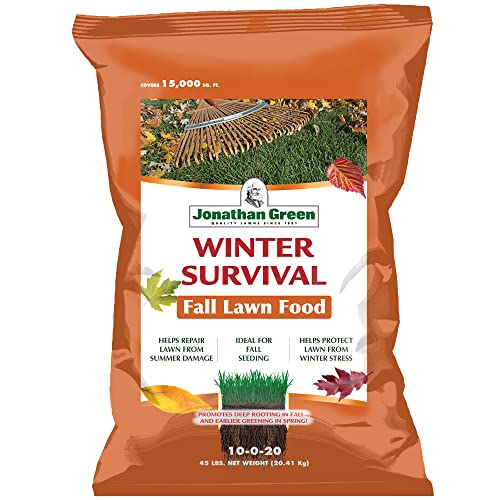
Jonathan Green Winter Survival Fall Lawn Food (15,000 Sq Ft)

Ironite Plus Shrubs & Trees Plant Food 12-10-10
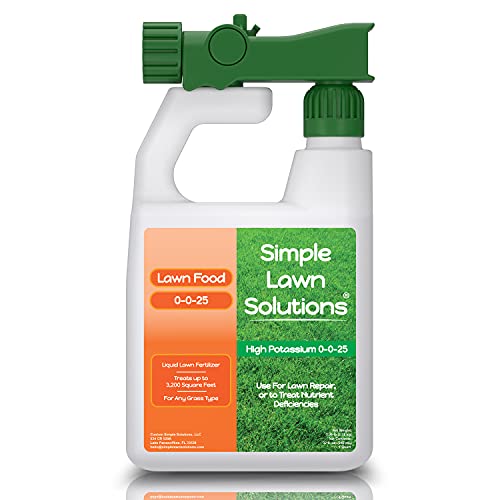
Simple Lawn Solutions High Potassium 0-0-25 Liquid Fertilizer

GreenView Fall Lawn Food 48 lb (15,000 Sq Ft)

Hi-Yield Grower’s Special Fertilizer 12-6-6 (10 lbs)
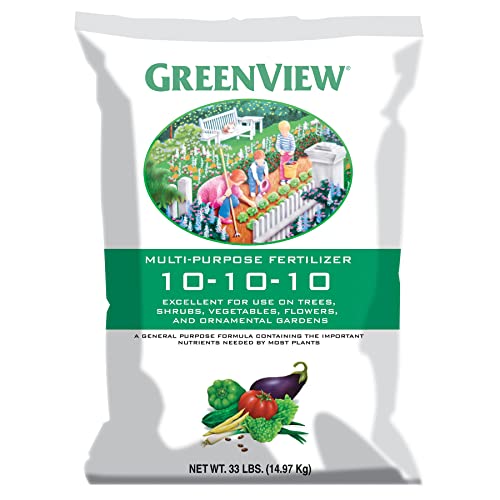
GreenView Multi-Purpose Fertilizer 10-10-10 (33 lb)

Scotts Liquid Green Max Lawn Food (32 oz)
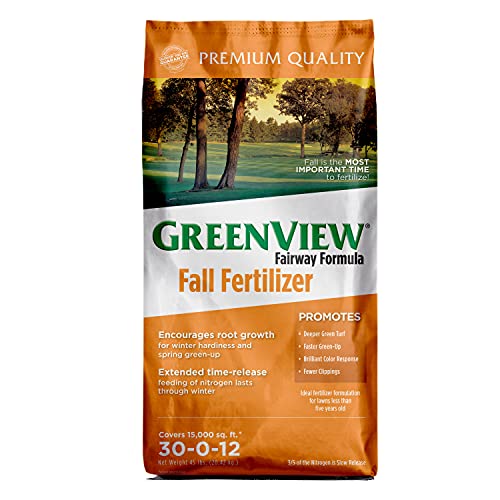
GreenView Fairway Formula Fall Lawn Fertilizer (45 lb)
Meet The Standout Selections
Cool-season lawns in the Northeast and Midwest take a beating from summer heat, and the Jonathan Green Winter Survival formula is built specifically for that recovery window. Its 10-0-20 NPK analysis (that is, 10% nitrogen, 0% phosphorus, 20% potassium by weight) leans hard into potassium, the nutrient most tied to cold tolerance, disease resistance, and root carbohydrate storage. The nitrogen source feeds slowly, so the lawn greens up modestly without a flush of tender top growth right before frost.
For homeowners with a 10,000 to 15,000 square foot yard, a single bag covers the whole property without needing a second pass at the store. Owners commonly report that the granular prills spread evenly through a standard rotary spreader and don’t clump in the bag like some cheaper blends do.
The Case For It
- High potassium ratio supports winter hardiness and root reserves.
- Slow-release nitrogen avoids late-season growth surges that invite snow mold.
- 15,000 square foot coverage handles most suburban lots in a single bag.
- Granular form works with any standard broadcast or drop spreader.
- Trusted brand with broad availability across the Northeast and Midwest.
Things To Consider
- No phosphorus means it’s not ideal for newly seeded or heavily worn patches needing root development.
- Granular fertilizer needs watering in or rainfall within a day or two to activate.
Who It Suits Best
Homeowners with established cool-season turf (fescue, Kentucky bluegrass, perennial rye) in regions where winter truly tests the lawn.
Consider Something Else When
For warm-season grasses like Bermuda or St. Augustine, the Hi-Yield Grower’s Special Fertilizer is a better match.
Woody ornamentals and evergreen shrubs have different late-season needs than turf grass, and Ironite Plus addresses them with a 12-10-10 ratio that includes 2% iron for greening. The added iron helps yellowing hollies, boxwoods, and azaleas hold their color deeper into the cold months, which matters in landscapes where the evergreens carry most of the visual weight through winter. Secondary micronutrients round out the package, addressing deficiencies common in alkaline soils of the Southwest and Mountain West.
A 3-pound bag goes a long way because shrubs and trees use far less fertilizer per square foot than grass. You sprinkle it around the drip line (the outer edge of the canopy where feeder roots spread), lightly work it into the top inch of soil, and water it in. Owners commonly note a visible deepening of green within a few weeks on iron-deficient plants.
Points In Its Favor
- 2% iron corrects chlorosis in acid-loving shrubs and evergreens.
- Smaller 3-pound bag is manageable for gardeners without a spreader.
- Includes micronutrients that all-purpose fertilizers often skip.
Minor Gripes
- Iron can stain concrete walkways and stone patios if spilled and left wet.
- Coverage is limited for large properties with many shrubs.
Built With In Mind
Gardeners maintaining established foundation shrubs, evergreens, or flowering trees that show yellowing between the veins.
A Better Fit Elsewhere
For an entire lawn, the Jonathan Green Winter Survival formula delivers more coverage per dollar.
Liquid fertilizers work fast because the nutrients are already in solution, so the plant can absorb them through leaves and roots within hours rather than weeks. Simple Lawn Solutions’ 0-0-25 concentrate delivers exactly that, a pure potassium boost with zero nitrogen and zero phosphorus. That makes it the right pick when you’ve already fed your lawn earlier in the season and just want to push hardiness before dormancy without triggering any late growth.
The 32-ounce bottle hooks up to a standard hose-end sprayer, so there’s no spreader to clean and no granules to sweep off the driveway. Because it’s a foliar feed (absorbed through grass blades), you see results within days rather than weeks. Depending on your lawn size, one bottle may cover several applications.
Where It Excels
- 0-0-25 ratio provides potassium without adding unwanted nitrogen or phosphorus.
- Liquid format absorbs quickly through both foliage and roots.
- Concentrate attaches to a garden hose, no spreader needed.
- Suitable for any grass type, including warm-season varieties.
Points To Note
- Coverage depends heavily on your lawn size and application rate.
- Liquid fertilizer requires mixing and sprayer cleanup after each use.
The Right Fit
Homeowners seeking a quick hardiness boost on a lawn that’s already been fertilized earlier in the season.
Look Elsewhere When
For a full-season fertilizer with both nitrogen and potassium, the Jonathan Green Winter Survival is a stronger choice.
When the lawn is a full acre or close to it, smaller bags mean multiple trips to the store and inconsistent feeding if you run out partway through. GreenView’s 48-pound bag solves that with single-bag coverage for up to 15,000 square feet. The proprietary GreenSmart blend includes polymer-coated nitrogen for steady, slow release alongside immediate-release nitrogen for a quick fall green-up before dormancy.
Designed around autumn root development, the formula pushes energy into root growth rather than blade growth, which is exactly what you want heading into a hard freeze. Owners commonly report thicker turf the following spring compared to unfed control areas, though individual results depend on grass type and soil conditions.
Real-World Strengths
- One bag covers most residential lawns without a refill run.
- Polymer-coated nitrogen extends feeding for several weeks.
- Built specifically for fall root-building rather than top growth.
Things To Weigh
- 48-pound bag is heavy and awkward for one person to lift.
- No iron supplement, so yellowing lawns may need a separate iron product.
Made For
Homeowners with large yards who want to finish fall feeding in a single application without restocking mid-job.
Reach For A Different Pick When
For shaded or iron-deficient lawns, the Ironite Plus formula adds greening power.
Trees and shrubs need nitrogen in the fall to rebuild carbohydrate reserves, but they don’t need the same potassium-heavy ratio that turf does. Hi-Yield’s Grower’s Special 12-6-6 delivers 12% nitrogen for foliage and root energy, 6% phosphorus for root development, and 6% potassium for general vigor. The slow-release nitrogen source reduces the risk of burn on tender feeder roots, a real concern with cheaper quick-release products.
Container plants get fed every six weeks, while in-ground trees and shrubs only need one application in early spring and one in late fall. A 10-pound bag covers a meaningful number of small to medium ornamentals without breaking the budget.
A Favorable Mix
- Slow-release nitrogen reduces burn risk on sensitive feeder roots.
- 12-6-6 ratio suits woody plants that need nitrogen before winter.
- 10-pound bag covers multiple shrubs or small trees.
Less Ideal Details
- Higher phosphorus is restricted in some regions with fertilizer regulations.
- Container plants need more frequent applications than in-ground plantings.
Best Suited To
Homeowners with mixed ornamental beds including flowering shrubs, small trees, and container plantings.
Skip It When
For an all-grass yard, the Jonathan Green Winter Survival formula targets turf-specific needs.
When your yard includes vegetable beds, flower borders, foundation shrubs, and a lawn all in one property, hauling separate specialty fertilizers becomes a hassle. GreenView’s 10-10-10 multi-purpose blend simplifies that with a balanced NPK ratio (equal parts nitrogen, phosphorus, and potassium by weight) that works across most plant types. The 33-pound bag covers roughly 3,300 square feet at the general application rate, enough for typical mixed residential landscapes.
The catch is that balanced fertilizers are a compromise. They’re not optimized for late-fall turf hardiness the way a potassium-heavy product is, and they’re not ideal for flowering shrubs that need less phosphorus. For most home gardeners, though, the convenience of one product for the whole property outweighs the loss of crop-specific tuning.
Useful Highlights
- Balanced 10-10-10 NPK works across lawns, flowers, and veggies.
- One bag simplifies shopping for mixed-property owners.
- Granular format suits any standard broadcast spreader.
Honest Caveats
- Balanced NPK is a compromise, not optimized for late-fall turf hardiness.
- Coverage drops significantly for large lawns at the general application rate.
Who Should Grab It
Gardeners managing a mixed landscape of lawn, vegetables, and flowers who want a single general-purpose product.
Another Choice May Suit
For turf-focused fall feeding, the GreenView Fairway Formula Fall Lawn Fertilizer is purpose-built for the job.
Sometimes the goal isn’t long-term winter prep but visible color before a holiday gathering or that last backyard event of the season. Scotts Liquid Green Max is built for exactly that: a 2-in-1 liquid fertilizer and iron supplement designed to deepen green color within a few days rather than weeks. The 32-ounce bottle connects to a hose-end sprayer for fast coverage on small to mid-size lawns.
Iron is the active color driver here, so the greening effect shows up even on lawns that already have adequate nitrogen. That’s why you may find it most useful as a supplement to a separate fall feeding program rather than a standalone winter prep product. For long-term root building, you’d want to pair it with something heavier.
Everyday Perks
- Fast color response, often visible within three days of application.
- Liquid iron works on any grass type without risk of burn at label rates.
- Hose-end applicator means no spreader calibration.
Softer Spots
- Not formulated for winter hardiness or root development.
- Small bottle may not cover larger lawns in a single pass.
Quick Facts
Whose Shelf It Belongs On
Homeowners wanting a quick color refresh before a late-season event rather than long-term root building.
Swap It Out When
For genuine winter hardiness and spring root reserves, the Jonathan Green Winter Survival formula is the stronger pick.
Named for the fairway-grade performance it’s designed to mimic, GreenView’s Fall Lawn Fertilizer combines both immediate-release and slow-release nitrogen in one proprietary blend. That dual-source approach gives a short greening response after application while extending feeding for several weeks, which mirrors what golf course superintendents aim for when prepping turf for winter dormancy.
The 45-pound bag sits between the smaller GreenView Fall Lawn Food and bulkier professional options, covering mid-size to large residential lots without excess leftover product to store. Owners commonly report steady, even color through late fall without the surge-then-crash pattern that purely quick-release nitrogen can produce.
Where It Delivers
- Dual-release nitrogen provides quick color and extended feeding.
- Fairway-grade formulation targets consistent turf performance.
- Granular prills spread evenly through rotary spreaders.
Some Limits To Know
- Higher price per bag than basic fall fertilizers.
- 45-pound bag still requires a spreader and some lifting.
Key Specs
Perfect Match For
Homeowners wanting fairway-quality fall prep with both quick response and extended feeding in one product.
Where A Sibling Pick Shines
For a smaller lawn or tighter budget, the GreenView Fall Lawn Food 48-pound bag covers a similar area at a lower tier.
Reading The Numbers On A Late Fall Fertilizer Bag
The three digits on any fertilizer label, known as the NPK analysis, tell you the percentage by weight of nitrogen (N), phosphorus (P), and potassium (K) in the bag. Nitrogen drives blade growth and greening, phosphorus supports root development and flowering, and potassium governs overall plant vigor, disease resistance, and cold tolerance. For late fall feeding on cool-season turf, the third number matters most.
A bag labeled 10-0-20 delivers twice as much potassium as nitrogen, a deliberate ratio that pushes energy into roots and reserves rather than new top growth. Compare that to a balanced 10-10-10 product, which spreads the nutrients evenly. The balanced approach works fine for general-purpose feeding but doesn’t optimize for winter prep.
Watch for slow-release versus quick-release nitrogen. Slow-release (sometimes called controlled-release or polymer-coated) feeds the lawn over weeks, reducing the risk of burn and avoiding a sudden growth spike right before frost. Quick-release nitrogen greens the lawn within days but can cause a flush of tender growth that’s vulnerable to cold damage.
Where Shoppers Go Wrong On Fall Feeding
Mistakes Worth Dodging
The most common slip-up is fertilizing too late, applying fall fertilizer after the lawn has gone fully dormant means the nutrients sit on frozen soil and never reach the roots. Aim for the window when grass is still growing but the heat has broken, typically six to eight weeks before your average first hard frost. Skipping a soil test is another frequent miss, because guessing at nutrient needs often leads to over-application of phosphorus, which most established lawns don’t need.
When Paying More Pays Off
Premium fall fertilizers earn their higher price through slow-release nitrogen technology, polymer coatings that meter out nutrients over weeks, and iron supplements that correct deficiencies cheaper products ignore. If your lawn has struggled with thin spring growth or winter damage in past years, the upgrade to a controlled-release formula usually pays for itself in faster recovery. For a low-maintenance lawn that’s already doing fine, a basic balanced fertilizer is enough.
Frequently Asked Questions
When is the right time to apply late fall fertilizer?
Apply when grass is still actively growing but soil temperatures have dropped below 55°F, typically six to eight weeks before your first expected hard frost. Feeding too early forces vulnerable growth; feeding too late means nutrients can’t reach the roots before dormancy.
Can I use the same fertilizer for my lawn and shrubs?
A balanced multi-purpose fertilizer works in a pinch, but dedicated turf and ornamental products are tuned to each plant’s specific needs. For best results, use a potassium-heavy formula on grass and a more nitrogen-forward blend on shrubs.
Should I water the lawn after applying granular fertilizer?
Yes, water lightly within 24 to 48 hours to move granules off the blades and into the soil. Without moisture, the nutrients sit on top of the thatch and never reach the root zone where they’re needed.
Is it safe to fertilize before rain?
A light rain after application is actually helpful, but a heavy downpour can wash granules off the lawn and into storm drains. Check the forecast and aim for a calm day with rain expected a day later rather than immediately.
How long until I see results from fall fertilizer?
Slow-release granular products typically show greening within two to three weeks, with continued improvement through the following spring. Liquid feeds work faster, often within days, but the effect is shorter-lived than granular options.
Closing Thoughts
Matching the right late fall fertilizer to your grass type and landscape goals sets the stage for a stronger spring. Cool-season turf benefits from potassium-heavy ratios, ornamentals need nitrogen for root reserves, and mixed properties often run best with a couple of targeted products rather than one compromise blend. Your lawn tells the story next April: thicker turf, earlier green-up, and less winter damage all start with the right late fall application.
