

Fall cleanup doesn’t have to swallow your weekend. If you’re staring at a carpet of leaves and dreading the rake-and-bag grind, a push-style sweeper turns a four-hour chore into a brisk walk around the lawn. This roundup sorts through eight solid options, from walk-behind yard machines to a simple indoor broom that doubles outside, so you can match the right tool to the right space. Consider this your shortlist for keeping sidewalks, driveways, and turf clear without renting a backpack blower.
A Quick View Of The Lineup

MAXLANDER 21-Inch Push Lawn Sweeper with Adjustable Height
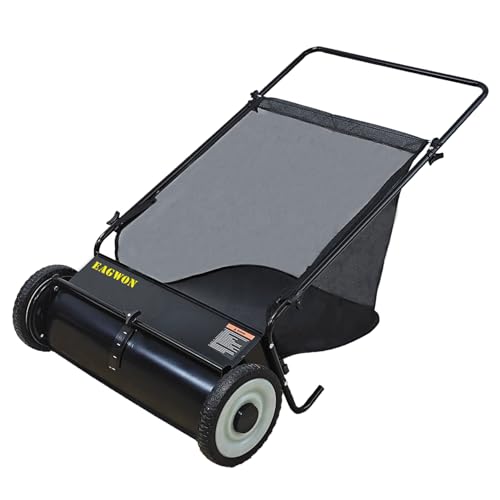
EAGWON 26-Inch Push Lawn Sweeper with Steel Frame

Superio Leaf Design Push Broom with Horsehair Bristles

Grass One 26-Inch Push Lawn Sweeper with 7 cu.ft Hopper

boldworks 21-Inch Push Lawn Sweeper for Grass Cleanup
PPOLB 42-Inch Tow-Behind Lawn Sweeper with 18.55 cu.ft Hopper
EWORK 26-Inch Push Lawn Sweeper with 3.5 cu.ft Hopper

Garvee 26-Inch Push Lawn Sweeper with Clear Dust Cover
A Closer Look At Each Pick
You walk, it sweeps, the hopper fills. That simple loop is the MAXLANDER 21-Inch Push Lawn Sweeper’s whole pitch, and it works best on small to mid-size lawns where a wider 26-inch rig would feel like overkill. The brush head sits low, the wheels roll smoothly across turf, and the central knob lets you raise or lower the housing without grabbing a wrench.
For homeowners who bag a few seasons’ worth of leaves each fall, the 3.5 cu. ft. hopper handles a decent stretch of sidewalk and lawn between dumps. Compared with the larger EAGWON that follows, this one trades raw width for easier storage in a tight garage corner.
Points In Its Favor
- 21-inch path strikes a nice balance for narrow driveways and fenced yards
- Central height knob lets you tune brush depth without hunting for tools
- 3.5 cu. ft. hopper cuts down on trips to the compost pile
- Light enough for most adults to steer one-handed on flat ground
Worth Noting
- Narrower than the 26-inch options, so very large lots take longer to clear
- Brushes work best on dry debris; soggy leaves tend to clump and resist pickup
- Hopper bag fabric can collect fine dust over a long season, so occasional rinsing helps
Right Fit For
Suburban homeowners with a quarter-acre or less who want a tool that lives in the garage, not the shed.
Reach For A Different Pick When
You sweep multiple acres each week, where the wider PPOLB 42-Inch Tow-Behind model covers ground much faster.
The EAGWON 26-Inch Push Lawn Sweeper feels like the workhorse of the lineup. Steel tubing forms the frame, rubber tires absorb sidewalk chatter, and four spinning brushes power through leaves at a pace the 21-inch MAXLANDER can’t match. For anyone who treats yard work as a workout, the heavier build actually helps, because momentum keeps the brushes turning even on uneven patches.
The 7 cu. ft. hopper swallows a startling amount of debris before you have to dump. Compare that to the smaller MAXLANDER, and you trade a lighter footprint for fewer interruptions. The catch is that “easy” here still means physical pushing, so flat lots are where this machine truly sings.
What Makes Sense
- Steel frame handles rough storage conditions without flexing
- Four brushes keep debris moving even when piles get thick
- 7 cu. ft. hopper means longer runs between emptying
- Rubber wheels grip well on sloped lawns
Honest Caveats
- Heavier than the MAXLANDER, so smaller adults may find it tiring on hills
- Takes up more floor space in a crowded garage
- Best performance requires dry leaves; wet clumps still slow the brushes
Feature Snapshot
Who It Suits Best
Property owners with half-acre lots or stubborn debris loads who want fewer stops and a tougher frame.
A Better Fit Elsewhere
Anyone with a riding mower and open acreage should consider the PPOLB 42-Inch Tow-Behind instead, since towing beats pushing at that scale.
Not every sweep needs a hopper bag. The Superio Leaf Design Push Broom with Horsehair Bristles is a manual broom, not a wheeled sweeper, and that’s the point. You grab the 48-inch wood handle, glide across a patio, and the leaf-shaped head funnels debris into a tidy pile for the dustpan.
Horsehair bristles are softer than typical polypropylene, which matters on hardwood, tile, or sealed concrete where scratches show fast. The same broom handles a garage floor or an entryway mat, so it earns its keep year-round, not just in October.
The Practical Payoff
- Horsehair bristles treat finished floors kindly
- Long handle saves your back on patio sweeps
- Works indoors and out, so it’s not a seasonal tool
- No assembly or hopper bag to wrestle with
Small Caveats
- Manual sweeping takes real effort on big lawns
- Bristles wear down faster than synthetic fibers under heavy outdoor use
- Wood handle benefits from occasional oiling to prevent drying out
Made For
Apartment dwellers, patio owners, and anyone who needs a quiet, low-fuss broom that doubles as a yard tool.
Look Elsewhere When
You’re clearing a full backyard of leaves, where a wheeled sweeper like the Grass One 26-Inch model finishes the job much faster.
Capacity is the headline feature on the Grass One 26-Inch Push Lawn Sweeper. A 7 cu. ft. hopper means you can clear a long stretch of front yard before stopping to dump, and the 26-inch sweep width keeps your pace brisk. Think of it as the practical middle ground between the MAXLANDER’s compact design and the wide PPOLB tow-behind unit.
Adjustable brush height lets you dial in for short cut grass or skip over uneven patches without gouging the turf. Owners commonly report that dialing the brushes slightly higher on Bermuda or Zoysia helps avoid scalping.
Useful Highlights
- 7 cu. ft. hopper outranks most walk-behind competitors in this class
- 26-inch width handles mid-size lawns efficiently
- Height adjustment keeps brushes working on varied terrain
- Push design needs no fuel, cords, or batteries
Trade Offs
- Bag unhooks for emptying, which is convenient but can loosen over time
- Larger hopper adds weight over the smaller MAXLANDER
- Brush performance drops noticeably on damp leaves
Best Suited To
Homeowners with quarter-to-half-acre lawns who hate stopping mid-sweep to empty a tiny bag.
Consider Something Else When
You own a riding mower and want hands-free sweeping, where the PPOLB 42-Inch Tow-Behind delivers a faster pass.
Some lawns need a softer touch, and the boldworks 21-Inch Push Lawn Sweeper for Grass Cleanup leans into that idea. The brush assembly uses flexible plastic components that bend slightly during use, so a missed root or uneven patch won’t gouge the turf. For cool-season grass like fescue or bluegrass, that flexibility pays off.
The 21-inch path mirrors the MAXLANDER, so it’s a familiar size class. The trade-off is capacity and width, but you gain a quieter operation that doesn’t feel like a small tractor on the lawn.
Everyday Advantages
- Flexible brushes reduce the risk of scalping tender grass
- Lighter feel makes repeated passes less tiring
- Simple push-and-go operation, no engine noise
- Compact enough for narrow side-yard strips
Areas To Watch
- Smaller hopper means more frequent emptying on heavy days
- Wet or matted debris still resists pickup
- Plastic components may need seasonal checks for wear
Spec Overview
Who Should Grab It
Homeowners with delicate cool-season turf who value a gentle pass over maximum hopper volume.
Not Your Match When
You’re dealing with thick fall coverage on a half-acre lot, where the Grass One’s larger hopper saves time.
When pushing stops making sense, towing steps in. The PPOLB 42-Inch Tow-Behind Lawn Sweeper hooks to a riding mower or lawn tractor and clears a 42-inch swath in a single pass. An 18.55 cu. ft. hopper is the largest on this list, so you can cover meaningful acreage before stopping to dump.
An adjustable brush height lever and a dumping rope let you control the unit from the driver’s seat, which makes a real difference on long runs. The honest read is that this rig overpowers a small yard, but for anything over an acre, it earns its footprint.
Notable Upsides
- 42-inch sweep path covers ground at riding-mower speed
- 18.55 cu. ft. hopper handles big jobs with fewer dumps
- Dumping rope lets you unload without leaving the seat
- Brush height lever adapts to grass length on the fly
Possible Compromises
- Requires a compatible riding mower or tractor to pull it
- Storage footprint is substantial, plan garage space accordingly
- Turning radius grows with the wider deck
Technical Sheet
Perfect Match For
Rural property owners with one to several acres and a riding mower already in the shed.
Swap It Out When
You only have a quarter-acre and no tractor, where the EAGWON 26-Inch Push Lawn Sweeper fits a smaller scale.
The EWORK 26-Inch Push Lawn Sweeper with 3.5 cu.ft. Hopper Bag aims at the sweet spot most casual shoppers actually want. You get a 26-inch path that outperforms the 21-inch MAXLANDER, but the 3.5 cu. ft. hopper stays lighter than the 7 cu. ft. Grass One rig. For weekly touch-ups rather than once-a-year cleanups, that balance matters.
Pushing this across a flat lawn feels manageable for most adults, and the unit tucks into a shed without dominating the floor. Compared to the boldworks, you trade turf-soft bristles for a wider sweep, which is the right call for tougher leaf coverage.
A Few Strong Suits
- 26-inch width covers more ground per pass
- Lighter than the 7 cu. ft. alternatives, easier on the arms
- Compact storage footprint for suburban garages
- Good middle-ground price and capability
What To Weigh
- 3.5 cu. ft. hopper means more emptying on heavy fall days
- Brushes can clog in wet grass clippings
- Hopper bag may need occasional reattachment after months of use
Built With In Mind
Suburban homeowners who sweep a moderate yard several times a season and want a manageable, mid-size rig.
Where A Sibling Pick Shines
Anyone facing a once-a-year leaf avalanche benefits more from the Grass One’s larger 7 cu. ft. hopper.
Few things ruin a yard session faster than dust blowing back into your face. The Garvee 26-Inch Push Lawn Sweeper with Clear Dust Cover tackles that head-on with a transparent cover over the 7 cu. ft. hopper, so clippings stay contained as they collect. The cover also gives you a visual cue when the bag approaches capacity.
Beyond dust control, the 26-inch sweep and large hopper match what the Grass One and EAGWON offer, but with a thoughtful add-on for anyone sensitive to airborne debris. If you live somewhere dry and windy, that cover earns its keep on the very first pass.
Everyday Perks
- Clear dust cover keeps clippings and dust contained
- 7 cu. ft. hopper means fewer interruptions
- 26-inch path handles mid-size lots efficiently
- Detachable bag design simplifies disposal
Practical Considerations
- Cover adds a small assembly step compared to open-hopper models
- Clear plastic can scratch over time, reducing visibility
- Best on dry debris; heavy wet leaves still tax the brushes
Feature Rundown
Whose Shelf It Belongs On
Allergy-prone sweepers and homeowners in dry, windy regions who want cleaner air during cleanup.
Where Another Pick Suits Better
You mostly sweep damp or dewy grass early in the morning, where the boldworks model’s flexible brushes handle moist debris more gracefully.
Picking The Right Sweeper For Your Yard
Sweep Width Versus Yard Size
Sweep width controls how much ground you cover per pass. A 21-inch path suits quarter-acre lots and narrow side yards, while 26-inch models handle half-acre properties with reasonable speed. Anything wider, like the 42-inch PPOLB, only makes sense once you’re towing behind a riding mower across an acre or more. Going wider than your yard actually needs adds bulk without real benefit.
Hopper Capacity And How Often You Empty
Hopper volume, measured in cubic feet, determines how long you can sweep before stopping. A 3.5 cu. ft. bag holds roughly the debris from a small front yard, while a 7 cu. ft. hopper handles a generous stretch of lawn. The 18.55 cu. ft. tow-behind unit is overkill for most suburban shoppers but a major time-saver on larger properties. Bigger hoppers also add weight, so consider who’ll be pushing the rig.
Power Source And Physical Effort
Every sweeper in this list is push-driven or tow-driven, meaning no engines, batteries, or cords. That’s a quiet, low-maintenance win, but it does put the work on your legs. Flat lawns make any of these manageable, while sloped terrain favors lighter, narrower units with rubber wheels for grip. Tow-behind models eliminate pushing entirely but require a compatible riding mower.
Surface And Brush Design
Brush flexibility affects both turf safety and debris pickup. Stiffer brushes power through thick dry leaves on tougher grass, while flexible plastic components protect delicate cool-season turf. A height adjustment knob or lever lets you tune brush depth so you’re not gouging soft ground or skating over debris. Look for tool-free adjustment if you switch between lawn and sidewalk often.
Key Considerations Across These Picks
Mistakes Worth Dodging
Choosing by sweep width alone leaves capacity and storage out of the picture. A 42-inch tow-behind sounds impressive, but on a quarter-acre lot it’s wasted bulk that won’t fit in a typical garage. Conversely, a 21-inch unit on a multi-acre property will test your patience. Match the size to your actual lawn, and check that the assembled footprint fits your storage spot.
Another common slip is ignoring brush performance in real conditions. Manufacturers describe best-case pickup on dry leaves, so plan a first pass after a dry afternoon rather than chasing damp morning debris. A second pass on tougher spots almost always beats fighting the machine.
Why Top Tier Costs More
The jump from a basic 21-inch push sweeper to a feature-rich 26-inch or 42-inch model typically buys three things: a larger hopper, a more durable frame, and a more refined brush assembly. Steel frames outlast lightweight tubing, sealed bearings reduce seasonal maintenance, and dust covers or dumping ropes save real time on big jobs. For suburban lots, a mid-tier 26-inch unit usually hits the sweet spot between price and capability.
Frequently Asked Questions
How dry do leaves need to be for a push sweeper to work well?
Push sweepers perform best on dry, crisp leaves because wet debris clumps and resists the brushes. Aim for sweeps on dry afternoons, and save damp mornings for a second pass after the dew lifts.
Can a 21-inch sweeper handle a half-acre lawn?
A 21-inch path can cover a half-acre, but expect more passes and more hopper emptying compared to a 26-inch model. You may find the extra width worth it if you sweep more than once a season.
Do push sweepers work on gravel driveways?
Most push sweepers can roll across packed gravel, but the brushes tend to scoop up small stones along with leaves. Setting the brush height a touch higher helps avoid picking up gravel on every pass.
How do you empty a hopper bag without making a mess?
Detach the bag while it’s still upright, carry it to your compost or bin, and tip it slowly. Holding the opening closed with one hand during transport keeps stray leaves from blowing back onto your clean lawn.
Is a tow-behind sweeper worth it for small yards?
Tow-behind units pay off when you have enough acreage that pushing becomes a chore, generally an acre or more. For anything smaller, the bulk and storage demands tend to outweigh the time savings.
Bottom Line
Your perfect match comes down to lawn size, storage space, and how often you sweep. The MAXLANDER 21-Inch model earns its place for compact suburban lots, while the PPOLB 42-Inch Tow-Behind dominates open acreage. Pick the rig that matches your yard, store it somewhere dry, and the leaves stop being a season-long headache.
