

A torn fingernail, a palm full of splinters, or a blackberry thorn through the thumb turns a peaceful Saturday in the yard into a trip to the first-aid kit. Leather gardening gloves fix that problem, but the wrong pair splits at the seams within a season while the right pair disappears onto a hook by the back door and gets used for years. This roundup walks through eight solid options, from light goatskin for pruning tomatoes to heavy cowhide gauntlets for rose growers, so you can match the glove to the job.
The Picks In Brief
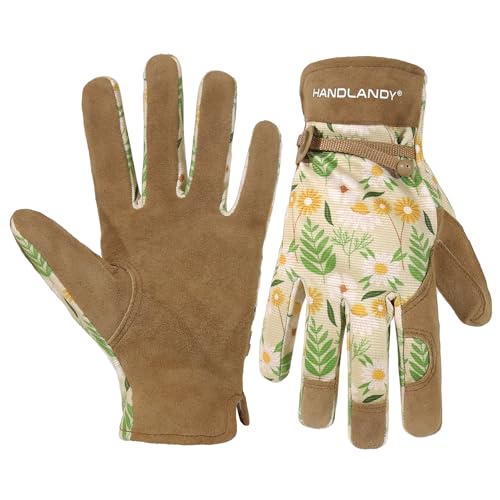
HANDLANDY Gardening Gloves for Women, Leather Garden Glove
AOUCHI Leather Work Gloves for Men & Women

SLARMOR Gardening Gloves for Women, Garden Glove

KKOYING Soft and Thin Goatskin Garden Gloves for Outdoor Yard

BESSTEVEN Leather Gardening Gloves Thorn Proof Cowhide Work Gloves

LOCCEF 2 Pairs Leather Work Gloves Cowhide Utility

WORKPRO Long Leather Garden Gloves for Women & Men

Craft911 Thorn Proof Gardening Gloves, Long Rose Pruning Gloves with Cowhide Leather Gauntlet
The Picks, Examined More Closely
The HANDLANDY glove is sized and shaped with a women’s hand in mind, sitting in that useful middle ground between a thin cotton glove and a heavy welding mitt. Pulling weeds around the vegetable patch or hauling mulch in a wheelbarrow both feel manageable, and the leather softens noticeably after a couple of sessions in the dirt.
For shoppers building a starter kit, this is the kind of glove that handles routine yard work without demanding much in return. Owners commonly wipe them down with a damp rag and hang them on a peg by the back door, and the material holds its shape through a full growing season.
What Works In Its Favor
- Sized for smaller hands so the fingers don’t bunch up at the tips.
- Breaks in fast and conforms to the shape of your grip.
- Cuts down on blisters during long sessions of pulling or raking.
- Light enough to wear for an hour without your palms sweating through.
- Handles both soil work and light pruning of softer shrubs.
Worth Noting
- Not designed for serious thorn coverage, so rose beds will still bite back.
- Leather stiffens if stored damp, so dry them flat between uses.
Right Fit For
Weekend gardeners who mostly handle soil, mulch, and softer perennials rather than thorny brush.
Look Elsewhere When
You spend hours wrestling roses or blackberries, where the WORKPRO Long Leather Garden Gloves offer much better forearm coverage.
The AOUCHI glove crosses over from garden to workshop, built from cowhide with double stitching that shrugs off sparks, splinters, and scrap lumber. Yard work with brush clearing, fence repair, or splitting kindling fits right in with the kind of punishment it expects to absorb.
This is a unisex build that runs thicker than most of the picks on this list, so it trades fine fingertip control for raw durability. If your weekend often turns into a hybrid of shed project and yard cleanup, the same pair handles both chores without needing a swap.
Practical Advantages
- Cowhide build holds up to welding sparks and rough lumber handling.
- Double stitching resists seam splits after months of heavy rotation.
- Useful for ranch, warehouse, and outdoor construction tasks.
Trade Offs
- Thicker palm reduces dexterity for tying twine or handling seeds.
- Heavier than standard gardening gloves, so hands tire faster during delicate work.
- Cowhide needs occasional leather conditioner to stay supple.
Quick Facts
Whose Shelf It Belongs On
Property owners who split time between garden beds and a workbench, and want one glove that covers both worlds.
Consider Something Else When
You mostly do fine transplanting and seed work, where the KKOYING Soft and Thin Goatskin Garden Gloves give you much better fingertip feel.
The SLARMOR glove leans into comfort and a friendlier fit, often packaged as a gift-ready option for gardeners. The palm feels soft out of the wrapper, the cuff closes neatly around the wrist, and the overall cut suits a slimmer hand better than unisex alternatives.
For raised beds, container gardens, and daily watering routines, this glove covers the basics without feeling bulky. Think of it as the everyday companion you reach for when you have twenty small tasks to knock out rather than one big thorny job.
The Case For It
- Slimmer cut suits narrower fingers and shorter palms.
- Soft palm from day one, with minimal break-in time.
- Pairs nicely as a gift with a trowel or seed packet set.
- Comfortable enough for daily light watering and weeding.
Points To Note
- Lightweight build is no match for aggressive blackberry or rose thorns.
- Color and finish may scuff after a season of wet soil contact.
Made For
Gift shoppers and casual gardeners who mostly work soil, containers, and softer ornamentals.
Reach For A Different Pick When
Your main chore is tackling an overgrown bramble patch, where the Craft911 Thorn Proof Gardening Gloves with gauntlet cuffs save your forearms.
The KKOYING glove is the dexterity pick of the roundup, made from full-grain goatskin roughly 0.7 to 0.8 millimeters thick. That thin profile makes the glove feel closer to a second skin, which is exactly what you want when handling seedlings, tying soft twine, or prying a stubborn weed from damp soil.
Goatskin naturally contains lanolin, which keeps the leather supple and helps it resist stiffness even after repeated wetting. Compared to the AOUCHI glove reviewed earlier, this one trades brute toughness for fingertip precision, and that swap makes sense for fine garden work.
Where It Delivers
- Thin profile preserves fingertip control for seed and transplant work.
- Lanolin-rich leather stays soft through wet-dry cycles.
- Lightweight feel reduces hand fatigue during longer sessions.
Less Ideal Details
- Minimal padding, so rougher jobs like hauling stone will bruise through.
- Limited thorn protection compared to thicker cowhide options.
Spec Overview
Best Suited To
Seed starters, transplanters, and anyone who values fingertip control over heavy padding.
Where Another Pick Suits Better
You face regular thorn exposure, where the BESSTEVEN Leather Gardening Gloves deliver thicker cowhide coverage.
The BESSTEVEN glove is built for the gardener whose yard fights back, layered from cowhide thick enough to stop rose thorns and berry thorns in their tracks. The cuff runs a bit higher than a basic garden glove, and the palm feels dense and protective right out of the package.
Pulling out old bramble roots or reclaiming an overgrown rose bed is where this glove earns its keep. The honest read is that it feels heavier than the KKOYING glove reviewed earlier, but that weight is exactly what you want when thorns are part of the job.
Real Benefits
- Thorn-blocking cowhide shields palms and fingers from punctures.
- Higher cuff shields the wrist from scratchy branches.
- Durable build handles repeated abrasive contact with bark and soil.
Some Limits To Know
- Heavier than thin gardening gloves, so fatigue builds on long jobs.
- Less precise for tasks that demand fine finger control.
- Needs to air-dry after wet work to avoid stiffening.
Who Should Grab It
Gardeners with established rose beds, berry patches, or thorny shrubs that demand serious hand protection.
A Better Fit Elsewhere
You also need forearm coverage up past the elbow, where the Craft911 Thorn Proof Gardening Gloves extend higher with gauntlet cuffs.
The LOCCEF offering ships two pairs in one order, which solves the perennial problem of losing a single glove to the back of the shed. Each pair uses cowhide with utility-grade construction aimed at general outdoor chores, from raking and hauling to fence staining and light brush work.
For households where two people share gardening duties, the math works out well, and you can keep a spare pair in the garage for messy tasks. The trade-off is that the build is more general-purpose than the BESSTEVEN glove reviewed above, so thorn resistance is moderate rather than extreme.
Useful Highlights
- Two pairs cover a shared shed or a backup set for wet tasks.
- Cowhide build handles raking, hauling, and yard cleanup duties.
- Useful for both gardening and light utility projects around the home.
Possible Compromises
- Moderate thorn protection, so rose work may still get through.
- Sizing runs unisex and may fit loosely on smaller hands.
- General-purpose build is less specialized than dedicated gauntlet gloves.
Key Product Details
Who Will Love This
Couples or households that want a practical two-pack without paying for specialty gloves they may not use.
Skip It When
Your priority is dedicated rose or cactus protection, where the WORKPRO Long Leather Garden Gloves are purpose-built.
The WORKPRO glove is a long-cuff design that climbs well past the wrist, shielding the lower forearm from scratches during serious pruning. Heavy-duty leather forms the main body, with reinforced stitching at the high-stress zones between fingers and along the thumb seam.
Pruning roses, clearing cactus pads, and pushing through mature blackberry bushes all fit the glove’s intended use. For most backyards, the extra coverage feels reassuring, and you may find it prevents the small scrapes that usually show up the day after a big yard session.
Notable Upsides
- Extended cuff protects forearms from thorn and branch scratches.
- Reinforced stitching targets the finger and thumb seams that fail first.
- Heavy-duty leather resists wear across multiple seasons of rough work.
- Suited to roses, cactus, blackberry, and similar thorn-heavy plants.
Where It May Fall Short
- Long cuff reduces wrist mobility for low, ground-level weeding.
- Heavier than short-cuff gloves, so it feels warm in summer sun.
Feature Snapshot
Perfect Match For
Gardeners who regularly tackle roses, brambles, or cactus and want both hand and forearm coverage in a single glove.
Swap It Out When
You mostly do container and vegetable bed work, where the lighter HANDLANDY Gardening Gloves for Women are easier to wear.
The Craft911 glove goes a step beyond standard long cuffs, with an extended gauntlet that climbs well into the forearm. Cowhide leather forms both the hand and the cuff, and the bright yellow finish makes the gloves easy to spot when you set them down in the grass.
For rose gardeners who spend long sessions reaching into the center of mature bushes, the gauntlet is the main selling point. It protects the exact zone where thorns usually catch sleeves and skin, and that extra reach is what separates this glove from the WORKPRO option reviewed earlier.
Practical Pluses
- Gauntlet cuff reaches well past the wrist to cover the forearm.
- Cowhide build helps block thorns, scratches, and cactus needles.
- Flexible enough for pruning, tying, and shaping within the bush.
- Bright color makes the gloves easier to find in dense foliage.
Things To Consider
- Gauntlet cuff adds bulk and may feel hot during summer pruning.
- Specialty build is overkill for routine soil and seed work.
- Leather should air-dry flat after wet use to avoid stiffening.
Right Fit For
Rose specialists and homeowners clearing mature thorny growth who need coverage past the elbow crease.
Another Choice May Suit
You want a glove that doubles as daily yard wear, where the LOCCEF 2 Pairs Leather Work Gloves offer more versatile general use.
What Matters Most Before Choosing Leather Gardening Gloves
Material And Leather Type
The first decision is leather type. Cowhide is the thickest and most puncture-resistant, well suited for rose beds, berry patches, and heavy workshop crossover. Goatskin runs thinner and softer, with natural lanolin content that keeps the leather supple through wet-dry cycles. Pigskin breathes well and softens quickly, though it sits between the two in puncture resistance.
For most backyards, goatskin handles soil work and light pruning comfortably, while cowhide earns its keep once thorns enter the picture. The honest trade-off is that thinner leather sacrifices puncture protection for dexterity, so matching material to your toughest chore matters more than picking the thickest glove available.
Fit, Cuff Length, And Dexterity
A glove that fits poorly will rub blisters before it ever protects a thumb, so sizing deserves close attention. Cuff length is the second key variable. Short cuffs stay out of the way for weeding and seed work, mid cuffs cover the wrist for general yard duty, and gauntlet cuffs climb into the forearm for serious rose or cactus work.
Dexterity matters more than padding for fine tasks like tying twine or separating seedlings. You may find that the most protective glove on paper becomes a nuisance once you try to operate a pair of pruners with it on, so balance coverage against the kind of grip work you actually do.
Intended Use And Care
Before choosing, picture your average weekend. A gardener who mostly pulls weeds and waters containers has different needs than someone reclaiming a half-acre of brambles. Thinking through the toughest chore you realistically face keeps you from overspending on a glove that only sees thorn duty twice a year.
Leather also needs basic care to last. Air-drying flat after wet work, brushing off caked soil, and an occasional conditioning treatment all extend the life of the glove. Gloves left damp in a bucket tend to stiffen and develop odors, which shortens their useful season considerably.
Practical Buying Considerations For This Category
Where Shoppers Go Wrong
Common buying mistakes start with sizing, since leather gloves feel snug out of the package and shoppers often order up, only to lose fingertip control. Another frequent error is choosing the longest gauntlet available for routine soil work, where the bulk quickly becomes annoying. Picking a glove purely by thickness also backfires, because thin goatskin outperforms thick cowhide for tasks that demand finger feel, like transplanting seedlings or handling seed packets.
What Separates Premium From Basic
The upgrade path in this category usually buys you longer cuffs, thicker cowhide, and reinforced stitching at the seams that fail first. Premium picks like the Craft911 and WORKPRO gauntlets add forearm protection that basic wrist-cuff gloves simply cannot match. Higher-tier builds also tend to use better hide selection, with fewer thin spots and more consistent thickness across the palm, which matters when thorns are testing every square inch of leather.
Frequently Asked Questions
How Long Do Leather Gardening Gloves Typically Last?
With reasonable care, a quality pair of leather gloves lasts two to four seasons of regular yard work. Heaviest thorn duty shortens that window, while lighter weeding routines stretch it past several years.
Can Leather Gardening Gloves Be Washed?
Avoid machine washing, which stiffens and warps the leather. Brush off dried soil, wipe with a damp cloth, and air-dry flat at room temperature to keep the hide in good shape.
Are Goatskin Gloves Better Than Cowhide For Gardening?
Neither is universally better. Goatskin offers superior dexterity and softness for seed and transplant work, while cowhide provides thicker puncture protection for roses, berries, and rough brush. Your toughest chore decides the winner.
Do Long-Cuff Gloves Get Too Hot In Summer?
Gauntlet and long-cuff styles do trap more heat, so summer pruning in direct sun can feel warm. For routine summer weeding, a shorter cuff like the HANDLANDY or KKOYING options stays cooler.
What Size Should I Order If I Am Between Sizes?
Most shoppers in between sizes prefer the larger option, since leather breaks in and molds to the hand. Going too small risks blisters at the seams, while going one size up leaves room for a thin liner in cooler weather.
The Takeaway
Matching the glove to your hardest chore keeps your hands intact and your weekends on track. Light goatskin covers most seed and soil work, while thicker cowhide and gauntlet cuffs earn their place once thorns and brambles enter the rotation. Pick the level of protection that matches your yard, and you will spend more time gardening and less time bandaging.
