

Indoor gardening pulls you in slowly, then suddenly every windowsill feels too dim. Your fiddle leaf drops leaves in February, the herb garden goes leggy by March, and those starter seedlings stretch toward glass that just does not cut it. The fix is the right spectrum of light placed close enough to actually do work, and that is where a thoughtful grow light setup changes the game. This list rounds up options for apartments, shelves, dark corners, and serious plant rooms alike, so you can match wattage, form factor, and timer behavior to your space without overspending on features you will not use.
The Choices Worth Comparing

yentbokj LED Grow Lights with Tripod Stand
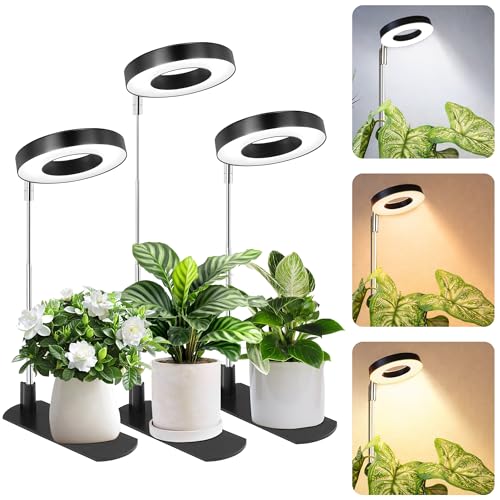
LBW Full Spectrum Halo Grow Light with Base

Kullsinss 3.5-inch Grow Lights for Indoor Plants, 24W

SDOVUERC 16-inch 6 Bars Grow Light Strips

Hlite LED Grow Light 16-inch Hanging Full Spectrum Linkable 4 Pack

Hlite LED Grow Light 16-inch Hanging Full Spectrum Linkable 2 Pack
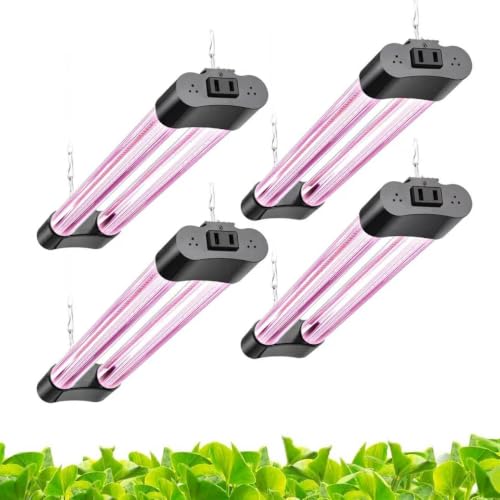
Hlite LED Grow Light 16-inch Hanging Full Spectrum Linkable 4 Pack

bodkar Plant Grow Lights for Indoor Plants
A Breakdown Of The Leading Choices
The yentbokj LED Grow Lights setup is built for plant parents who do not want to mount anything or rearrange furniture just to chase better light. A telescoping tripod (the kind that adjusts from 15 to 63 inches) anchors the whole rig, and four flexible goosenecks sprout from the top so you can aim each head at a different pot.
Full spectrum is the headline here, meaning the diodes cover the warm and cool wavelengths plants actually use for photosynthesis, rather than the purple-only “blurple” output of older shop lights. A built-in timer offers 4, 8, or 12 hour cycles, and the included remote lets you adjust brightness across ten levels without crawling behind a fiddle leaf fig at midnight.
What Makes Sense
- Telescoping tripod reaches tall floor plants like fiddle leaf figs, bird of paradise, and rubber trees without a ladder.
- Four independent goosenecks let you cover a grouping of pots from a single base.
- Three spectral modes (red plus blue, white, or a blend) let you match the stage of growth, vegetative versus leafy, with one switch.
- Ten brightness steps make it easy to dim down for low-light tropicals that scorch easily.
Things To Consider
- The tripod footprint takes floor space, so it is less suited to narrow hallways or crowded corners.
- Goosenecks hold their shape, though over months of repositioning they can loosen and need an occasional twist to stay angled.
Right Fit For
Apartment dwellers with one to three tall floor plants who want set-it-and-forget timer behavior and the freedom to rearrange pots without rewiring anything.
Look Elsewhere When
Your collection lives on a narrow bookshelf; the SDOVUERC 16-inch 6 Bars Grow Light Strips lay flatter and spread light more evenly across a single shelf tier.
The LBW Halo Grow Light skips the stand altogether and parks itself directly in the planter, which makes it the lowest-fuss option in this lineup. The halo shape arcs over the foliage from above, and the weighted base slides into the soil or sits beside the pot.
It is the kind of light you set once, set the timer, and forget about. Four preset auto cycles (6, 8, 12, or 16 hours) handle the daily rhythm, and five brightness levels keep things from blasting sensitive succulents. For most desktops, kitchens, and bedside plant corners, that is plenty of control.
What Helps Most
- Built-in weighted base means no clamps, no tripods, and no shelf mounting hardware.
- Longer 16-hour timer option supports fruiting herbs and orchids that want extended photoperiods.
- Halo geometry spreads light evenly across a single pot rather than concentrating it on one leaf.
Worth Noting
- It is sized for individual pots, so covering a six-plant collection means buying multiples or pairing with another fixture.
- Lower output than the yentbokj rig, which limits its use for light-hungry vegetable seedlings.
Whose Shelf It Belongs On
Anyone running one or two statement plants on a desk, side table, or kitchen counter who wants a clean look with zero installation.
Swap It Out When
You are starting vegetable seedlings under a single dome, where the Kullsinss 3.5-inch Grow Lights push more diodes into a tighter footprint.
The Kullsinss 3.5-inch Grow Lights pack a surprising amount of diode density into a disc smaller than a coffee mug. At roughly 0.55 inches thick, each head slips under a cabinet, clips onto a shelf lip, or sits on a stand where a chunkier fixture simply will not fit.
Four heads share the 24-watt draw, with warm white, cool white, and 660-nanometer red diodes layered to mimic daylight. The trade-off is reach: this is a short-throw light, so keep plants within a few inches of the surface and rotate pots occasionally for even coverage.
Everyday Advantages
- Under-cabinet profile lights herb shelves, low windowsills, and narrow plant stands that reject bulkier fixtures.
- 48 diodes per head (192 total) keep light uniform across a propagation tray or seedling flat.
- Layered spectrum covers germination through leafy growth without swapping bulbs.
Trade Offs
- Mounting hardware varies; some setups need a small adhesive pad or screw-in clip that is not always included.
- Cooling vents are minimal, so running at full brightness in a closed cabinet can shorten diode life, depending on airflow.
Built With In Mind
Apartment growers squeezing seedlings into a kitchen shelf or propagation corner where every inch of clearance matters.
A Better Fit Elsewhere
You want to light a deep bookshelf top to bottom; the SDOVUERC 16-inch 6 Bars Grow Light Strips spread further across that surface.
The SDOVUERC 16-inch 6 Bars Grow Light Strips are aimed squarely at the bookshelf grower. Six slim bars run side by side, packing 360 diodes that span warm white, cool white, and 660-nanometer red into a wavelength range meant to imitate midday sun.
Strip-style fixtures win on coverage area, and this one spreads light evenly across a 16-inch shelf rather than pooling it under one bulb. For anyone running a multi-tier bookcase jungle, that even spread tends to matter more than raw intensity at the center.
Real-World Strengths
- Six-bar layout avoids the bright-spot-and-dark-corners problem common with single-bulb grow lights.
- Full 380 to 800 nanometer range covers both vegetative push and flowering triggers.
- Low-profile bars fit under standard shelf lips without raising the shelf above eye level.
Small Caveats
- Adhesive mounting can loosen in humid greenhouses or kitchen environments over time, depending on surface prep.
- No built-in timer on this strip style, so pairing with a basic outlet timer keeps the photoperiod consistent.
Best Suited To
Plant collectors running a bookcase or wall shelf where light needs to reach every pot at once, not just the center one.
Reach For A Different Pick When
You need hanging height for a taller plant; the Hlite 16-inch Hanging Full Spectrum Linkable 2 Pack suspends cleanly above a plant room floor.
The Hlite LED Grow Light 16-inch 4 Pack is the kit for serious plant-room builders. Each 20-watt bar hangs from ratchet ropes and links end-to-end with the next, so you can chain four bars into a 64-inch run of uniform light without running four separate outlets.
Full spectrum output and high PPFD (photosynthetic photon flux density, the measure of usable light that actually reaches the leaf) means the bars push meaningful intensity at canopy level, which matters once you graduate from a pothos to fruiting peppers or a full propagation rack.
What Earns Its Place
- Linkable design scales from a single bar up to a four-bar grid, depending on rack width.
- Each bar draws only 20 watts, so running a four-pack costs less in electricity than older fluorescent shop lights.
- High PPFD output supports leafy growth and fruiting stages alike without swapping fixtures.
Points To Keep In Mind
- Ratchet hangers and link cables are simple but require two hands and a step stool to install cleanly.
- Bars run warm under heavy use, so plan ventilation if you are sealing them inside a tight grow tent.
Who It Suits Best
Hobbyists running a multi-tier grow rack or a small grow tent who plan to expand the setup over time and want light bars that grow with them.
Consider Something Else When
You only have one shelf to light; the SDOVUERC 6 Bars strips sit closer to the foliage and avoid the hanging hardware entirely.
The Hlite 2 Pack is the smaller sibling of the four-bar kit, and for many readers it is the smarter starting point. Two 16-inch bars side by side cover a standard 2-foot shelf or a small propagation table, and you keep the option to chain more bars later.
Compared with the SDOVUERC strips earlier in this list, the Hlite 2 Pack trades a flat adhesive mount for a hanging setup, which keeps the diodes further from the leaves and spreads light across a deeper canopy. That is the move for anyone growing taller herbs or leafy greens rather than seedlings.
A Few Highlights
- Two-bar footprint handles a single shelf or starter tent without overbuying.
- Same full-spectrum diodes as the 4 Pack, so output quality matches the larger kit.
- Hanging height is adjustable, so the same fixture works for short seedlings and taller herbs.
Minor Gripes
- Two bars cover less ground than the 4 Pack, so you may outgrow it within a season of expanding your collection.
- No built-in dimmer on this hanging style; brightness is fixed at the rated output.
Perfect Match For
Beginners who want a real hanging grow light for one shelf or a small tent, with room to add more bars as the plant count grows.
Not Your Match When
You need a sculptural look in a living area; the bodkar Plant Grow Lights pull double duty as decor and a fixture.
This second Hlite 4 Pack is the same form factor as the earlier Hlite kit, and it deserves its own slot because it solves a slightly different problem: the plant collector who already has one or two bars and wants to expand into a wider grid without mixing generations.
You can daisy-chain this set with the 2 Pack, link all four into a single run, or split them across two shelves. The flexibility matters once you start propagating cuttings in one spot and running leafy greens in another, since the same light ecosystem talks to itself.
Advantages To Know
- Linkable end connectors let you reconfigure as your rack layout changes.
- 20-watt draw per bar keeps electricity costs low even when running four at once.
- Full spectrum supports cuttings, vegetative growth, and flowering in the same fixture.
Some Limits To Know
- No onboard dimming means sensitive seedlings need physical height adjustment rather than a quick brightness drop.
- Bars run warm under long photoperiods, so a small clip-on fan helps in enclosed grow tents.
Made For
Intermediate growers scaling up a propagation corner or a multi-shelf rack who want consistent light bars across every tier.
Where A Sibling Pick Shines
You only need a single shelf and a smaller budget; the Hlite 2 Pack keeps the same diode quality without the second pair.
The bodkar Plant Grow Lights break the visual mold of grow lighting. Instead of plastic and aluminum, you get a slim body built around wood and bamboo, with 6000K full spectrum diodes tucked into a 2-head design meant to look like part of the room.
It is intentionally minimalist, so there is no timer or dimmer included; you control the photoperiod with a wall outlet timer. That trade-off is the point: this fixture doubles as decor on a credenza, a side table, or a plant-shelf centerpiece.
Benefits That Matter
- Wood and bamboo build blends into living rooms better than black plastic shop lights.
- Two adjustable heads aim light at adjacent pots from one base.
- 6000K daylight output looks natural on a bookshelf rather than tinted purple.
Worth Bearing In Mind
- No included power adapter or timer, so factor a separate outlet timer into the setup.
- Lower output than the yentbokj or Hlite kits, which limits its use for fruiting or flowering crops.
Who Should Grab It
Design-focused plant parents who want a grow light that earns its place in a styled living space, not just a utility closet.
Skip It When
Your priority is maximum photon output for seedlings or leafy greens; the Hlite 4 Pack pushes more usable light per watt.
What To Weigh Before Picking Your Setup
Light intensity matters more than wattage on the box. Look for PPFD numbers when they are listed, since that measures the photons actually reaching the leaves rather than the energy the fixture draws. Coverage shape is the next filter: a tall floor plant needs a tripod or hanging height, while a dense shelf benefits from strips or linkable bars that spread sideways. Spectrum depth follows, and full spectrum diodes (covering both warm and cool wavelengths plus a red boost around 660 nanometers) tend to support both leafy and flowering stages without swapping bulbs. Finally, control features like timers and dimmers cut down on daily fiddling, which matters more than it sounds once a routine sets in.
Match The Form Factor To Your Space
Floor planters and tall tropicals reach for tripod-mounted goosenecks like the yentbokj rig because the heads track the canopy as the plant grows. Bookshelves and propagation trays suit strips and linkable bars because they spread light horizontally across many small pots at once. Decorative living-room displays call for slim wood-accented fixtures that look intentional rather than utilitarian, which is where the bodkar design earns its keep. The honest read is that most indoor gardeners end up using two of these form factors in different rooms, so plan for that from the start.
Decide How Much Control You Actually Need
A built-in timer removes one daily chore, and dimming helps when seedlings transition to brighter light. Apartment growers with one or two plants tend to love timers; collectors running propagation racks often prefer a single outlet timer that controls an entire power strip. Match the control surface to your routine rather than chasing every feature.
Smart Choices Across This Lineup
Common Shopping Slip Ups
The most common mistake is buying by wattage alone. A 30-watt single bulb can underperform a 20-watt bar that spreads the same photons across more leaves, depending on fixture geometry. Another trap is ignoring mounting: adhesive strips work on smooth shelves but fail on textured wood or metal, and a flexible gooseneck cannot rescue a fixture placed too far from the canopy. Measure shelf depth and ceiling height before you commit, then match the fixture to those numbers rather than to a wattage spec sheet.
Where The Extra Money Goes
Higher-tier grow lights tend to buy better diode density, more uniform PPFD across the coverage area, and longer-rated lifespans. For a casual succulent or pothos, that premium is hard to notice. For anyone running a propagation rack or fruiting herbs, the more even output pays back in faster, more consistent growth and fewer stretched seedlings. The honest case for spending up is workload: the more plants you light, the more a quality fixture compounds.
