

Container citrus hits a sweet spot for renters, balcony gardeners, and anyone north of zone 8 who refuses to give up on homegrown lemons. The trade-off is that the tree, the pot, the soil, and the feeding routine all have to work together, or you end up with yellow leaves and no fruit. Picking the right starting point saves a season of guesswork, so the picks below cover the tree itself plus the soil, container, fertilizer, and one clever kitchen accessory that rounds out the harvest.
A Closer Look At The Lineup

Soil Sunrise Citrus Tree Potting Soil Mix (8 Quarts)
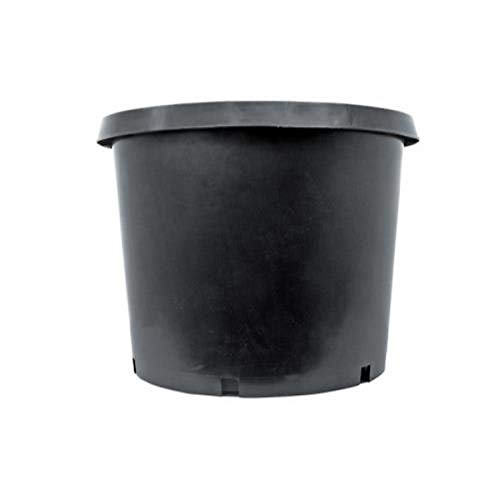
GRO Pro GL56724800 Premium 1 Gallon Plant-Nursery-pots
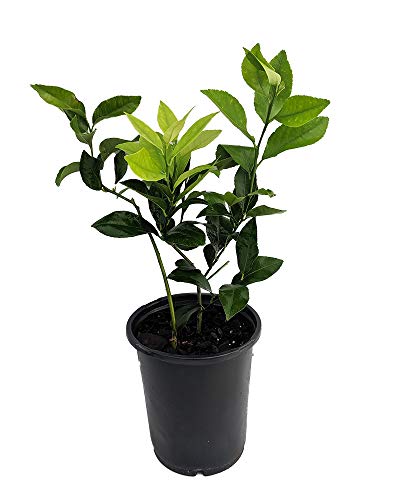
Hirt’s Gardens Meyer Lemon Tree Fruiting Size 5″ Pot

Joie Fresh Flip Pod Lemon Storage Container

Brighter Blooms Meyer Lemon Tree 1-2 ft.

Farmer’s Secret Citrus Tree Booster Fertilizer 8oz

Farmer’s Secret Citrus Tree Booster Fertilizer 32oz

Garden State Bulb Meyer Lemon Tree 1 Gallon Pot
Taking A Closer Look At The Options
Potting mix matters more for citrus than most people realize. Soil Sunrise’s blend is hand-mixed for potted orange, lemon, and lime trees, which means the texture and drainage lean toward what citrus roots actually want rather than what a general-purpose bag offers. In practice, that translates to faster water movement through the root zone and fewer soggy-pocket problems that show up when dense garden soil gets reused indoors.
The 8-quart size fills a standard 1-gallon nursery pot with a little leftover, which is helpful if you’re stepping up a young tree. Container gardeners working with a single Meyer lemon on a windowsill should find the volume right-sized for one repotting session.
Useful Strengths
- Citrus-specific texture supports healthy root oxygen flow
- Hand-blended recipe avoids synthetic additives
- Drains well, reducing the risk of root rot in indoor pots
- Works for both indoor and outdoor container setups
Trade Offs
- One bag handles a single repotting, so larger trees need extras
- You’ll still need a pot with drainage holes, since the mix can’t fix poor container design on its own
Feature Snapshot
Right Fit For
New container citrus growers repotting a young Meyer lemon or lime for the first time.
Consider Something Else When
You already have a quality fast-draining mix at home and only need a replacement container, in which case the GRO Pro 1-gallon nursery pot fits better.
The container itself quietly decides whether your lemon tree thrives or sulks. GRO Pro’s 1-gallon nursery pot is injection-molded from thick black plastic, which keeps the wall rigid enough to resist cracking when you move a soil-laden tree around the patio. Compared to the Soil Sunrise mix above, this is the housing rather than the soil, and the grip lip along the rim makes mid-season lifts far easier.
For growers stepping a young Meyer lemon up from its starter pot, a 1-gallon step is usually the right size before going to 3 gallons. Black plastic also warms up nicely in the sun, which citrus roots appreciate during cool mornings.
The Practical Payoff
- Thick-walled construction handles repeated moving without flexing
- Rim grip makes lifting a wet, soil-heavy tree less awkward
- Standard 1-gallon size fits most first-step citrus transplants
- Durable enough to reuse season after season
Worth Noting
- Sold as a single pot, so multi-tree setups require multiple purchases
- Plastic will degrade with prolonged UV exposure over several years
Who It Suits Best
Patio gardeners moving a young citrus tree up from its nursery pot into a sturdier home.
Look Elsewhere When
You want a finished decorative container for a living-room lemon tree, where the Hirt’s Gardens 5-inch starter ships already potted.
Meyer lemons stay popular for good reason: the fruit balances sweetness and acidity in a way grocery-store lemons rarely match. Hirt’s Gardens ships a tree already at fruiting size in a 5-inch pot, which skips the slowest years of waiting for a seedling to mature. The small footprint fits on a bright apartment balcony, and the tree happily moves indoors once nights drop below 40°F.
One logistical note worth flagging: citrus cannot ship to several USDA-regulated states, including Texas, Florida, Arizona, California, Louisiana, and Hawaii. Before clicking through, confirm your state is eligible. For everyone else, this is a tidy, ready-to-grow starter tree.
The Good Stuff
- Already fruiting size, so you skip the long juvenile phase
- 5-inch pot fits tight balconies and sunniest indoor windowsills
- Meyer lemons are widely considered the sweetest, most versatile variety for cooking and drinks
- Tolerates indoor conditions as long as light stays strong
Things To Consider
- Cannot ship to a long list of states due to USDA citrus regulations
- Small starter pot means you’ll need to size up within a season
Best Suited To
Beginners in eligible states who want a fruit-ready Meyer lemon for a small patio or sunny window.
A Better Fit Elsewhere
Growers outside the USDA-restricted states who want a larger starter can lean toward the Brighter Blooms 1-2 ft. Meyer for a head start.
Half a lemon in the fridge tends to dry out or roll into the back of a shelf. Joie’s Flip Pod tackles that exact problem by holding a cut lemon cut-side down on a small base, with a flip-over cover that doubles as a dip server. It feels like a kitchen-gadget flourish in a list of trees and soil, but the moment you grow your own Meyer harvest, you’ll have halves to manage.
Stackability keeps the fridge tidy, and the lemon-shape silhouette looks intentional rather than gimmicky on the shelf. Compared to plastic wrap or a reusable bag, this pod keeps cut citrus visibly fresh and contained.
Where It Delivers
- Keeps cut lemons and limes from drying out in the fridge
- Flip cover doubles as a small serving dish for dips or zest
- Stackable footprint saves shelf space
- Reusable design avoids single-use plastic wrap
Points To Keep In Mind
- Designed for one half-lemon at a time
- Hand-washing is usually required to keep the seal tight
Perfect Match For
Home cooks growing just enough citrus to want clean storage for leftover halves.
Skip It When
You process lemons into juice or zest immediately and never store halves, where any of the fertilizer picks below are more useful.
For shoppers who want a noticeable head start, Brighter Blooms ships a Meyer lemon at 1-2 feet tall rather than the smaller 5-inch starter. That extra height usually translates to thicker branching and an earlier bloom cycle, which matters when you’re impatient for the first harvest. Like the Hirt’s tree earlier in this list, Meyer is the variety on offer, prized for thin skins and a sweeter juice than supermarket standards.
USDA shipping restrictions apply here too, with an even longer exclusion list that includes Alaska, Georgia, Mississippi, and Oregon alongside the usual citrus-regulated states. Worth confirming eligibility before ordering.
Why It Works Well
- Taller starter reduces the wait for first fruit
- Meyer lemons suit juicing, desserts, and zest work
- Works for patios, indoor windowsills, and sunrooms
- Stronger branching typically handles outdoor placement sooner
Room For Improvement
- Largest shipping exclusion list in this roundup
- Heavier starter may need a sturdier decorative container from the start
Quick Facts
Who Should Grab It
Growers in eligible states who want a more mature Meyer lemon at delivery and don’t mind a slightly higher upfront cost.
Reach For A Different Pick When
You live in one of the restricted states, where the Garden State Bulb Meyer in a 1-gallon pot ships more widely.
Once a citrus tree is potted up, the limiting factor becomes nutrients leached out by frequent watering. Farmer’s Secret Booster is a concentrated liquid fertilizer formulated for lemons, limes, and oranges, designed to be diluted into a weekly watering. The dilution ratio is genuinely small, so an 8-ounce bottle stretches across many feedings for a single tree.
For one Meyer lemon on a balcony, the 8oz size is the right call. The 32oz bottle later in the list makes more sense for growers running multiple trees or feeding throughout the year.
Useful Highlights
- Highly concentrated formula keeps feeding costs low
- Compatible with indoor and outdoor container citrus
- Dilutes into regular watering, no special schedule required
- Sized for a single small tree over many weeks
Honest Caveats
- Requires weekly mixing rather than a slow-release alternative
- Needs cool, dry storage to keep the concentrate stable
Made For
Container gardeners with one or two citrus trees who want a measured weekly feeding routine.
Swap It Out When
You run a small orchard of potted citrus and don’t want to reorder monthly, in which case the 32oz refill below is the smarter buy.
The 32oz version of the Farmer’s Secret Booster uses the same formulation at four times the volume, which is what you want for any setup beyond a single tree. If you’re running a citrus lineup, a small greenhouse corner, or several patio containers, the larger bottle cuts down on reordering and keeps the feeding routine consistent across the collection.
The concentrate behaves the same way once diluted, so there’s no learning curve if you start with the 8oz bottle above and graduate up. For most multi-tree households, this is the better long-run value.
Benefits That Matter
- Same concentrated formula as the smaller bottle
- Better per-feeding cost for growers with multiple trees
- Reduces the frequency of reordering
- Suitable for indoor and outdoor container citrus alike
Points To Note
- Overkill for a single small Meyer lemon
- Bottle takes up more shelf space in a small gardening closet
Whose Shelf It Belongs On
Multi-tree container gardeners who want a steady feeding supply without monthly reorders.
Not Your Match When
You only plan to grow one small Meyer indoors, where the 8oz bottle keeps things simpler and fresher.
Garden State Bulb’s Meyer ships in a 1-gallon grower’s pot, which lands between Hirt’s smaller starter and Brighter Blooms’ taller nursery stock. That mid-size container means less immediate repotting stress and a more established root system on arrival. The tree is self-pollinating, so a single plant near a bright window is enough to set fruit without a second tree nearby.
Hardiness ratings put it in zones 8-11, so outdoor placement works through most of the year in mild climates, and indoor overwintering covers anyone north of that. Shipping restrictions hit the standard citrus-regulated states: Florida, Arizona, California, Texas, and Louisiana.
Strong Points
- 1-gallon pot gives roots a running start over a small starter
- Self-pollinating, so no second tree required for fruit
- Suitable for indoor windowsill placement
- Hardiness rating clarifies outdoor versus indoor timing
Trade-Offs To Consider
- Cannot ship to FL, AZ, CA, TX, LA due to citrus regulations
- Will eventually need a larger container within a couple of seasons
Feature Card
Who Will Love This
Container gardeners in eligible states who want a mid-size Meyer lemon that doesn’t need an immediate repot.
Another Choice May Suit
Growers in restricted states or anyone wanting a smaller, easier-to-ship starter should look at Hirt’s 5-inch Meyer instead.
What Matters Most Before Choosing A Container Lemon
Picking a tree is the fun part, but the container system around it decides whether the experience is rewarding or frustrating. A few attributes carry real weight for citrus specifically, and they tend to be the same attributes that catch first-time growers off guard.
Root Depth, Drainage, And Potting Mix
Citrus roots dislike sitting in water. Drainage holes at the bottom of the pot are non-negotiable, and a coarse, fast-draining mix like the Soil Sunrise blend above gives water somewhere to go without compacting into mud. The GRO Pro nursery pot handles the structural side: thick walls resist cracking when you move a waterlogged tree, and the rim grip saves strain on your hands during the twice-yearly repot.
USDA Zones, Light, And Indoor Timing
Container citrus works across most of the country, but only if you respect the temperature window. Meyer lemon generally stays happy outdoors above 40°F and needs to come inside below that threshold. Hardiness zones 8 to 11 allow year-round outdoor placement in mild climates, while everyone else plans an indoor winter spot with strong light. The Garden State Bulb tree, Hirt’s starter, and Brighter Blooms tree all spell out their cold tolerance in the source details, which makes indoor scheduling easier to plan.
Feeding Frequency And Tree Size
A small pot means nutrients leach out faster, which means a weekly feeding routine like the Farmer’s Secret Booster is closer to required than optional. Bigger trees in larger pots stretch the interval, but most container citrus appreciates regular feeding during the growing season. Picking the right bottle size depends on how many trees you’re running and how often you want to reorder.
Key Considerations Across These Picks
Mistakes Worth Dodging
A common slip-up is choosing a decorative pot without drainage holes because it matches the living room. Citrus will not forgive that for long, no matter how good the soil mix is. Another is underestimating the USDA shipping rules. Three of the four trees in this list cannot ship to citrus-regulated states, and overlooking that means a cancelled order and a wasted week of growing time. Finally, skipping fertilizer because the tree looks fine in spring tends to backfire by midsummer, when leaves yellow from leached nutrients.
The Upgrade Payoff
The jump from the 8oz to the 32oz Farmer’s Secret bottle isn’t about stronger plants; it’s about convenience. The same applies to stepping from Hirt’s 5-inch starter to the Brighter Blooms 1-2 ft. tree. You pay more up front, but the larger root system, taller branching, and bigger fertilizer supply translate into less babysitting through the season. For most growers running a single tree on a windowsill, the smaller sizes are perfectly capable, and the upgrade earns its place once you commit to a fuller container setup.
Frequently Asked Questions
How big a pot does a container lemon tree need?
A young Meyer lemon starts comfortably in a 1-gallon nursery pot and steps up to 3 to 5 gallons as it matures. The rule of thumb is roughly one size larger than the current root ball each time you repot.
Can a lemon tree live indoors year-round?
Yes, with enough light. A south-facing window that gets at least six hours of direct sun keeps a Meyer lemon productive indoors, and rotating the pot weekly helps even growth.
Why are shipping states restricted for citrus trees?
USDA regulations prevent citrus shipping into states with active commercial citrus industries to protect those groves from disease. Restrictions commonly cover Florida, California, Arizona, Texas, and Louisiana.
How often should you feed a potted lemon tree?
A weekly diluted liquid feed during the growing season covers most container setups. Cut back in winter when growth slows, and resume in early spring.
Do container lemon trees need two trees for pollination?
Meyer lemon is self-pollinating, so a single tree sets fruit on its own. Other citrus varieties sometimes benefit from a pollination partner, but for the picks above, one tree is enough.
The Takeaway
Container citrus rewards a little upfront planning more than almost any other edible plant. Match the tree size to your space, pair it with a drainage-friendly pot and a citrus-tuned soil, and keep a steady feeding rhythm. The eight picks above cover the tree, the soil, the pot, the fertilizer, and even the kitchen storage, so you can build a setup that actually produces fruit without a season of guesswork.
